Visitors To The Farm And The Open House Date Is Set!…The Sunday Farm Update

Members of the Union County Master Gardener's Association listen in as we talk about our chickens at the farm.

Members of the Union County Master Gardener’s Association listen in as we talk about our chickens at the farm.

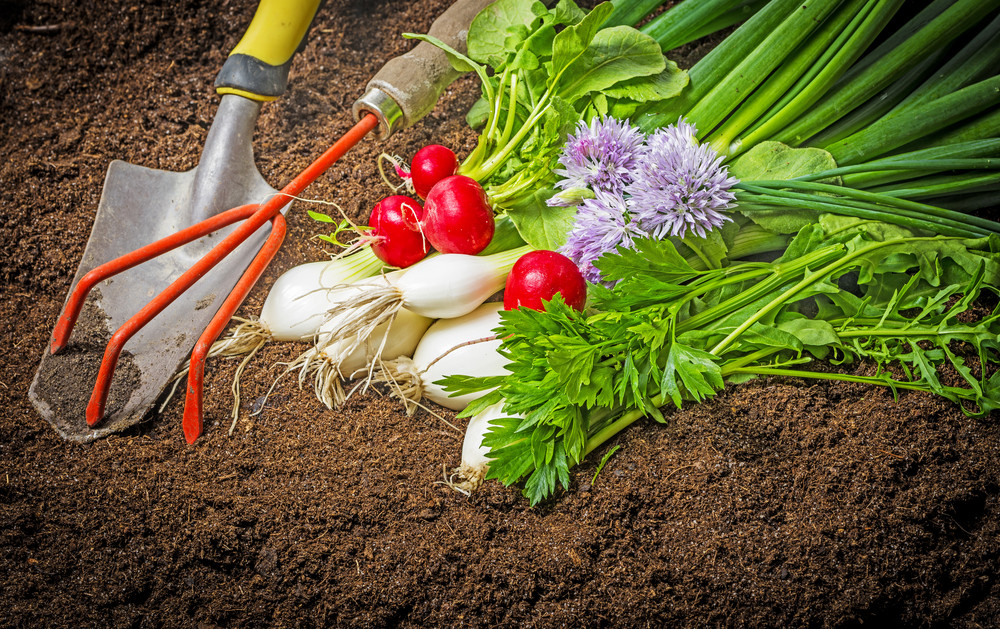
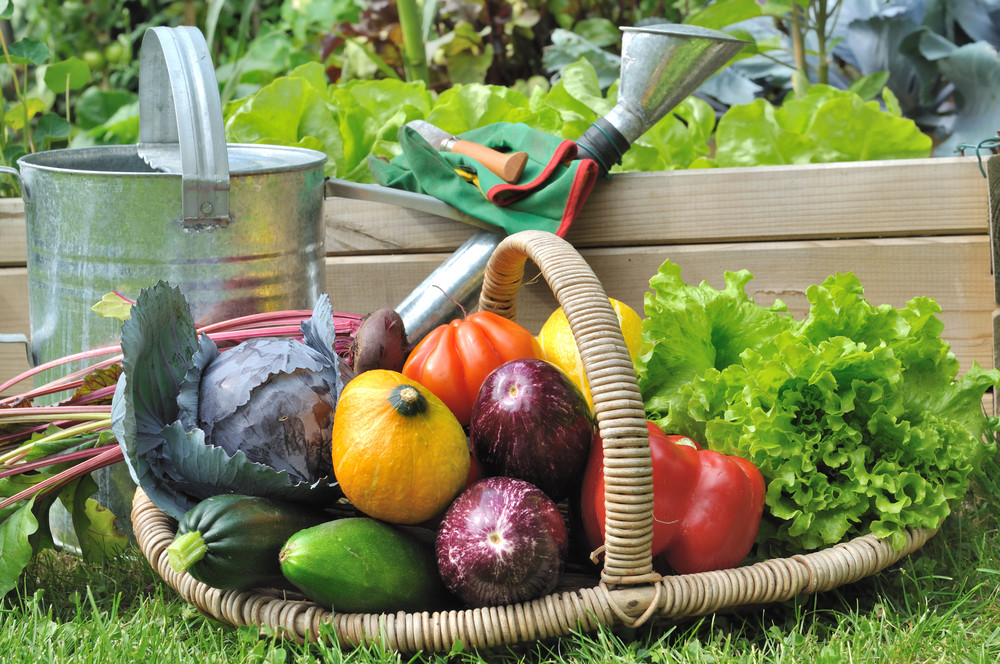
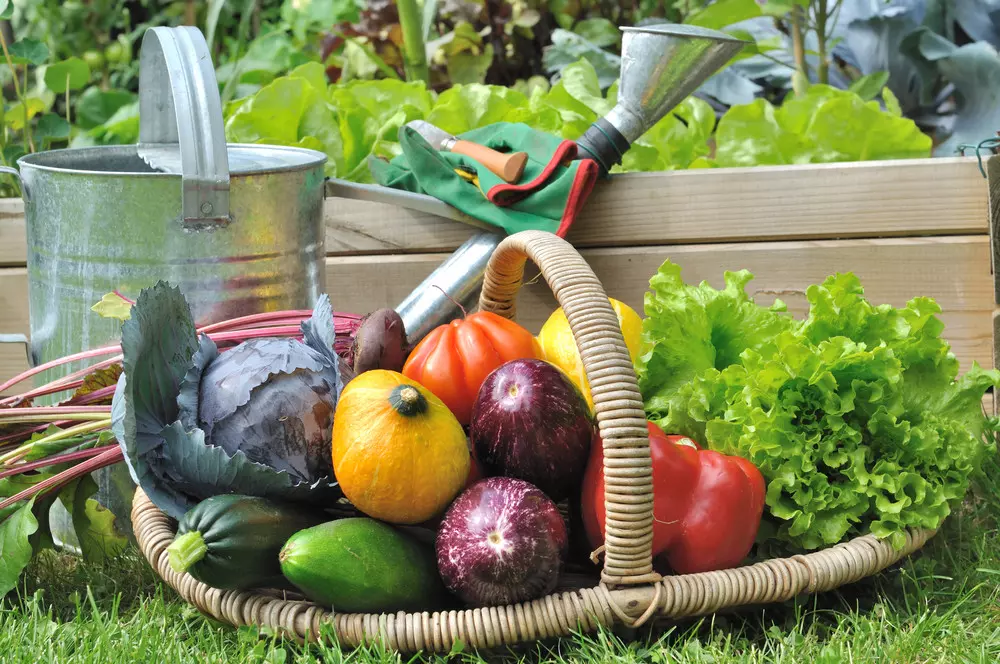
Food From The Garden... Visitors to the farm always love to see the end results of a growing season.

Food From The Garden… Visitors to the farm always love to see the end results of a growing season.

In the garden discussing the raised row, no till method.

In the garden discussing the raised row, no till method.

Mary talks about the leaf "corn-crib" and how we store fall leaves for use in our summer composting.  I think even the dog seems very interested! :)

Mary talks about the leaf “corn-crib” and how we store fall leaves for use in our summer composting. I think even the dog seems very interested! :)

The barn table's centerpiece for the day - made from some left over barn wood and mason jars we had on hand.

The barn table’s centerpiece for the day – made from some left over barn wood and mason jars we had on hand.

The straw bale crates made from old pallets were a big topic for the day - here our zucchini starts to grow up and over the crates.

The straw bale crates made from old pallets were a big topic for the day – here our zucchini starts to grow up and over the crates.

Talking about our tomato stake-a cages in the garden.

Talking about our tomato stake-a cages in the garden.

It’s always such a great experience to have visitors out to the farm.  Not only is it an opportunity to share our story and our love of gardening – but Mary and I both enjoy hearing and learning valuable information from others who love to garden and enjoy the outdoors as well.

On Saturday, we were really fortunate to have a great group from the Union County (Ohio) Master Gardener’s Association come out to tour the farm.

The weather couldn’t have been more perfect for the day – with the temperatures in the mid 70′s, sunny skies – and it led to a lot of great gardening conversation.

We spent the afternoon giving a two hour tour of the barn, composting and rain-water systems, chicken coop, and garden areas.

One of the things that visitors to the farm love to hear about – is the entire process of bringing the farm to the table – including not just fresh vegetables, but canning and preserving for year round use.

It never ceases to amaze both of us how friendly and sharing fellow gardeners are, and how much we learn every-time we have a group out for a tour.

When we first started the little farm a few years back, I don’t think either of us ever anticipated giving tours – but it has certainly become one of our favorite things to do – and as crazy as it sounds, I always feel like we are the ones who get to learn so much each time.

Speaking of tours, we will have final details in next week’s Sunday Farm Update – but it looks like July 27th will be the date for our Hometalk Meet-up and gardening discussion on Gardening and Gardening Recipes – and we are even more excited to announce that we will be working with an incredible local greenhouse, Wilson’s Garden Center, to host the event.

Wilson’s has a beautiful greenhouse facility and an amazingly friendly staff – and we are so excited to have them as a partner to host the event!

Even better, since it is only a few miles from the farm – we will also be giving tours and have an open house at the farm that day following the event.  We will have a complete run down with times and event details next Sunday

Speaking of the garden and the farm, everything has really taken off the past week with some timely and much-needed rains.  Along with some pictures of yesterday’s tour – we included some pictures about the farm for today’s Sunday Update.

The tomatoes and peppers have now begun to take hold and are starting to really shoot up – and the lettuce, radishes and other spring crops are in full pick mode – and with that – we need to get out there and get busy :)

Happy Gardening  -  Jim and Mary

If you would like to receive our Gardening / DIY and Farm Updates each week – be sure to sign up to follow the blog via email in the right had column, “like” us on Facebook, or follow us on Twitter.

Top view of the zucchini straw bale pallet crate planting.

Top view of the zucchini straw bale pallet crate planting.

Touring the new chicken coop

Touring the new chicken coop

The cucumbers are fully set in blooms

The cucumbers are fully set in blooms

The bees are enjoying all of the blooms and are hard at work at the farm too.

The bees are enjoying all of the blooms and are hard at work at the farm too.

So far, the red cabbage is looking good in the garden - hopefully, we will enjoy some fresh cole slaw this summer from it!

So far, the red cabbage is looking good in the garden – hopefully, we will enjoy some fresh cole slaw this summer from it!

Tomatoes..How To Get The Most From Your Plants In The Garden!

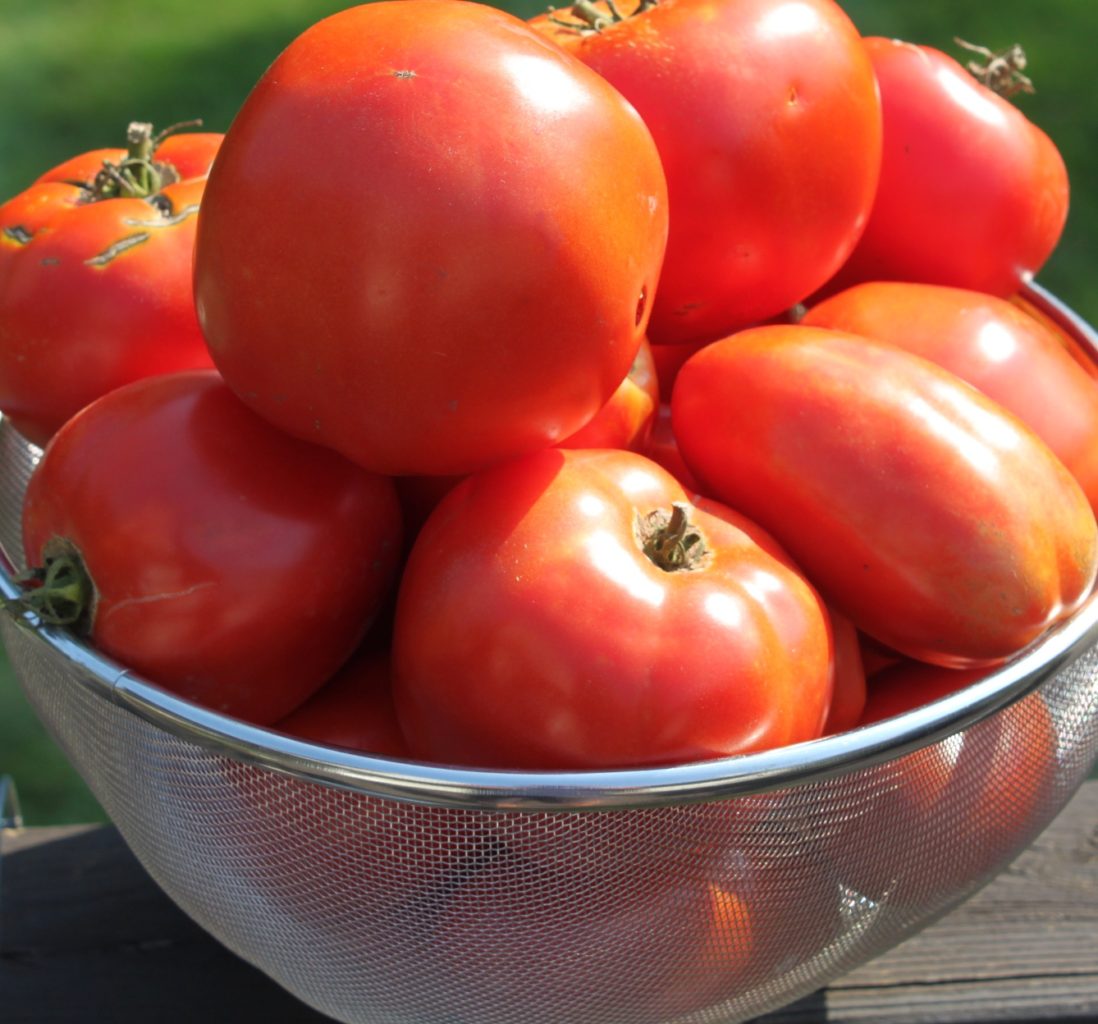
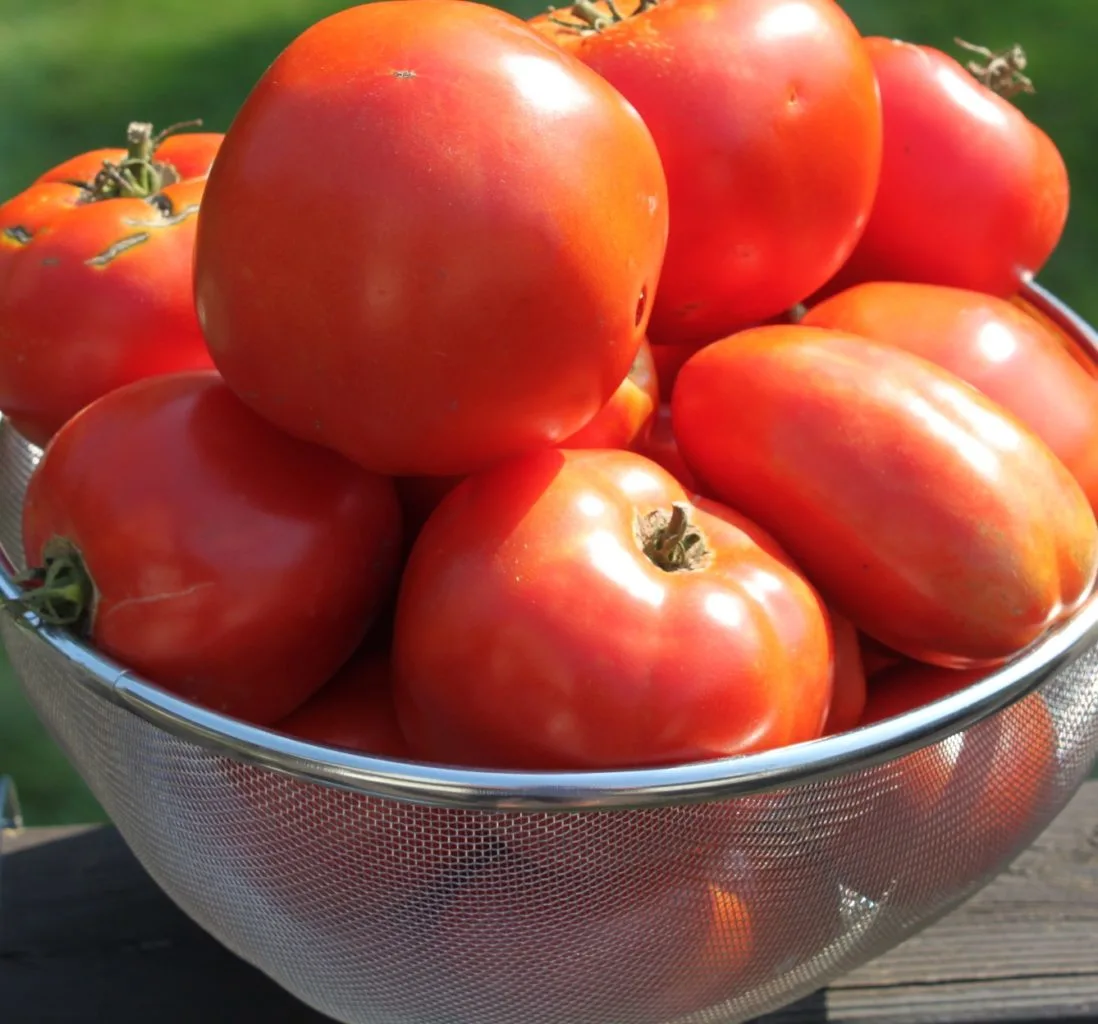
A big bowl of La Roma tomatoes picked from last year's garden

With a few easy steps, you can help your plants to grow an abundant supply of fresh tomatoes this season.

Your tomatoes are planted, they are starting to grow and you can’t wait to taste those first amazing globes of garden goodness!

Lately, we have been getting an abundance of emails and comments about how we grow and maintain our tomatoes once planted.  Besides making sure they have at least 1″ of water each week (via rain or watering) – here are some steps we take to make sure we get the most out of our tomato crop.

PRUNING:

Pruning up 6 to 8" under each plant helps with air flow, watering, and leads to more productive plants

Pruning up 6 to 8″ under each plant helps with air flow, watering, and leads to more productive plants

Yes, pruning can be an important part of keeping your tomatoes healthy, and can also create larger and sweeter fruits on the vine.  Just a little work now can pay off huge in a month or so when harvest time begins.

As each tomato plant starts to grow strong – we like to prune off the bottom 6 to 8″ of stems from the main stock of the plant for several helpful reasons.  For one – it allows for good air flow and easy watering of the plant – both of which help the plant to grow stronger and speed along the ripening process later.  Second, and maybe even of more importance – it will help to reduce the chances for disease and bug infestation.  By clearing out the area around the bottom of each plant - you are reducing the ability for plant feeding insects to find their way up onto the plants, and the improved circulation helps cut down on the chance for fungus to develop on the plants.  Last but not least – by trimming off the bottom area – you allow the nutrients to go to building stronger stems and larger tomatoes on top.

There are those that prune even more aggressively by thinning out some of the top growth – but we’ve had great success in just making sure the bottom of our plants are pruned.  It takes only a few seconds per plant – and makes a big difference.

SUPPORT:

Give good support for your tomatoes - we use our home made stake a cage's - a blend of a stake and a cage all in one.

Give good support for your tomatoes – we use our home made stake a cage’s – a blend of a stake and a cage all in one.

No matter if you use a stake, a cage, panel fencing or whatever – give those tomatoes some support! Tomatoes can easily become weak and more prone to disease when you allowing them to just sprawl around the ground.  It’s also an open invitation to pests and bugs to climb aboard and go to town.  The close contact to the ground also is an invitation for damaging mildew, mold and fungus to develop on the leaves.  So give them some support!  (See: How To Make Your Own Stake-A-Cages Cheap!)

As for what to tie them up with  - use materials that will hold up but still provide some elasticity for the plants to grow. Old t-shirts cut up into strips and old pantyhose work well.  We use a big spool of thick cotton yarn to tie ours up – buying a few old rolls in the bargain bin each year.

FERTILIZING:

You can make your own organic fertilizer "compost tea" - simply by steeping water in fresh compost!

We use a few applications of compost tea to get our plants off to a strong start.

Tomatoes are heavy feeders – and even with the best of soil – they can certainly benefit from a little added nutrition.  We use an application of our compost tea liquid fertilizer (See: How To Make Compost Tea) to give a good feeding to the plants.  We apply our first application after the plants have been in the ground a couple of weeks, and then about every 10 days for a total of 3 applications.  That seems to be the perfect amount for our plants – boosting their growth in the beginning to get them off to a good start. Remember, if you apply too much of any fertilizer, your tomatoes will spend all of their energy on growing foliage – and not fruit.

MULCH:

Egg shells and coffee grounds...perfect for the compost bin - and your tomato plants!

Egg shells and coffee grounds…perfect for the compost bin – and your tomato plants!

Finally, mulch the area around your tomatoes to help keep in the moisture and keep the soil at a moderate temperature.  We like to use our compost to mulch about a 6″ diameter around each stalk – this also provides nutrients for the plant as the compost breaks down and is watered into the soil.  You can also use grass clippings, straw or shredded leaves.

Here is an extra little secret we use: Add a little coffee grounds and crushed egg shells to the mulching area right around each plant.  Crush up about 3 to 4 shells per plant – and sprinkle the coffee grounds (about 1 filters worth) into the mulch you have around each plant. The added nutrients really help your tomatoes take off – and the crushed egg shells can help to prevent black rot.  (We add a few to each planting hole when we plant as well).

DON’T COMPACT YOUR ROOTS:

cajun bellesFinally – be careful as you work around your tomatoes and their root zones.  One of the reasons we really prefer raised beds or raised row beds are they keep foot traffic around plants to a minimum.   But even if you use a traditional flat garden – make sure to stay off the area directly around plants.

The root zone of your tomato plants that lie just below the soil’s surface are the life blood of the plants above ground.  Those roots are responsible for sucking up the water and nutrients the plants need to grow strong and produce healthy and abundant fruit.  Loose, uncompacted soil is a key component to their growth – and the more you step in and around them – the more compacted the soil becomes and the less root growth will develop.  We try hard to never ever step within 12″ of the ground right around each plant – and it pays off in good root structure.  When we pull our plants at the end of each year – it is amazing to see the 12 to 18″ of deep roots that each plant has developed by being allowed to grow freely without compaction.

So there you have it – how we care for our tomatoes through the summer months.  It’s hard to believe in about another 45 days – fresh tomatoes and canning season will be here!

Happy Gardening!

Mary and Jim

If you would like to receive our DIY & Gardening Tips every Tuesday – be sure to sign up to follow the blog via email in the right hand column, “like” us on Facebook, or follow us on Twitter

Finding Ways To Make More Compost…The Sunday Farm Update

Our "new" old corn crib structure...not used to hold corn, but leaves for use in our compost bin

Our “new” old corn crib structure…not used to hold corn, but leaves for use in our compost bin

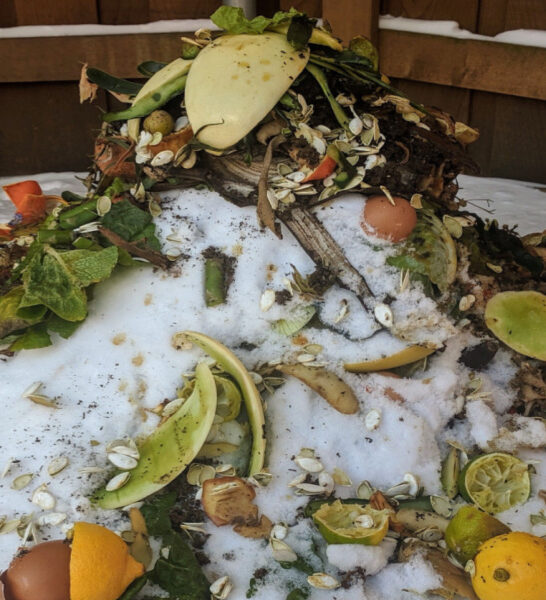
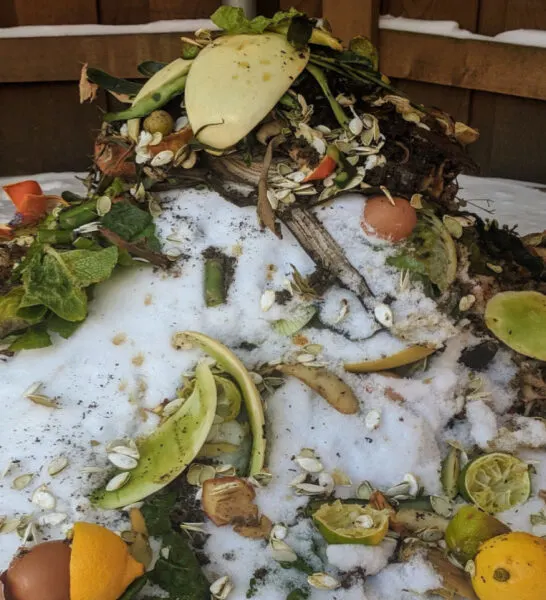
Egg shells and coffee grounds...perfect for the compost bin!

Egg shells and coffee grounds…perfect for the compost bin!

It seems that we can never make enough or have enough compost on hand at the farm.  We use a healthy scoop or two in every single planting hole and as a mulch around all of our vegetable plants.  We also use it as a main ingredient in making our own potting and seed starting soil, and in each batch of our organic compost tea fertilizer.  When we are lucky enough to have any left over – we also add and incorporate it into our raised row beds at the end or beginning of each growing season to keep them full of vitality.

The problem is that even though we compost almost everything we can from the farm and house (leaves, grass clippings, vegetable scraps, chicken manure and straw bedding, etc.) – we still run out of materials to make as much compost as we could use.  One of our goals over the last year was to begin to find additional sources of materials to make more compost, and of course, do so for free :) .

Building A Win-Win Relationship With A Local Restaurant.

We have now partnered with the first of what we hope will be several local restaurants. The Big Apple Cafe, now saves all of their coffee grounds and eggs shells for us.

big apple cafeIt is a simple process – we provide them with a couple of clean 5 gallon buckets – and they fill them up with the coffee and eggs shells they use each day. Twice a week we stop by and provide them with two clean buckets, picking up the filled ones and add them to our compost pile.  It’s a win-win for everyone.  They create less waste to have hauled away – and we get a steady supply of incredible materials for our compost pile.  It is an arrangement that we hope to duplicate with a couple of other local restaurants.  Just a note – I think it is fantastic that a place like Big Apple supports the initiative – and hopefully, more and more places can do this in communities around the country – it really is a win-win!  If you get a chance – head over to their Facebook page “Big Apple Cafe” and give them a “like” and “thank you” for helping out the cause.

The Leaf Silo…Wait…The Leaf Corn Crib….

The original silo project started out great - then the winds came....

The original silo project started out great – then the winds came….

Late last fall, those who have followed along with us will remember that we began our leaf silo project.  It was another way to take advantage of a great compost material – leaves.  We wanted to design an outbuilding that could store the tons of leaves that are free for the taking in the fall around our neighborhood.  Leaves are so abundant here in the fall – the only real problem was to create a place to store them all for use throughout the year as a main ingredient in our compost. And so began the leaf silo project – an idea to build a mini farm silo that could store the leaves.

The silo project started off great  - and in fact we had the entire carcass of the structure and the curved roof supports all built heading into late fall.  The plan was to finish it up over winter with a metal roof and then make and secure it to a foundation in the early spring.  That is where it all went south so to speak. The silo was pretty large – and from the get go after constructing it – we worried about its ability to withstand strong winds.  Twice it toppled over in windstorms in December – only to crash a 3rd time and destroy most of the intricate curved roofing cuts.

We used old barn boards to make the slats, and of course, more old metal siding to match the barn and coop.

We used old barn boards to make the slats, and of course, more old metal siding to match the barn and coop.  We added a gutter to the back of the roof, to help collect extra rain water for the garden watering tank.

The chicken coop project was completed with it's barn matching coat of stain and paint put on this past week.

The chicken coop project was completed with it’s barn matching coat of stain and paint put on this past week.

There are times to work harder and there are times to work smarter.  It became obvious that the “leaf silo” building plan had to be revised.  We really wanted to keep with the theme of using old farm style buildings to keep the look of the farm  - so we decided to use another old-time farm structure, the corn crib – to create our leaf storage unit.

The corn crib “leaf storage” structure is 10′ long x 8.5′ feet high in the front, sloping to 6′ in the back.  We installed a wire mesh floor about  a foot off the ground to allow air flow through the leaves – and then cut down old barn boards we had on hand to make the slat walls.  They too allow for air flow.  The entire structure holds about 12 cubic yards of material – or more than enough to hold about 200 large yard bags of filled leaves. The best part is we were able to re-use much of the broken silo wood frame to help create the new leaf crib structure –  and the metal siding from the silo was taken off and used for the roof of the new chicken coop!

We still have the dream of a small silo for something someday…but for now, the corn crib looks great up by the garden –  and is holding a nice supply of leaves for the coming year of composting.

The important thing for us – is the more compost we can create – the more productive our little farm and garden will be.

Happy Gardening – Jim and Mary

If you would like to receive our Gardening / DIY and Farm Updates each week – be sure to sign up to follow the blog via email in the right had column, “like” us on Facebook, or follow us on Twitter.

The Basics Of Mulch – What, Where, How and Why To Use In The Garden And Landscape

Mulching has become a huge business – in fact, it’s hard to go a few blocks in any direction without running into a store where mulch can be purchase by the bag or the truckload.

We used a combination of rock and pine bark much here to add contrast to the back wall landscape

We used a combination of rock and pine bark much here to add contrast to the back wall landscape

But what is the best mulch to use in your flowerbeds?  And what about in the garden?  Well, although there are many choices and products to choose from – we hope this article can shed some light on the basics of mulching around the home and garden.

Whether in flower, landscaping or garden beds – mulch performs 3 basic duties.  It is a soil insulator, a moisture retainer and a weed suppressor.  It can also have a 4th and very powerful use depending on the type – and that is one of a soil enhancer.  If the right mulch is chosen, over time it can add valuable organic material to your soil as it breaks down (much like compost will).

Mulch is a great insulator for  the soil, and can be a huge factor in growing large, healthy plants.

Mulch is a great insulator for the soil, and can be a huge factor in growing large, healthy plants.

Mulch is great in helping to regulate soil temperature.  It can keep the hot summer sun from heating the soil too warm, and it can keep it warmer through cool nights.  That constant temperature is a key in healthy and strong plant growth.  That is an important point, because one of the most common mistakes people make is to mulch too early in the season.  It is important in the early spring to let your soil warm up before mulching – if you don’t – laying down that layer of mulch can keep it from warming up even longer and hurt your plant’s growth.  At minimum, allow a week of warmer temperatures to go by before laying down that mulch.

Using Mulch In The Landscape:

One mulch we don't recommend is cypress - it adds zero value to the soil and can create a matted mess!

One mulch we don’t recommend is cypress – it adds zero value to the soil and can create a matted mess!

The choices for mulch in the landscape are endless.  Stone, wood based products, and even synthetic mulches are available now.  Pebble or rock-based stone products can be a good choice for mulching around large established landscape areas – that might include large to medium ornamental grasses, trees and shrubs.  They allow water to get through easily and do not have to be replaced year after year.  Just remember with stone – the added maintenance of weeding can become more difficult, and you want to use it in areas where the plants will not need constant soil improvement.

Shredded Wood based products are by far the most commonly available, and can range from finely shredded to large nugget chunks.  Some of the best choices are the shredded hardwoods that add organic material to the soil as they break down.

Litrope

Pine mulch is a great accent here for Liriope – which can handle a more acidic soil

Remember that when you select a super-shredded or fine mulch – it will tend to disappear a little quicker.  That is not necessarily a bad thing – as it adds nutrients to your soil quicker – although it may take more from your pocket-book as you need to apply it more often :) .

The one mulch we are not fans of are the cypress-based mulch products.  For one, they add very little nutritional value to the soil as they break down – and they tend to mat into one big rug of tangled mess in the beds.  That makes it hard for moisture and nutrients to get through as well.  They take forever to break down – and in general, can cause more problems than they solve.

What about the synthetic mulches now appearing on the market?  Well, beyond adding zero value to your soil, they tend to be made with rubber or plastic based materials – and for us – it’s a no-brainer to keep out of an organic landscape and garden.

As for how much mulch to apply in the landscape – in general, a 2 to 3 inch layer of mulch is the perfect amount.  Any less – and you begin to lose the soil moisture retaining and weed blocking properties that make it so important.  Any more -and you can choke out your plant’s growth.

Using Mulch In The Garden:

We use only straw, leaf and compost mulch in the garden

We use only straw, leaf and compost mulch in the garden

Our recycled "leaf"corn crib we built to store tons of leaves gathered each fall for free.

Our recycled “leaf”corn crib we built to store tons of leaves gathered each fall for free.

We get asked quite often about using bagged or bulk wood-based mulches in the garden.  I have never been a fan of it for a couple of reasons.  For one, they tend to take much longer to break down – and in the garden – we want materials that will decompose quickly and add organic matter to the beds.  Secondly, most mulch manufactures apply fungicides and chemicals to their products to help prevent mildew, mold and termite damage – and I don’t like putting them anywhere near where we grow our food.

In the garden – we like to use  3 basic forms of organic mulch – straw, shredded leaves and compost. All 3 are terrific retainers of moisture, and the shredded leaves and compost can both be had for free.  It is one of the reason we built our new leaf “corn-crib” storage bin – so that we could store tons of leaves each fall to use throughout the gardening season.

We use straw in our walking rows to keep weeds to a minimum, and then use shredded leaves and compost right up around our plants.  The compost / shredded leaf mix really helps to retain moisture, and it breaks down quickly, adding those valuable nutrients to the plants.  For us – it is the perfect garden mulch.  We put about a 1 to 2″ layer of finished compost about 6″ inches in diameter around the base of each plant.  It really does wonders in helping our plants to need less watering, and keeping competing weeds out!

Happy Gardening!

Mary and Jim

If you would like to receive our DIY & Gardening Tips every Tuesday – be sure to sign up to follow the blog via email in the right hand column, “like” us on Facebook, or follow us on Twitter

How To Grow Asparagus

There is nothing like having fresh asparagus from your own garden!  Asparagus is just one of those crops that no matter how fresh it may look or feel in the supermarket – the taste of home grown can’t be beat!

There is nothing like fresh picked asparagus from the garden!

There is nothing like fresh picked asparagus from the garden!

Asparagus is different than most of the vegetable crops planted in the garden.  Unlike annual varieties such as tomatoes, cucumber and peppers that need planted each year – asparagus is a perennial.  Once established, they can provide a good crop for 20 to 25 years for you and your family to enjoy!

They also differ because plants are either male or female.  The males are known to have larger and more abundant spear production, while the female varieties tend to be thinner and produce seeds in the fall for reproduction.   Most prefer to plant only the male for the added production levels.  Popular male varieties such as Jersey Giant and Jersey Knight are great choices for those looking for maximum yields.

Asparagus can be started from seed or from what are called crowns – which are nothing more than the roots of 1 to 2-year-old asparagus plants.  Most, (including us) really prefer starting them with the crowns and not from seed.  Growing from seed can take up to 2 to 3 years to have edible spears formed – while starting with crowns can give you a few spears to enjoy by the second year.  It’s also easier to start and maintain the crowns – as their growth is more defined early on, making it easier to keep weeded.

How To Plant :

The first spear of Asparagus breaking through the soil

The first spear of Asparagus breaking through the soil

With the long crop cycle of 20 or more years – it is important to prepare your bed space accordingly.  Work in generous amounts of compost to the soil before planting to provide a good starting base for your crop.  Asparagus will do best in a nice, sunny location.  They can tolerate some partial shade, but grow and thrive much better with full sun.

To plant asparagus, you will want to dig a trench about 6″ deep and about 8″ wide.   We like to space ours about 18″ between crowns.  Place the crown at the bottom of the trench, and cover with about 2″ of topsoil.  As the crown begins to grow through the soil, keep adding a few inches of soil until the soil level has filled in the trench over the course of a few weeks.  This process allows the asparagus to develop a deep root system to provide for years of crop harvests.

In the first year, allow your asparagus to grow tall and wispy to generate good root growth

In the first year, allow your asparagus to grow tall and wispy to generate good root growth.

For your first year, allow the plants to grow tall.   Resist the temptation to cut a few spears –  you want all of the growth to go to the plant and root structure.  In the fall after they have died off, you can cut them off about 1″ above the soil and place a little straw or compost mulch over them for the winter.

In year two, you will begin to see some small spears shoot through the earth in the spring. You can harvest the first week or two of spears, then allow the plants to once again grow tall and build up strength.  The year 2 spears will be smaller, but still very tasty!

Year 3 is where the fun begins!  You should be close to full harvest – enjoying fresh spears each and every spring for many years to come. After each spring harvest, let your asparagus grow tall in the beds and repeat the process of cutting back after they have died off in the fall.

Upkeep and Maintenance of Beds:

Add a few inches of compost to your beds  as a mulch each fall to keep them growing strong.

Add a few inches of compost to your beds as a mulch each fall to keep them growing strong.

The biggest key to good productive asparagus is to keep your beds weed free. Weeds and grass compete for valuable nutrients, and a weedy bed will result in smaller, less productive harvests.  We use either straw or compost mulch to keep ours weed-free throughout the year.  It’s also a good idea each fall to put on a two-inch covering of compost on top of your beds to give some added nutrients. Other than that - once established, your asparagus beds will provide you with years of fresh and amazing tasting crops each spring!

Happy Gardening!  - Jim and Mary

If you would like to receive our DIY & Gardening Tips every Tuesday – be sure to sign up to follow the blog via email in the right hand column, “like” us on Facebook, or follow us on Twitter.

The Straw Bale Pallet Crate Garden – Simple, Attractive – And Cheap!

A simple crate planter made from pallets and using a straw bale for a growing medium

A simple crate planter made from pallets and using a straw bale for a growing medium

So you have little space, little time, little money and you still want to garden.  Or maybe you would like to add a great looking focal point to your existing garden or landscape to grow something unique.   Even better, maybe you know of someone who still likes to garden but can’t get out or handle as much of the physical activity anymore.

Here is a great solution to all three!  Create your own Pallet Straw Bale Crate Garden.  It’s attractive, simple to build, and best of all, low or no cost to make.

To build on the cheap, you can create the straw bale frame using the slats from a single pallet

To build on the cheap, you can create the straw bale frame using the slats from a single pallet

With a single pallet, (3) 2x4x8′s, a bale of straw, and a bag or two of soil and compost – you can create an instant garden space that can provide fresh vegetables or flowers all summer long.

You can purchase all the materials you need for under $15.00 – or build for virtually free using pallets and scrap lumber.   We made a few single bale boxes last week for our garden – and will use them along our fence row to grow our cucumbers in.  You can also double the measurements to make a double bale box and plant to your heart’s content.

The straw bale crates have a lot of built-in advantages!  They are easy to maintain – with little weeding ever needed.  The 2’ high design lends itself to less stooping and bending while tending, and the combination straw, compost and soil make for a great instant growing medium – without the hassle of digging up the earth.

The best part of all – at the end of the season – you can add all of the contents to the compost pile –or start a compost pile right in the pallet box to have fresh compost next year when you’re ready to grow again!

Here is how we made ours:

Start by assembling 2 rectangle frames from scrap wood or 2 x 4's.

Start by assembling 2 rectangle frames from scrap wood or 2 x 4′s.

Next - attach the two rectangles with four of your slat boards in each corner

Next – attach the two rectangles with four of your slat boards in each corner

Next - screw in additional slat boards to create the crate "look".

Next – screw in additional slat boards to create the crate “look”.

Materials List:

(1) Straw Bale
(4) 2 x 4 x 20”
(4) 2 x 4 x 44”
(1) Pallet – for vertical boards – be sure to use untreated pallets to be “food safe”
(1) bag of compost – substitute your own for free material
(1) bag of topsoil – substitute your own for free material

***The straw bales we use measure 20″ wide, 18″ high and a little less than 46″ long. Bales can vary in length – so be sure to measure your bale to adjust the length and width of frame boards.  You can also reference our previous post’s on How To Disassemble A Pallet Quickly, and How To Make Your Own Compost for more info.

Building The Garden:

Assemble 2 rectangles from your 2×4’s – screwing or nailing together 2 of the 20” pieces and 2 of the 44” pieces.   Once you have both rectangles together – use your pallet boards to attach vertically to connect the two rectangles to create your straw bale box.

We cut our pallet slat boards into 18″ lengths, (we got about 2 boards for each slat) and then screwed them into the inside of the two frames to form the crate. The spacing is up to you – we put about 4” between each board for ours – we wanted the look of an “old-time” crate.

Planting The “Garden”

Next -use a sharp knife, reciprocating saw or shovel to dig out a 6 to 8" planting hole

Next -use a sharp knife, reciprocating saw or shovel to dig out a 6 to 8″ planting hole

Simply place your plant in the hole and cover with more soil.

Simply place your plant in the hole and cover with more soil.

We like to put a layer of compost or mulch over the top of the bale to complete the look.

We like to put a layer of compost or mulch over the top of the bale to complete the look.

Now it’s easy – place the bale down inside the frame – you may need to wiggle a little and cut a little off here and there to get it to fit depending on the size of the bale.

Simply use a sharp knife or blade to cut out your planting holes – we went about 8” deep and 5” around– filling them with a good mixture of garden soil and compost.  Plant, cover up, water – and the garden is in!  Depending on what you plant – you can fit in 5 to 6 tomato plants, or a combination of pepper and tomato plants per bale, etc.  You can plant a little closer than traditional garden rows because of the raised beds.  Only your imagination is the limit to what you want to grow!

You will get some compression of the bale as the season progresses – the bale will slowly decompose, giving even more nutrients to the plants.  Your plant and roots will thrive in the soil, compost and straw because the garden is off the ground – there will be very little weeds that develop, and should be easy with the added height to pick and maintain.

End of the Season :

If you have a compost bin already set up – you can certainly take the contents and throw them into the pile.  The decomposed straw and soil mixture are great for a pile – adding a lot of carbon material. If not – use the crate box as a compost bin!  Mix up the bale and contents right in the pallet box structure – and start adding some shredded fall leaves, coffee grounds,  vegetable scraps , lawn clippings and more.  By next spring – you will have enough compost made to use in the next bale for planting, with extra if you need it.

So how about trying a straw bale pallet crate garden this year!  And if you have a neighbor or relative that loves garden but finds it difficult now – it’s a great gift to let them have their very own garden

Happy Gardening – Jim and Mary

If you would like to receive our DIY & Gardening Tips every Tuesday – be sure to sign up to follow the blog via email in the right hand column, “like” us on Facebook, or follow us on Twitter.

Shared On Gnowfglins

Top view of the zucchini straw bale pallet crate planting.

Top view of the zucchini straw bale pallet crate planting.

5 Ways To Use Compost Effectively In Your Garden and Landscape

Compost is the key to healthy, beautiful and productive plants and flowers.

Compost is the key to healthy, beautiful and productive plants and flowers – like this knockout rose at the farm.

Almost everyone has heard about the incredible benefits of compost. In fact – everyday – more and more people are starting backyard compost piles and bins to create their own “black gold”.

Compost is THE key in adding healthy nutrients to your soil naturally! It’s full of life and teeming with beneficial bacteria and organisms that can help keep your soil productive.

But what is the best way to use it once you have it?  Here are 5 ways we use compost to keep our plants growing strong and healthy – and keep our soil fertile:

1. When You Plant

Using compost in your planting holes can get your vegetable plants off to a great start

Using compost in your planting holes can get your vegetable plants off to a great start.

This is number 1 on the list – and for good reason!  There is simply no better way to get your plants off to a great start than working in compost at the time of planting.  No matter what we are planting –  flowers, annuals, perennials, shrubs or vegetables in the garden - we mix in generous amounts of compost to the hole!

For our tomatoes, peppers, cucumbers and other vegetable plants – we fill each hole with a good shovel-full of compost before we drop in the plants.  With our apple trees and grapes – we use a 50 / 50 mix of soil and compost to go back in the hole.  It is the single best way to give added nutrients to your new plants. The compost helps hold in moisture, and gives valuable nutrients to the to roots of developing plants.

2. To Make Your Own Incredible Potting Soil

If you want to keep your hanging and potted plants looking great year after year - you need to recharge that soil!

Make your own incredible potting soil from your compost!

If you want to save money and have your hanging baskets and potted plants go crazy with growth – use compost!  We make all of our own potting soil with a mix of 4 parts compost, 4 parts topsoil and 1 part sand.  It becomes the perfect medium for growing all of your potted planters, hanging baskets. and containers. The best part of all – it can save you loads of money!

What about those commercial bags that contain slow release fertilizers to help?  You simply don’t need them with good soil. With the added nutrients of the compost in the mix – your plants will grow strong.  And when you do want to give a little boost of all natural fertilizer – try the next tip!

3. To Make Compost Tea – The Amazing All-Natural Liquid Fertilizer

You can make your own organic fertilizer "compost tea" - simply by steeping water in fresh compost!

You can make your own organic fertilizer “compost tea” – simply by steeping water in fresh compost.

Compost tea or “black liquid gold” is an all organic “miracle-growing” solution to fertilizing the garden – minus the chemicals and high salt content that commercial fertilizers add to your soil. It works its magic in two ways – feeding your plants through the roots (soil zones around plants) and the leaves (foliar zones). Unlike synthetic fertilizers, it won’t build up chemicals and salt levels that can slowly destroy your soil structure.  Instead, adding nutrients that build it!  You can see how we make our’s here :  Making Compost Tea.

We apply with a watering can or a simple garden sprayer – soaking the area around the root base and the leaves of each plant with the solution.  The minerals and nutrients are then absorbed through the leaves (foliar absorption) as well as through the root zone – doubling the effect.  As with watering, it is best to apply early in the day before the sun is too hot and the tea can burn the leaves of plants.

4. As A Mulch

a 1 to 2" mulching around your garden plants can pay huge dividends

1 to 2″ of compost as a much around your garden plants can pay huge dividends.

Compost is simply incredible to use as a mulch around your plantings!

We mulch all of our annual plantings with an inch or two layer of compost about 6″ in diameter around each and every plant.  Not only does the compost act as the perfect mulch, keeping moisture in and weeds out – but it also adds valuable nutrients as it breaks down in the soil.

Another benefit – every time it rains or you water – those nutrients are leached out of the compost and into the soil around your plants – feeding them even more.  It’s the ultimate win-win of composting and mulching.

5. As A Fall Or Spring Top Dressing:

We incorporate 3" of compost into each bed in late fall or early spring each season - keeping our beds productive.

We incorporate 3″ of compost into each bed in late fall or early spring each season – keeping our beds productive.

If you make enough compost – you can use it as an excellent top-dressing for your garden beds each year.  Every fall or spring, (or both if you have enough) we like to add a 2 to 3″ top-dressing of compost to all of our raised row beds.  We then will work it in easily with  a pitchfork or shovel and incorporate it into the top 6 inches of soil.  Each and every year, our soil becomes easier to work and more fertile with the added compost.  Even if you can only make enough to put an inch or so on top of your beds to work in – it will pay huge dividends over time to increase your soil’s fertility and vitality.

There you have it – 5 ways to use compost in your garden and landscape this year!  Time to get composting!  You can find more tips on how to compost here – Composting 101

Happy Gardening – Jim and Mary

If you would like to receive our DIY & Gardening Tips every Tuesday – be sure to sign up to follow the blog via email in the right hand column, “like” us on Facebook, or follow us on Twitter

ALL ABOUT PEPPERS…How To Grow All Kinds Of Peppers In Your Garden

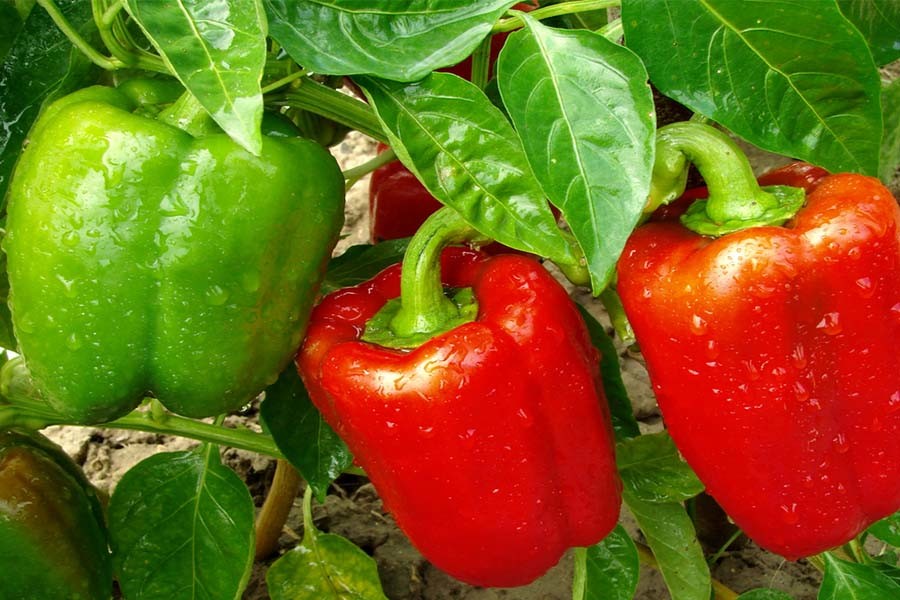
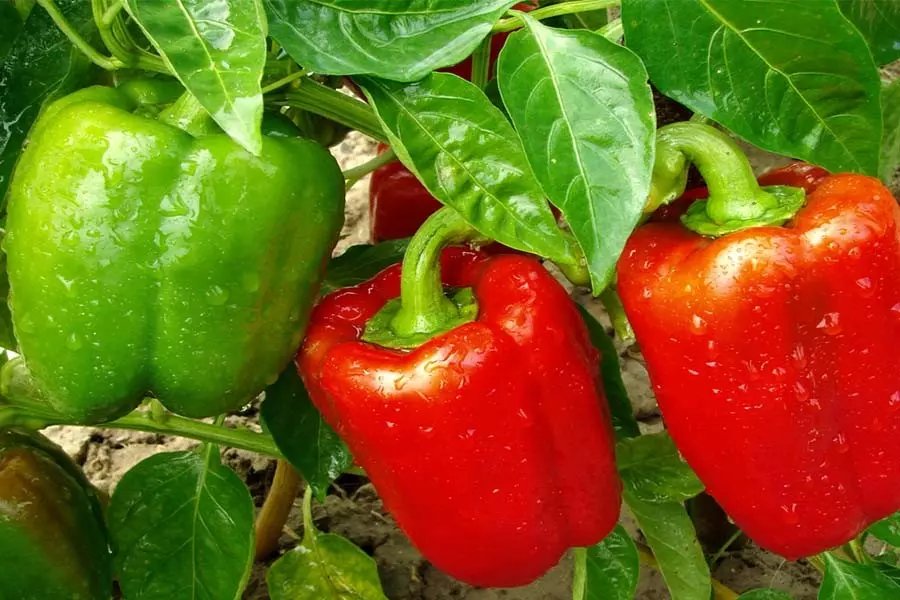
A green bell pepper glistens just after a rain at the farm

A green bell pepper glistens just after a rain at the farm

Last year was a banner year for peppers in our garden!

Last year was a banner year for peppers in our garden!

Take a stroll down the produce aisle at your local grocery store and you will quickly notice that peppers have grown in popularity.  No longer are we stuck settling for just the so-called “Traffic Light” varieties – those green, red and yellow bell peppers that seemed to be about the only choices we had growing up.

Peppers are now grown in hundreds of different sizes, shapes and colors – all with their own unique taste.  Whether you prefer sweet peppers, savory peppers, mild peppers, ornamental peppers or our personal favorite, hot peppers  - you can add beauty and taste to your garden and landscape by planting your own this year.

We devote a large part of our garden to growing peppers – and with good reason! We use them fresh on sandwiches, in salads, salsa and soups – or simply to eat on a veggie plate.  Add to the mix stuffed peppers, grilled peppers and tasty appetizers – and you can make quite a few tasty meals from the humble pepper.  And that’s just on the fresh side! We dry many of our excess peppers to also use in our hot and spicy tomato juice, ground hot pepper flakes, chili powder, and dried chipotle peppers that we make each fall.  (Click Here For Recipes)

Here are some tips on planting and growing all kinds of peppers – along with the low down on a handful of our favorite varieties that we grow:

Growing Peppers: 

Peppers, like tomatoes, grow in well drained fertile soil

Peppers, like tomatoes, grow in well-drained fertile soil

Almost all peppers have the same requirements for successful growth.  Plant them in good, well-drained, fertile soil – and make sure they get lots of sunlight and a good inch of water per week.  In many ways, they mimic the same requirements needed for growing great tomatoes.

At Planting Time:

We plant all of our peppers with a good shovel full of compost in the planting hole, and then give them a good dose of compost tea every few weeks for the first 6 weeks of growth.  We also mulch around each of our pepper plants with a good 1 to 2″ thick layer of compost.

Peppers need support just like tomatoes do.  Our banana peppers growing strong with the support of a cage

Peppers need support just like tomatoes do. Our banana peppers growing strong with the support of a cage

Provide Support:

We all spend time and resources setting up cages and stakes for our tomatoes – why not peppers?  Peppers need some support too!  We actually use a smaller version of our stake-a-cage method to support our peppers and keep them upright and growing strong.  No matter what you use – provide some support for the plants and peppers to grow strong.

Pruning:

Don’t be afraid to cut back a wayward branch.  We prune off the bottom foliage from our pepper plants to allow a little light into the plant and to keep pests at bay. Peppers are notorious for breaking off if a branch becomes weighty or too full of peppers.  So don’t be afraid to prune a little to keep them growing strong.

The Mini Bell Peppers have proven to be a great addition to the garden.  Beautiful colors and super sweet to eat.  The orange peppers in the picture are our Tequila Sunrise - they pack the heat!

Pick those peppers!  Keep picking your plants to keep new peppers developing

Pick Those Peppers!

To keep your plants producing all season long – keep them picked!  Pepper plants will continue to produce new peppers as long as you keep the stocks picked. The more tasty veggies you pluck from the plant – the more the plant will continue to spend its energy making more.

Our Favorites:

Besides the workhorse green bell pepper – here are some of our favorite varieties that we plant, along with some tips on how we use them in the kitchen:

Marconi Pepper

Marconi Pepper

Marconi Pepper - This quickly became one of our favorites last year for grilling and stuffing.  It is considered an Italian sweet-style pepper – and therefore no need to worry about the heat with this one.  It has fantastic flavor and the heart meaty thick walls stand up well to grilling and baking.  It was a big producer in our garden last year – and we picked them both green and red with good results in the kitchen.  These will definitely need to be staked – as the peppers grow big and heavy.  With their sweeter flavor – they are actually delicious to just slice up and serve on a vegetable tray as well.

Italian Roaster

Italian Roaster

Italian Roaster - If you were to make a hotter version of the Giant Marconi – then the Italian Roaster would be it!  A really thick-walled and tasty pepper, they seem to get much hotter when left to turn red on the vine.  The green ones are delicious and still pack a little heat – but as they turned red in our garden – we definitely noticed a turn up in the heat!  This is another variety that you will definitely want to provide support for.  We grew them for the first time last year, and the plant produced well all year long, and the peppers became very heavy on the branches.

The Cajun Belle Pepper

The Cajun Belle Pepper

Cajun Belle -   The Cajun Belle is the ultimate pepper to have if you love the combination of sweet with heat.  They average about 2″  in size, and have a seed core that is easy to remove.  They make an incredible stuffed appetizer, are great to chop up in salads and salsa or chili, or to use on a sandwich.  An added benefit of the Cajun Belle – they  freeze really well and are great to pull out for use during those cold winter months.   The plants are absolutely beautiful in the garden or landscape – filling up with 50 or more brightly colored peppers ranging from green to orange to bright red when fully ripe.

Hungarian Wax

Hungarian Wax Pepper

Hungarian Sweet Wax Peppers –   These are a massive producer of 4 to 6″  long  sweet peppers. Peppers will  turn from light yellow to a deeper red and even orange when they mature. They are amazing on salads, sandwiches, and do well as a grilled sliced pepper for brats.  The plants themselves grow to around 24″ in height. We grow both a   sweet variety and the hot yellow wax pepper to use in  Mary’s hot pepper mustard.

Sweet Mini Bell Peppers

Sweet Mini Bell Peppers

Mini Belle Peppers - These plants will grow to be about 18″ to 24″ high and are covered in tons of 1″ to 2″ mini bell peppers at a time.  They have a super small seed core that is easy to remove, and are perfect for salads and salsa.  This is also one of our favorite peppers to use for making  great appetizers.  We use a good spicy sausage and cream cheese stuffing that makes for an incredible paring with the sweet taste of the peppers.   They look great in the landscape too as an accent plant – adding a splash of color wherever you put them.

Mariachi Pepper

Mariachi Pepper

Mariachi Pepper - Another sweet-heat type pepper that almost has a fruity taste to it.  I would classify this pepper more as a sweet and fruity pepper than as a hot pepper.  It turns from green to yellow to red – and can be picked at the yellow or red stage with the same great flavor.  The plants are about 24 to 30″ in height and stay strong all year – producing peppers as long as you keep picking. Great in salads and salsa, or a sandwich – and perfect to grill or stuff.  We also dried some last year and added to our own mixture of dry spice.  If they are well watered and it is a cool summer - they tend to be more on the mild side.  With less water and more sun and heat – they turn out with a little more kick!  Another one to support with a stake or cage.

Poinsettia Pepper

Poinsettia Pepper

Poinsettia Peppers - These are actually classified as an ornamental pepper – but they have a fiery hot taste and look great in the landscape or garden.  Poinsettia peppers grow to about 16 to 24″ tall – with the pods coming on in late June.  Each plant is covered in hundreds of the pepper pods.  They start out as an ordinary slim green pepper – and then turn to an incredible fiery deep red from early August until well after the first frost.  They are a tasty little pepper that can be added to stir fry to give off some deep heat – or you can put them in olive oil to have hot pepper oil.  Poinsettia peppers are another easy seed to save and require little maintenance

Happy Gardening – Jim and Mary

If you would like to receive our DIY & Gardening  Tips every Tuesday – be sure to sign up to follow the blog via email in the right hand column, “like” us on Facebook, or follow us on Twitter

Shared On Gnowfglins

Tips For Planting Cool Weather Spring Crops

Early season radishes can go from seed to table in as little as 21 to 18 days!

Early season radishes can go from seed to table in as little as 21 to 18 days!

Sugar snap peas are among are favorite of the early season crops!

Sugar snap peas are among are favorite of the early season crops!

It seems like it took forever to get here – but for those of us in the Midwest – the early planting season for cool loving crops is here!

Peas, lettuce, green onions, radishes, carrots and more are ready to start sowing into the ground here  - and with a little planning, you can have fresh food on the table in just a few weeks until late fall!

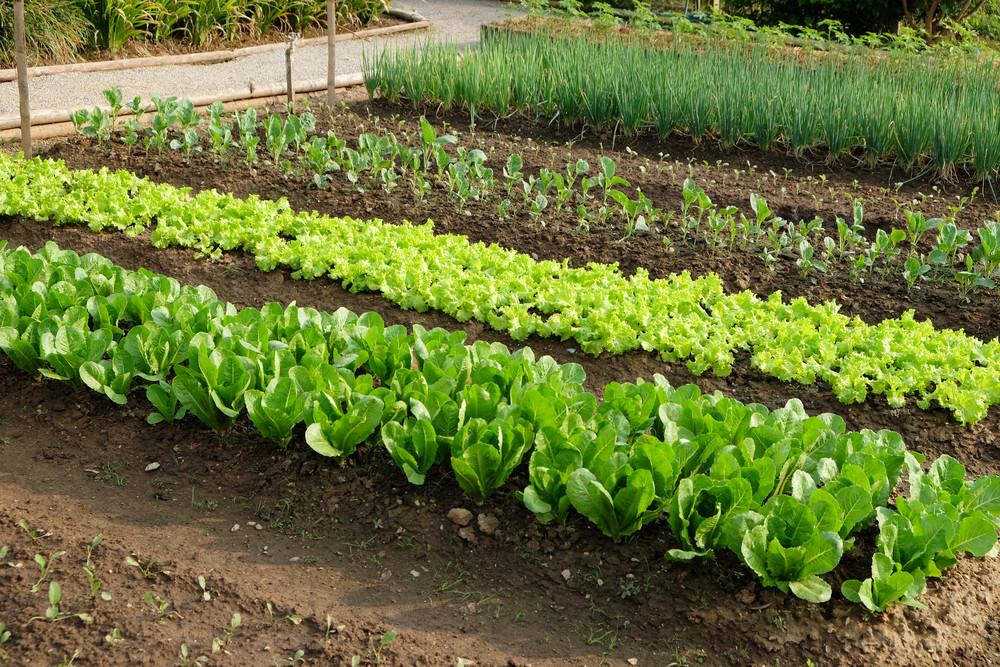
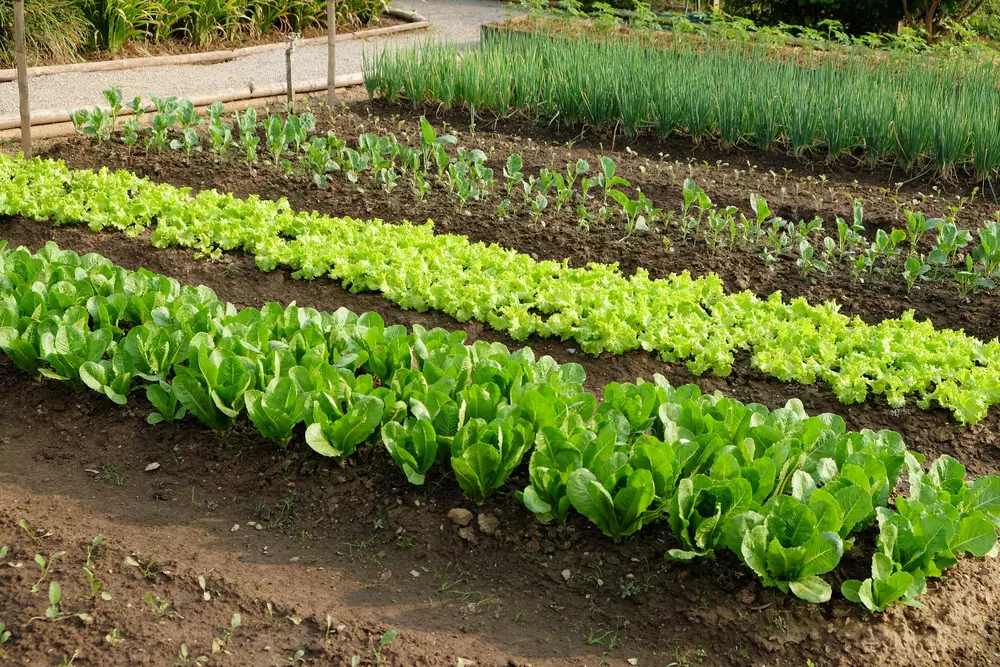
Cool loving spring crops are a great way to ease into planting – and almost all of them can be directly sown into the garden or raised beds, making for an easy process.

Some crops, like radishes and lettuce can actually go from seed to table in as little as three to four weeks!  Others, like spring onions are right behind them.  The key to successful spring crops is to get them in the ground early enough that they can come on before the hot summer sun season takes it’s toll.

Tips For Successful Germination Of Seeds

Spring Onions or Green Onions are an easy grow - and great for salads, dips or eating!

Spring Onions or Green Onions are an easy grow – and great for salads, dips or eating!

Once they are established, mulching is the better option than tillingor between rows.  Here carrots benefit from straw mulch - keeping in moisture and keeping back weeds

We only mulched after the seedling are established – letting the soil warm up and germinate the seeds without interference.  Once up -mulching is the better option than tilling or hoeing between rows. Here carrots benefit from straw mulch – keeping in moisture and keeping back weeds

Spring crop seeds and bulbs like onion sets, can always use a little help in germinating.  The first step is to provide loose, well drained and fertile soil.  The best way to do that – add and use compost!  We like to furrow out a small trench to the required depth, add a little compost to the trench, drop in the seeds or bulbs and apply a little water in the trench before covering it back up with more compost and soil.  Once covered, we water the surface again as well.  It allows the moisture in the soil to build and hold around the seed, and speeds germination.

Hold Off Directly Mulching The Plants:

If you follow are blog – you know how much we love to mulch – but this is one time it’s better to wait!  The soil has not warmed up yet in most parts – so leaving it exposed while they germinate is a good idea.    Keeping the mulch directly off the plants also allows them to not work harder in order to come up through the ground.  We do however still mulch the walking rows, etc. to keep out unwanted weeds – only leaving bare the direct soil area of the seeds that were planted.

Once plants germinate and become established – we will then apply some compost mulch right around the seedlings, which not only prevents weeds but helps to fertilize the plants every time it rains or you water.

Keep Them Watered and Give Them A Boost With A Little Natural Fertilizer:

Crops sewn directly into the soil like carrots benefit from rich,.well drained soil and plenty of water

Crops sewn directly into the soil like carrots benefit from rich,.well drained soil and plenty of water

Speaking of water – its important to keep the soil moist with spring crops.  With their quick growth cycle, they need to stay hydrated.  Nothing special, just don’t let more than 3 or four days go by without a gentle watering to keep them growing strong.  Once our seedlings are up and established for a week or two – we like to give a quick boost with a little compost tea fertilizer to help boost along the growth.  Usually one dose is all it takes to help them grow quick and strong.

Succession Planting – The art of planting what you will need – when you will need it.

Succession planting – it is the key of all keys to keeping fresh vegetables on your table all throughout the spring, summer and fall.  Unless you are growing for the entire neighborhood – you will want to stagger plantings of your early crops to insure that you have fresh goods for your dinner table throughout the whole spring.  There is nothing more disheartening that having a tremendous crop of lettuce, radishes or peas – only to have them for just a few weeks.

Radishes are an easy grown ,a d germinate easily in the cool conditions of spring

Radishes are an easy grow ,and germinate easily in the cool conditions of spring

We plant a couple of rows or half rows – depending on how much we will eat –  then repeat a duplicate planting about 10 to 14 days after the first.   That way, we have fresh veggies coming on throughout the entire season.

It also allows us to switch to more heat tolerant varieties as the season progresses.

A great example is lettuce.  We will plant Black Seeded Simpson lettuce now and for the next few weeks – it is ready in about 40 to 45 days and loves cool weather – and then as the summer heat picks up, our later varieties like Vivian and Iceburg (70 to 85 days) are ready to harvest. Then as we head into fall, we go back to seeding and planting the early season varieties that love the cooler weather and we stay in fresh salads throughout the spring, summer and fall.  The same goes for peas, beans, radishes, etc.

Concept - a Summer Crisp lettuce is a great choice to sow in late spring because it can tolerate more heat than most lettuce types

Concept – a Summer Crisp lettuce is a great choice to sow in late spring because it can tolerate more heat than most lettuce types

So get out there and get those gardening gloves on and get some spring crops in – the rewards can come in just a few weeks and you will be on your way to a successful garden season!

Happy Gardening – Jim and Mary

If you would like to receive our DIY & Gardening  Tips every Tuesday – be sure to sign up to follow the blog via email in the right hand column, “like” us on Facebook, or follow us on Twitter

How To Make And Use Compost Tea – The Ultimate Organic Fertilizer

Compost tea is the perfect way to boost your plants growth and obtain higher yields – NATURALLY. Better yet, you can make it for free using your own compost!  We keep our garden productive year after year by following a simple and organic three prong approach.  We use compost (composting 101) and cover crops (planting cover crops) for building great soil structure and vitality - AND  we boost plants during the growing season with a simple homemade natural liquid fertilizer on our plants called compost tea.

Compost Tea takes full advantage of the rich fertile nutrients in compost.

Compost Tea takes full advantage of the rich fertile nutrients in compost.

All you need to make your own compost tea is a couple of shove fulls of compost, A 5 gallon bucket and water

All you need to make your own compost tea is a couple of shove fulls of compost, A 5 gallon bucket and water

Compost tea or “black liquid gold” is the all organic “miracle-growing” solution to fertilizing the garden – minus the chemicals and high salt content that commercial fertilizers add to your soil. It works its magic in two ways – feeding your plants through the roots (soil zones around plants) and the leaves (foliar zones). Unlike synthetic fertilizers, it won’t build up chemicals and salt levels that can slowly destroy your soil structure.  Instead, adding nutrients that build it!

If you follow along with our blog, you know how important compost is in building healthy soil. We add large amounts of compost to all of our planting beds each year, as well as a good shovel full in every single planting hole.  Well, that compost, made from our decomposed vegetable scraps, chicken manure, grass clippings, coffee grounds, and more – is teeming with all-natural, plant-boosting nutrients.  By converting those nutrients into a liquid form – we can utilize those nutrients as an organic fertilizer to naturally boost plants growth through the growing season.

How we use it:

Compost tea provides vital nutrients for strong, healthy plants like this tangerine orange pepper plant in our garden.

Compost tea provides vital nutrients for strong, healthy plants like this tangerine orange pepper plant in our garden.

Compost tea works through absorption via the leaves and soil

Compost tea works through absorption via the leaves and soil

Compost Tea can be applied about every two weeks to your garden plants once plants and transplants have become established. By established, we simply mean that they have been in the ground 7 to 10 days and are over the initial shock of transplant.

We apply ours with a watering can or a simple garden sprayer – soaking the area around the root base and the leaves of each plant with the solution.  The minerals and nutrients are then absorbed through the leaves (foliar absorption) as well as through the root zone – doubling the effect.  As with watering, it is best to apply early in the day before the sun is too hot and the tea can burn the leaves of plants.

We repeat the compost tea applications every two weeks until about mid July.  Why stop? Too much of a good thing can also be bad. You want plants to develop strong roots and stems – but too much and the plant will spend all of its energy creating thick foliage and not much fruit.  We have found that 4 to 6 total applications seem to be the perfect mix for giving plants the boost they need for good higher yields. The best part – its 100% natural, with no fear of having to use any chemicals in your garden.

How we make it:  

There are many ways to make compost tea – but we have found this method to be easy, effective, and most importantly, simple!

BASIC COMPOST TEA RECIPE:

Start by filling a clean bucket 1/3 full of compost

Start by filling a clean bucket 1/3 full of compost

Next, fill the bucket to within a few inches of the top and stir thoroughly.

Next, fill the bucket to within a few inches of the top and stir thoroughly.

Let the mixture steep for 5 to 7 days, stirring a few times each day.

Let the mixture steep for 5 to 7 days, stirring a few times each day.

Strain the mixture through a strainer or cloth after 5 to 7 days.

Strain the mixture through a strainer or cloth after 5 to 7 days.

You will need a 5 Gallon Bucket, stir stick, water, and a few shovel fulls of finished compost.

Start by filling your bucket about 1/3 full of compost.  Use compost from the bottom of your pile, where organic matter has decayed the most and is teeming with life.

Next – fill the bucket to the within an inch or two of the top with water.  It is best to use well water (we use our rain water) because there will be no chlorine or other chemicals. Chlorine can kill off many of the helpful bacteria and organisms that are alive in compost.  If you only have access to city water, no worries – simply fill the bucket a few days in advance and let sit outside.  The sun and air will work its magic and within a few days, almost all of the chlorine will be gone.

Stir the compost good with a stick or the end of your garden shovel.  Over the course of the next 5 to 7 days, stir the bucket a few times each day.  This aeration of the water and the stirring of the compost helps to release more nutrients into the water, much like dunking a tea bag releases more tea into your drink.

At the end of 5 to 7 days, simply strain the mixture through a piece of burlap, mesh screen or a strainer, and you are left with the magical liquid gold fertilizer called compost tea!

Store in an air tight container to keep the “liquid gold” at it’s best nutrient levels.

Bonus Info:

You can get a little more fancy in your compost tea making if you desire.  It has been shown that adding a simple aquarium pump to the bucket and letting it run to percolate the mixture will increase the potency of the finished mixture, and can be completed in as little as 2 days.  Others also add molasses or sugar to the mixture to increase the absorption of the water and organisms.

Although not appetizing to drink -compost tea is great for your plants!

Although not appetizing to drink -compost tea is great for your plants!

However, for us, the simple bucket and stirring method has certainly worked wonders for our garden.  Besides, the extra few days we let ours steep in the water is worth not having to go through the trouble of setting up a pump, wires, etc. For us, keeping it simple is the key!

So how about trying your own liquid gold this year and get those plants growing big and strong!

Happy Gardening – Jim and Mary

If you would like to receive our DIY & Gardening Tips every Tuesday – be sure to sign up to follow the blog via email in the right hand column, “like” us on Facebook, or follow us on Twitter