How To Start Seeds Indoors - 6 Simple Secrets To Grow Great Transplants From Seed!
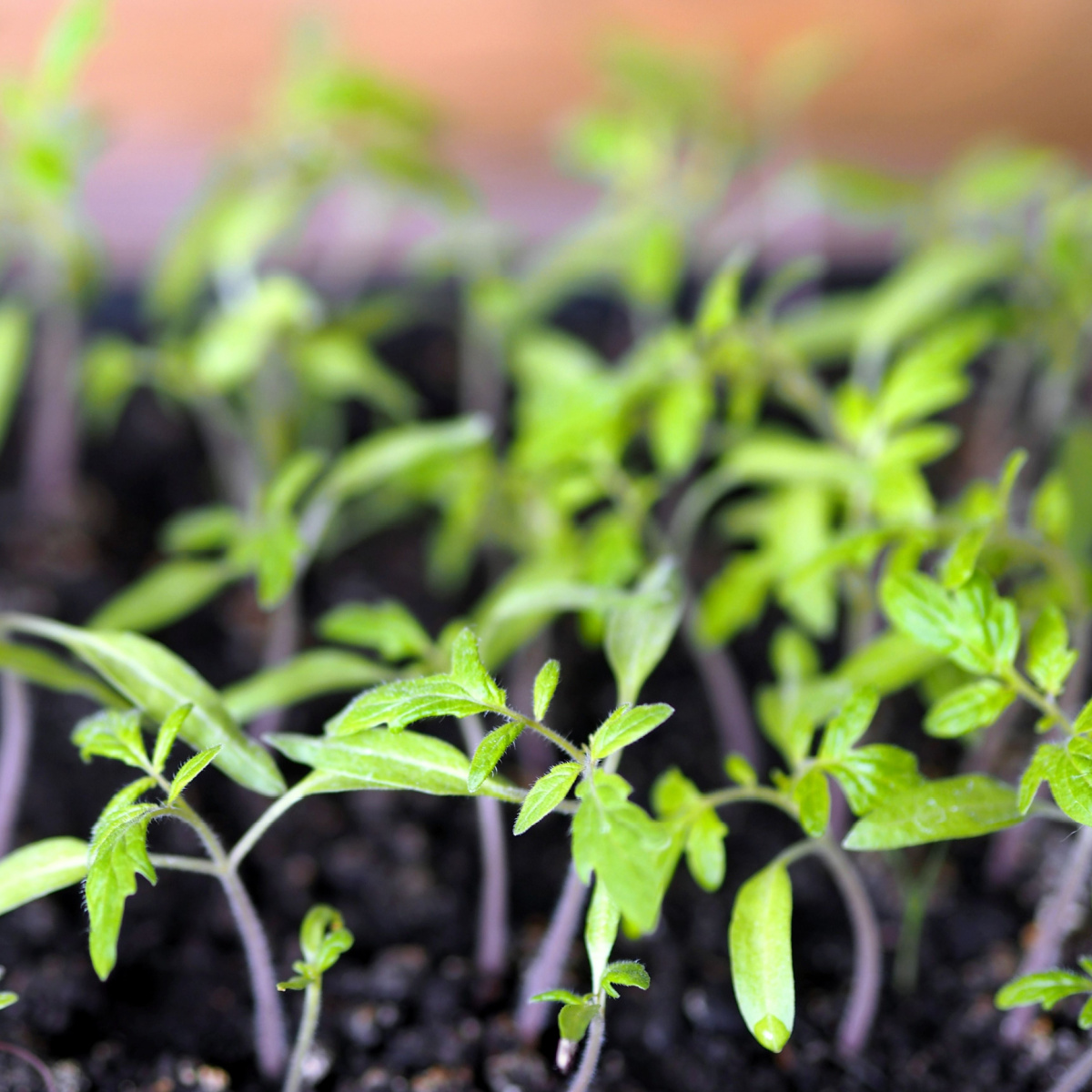
There is nothing more exciting and rewarding than learning how to start and grow your own vegetable and flower plants from seeds indoors.
We have been growing most of the plants for our garden and flowerbeds on our farm for well over a decade now. For us, there are just so many advantages to starting your own plants from seed, we simply can't imagine doing it any other way.
For starters, growing from seed is extremely economical. In most cases, you can purchase an entire pack of seeds for less than the cost of a single plant. And when you consider you can usually save seeds from the plants you grow each year to plant again the following year - that savings can be huge.

But starting your own seedlings has more advantages than just saving money. It also opens up your growing world to plants big box stores and nurseries don't carry. After all, stores stick with the basics when it comes to vegetable and flower plants, stocking only the most common and popular of varieties for sale. But when you grow your own, the sky is the limit!
The Biggest Reason To Start Your Own Seeds Indoors
But perhaps the biggest and best reason to grow your own seedlings is because it's so easy to do! The process is actually extremely simple. And contrary to what many think, it doesn’t require a lot of work, space, or a big investment in special lights or equipment.
In fact, with just a simple homemade seed starting stand and inexpensive LED shop lights, we grow hundreds of plants for our garden and flowerbeds in the tiniest of space in our home.
How To Start Seeds Indoors Like A Pro!
Success when growing your own plants from seed really comes down to following six simple tips and tricks - and it all begins with making sure you are starting your seeds at just the right time.
#1 Starting Seeds At The Right Time
When to start seeds indoors is always the million dollar question. For most typical vegetable and annual flower plants, we like to use 8 to 10 weeks as the standard count back date.

This accounts for one to two weeks for the seeds to germinate, and a full 6 to 8 weeks of growth. A count back date simply means counting back from when you think you will be planting outside. As an example, if you want to plant around May 15th, you will want to start your seeds 8 to 10 weeks prior, anywhere from March 6th to March 20th.
This longer period gives us plenty of time to grow indoors, and still have time to harden them off on the warmer days on our back porch. It also gives us stronger, more robust plants to start in the garden.
We use a homemade tabletop seed stand and a larger 4 shelf stand to hold our lights. You could also simply use a few bricks or blocks to hold the lights over your seed trays. As long as you have some way to hold the lights directly over your plants - you are good to go. See: DIY Table Top Seed Starting Stand
#2 Use A Quality Seed Starting Soil Mix - How To Start Seeds Indoors Like A Pro!
Whether you make your own, or purchase a high quality commercial seed starting mix, using a good seed starting mix is vital to success. Seeds need a lightweight soil that is filled with nutrients to boost early growth and develop strong roots.
Listen In Below To Our Podcast On How To Start Seeds Indoors Like A Pro!
Don't make the mistake of using ordinary potting soil. Not only is it too heavy, it doesn't contain the nutrient balance young seedlings need. We make our own homemade mix with a blend of potting soil, perlite, compost and worm castings. See our article: How To Make Homemade Seed Starting Soil
Without a doubt, adding worm castings to our mix has always been the difference maker. It gives the perfect slow-release balance of energy and nutrients that young seedlings need. Even if you purchase a ready made commercial seed mix, adding in a cup of castings for every 6 cups of mix will do wonders for your seeds! Product Link : 100% Worm Castings
#3 Use Bigger Seed Starting Containers - How To Start Seeds Indoors Like A Pro!
This is a huge tip to help you and your plants! Choose containers or seed starting trays large enough to grow your plants to full transplanting size. We use trays with 12 to 24 cells instead of trays that hold 36, 48, or even 72 seedlings.
This allows optimum room for growing strong seedlings that can go from the seed tray directly to the garden or flowerbeds. It also helps eliminate the time consuming process of transplanting into larger pots before planting day arrives.
Look for seed trays that have individual cells that are at least 1.5 x 1.5 wide and around 2 inches deep. Trust us when we say all of that extra room pays huge dividends to grow larger and more healthy root systems! Affiliate Link: Artilife Square Black Plastic Nursery Pots Seed Starting Kit

It is best to always fill seed trays with your seed starting mix a few days prior to planting seeds. This allows time for the soil to settle, letting you top it off again right before you plant seeds.
Moisten the soil prior to planting, but don't saturate it. You want to have the soil moist to the touch, but not wet. Seeds will easily rot away in soil that is too wet. Likewise, they have issues germinating in soil that is too dry.
#4 Plant Your Seeds For Success - How To Start Seeds Indoors Like A Pro!
Always use fresh, high quality seeds for planting. To allow for good germination, plant at least two seeds in 25% of the cells. This gives you extra seedlings to transplant into open cells in case any seeds fail to germinate.
Once all of your cells have healthy seedlings growing, simply thin the additional plants to keep one plant per cell. One final note on planting - always leave your lights off once you plant. There actually is no need to provide any additional light to plants until they germinate.
We keep all our seedlings on our homemade seed starting stand with the lights off until the first seeds begin to sprout. Not only is it unnecessary until they sprout, having the lights will also dry out the soil which can cause slower germination.

Keeping the soil lightly moist after planting is a big key to good germination. The easiest way to do that is to keep seeds covered until they start to pop out of the soil. Many seed starting kits come with a large plastic dome that makes quick work of covering them up. You can also easily make your own from a bit of plastic wrap loosely fitted over the top of the trays.
Heat mats can be used, but when starting vegetable and flower seeds, they really are not necessary (we have never used them). Simply keep seedlings in a warmer room in your house. A room that is 65°+ will be more than enough heat for germination.
#5 Lighting - How To Start Seeds Indoors Like A Pro!
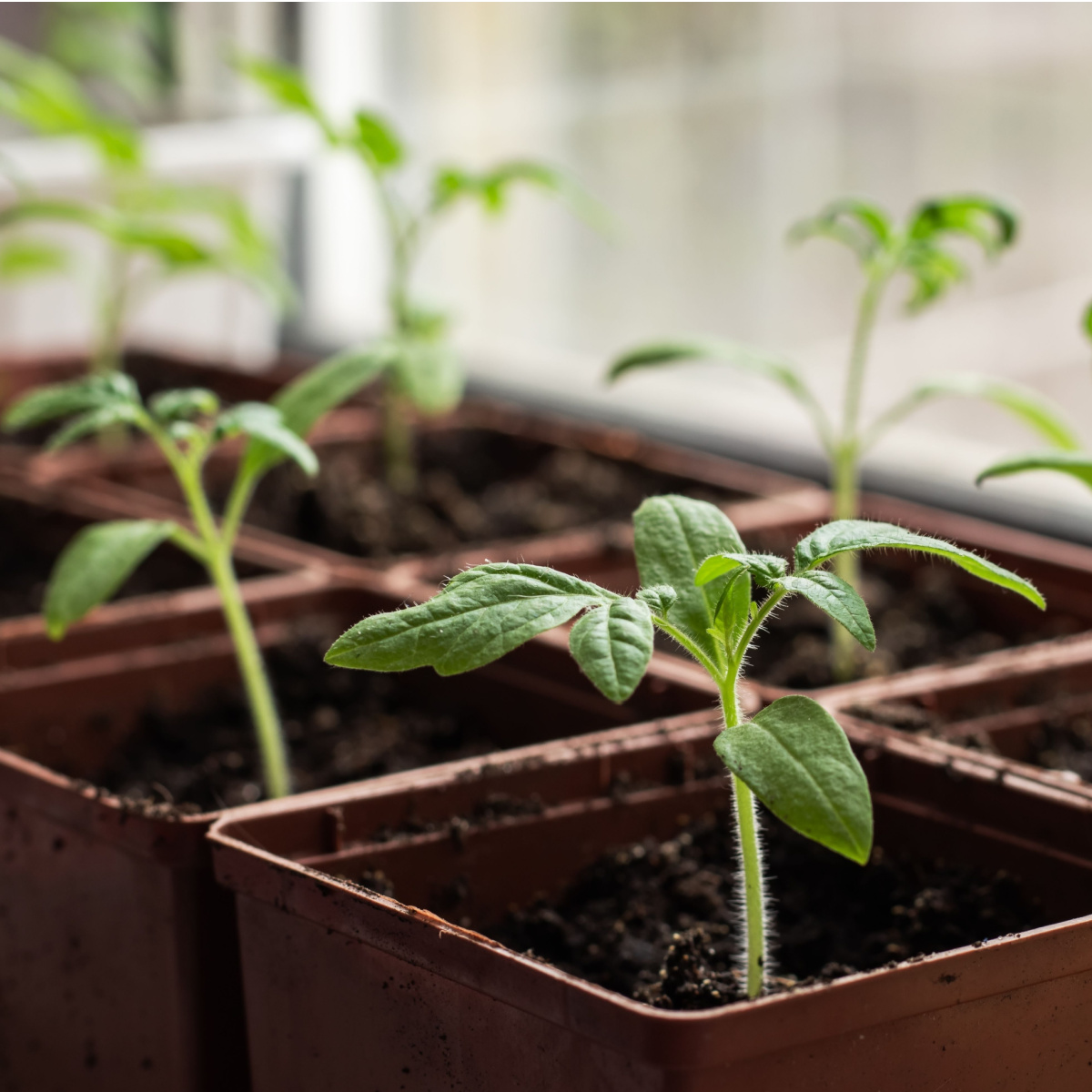
When it comes to starting vegetable or flower seeds, growing seedlings in a window is never a good idea. Unfortunately, plants simply don’t get enough light. Most end up spindly and weak from reaching sideways for the far away light.
But there is no need to purchase fancy and expensive grow lights. Ordinary fluorescent or LED shop lights work incredibly well for starting seedlings. A few years back, we made the switch to LED 4' long shop lights and they work like a charm. Affiliate Link: LED 4' Shop Lights
Not only are LED lights extremely inexpensive to operate, the lights themselves last for years and years. Whether using LED or fluorescent bulbs, the key is to keep the plants close to the light - about 1 ½″ above plants as they grow.

This creates strong, steady growth to develop thick transplants that are ready for the great outdoors. Keeping the bulbs too far away will make the plants stretch too quickly for the light. Continue to adjust the lights to keep them 1.5" above the top of your plants as they grow. Lights should be kept on for about 10 to 12 hours each day.
#6 Watering & Fertilizing - How To Start Seeds Indoors Like A Pro!
Watering and fertilizing your young seedlings properly is the final key to success! For watering, when seedlings are just a few days old, use a spray bottle to mist your plants. It keeps soil most without injuring plants with a strong stream of water.
As they grow, the plants will need more water. Check daily and as soil dries out, water as needed. Once seedlings are a few inches tall, you can then use a small water bottle to water the soil. Always be careful to try to not water the foliage, but the soil below.
If there is one mistake a lot of gardeners make with their seedlings, it's not fertilizing them while they grow indoors. It really is a must to develop strong, healthy and vibrant plants.
When it comes to fertilizing, allow your plants a few weeks to establish after sprouting. Then, as they approach two to three weeks old, it's time to give them a light dose of extra energy.
There are a couple of ways to do this. You can use compost tea or worm casting tea at full strength to water your plants once a week. These all natural teas will not overpower plants - but instead give them a slow steady diet of nutrients when applied weekly.

You can also use a commercial liquid fertilizer at this point, but you will need to use it at ¼ strength. This will keep the seedlings from getting too much energy. As with compost and casting tea, you can water once a week with this weakened mixture once the seedlings are two to three weeks old. Affiliate Link: Miracle-Gro Performance Organics Edibles Plant Nutrition
Whether you use compost tea, worm casting tea or a commercial liquid fertilizer, apply weekly until you transplant in the ground outdoors.
Don't Forget To Harden Off - How To Start Seeds Indoors Like A Pro!
One thing to avoid is taking your plants directly from the indoors to plant outside. Before this happens, they need a bit of time to adjust to sunlight and temperature. This process is known as hardening off.
As plants grow and daytime temperatures begin to warm up, we take our plants outside during the day to begin getting accustomed to the outdoors. Be sure to keep them protected from strong winds and rain early on. Once planting day comes, your plants will be more than ready to take off! Be sure to check out our article The 5 Biggest Mistakes Made When Starting Seeds Indoors – And How To Avoid Them!
Here is to starting your seeds indoors this year, and to an incredible garden season! Happy Gardening, Jim and Mary.
Jim and Mary Competti have been writing gardening, DIY and recipe articles and books for over 16 years from their 46 acre Ohio farm. The two are frequent speakers on all things gardening and love to travel in their spare time.
As always, feel free to email us at thefarm@owgarden.com with comments, questions, or to simply say hello! You can sign up for our free email list in the subscribe now box in the middle of this article. Follow us on Facebook here : OWG Facebook. This article may contain affiliate links.
More Starting Seeds Indoors
- The Easiest & Best Way To Start Vegetable Plants From Seed Indoors!
- How To Fertilize & Feed Indoor Seedlings - Get Your Transplants Growing Fast!
- How To Grow Sweet Potato Starts - And Your Own Delicious Sweet Potatoes This Year!
- The Top 5 Mistakes Gardeners Make When Starting Seeds Indoors - And How To Avoid Them!