
Wondering what to do with your daisies in late summer as the blooms begin to fade away?
There is nothing quite like the sight of daisies in full bloom. But once those beautiful blooms begin to fade, it can often leave gardeners wondering what to do next. Do you leave them alone until next spring? Should you cut them back? Is it okay to divide them?
The truth is, what you do with your daisies after they finish blooming can make all the difference in how healthy and productive they are in the years to come. In fact, a little bit of late-season care goes a long way toward keeping plants vibrant, under control, and full of blooms season after season.
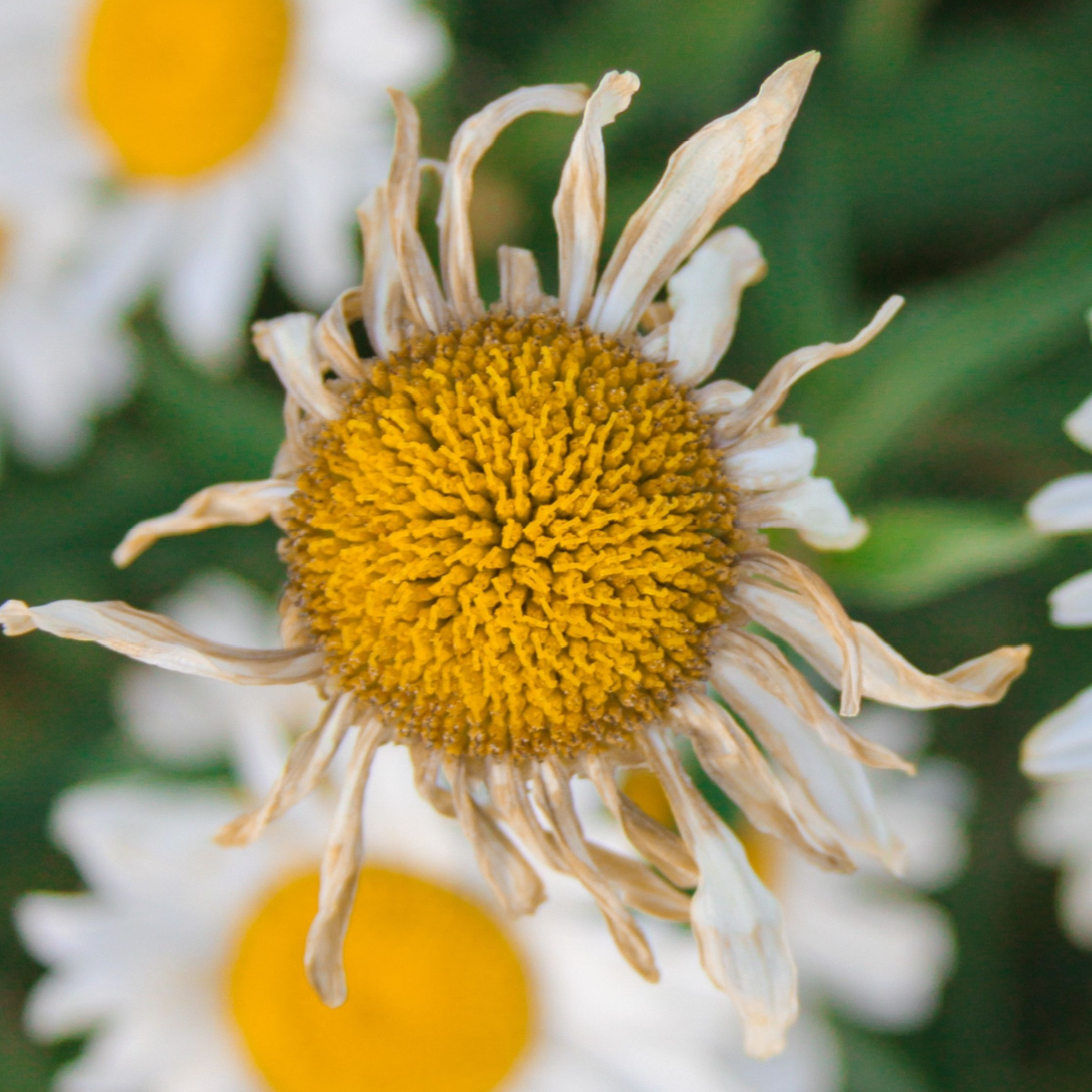
Taking a few simple steps once the flowering season winds down not only keeps your garden looking neat, it also helps prevent problems like overcrowding, poor blooms, and plants taking over areas where you don’t want them. Perhaps best of all, most of the tasks are quick and easy!
What To Do With Daisies In Late Summer
Why Late Season Daisy Care Matters
Daisies are known for being tough, reliable perennials. They return year after year with little fuss and can thrive in less-than-perfect soil. But even hardy plants like daisies need a little help now and then. Especially right after they bloom.
When daisies are left unattended after flowering, the spent blooms begin to form seeds. This might not sound like a big deal. But those seeds can spread quickly, popping up all over the garden the following spring. Before long, what was once a neat little patch of daisies can turn into a weedy mess that chokes out other flowers.
Another reason late-season care is so important is that daisies, like many perennials, use a lot of energy during their bloom cycle. Once flowers fade, the plant continues pouring energy into seed production. All at the expense of putting that energy back into the roots and foliage.
By removing old blooms and trimming plants back, you allow them to rest and recharge. And finally, there is the simple matter of appearance. Nothing makes a flowerbed look more worn-out than plants covered in brown, curling flower heads!
Deadheading Old Daisy Blooms In Late Summer
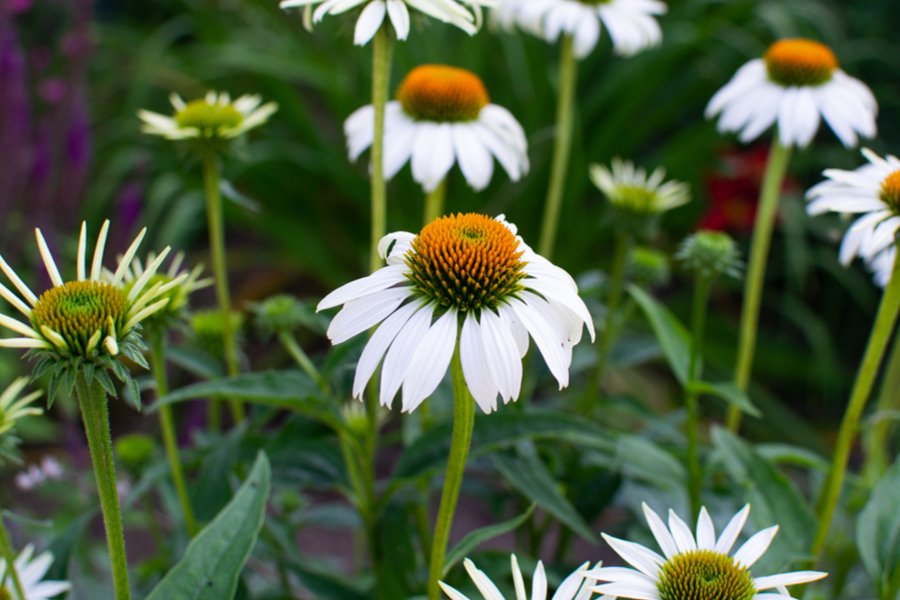
The first and most important step in caring for daisies after they bloom is deadheading. Deadheading is simply the process of removing old, fading flowers from the plant. Not only does this instantly improve the look of your daisies, it also stops them from wasting energy on seed production.
When deadheading, use a pair of sharp scissors or garden shears and cut the stem back just above a healthy set of leaves or a new bud. This helps the plant recover faster and can even encourage a bit of new growth. In some cases, if the weather stays warm, deadheading can spark a small round of new blooms in the late season.
The sooner you remove the fading flowers, the better. If you wait too long, seeds may already have started to form. That means you could still end up with a batch of volunteer seedlings next year. A little time spent clipping as soon as the flowers fade will save you a lot of time pulling unwanted plants in the future.
Dividing Overgrown Clumps
As daisies grow, they naturally form larger and larger clumps. Over time, these clumps can become overcrowded, with too many stems fighting for the same nutrients and space. When this happens, the center of the clump often begins to die out. When it does, it leaves an unsightly hole in the middle of the plant.


Late summer or early fall is the perfect time to divide your daisies. Dividing gives the plant more room to grow, revitalizes the root system, and also provides you with new plants to fill other areas of your garden.
To divide, start by digging up the entire clump with a spade or shovel. Work carefully around the edges to avoid cutting too many roots. Once the clump is free, gently pull or cut it into smaller sections, making sure each section has plenty of healthy roots and shoots.
Replant each section right away, spacing them far enough apart so they have room to expand again over the next few years. Water the new divisions thoroughly to help them settle in, and if possible, add a bit of compost into the planting hole. Compost provides nutrients and helps the soil hold moisture, giving your divided plants the best chance at thriving.
Cutting Back For The Season
Once your daisies have finished their final blooms of the year and cooler weather is approaching, it’s best to cut the plants back. Trimming daisies down to just a few inches above the ground helps prepare them for winter. It removes any diseased or dying foliage and prevents pests from taking up residence in the old stems.
Cutting back also makes your garden look neat and tidy heading into the colder months. Instead of brown, dried stalks sticking up through the snow, you will have clean beds that are ready for spring growth.
Feeding & Soil Care
Although daisies are not heavy feeders, a little soil care after blooming can make a big difference. Adding a light dose of compost around the base of the plants replenishes nutrients that were used up during the growing season. This helps improve soil structure and keeps the plants vigorous for the year ahead.
Another helpful practice is mulching. Applying a thin layer of mulch around the base of daisies in the fall helps regulate soil temperature. It also conserves moisture and prevents weeds. As the mulch breaks down over time, it also enriches the soil.
Taking care of your daisies in late summer after they bloom may seem like extra work at the end of the gardening season, but the payoff is worth it. By deadheading, dividing, cutting back, and feeding, you are setting your plants up for success in the years to come. Happy Gardening – Jim & Mary.
Old World Garden Farms
Jim and Mary Competti have been writing gardening, DIY and recipe articles and books for over 15 years from their 46 acre Ohio farm. The two are frequent speakers on all things gardening and love to travel in their spare time.
As always, feel free to email us at thefarm@owgarden.com with comments, questions, or to simply say hello! You can sign up for our free email list in the subscribe now box in the middle of this article. Follow us on Facebook here : OWG Facebook. This article may contain affiliate links.