
Believe it or not – late fall is actually the most important time of all to mulch your flowerbeds. And can it ever pay off for making gardening easy next year!
Every year, gardeners think most about getting their flowerbeds ready for spring. And for many, that means putting down a fresh layer of mulch once the weather warms up. Spring mulching has become the traditional time to spread mulch around plants, walkways, and garden spaces.
But even though spring mulching can be incredibly helpful, it’s actually fall that is the most important time of all to mulch your flowerbeds. Why? For starters, fall mulching does more than just make beds look neat. It also protects your soil and root structures from damage over winter, prevents weed seeds from finding a home in bare soil, and helps keep moisture and nutrients available for plants.
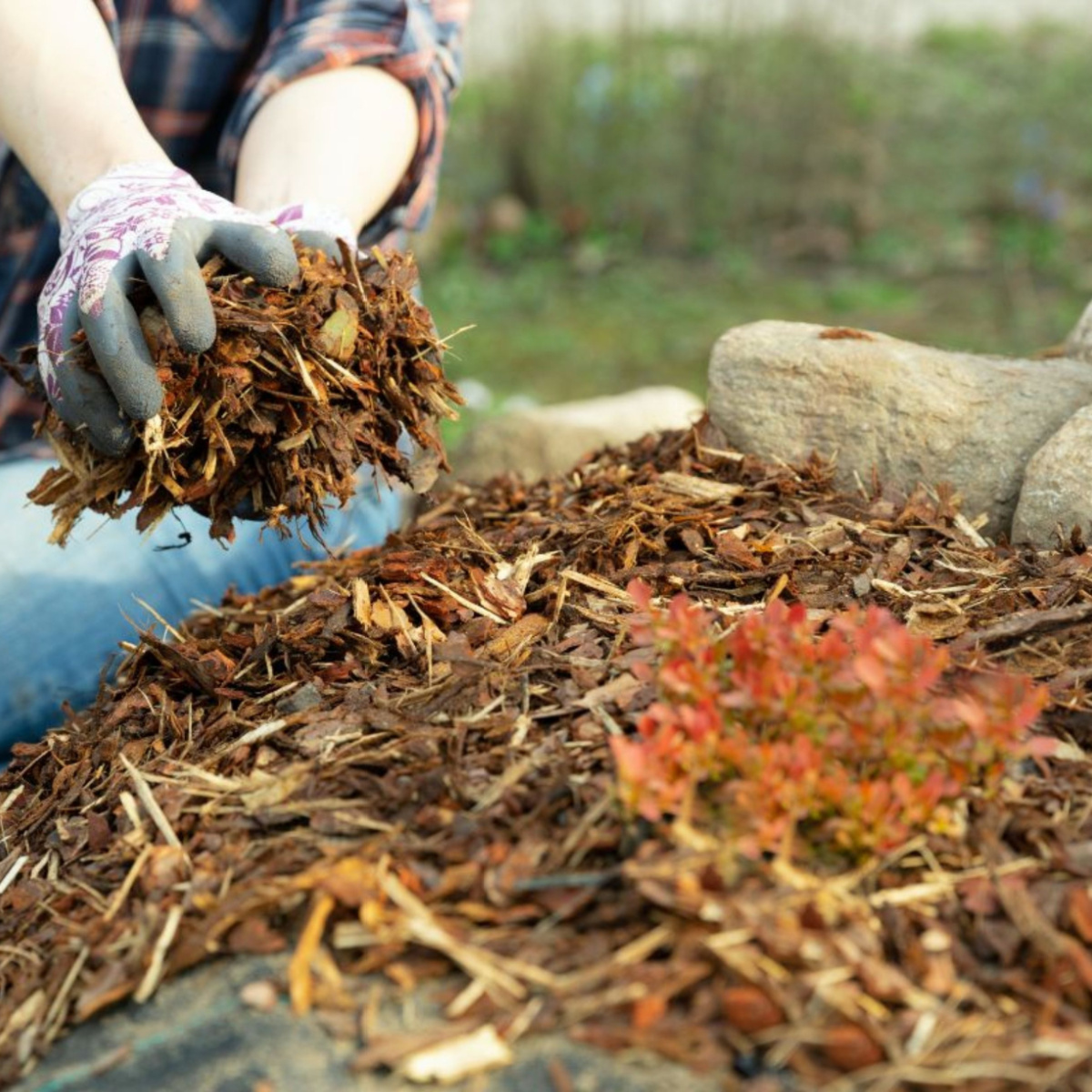
Simply put – by putting mulch down in fall, gardeners give their flowerbeds a head start on surviving the harsh winter months and thriving when spring arrives. And more than anything else – can help to keep your beds more weed free than ever!
Why Late Fall Is The Time To Mulch Flowerbeds
Why Fall Mulching Protects More Than Spring Mulching
Winter weather is harsh on soil and roots that are left uncovered. Many areas experience a constant cycle of freezing and thawing from late fall through early spring. The soil freezes overnight, then warms up during the day, and then freezes again.
These cycles cause soil to expand and contract, which can push plant roots upward. This problem is known as “frost heaving.” And it can expose plant crowns and roots to freezing air, causing permanent damage or even killing plants.
A thick layer of mulch acts like a blanket over the soil. It regulates soil temperature, keeping it more consistent even as outdoor temperatures change. When the soil stays evenly cold, it does not expand and contract as much. That means roots stay safely in place and are better protected from sudden freezes.
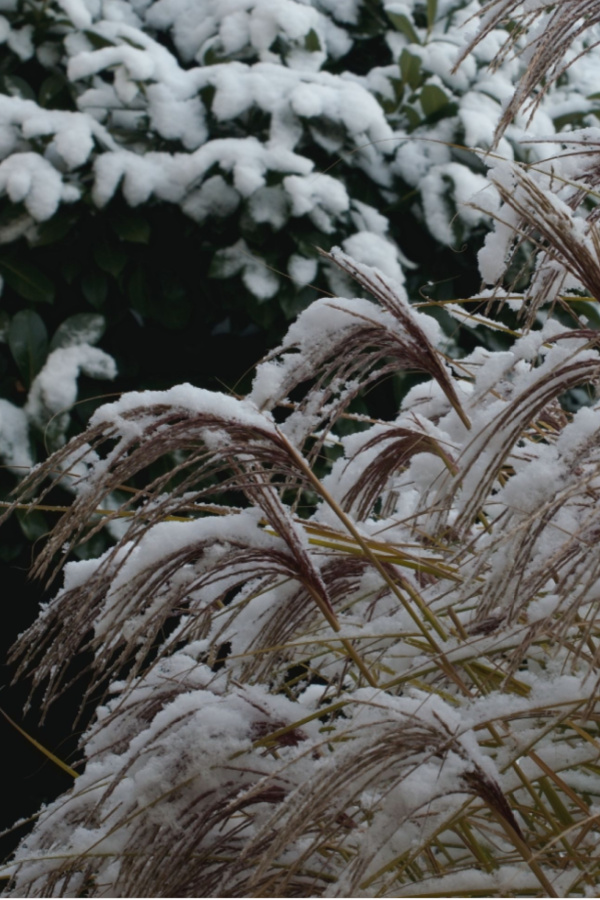
Keeping Your Soil Warm & Safe
Fall mulch locks in the warmth the soil has stored through summer and early fall, holding it there much longer than bare soil ever could.
Mulch also protects the soil structure itself. Without mulch, winter rain and snow can wash away the top layer of valuable soil. Cold wind can dry out exposed areas, leaving it compacted and lifeless. What looks like a normal bed in the spring might have lost organic matter and nutrients simply because there was no barrier in place.
How Fall Mulch Stops Weed Seeds Before They Can Take Over
Maybe best of all, fall mulching eliminates a lot of weeding work for you next spring and summer!
Weeds are an ongoing challenge in garden beds, and one of the biggest reasons weeds grow so quickly in the spring is because wind-blown weed seeds settle on exposed soil throughout fall and winter. During these months, trees drop leaves, plants dry out, and seeds break loose in storms and changing weather.
Weeds like chickweed, thistle, and crabgrass all spread seeds late in the season. And they are ready to take advantage of any bare soil they can find!


If mulch is already down in the fall, falling seeds sit on top of the mulch layer instead of reaching the soil below. Without direct contact with soil, many of these seeds can never germinate or establish roots. Even if some do sprout later, they are easier to pull from mulch than from packed dirt.
Mulch Helps Preserve Soil Moisture and Nutrients Through Winter
Even though plants may appear dormant or inactive during winter, their roots are still alive. They continue to draw moisture from the soil to survive. When a bed is left unprotected, cold winds, sunny winter days, and hard freezes can all rob the soil of moisture. Dry soil makes it difficult for root systems to survive.
Mulch acts as a protective cover to lock moisture into the ground. It slows evaporation and keeps the soil underneath from drying out. It also helps preserve nutrients in the soil, instead of letting them wash away from snow melt or winter rains.
That means when spring arrives, the soil is healthier and ready to support fresh new growth. Organic mulch also slowly decomposes over winter, adding even more nutrients back into the soil.
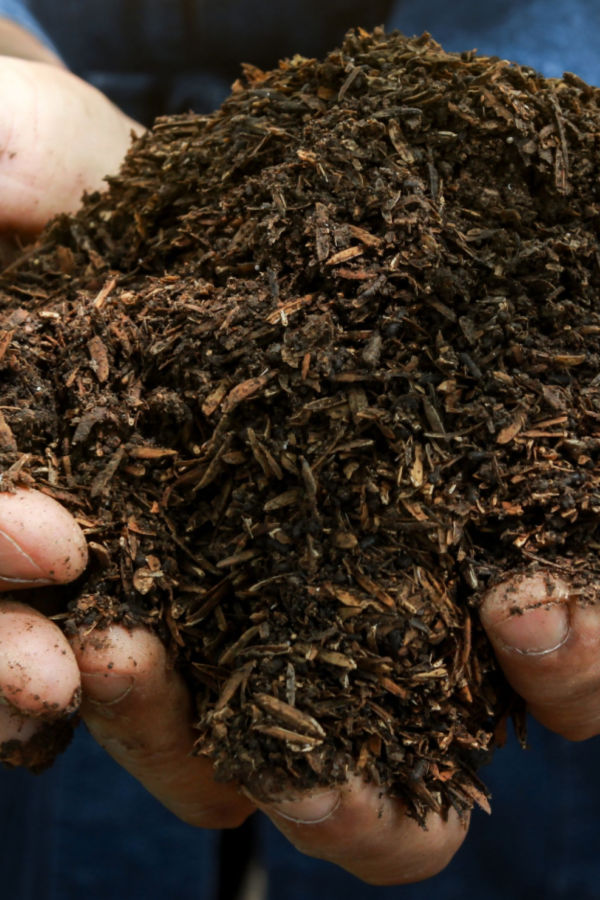
Wood chips, shredded leaves, bark, compost, and straw all break down and feed the microbes that make soils rich and productive. When the new gardening season begins, plants benefit from this natural supply of added nutrition.
How Much Mulch To Apply To Flowerbeds In Late Fall
To get the most benefit from fall mulching, the mulch layer must be the right thickness. A layer between 4 and 6 inches deep is key to providing enough insulation and weed protection. Anything less allows too much light to reach weed seeds and does not give enough temperature control.
When applying mulch around perennials, shrubs, and young trees, it is best to keep the mulch a couple of inches away from stems or trunks. Piling mulch directly against plants can encourage rot or invite insects and diseases.
Avoid Disturbing The Existing Mulch Layer
One of the most common mulching mistakes gardeners make is raking or turning over the old mulch before adding new material. Many people think they must stir up the mulch to keep it fresh. However, disturbing mulch can expose soil and bring buried weed seeds to the surface, giving them a perfect opportunity to sprout.
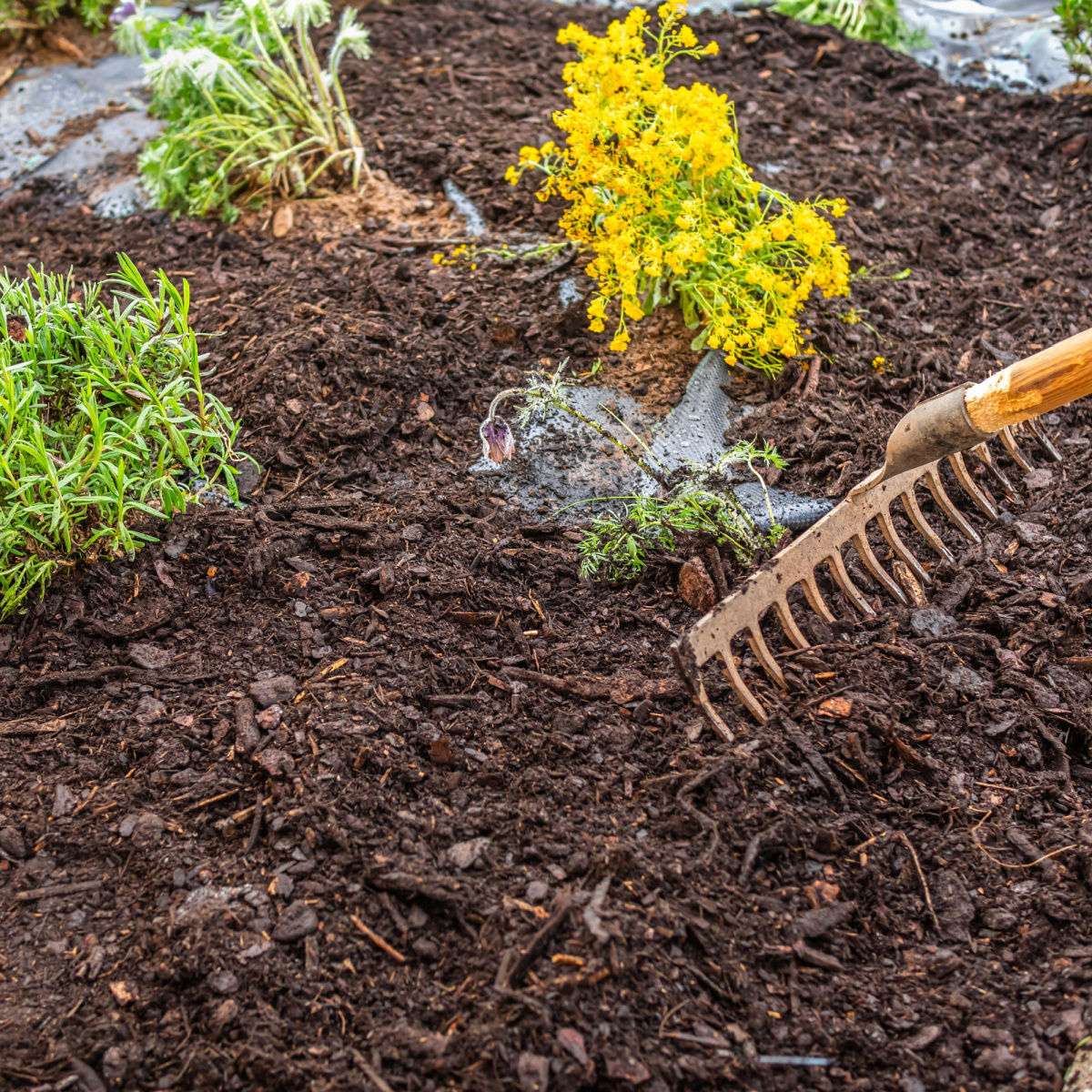
Undisturbed mulch creates a natural barrier. Even if weed seeds fall into the top layer, they are still separated from the bare soil below. The key is to simply add a new layer right on top. Let the lower levels break down undisturbed while the fresh layer seals out weeds and protects the root zone.
The Best Materials To Use For Mulching Flowerbeds In Late Fall
Organic mulches work best for flowerbeds. They deliver protection right away, then break down into nutrient-rich humus that improves the soil over time. Great options included shredded hardwood mulch, bark chips or nuggets and shredded leaves. Even pine needles can work well in most instances. See: The Best Ways To Use Pine Needles For Mulch – Why Pine Needles Are Better Than You Think!
Leaves are an excellent choice when shredded finely. Whole leaves can clump and prevent water from entering, but shredded leaves spread evenly and break down quickly – delivering nutrients right where roots need them.
Many gardeners use a mix of materials to enhance both appearance and soil health. For instance, a thin layer of shredded leaves followed by hardwood mulch can give even more benefits, feeding soil while protecting it from winter conditions.
Here is to mulching your flowerbeds late this fall – and to less weeds and healthier plants next spring and summer! Happy Gardening, Jim & Mary.
Old World Garden Farms
Jim and Mary Competti have been writing gardening, DIY and recipe articles and books for over 15 years from their 46 acre Ohio farm. The two are frequent speakers on all things gardening and love to travel in their spare time.
As always, feel free to email us at thefarm@owgarden.com with comments, questions, or to simply say hello! You can sign up for our free email list in the subscribe now box in the middle of this article. Follow us on Facebook here : OWG Facebook. This article may contain affiliate links.