
Looking for a few more great ways to recycle all of those coffee grounds coming from your coffee maker during the long winter months?
Although most people think of used grounds only as a warm-weather gardening tool, the truth is that they have just as much value during the colder months. With a little planning, those leftover grounds from your morning cup of coffee can become a natural fertilizer, a compost booster, a future soil amendment, or even a simple home deodorizer.
With outdoor gardens frozen or dormant, it’s easy to feel like you can’t do anything productive for your plants until spring arrives. However, having a plan for those daily leftover grounds can help you build healthier soil, maintain indoor plants more easily, and keep your home feeling clean and fresh, even when windows are closed and fresh air is limited.
Here is a look at four great ways to recycle those coffee grounds – all winter long.
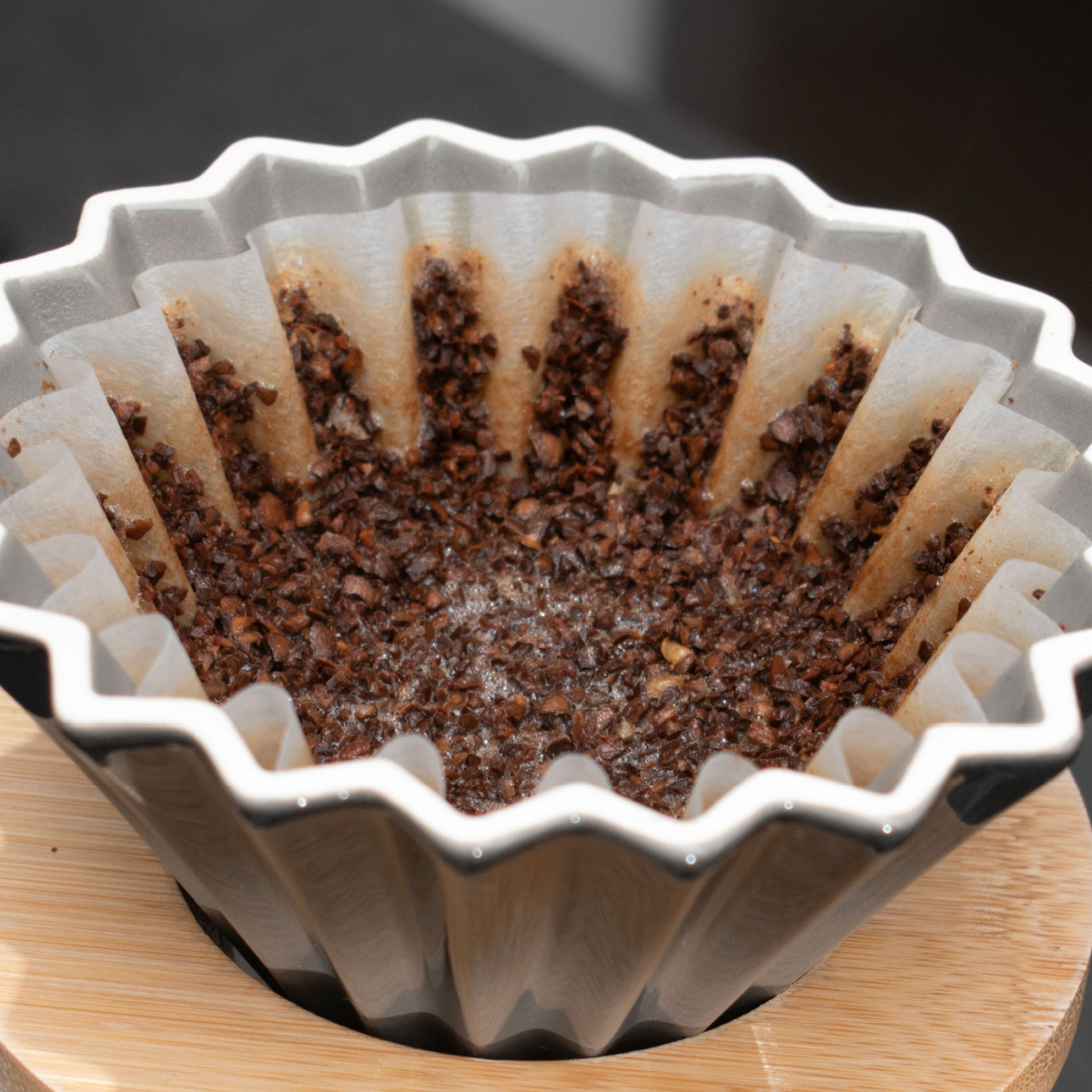
4 Great Ways To Recycle Coffee Grounds During The Winter
Using Coffee Grounds To Fertilize Houseplants
Winter is the time of year when many houseplants struggle the most. Shorter days, lower humidity, and dry indoor heat can all take a toll on plants that usually thrive during the warmer months.
Although most plants slow their growth in winter and require less fertilizer, they can still benefit from a small, slow-release source of nutrients. And this is exactly where used coffee grounds can play a helpful role.
Coffee grounds provide a gentle nitrogen boost without overwhelming indoor plants. Because they break down slowly, the nutrients release over time instead of all at once. This makes them ideal for houseplants that aren’t actively growing but still need a little help to stay healthy.
Coffee grounds also help improve soil texture by adding organic matter that loosens compacted potting soil, allowing roots to breathe better.
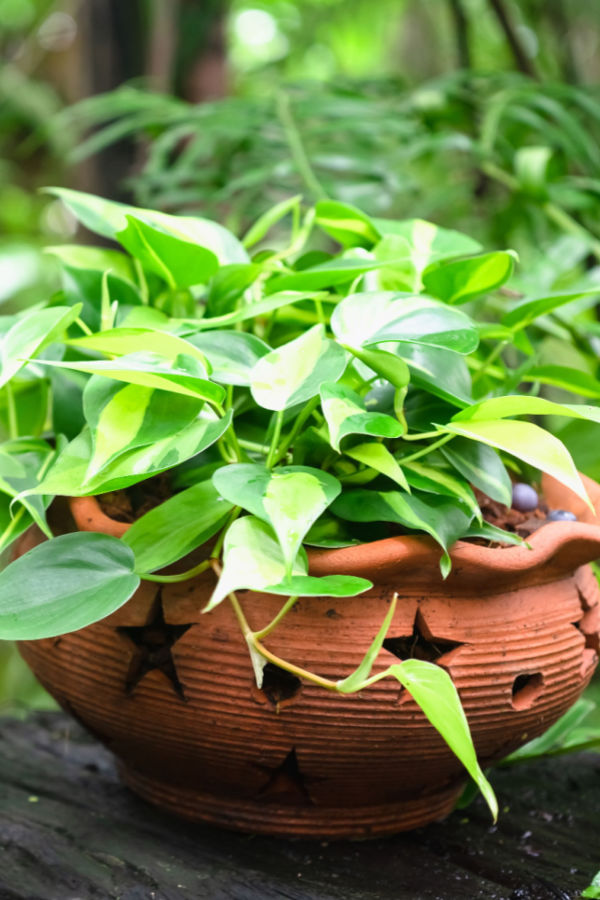
Using Coffee Grounds On Houseplants Correctly
The key to using coffee grounds safely indoors is moderation. Too many grounds can hold excess moisture and lead to mold or fungus growth in houseplant soil. To avoid this, always let the grounds dry completely before use.
After they are dry, sprinkle a very thin layer (no more than a tablespoon or two) on the top of the soil. You can lightly mix them into the top inch of the potting mix, or simply water the plant and let the nutrients filter down slowly.
Another option is to create a gentle “coffee compost tea.” Soak a small amount of used grounds in water for 24 hours. Next, strain the liquid, and use that water to hydrate your houseplants. This produces a diluted nutrient solution that plants can absorb easily without the risk of over-fertilizing.
Saving Coffee Grounds In The Freezer For Spring Use
If you aren’t ready to use your coffee grounds right away, storing them in the freezer is one of the smartest ways to save them for spring. Freezing not only preserves the grounds but also prevents mold growth and eliminates odor. See our article: The Best Way To Save & Store Coffee Grounds & Egg Shells – Without Having Them Mold!
By the time planting season returns, you’ll have a ready-to-use supply of nutrient-rich material for your garden, containers, flowers, and landscape beds.
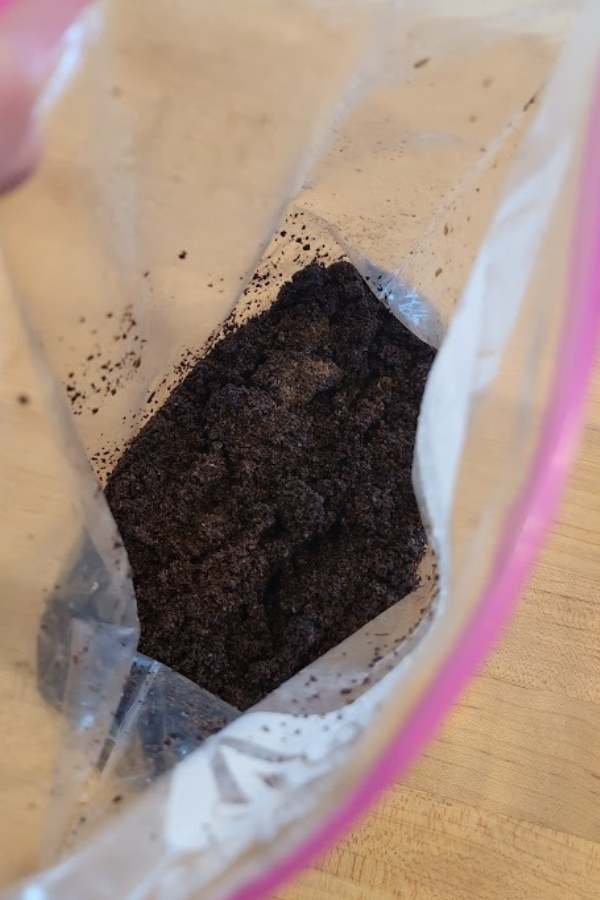
Many gardeners use coffee grounds in spring because they add organic matter and provide a light, slow-release source of nitrogen. They are especially useful when preparing raised beds and potting up container plants. When mixed into soil, the fine texture of the grounds helps improve aeration and drainage, making heavy or compacted soils easier for roots to grow through.
To store and save up grounds properly, simply let them cool after brewing and place them in a freezer-safe container or heavy-duty zip-top bag. You do not need to dry them beforehand. Freezing halts the decomposition process and keeps them fresh.
Over the course of winter, continue adding new grounds to the container until you have a large supply for spring projects. Affiliate Link: Basics Reclosable Freezer Gallon Bags, BPA Free, 90 Count
Saving grounds in the freezer also gives you flexibility. Instead of feeling pressured to use them immediately in winter, you can stockpile them without any worry of spoilage. When spring arrives, you’ll be grateful to have them on hand!
Adding Coffee Grounds To A Winter Compost Pile
Even though composting slows down in winter, it certainly doesn’t stop. In fact, winter compost piles still need a steady supply of nitrogen-rich materials to help decomposition continue beneath the frozen outer layer.
Used coffee grounds are an excellent source of nitrogen, making them one of the best additions you can add to your winter compost. When you put your used grounds into the pile, you’re providing valuable “green” material that helps heat up the pile.


Another benefit of using coffee grounds in winter compost is how well they blend with other materials. They don’t mat down like grass clippings. They also mix easily with leaves and kitchen scraps. Their fine texture allows microbes to break them down faster, helping the rest of the composting materials decompose more efficiently.
Even in very cold weather, the center of the pile can remain warm and active, especially when nitrogen sources like coffee grounds are added regularly.
Using Coffee Grounds As A Refrigerator Deodorizer
One of the most overlooked winter uses for coffee grounds is as a natural deodorizer. During the winter months, refrigerators tend to fill up more quickly as families cook indoors, store holiday leftovers, and keep more food on hand. Coffee grounds are an easy, inexpensive, and chemical-free way to keep your refrigerator smelling fresh.
Used grounds naturally absorb and neutralize odors, much like baking soda. Their porous structure traps unpleasant smells, while the remaining natural oils release a faint, pleasant aroma of coffee. This makes them ideal for tackling lingering food smells that often stick around during the colder months.
To use coffee grounds as a refrigerator deodorizer, spread freshly used grounds on a baking sheet. This will allow them to dry completely. Once dry, place them in a small open container, bowl, or breathable pouch. All that is left is to set it on a shelf in your refrigerator. Replace the grounds every two to three weeks or whenever they become saturated with odor.

You can also use coffee grounds in the freezer to absorb odors there. Just be sure to keep them in an open container so air can flow through them. Many people find that using grounds helps control freezer odors caused by long-stored items or frost buildup.
Even after the grounds lose their deodorizing power, you can still recycle them. All you need to do is add them to your compost pile or saving them for spring use. Nothing goes to waste, and you get fresh-smelling results without buying any commercial products. Here is to taking a little time to recycle coffee grounds in the winter! Happy Gardening – Jim & Mary.
Old World Garden Farms
Jim and Mary Competti have been writing gardening, DIY and recipe articles and books for over 15 years from their 46 acre Ohio farm. The two are frequent speakers on all things gardening and love to travel in their spare time.
As always, feel free to email us at thefarm@owgarden.com with comments, questions, or to simply say hello! You can sign up for our free email list in the subscribe now box in the middle of this article. Follow us on Facebook here : OWG Facebook. This article may contain affiliate links.