
Did you know that by simply adding a few basic kitchen scraps to your raised beds all winter long – you can help recharge the soil and bring it back to life by spring?
Winter might feel like a quiet season in the garden, but it’s actually one of the best times to build healthier soil for the year ahead. While plants may be long gone or dormant, the soil beneath the surface is still alive.
All types of beneficial bacteria and worms continue working whenever conditions allow. Especially when they are fed some of the materials they love the most. That is exactly why feeding your soil food scraps over winter can help build soil structure, boost nutrients, and increase organic matter. The key is knowing which scraps are best and how to use them properly in cold weather.
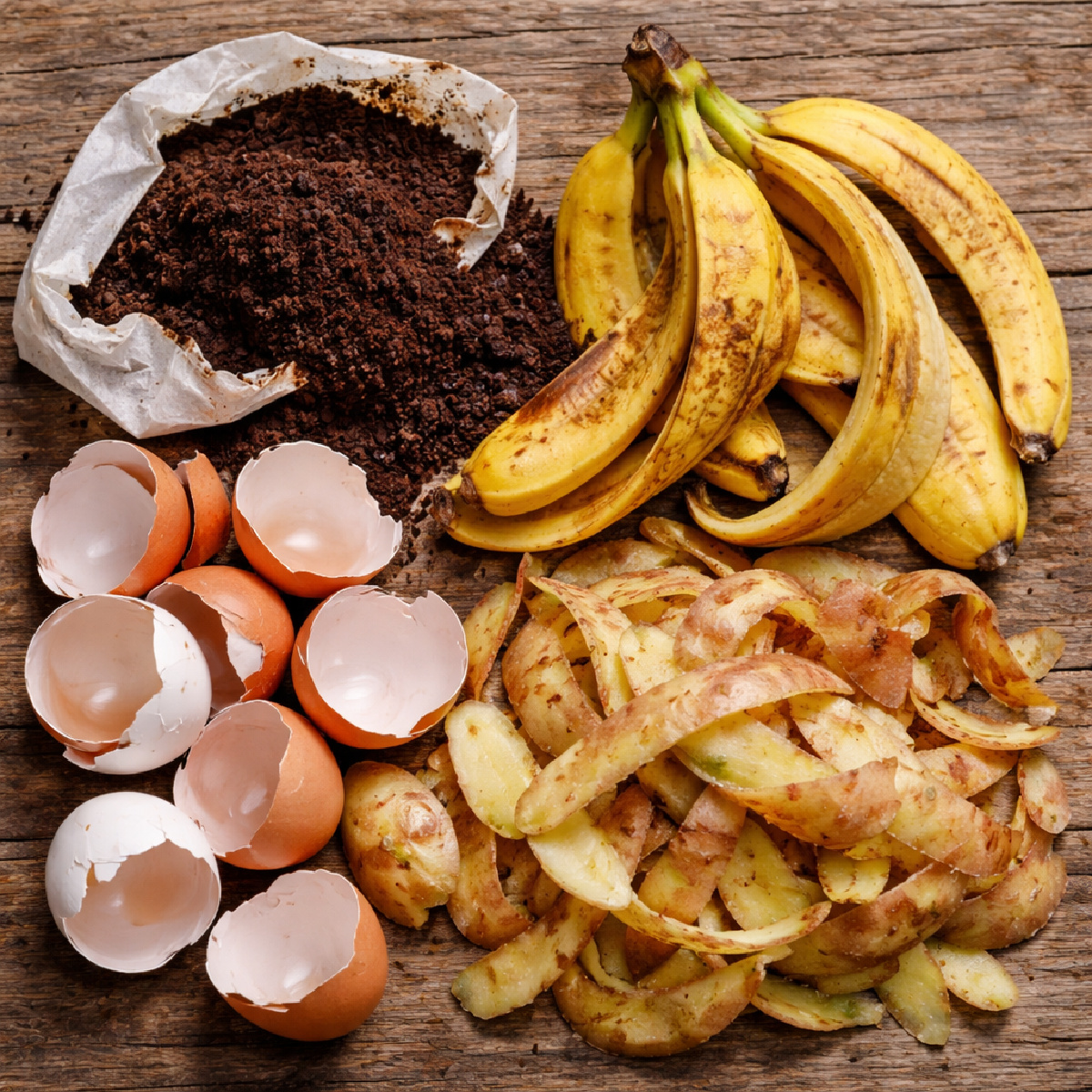
5 Kitchen Scraps To Add To Your Raised Beds Over Winter
Why Winter Is a Great Time to Feed Raised Beds With Kitchen Scraps
Raised beds warm up and drain better than in-ground gardens, even during winter. This makes them an ideal place to add organic matter when temperatures are cold. As scraps decompose slowly, nutrients are released gradually instead of all at once. By the time spring arrives, those nutrients are right where plant roots need them.
Winter additions also help protect soil. Organic material acts as insulation, reducing erosion from wind and rain while keeping soil organisms more active. Over time, this improves soil texture, helping it hold moisture in summer and drain better during wet periods.
Adding scraps in winter also spreads out garden work. Instead of scrambling to amend beds in early spring, much of the soil preparation is already done, making planting easier and faster!
How To Add Kitchen Scraps To Your Raised Beds In The Winter
When adding scraps to your raised beds in the winter, there are a few basic tips to follow to help make the most of your efforts.
Kitchen scraps should never be left exposed on the surface of raised beds during winter. Exposed scraps can attract animals and take longer to break down. The best method is to bury scraps a few inches below the soil surface or cover them with mulch, shredded leaves, straw, or compost.
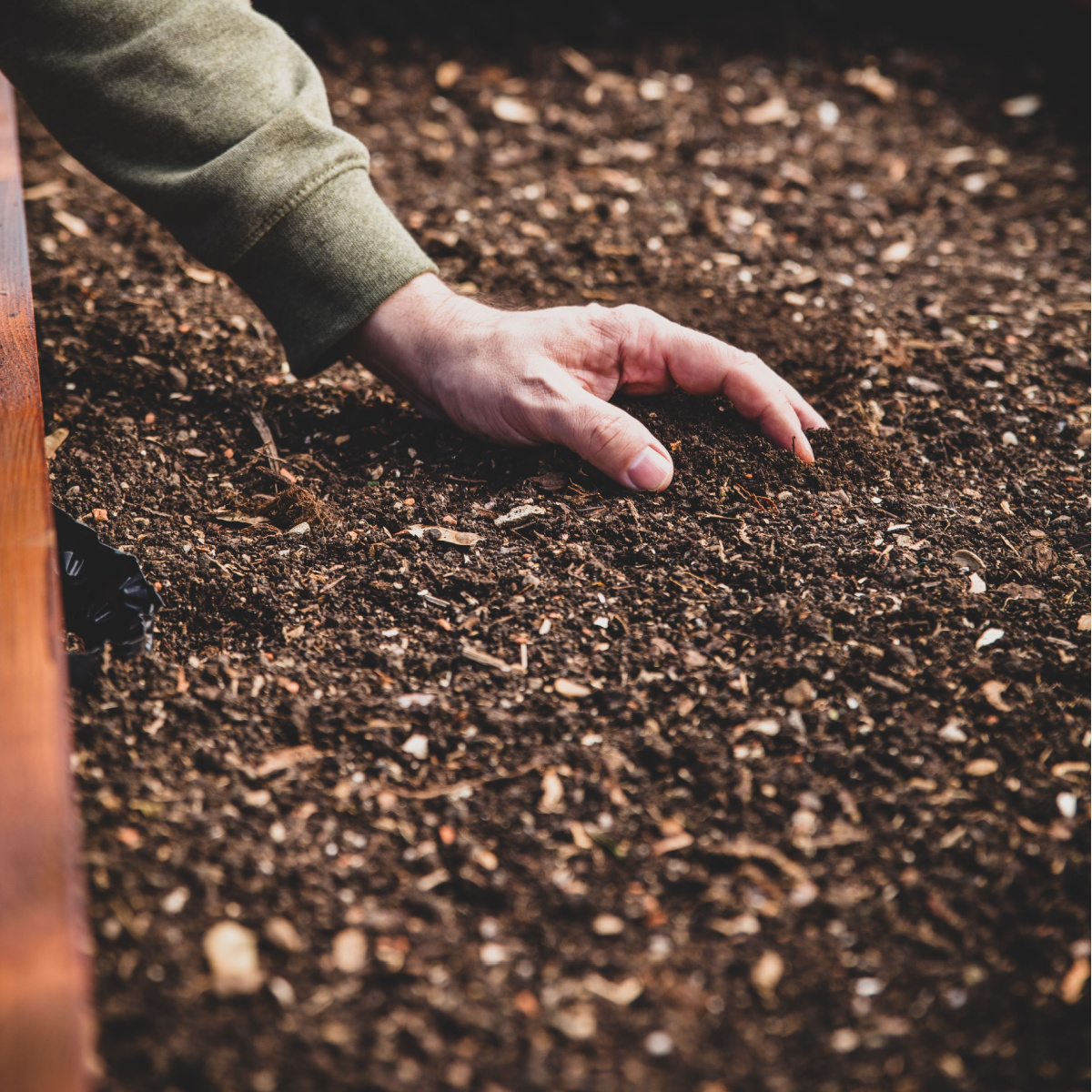
Chopping scraps into smaller pieces speeds up decomposition. Smaller pieces break down more easily, even in cold soil. Mixing scraps lightly with soil also helps microorganisms access the material faster.
As always, it’s important to avoid adding meat, dairy, or oily foods. These items decompose poorly, create odors, and attract pests. Plant-based scraps are the safest and most effective choice for winter soil building. Here are 5 of the best of the best!
Vegetable Peels & Trimmings
Vegetable scraps are one of the easiest and most beneficial additions to raised beds during winter. Peels, ends, and trimmings from carrots, potatoes, onions, squash, and other vegetables are rich in nutrients and organic matter. These scraps feed soil microbes and help improve soil texture over time.
Root vegetable peels are especially valuable because they contain trace minerals pulled from deep in the soil where the plants originally grew. When returned to raised beds, those minerals become available again for future crops.
Vegetable scraps should be chopped before burying and placed a few inches deep in the soil. Covering the area with mulch helps keep moisture levels steady and prevents animals from digging. Over winter, these scraps slowly soften and break down, leaving behind nutrient-rich organic matter.


Coffee Grounds
Used coffee grounds are an excellent winter addition to raised beds. They are rich in nitrogen, which is essential for plant growth in spring. Coffee grounds also improve soil structure, helping soil hold moisture while still draining well.
Contrary to common belief, used coffee grounds are not highly acidic. Once brewed, most of the acidity is removed, making them safe for most garden soils. When added in moderation, coffee grounds support earthworms and beneficial microorganisms.
Coffee grounds should be mixed into the soil or composted lightly before application. Spreading them in thin layers or burying them prevents clumping, which can restrict airflow. Over winter, coffee grounds break down and become part of the soil, providing a gentle nutrient boost when plants begin growing again.
Eggshell Powder
Eggshells are one of the most valuable kitchen scraps of all for raised beds. Especially when they are pulverized into a fine powder instead of simply crushed. Eggshells are made up almost entirely of calcium, a critical nutrient that helps plants build strong cell walls and prevents common problems like blossom end rot in tomatoes, peppers, and squash.
Pulverizing eggshells into a powder allows them to break down far faster than crushed shells. While large or roughly crushed pieces can take years to fully decompose, powdered eggshells begin releasing calcium into the soil much more quickly.

To create eggshell powder, rinse shells and allow them to dry completely. Once dry, they can be ground using a blender, food processor or coffee grinder. The finer the powder, the faster it works in the soil. See our article: The Best Way To Save & Store Coffee Grounds & Egg Shells – Without Having Them Mold!
You can sprinkle egg shell powder and mix it into the top few inches of soil. Freezing and thawing during winter helps incorporate the powder even further. By the time spring arrives, calcium is already present and available in the root zone, helping plants get off to a strong, healthy start.
Adding Fruit Scraps & Peels
Fruit scraps such as apple cores, citrus peels, banana peels, and melon rinds are all great winter additions. These scraps add organic matter and provide potassium, phosphorus, and other nutrients essential for flowering and fruit production.
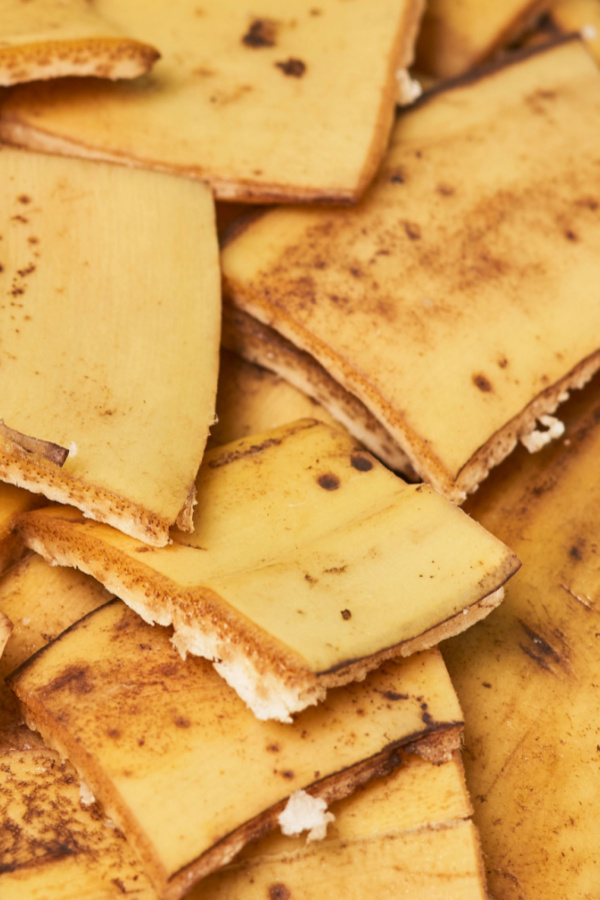
Banana peels are especially valuable because of their potassium content. Potassium supports strong roots, flower development, and overall plant health. Chopping banana peels before burying helps them decompose more quickly and prevents pests from coming around.
You should add citrus peels in moderation. While they are safe for the garden, they break down more slowly than other fruit scraps. Cutting them into small pieces and burying them well helps speed the process and reduces any potential issues.
Leafy Green Scraps
Wilted lettuce, spinach stems, kale ribs, and other leafy green scraps are excellent winter soil builders. These scraps break down quickly and provide nitrogen, which supports leafy growth in spring crops.
Leafy scraps also help feed beneficial soil organisms, especially when mixed with carbon-rich materials like shredded leaves or straw. This balance helps prevent slimy buildup and keeps decomposition steady throughout winter.
Adding greens in layers works well. A thin layer of leafy scraps covered with soil or mulch creates a slow-release nutrient source that continues improving soil structure through cold months.
Making Winter Soil Building a Habit
Saving kitchen scraps during the winter is an easy way to turn everyday waste into a valuable garden resource. If everyday trips are hard to make to the garden, keep a small container in the kitchen. This way you can simply make a quick trip to the raised beds every few days to keep the process going.
In addition, winter is a great time to add in some worm castings and compost to your soil if it is workable. It gives the nutrients time to absorb into the soil and fill it with the nutrients it needs most. Affiliate Link: 100% Pure Worm Castings
One thing is for sure, it’s amazing how a little bit of effort can make a huge difference in your raised beds health. And, of course, how well your plants perform come spring! Happy Gardening, Jim & Mary.
Old World Garden Farm
Jim and Mary Competti have been writing gardening, DIY and recipe articles and books for over 15 years from their 46 acre Ohio farm. The two are frequent speakers on all things gardening and love to travel in their spare time.
As always, feel free to email us at thefarm@owgarden.com with comments, questions, or to simply say hello! You can sign up for our free email list in the subscribe now box in the middle of this article. Follow us on Facebook here : OWG Facebook. This article may contain affiliate links.