Looking for a few answers about whether or not landscape fabric is a good idea for using in flowerbeds and gardens?
Landscape fabric is one of those products that promises an easy solution. But without a doubt, from our past experience, it creates more problems than it ever solves. Not just for making weeding tougher – but also harming your soil and plants. And in a lot of bad ways!
Like many gardeners, we were once tempted by the idea of landscape fabric. The promise of fewer weeds and less maintenance sounds appealing. Especially when you’re managing large garden spaces. But after working in our beds season after season, we’ve learned that landscape fabric works against the very things that make gardens thrive. Which is exactly why we don’t use it anywhere on our farm — and why we recommend avoiding it in home gardens as well.
The Truth About Landscape Fabric
The Appeal Of Using Landscape Fabric
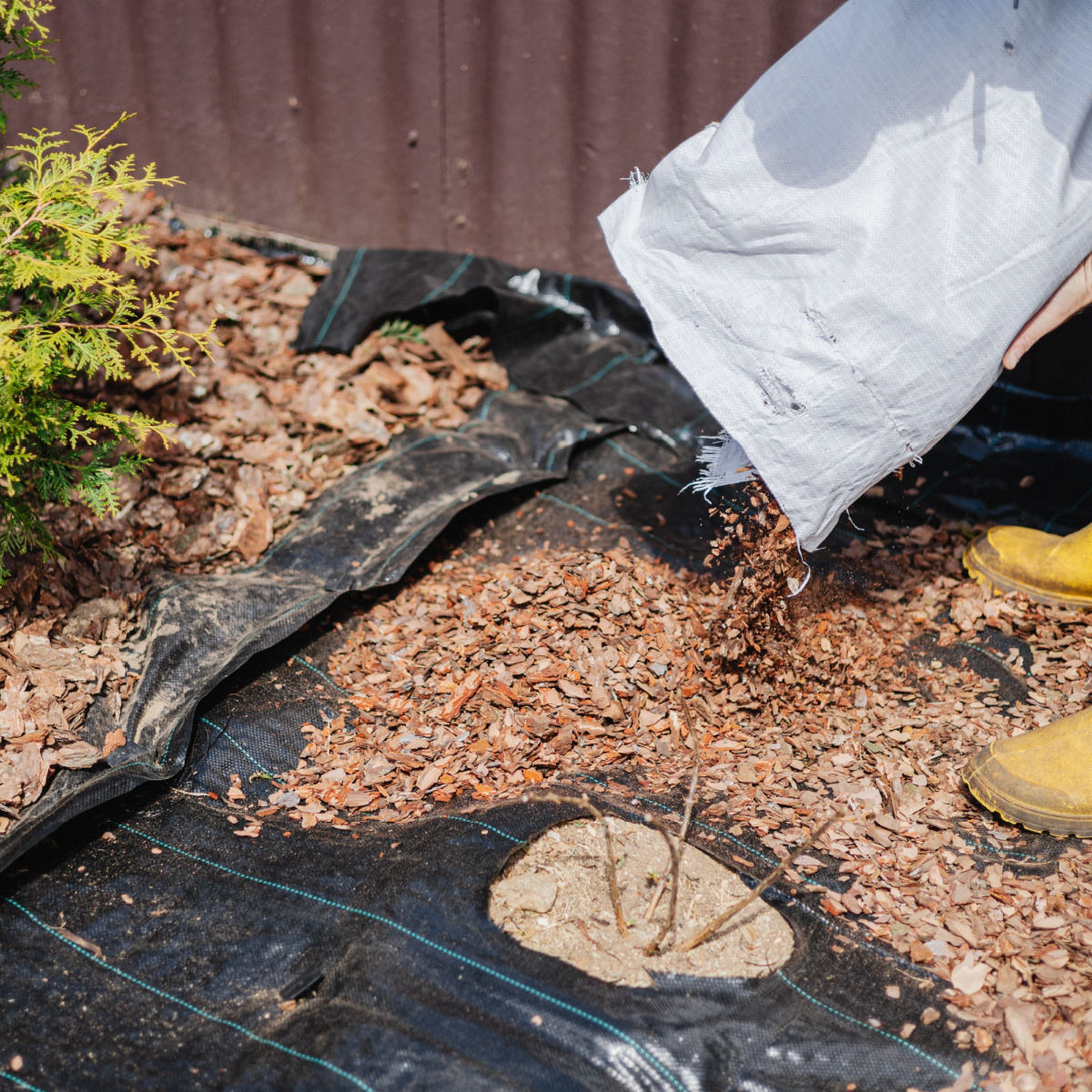
At first glance, fabric or weed mats as they are often called seems like a smart choice. It’s marketed as a breathable barrier that blocks weeds while allowing water and air to reach the soil. When newly installed, it certainly can indeed reduce weeds for a short time. Especially when covered with mulch.
The truth is, in the first few months, weed fabric often appears to be doing exactly what it claims. And that early success is what draws so many gardeners in. But gardens aren’t short-term projects. Soil changes, mulch breaks down, and weather constantly works against artificial barriers.
Over time, landscape fabric doesn’t behave the way it’s supposed to. And once it starts to fail, it usually does so in ways that are difficult to undo.
How Weed Barriers Make Weeds Worse
One of the biggest misconceptions about landscape fabric is that it stops weeds permanently. In reality, it often leads to worse weed problems over time.
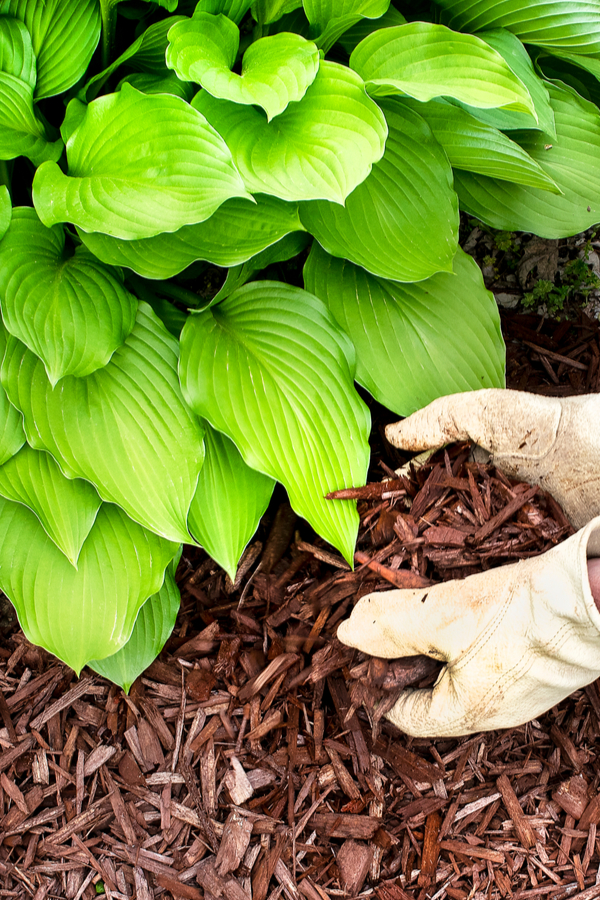
As mulch breaks down on top of the fabric, weed seeds find an ideal place to germinate. That decomposed organic layer holds moisture and provides everything a weed seed needs to grow. Once weeds take hold, their roots push down through the fabric in search of water and nutrients.
At that point, pulling weeds becomes far more difficult than pulling them from bare soil. Roots tangle in the fabric, tear it apart, and make cleanup frustrating. We’ve seen beds where landscape fabric turned into a shredded mess buried under years of mulch and weeds.
Unfortunately, removing it later is time-consuming and often damages nearby plants. What was supposed to reduce maintenance ends up creating far more work down the road.
Soil Health & Soil Barriers
Another big reason we avoid landscape fabric on our farm is what it does to soil. Healthy soil isn’t just dirt – it’s a living system. Earthworms, insects, and beneficial microorganisms all work together beneath the surface. They improve soil structure, help retain moisture, and make nutrients available to plants naturally.
Landscape fabric interferes with that system. As mulch dust, soil particles, and organic debris settle on top of the fabric, the tiny openings clog. Once that happens, water and oxygen struggle to reach the soil below. Over time, soil becomes compacted and dry. And it has no way to gain new organic matter.
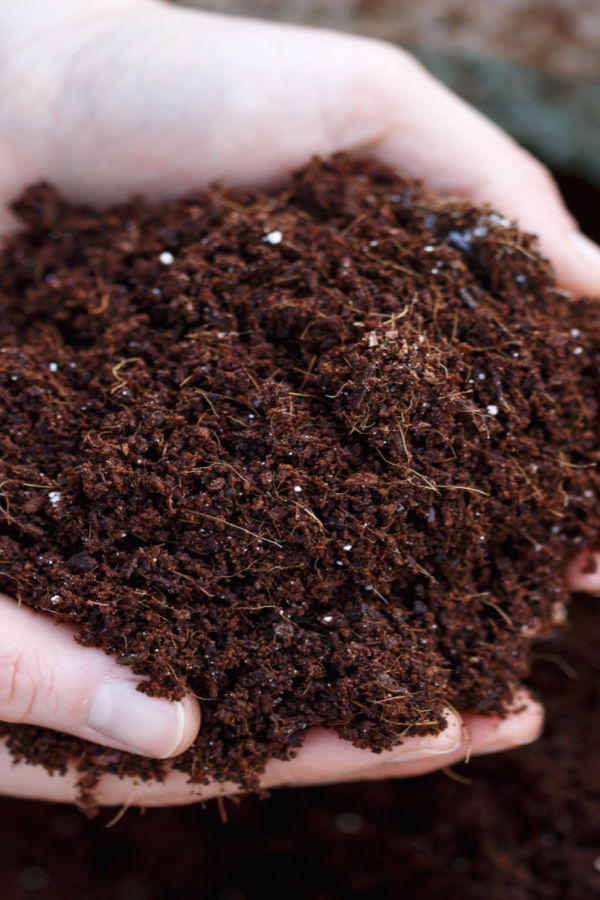
We’ve seen how much healthier our gardens are when the soil is allowed to breathe and receive organic matter naturally. On our farm, beds without fabric stay looser, richer, and far more productive. Plants develop deeper root systems and handle heat and dry spells much better.
Why Mulch Works Better Without Landscape Fabric
Mulch is one of the most important tools we use in our gardens, but only when it’s allowed to do its job properly. Organic mulch doesn’t just suppress weeds – it feeds the soil as it breaks down. That slow decomposition builds organic matter, improves moisture retention, and supports beneficial organisms right where plant roots need them.
When mulch sits on top of landscape fabric, that entire process stops. The mulch still breaks down, but instead of improving the soil, it turns into a loose layer above the fabric. The nutrients never reach the soil beneath. Over time, the soil actually becomes poorer, even though it looks like it’s being “protected.”
We want our mulch working for us, not against us. On our farm, mulch is part of a long-term soil-building strategy, not just a cosmetic layer. And landscape fabric gets in the way of that goal.


The Easy Way To Keep Beds Healthy & Weed Free
Rather than relying on artificial barriers, we focus on natural methods that improve soil health and reduce weeds over time. Thick organic mulch is our first line of defense. A four to six inch layer blocks sunlight from weed seeds and keeps moisture in the soil. See: 2 Simple Secrets To Eliminate Weeds In Your Flowerbeds – And The Need To Constantly Weed!
As it breaks down, it improves soil instead of separating it from nutrients. We also plant densely whenever possible. When plants fill in and shade the soil, weeds have fewer opportunities to germinate. Ground covers, perennials, and well-spaced shrubs naturally suppress weeds without harming the soil.
Regular maintenance plays a role too. Pulling small weeds early prevents them from spreading and producing seeds. While it’s ongoing work, it’s far easier than battling deep-rooted weeds tangled in landscape fabric years later.
Choosing Healthy Soil Over Fabric
Landscape fabric is often marketed as a time-saving shortcut, but shortcuts rarely lead to healthy gardens. On our farm, we’ve learned that investing in soil health always pays off in the long run. Gardens without landscape fabric are easier to maintain, healthier, and more resilient year after year.
By allowing water, air, and organic matter to reach the soil naturally, plants grow stronger and weeds become easier to manage. The soil improves instead of declining, and the garden works with nature instead of fighting it.
The truth about landscape fabric in our flowerbeds and gardens is that we simply don’t use it. It may seem helpful at first, but the long-term consequences simply aren’t worth it. Healthy soil and natural mulch create better gardens — and that’s the approach we trust on our farm every single season! Happy Gardening, Jim & Mary.
Old World Garden
Jim and Mary Competti have been writing gardening, DIY and recipe articles and books for over 15 years from their 46 acre Ohio farm. The two are frequent speakers on all things gardening and love to travel in their spare time.
As always, feel free to email us at thefarm@owgarden.com with comments, questions, or to simply say hello! You can sign up for our free email list in the subscribe now box in the middle of this article. Follow us on Facebook here : OWG Facebook. This article may contain affiliate links.