Did you know that there are quite a few vegetables you never want to grow near your tomato plants? And by simply keeping them away you can keep your tomatoes far more healthy and productive?
Plain and simple, if you want to grow healthier, more productive tomato plants this year, one of the most important things you can do is plant them in the right place. And just as important as where you plant them is what you plant around them. Why? Because even though tomatoes are fairly forgiving, they can struggle when planted near the wrong neighbors.
Companion planting plays a huge role in how well your garden performs. Some plants can help tomatoes thrive, while others can actually stunt their growth, steal nutrients, attract pests, or even spread disease.
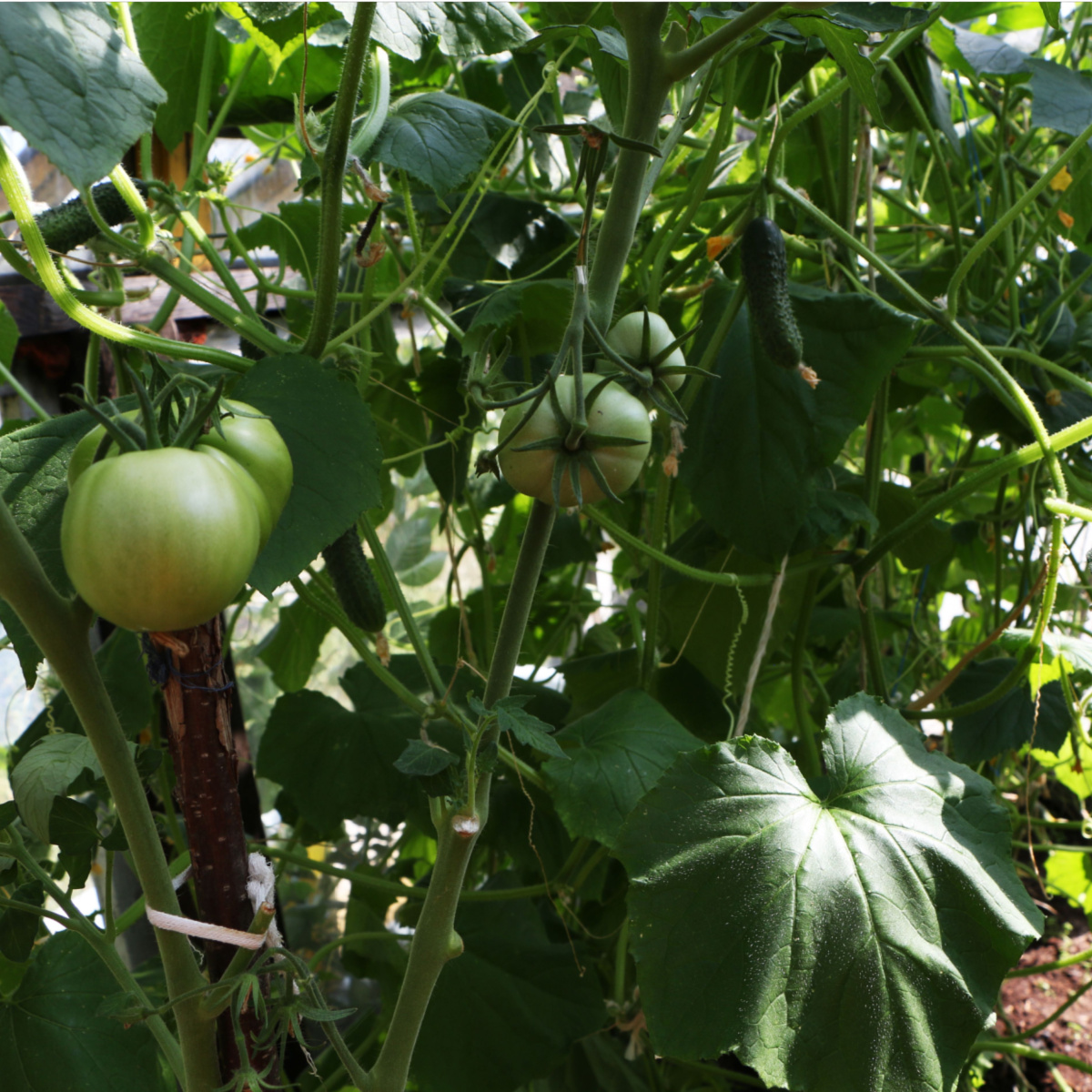
The truth is, certain vegetables simply don’t get along with tomatoes. And if you unknowingly plant them side by side, you could be setting yourself up for smaller harvests, weaker plants, and more problems throughout the growing season.
5 Vegetables To Never Grow Near Tomato Plants
Why Plant Pairings Matter More Than You Think
Before diving into the list, it’s important to understand why plant combinations matter so much.
Plants compete for three major things in the garden – nutrients, water, and space. When two heavy feeders grow too close together, they can quickly deplete the soil. Other plants may release natural compounds that inhibit growth. And in some cases, certain crops attract the same pests or diseases, increasing the risk for both.
Tomatoes, in particular, are heavy feeders. They require a steady supply of nutrients and consistent moisture to produce well. When paired with the wrong plants, they can quickly fall behind. They also are prone to pests – which other nearby plants can attract.
So with all of that in mind – here are 5 vegetable plants to keep away from your tomatoes to help them grow better this year!
Sweet Corn – A Pest Magnet That Causes Big Problems
At first glance, sweet corn might not seem like a bad companion. After all, it grows tall and doesn’t appear to compete heavily at ground level. But the problem with corn isn’t about space – it’s about pests.
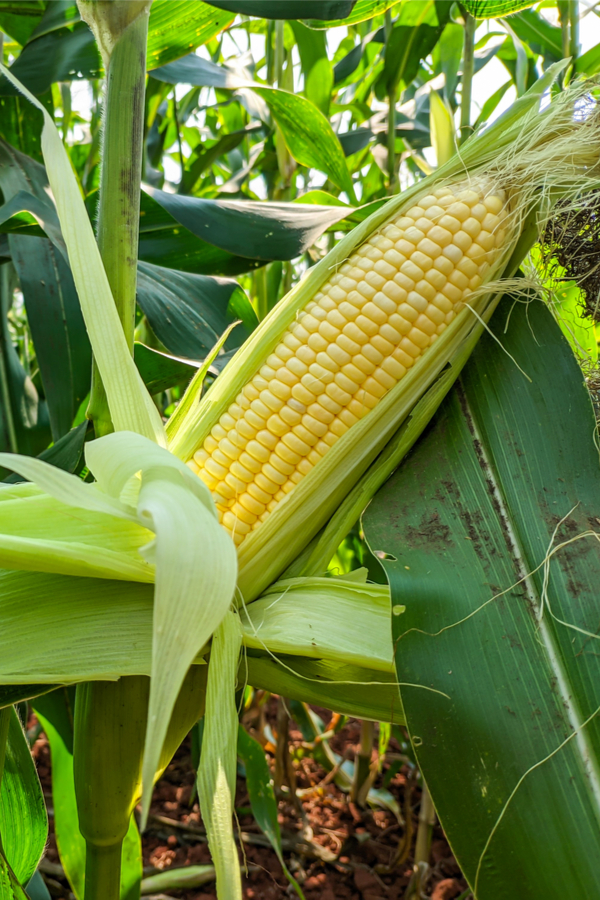
Sweet corn and tomatoes share a common enemy: the corn earworm. This pest doesn’t just stick to corn – it will happily move over to your tomato plants as well. Once there, it can damage fruit and ruin your harvest.
Planting these two crops close together essentially invites trouble. You’re creating a larger target area for pests, making it easier for infestations to take hold and spread quickly. In addition to pest issues, corn is also a heavy feeder. It pulls a lot of nitrogen from the soil, which can leave your tomato plants struggling to get the nutrients they need to grow and produce.
Cucumbers – Competing Growth And A Risk Of Disease
Cucumbers and tomatoes are often grown in the same garden, but that doesn’t mean they should be planted side by side.
Both crops are aggressive growers and heavy feeders. They require a lot of water and nutrients, and when planted too close together, they compete directly with each other. This competition can lead to stunted growth, reduced yields, and weaker plants overall.
Even more concerning is the increased risk of disease. Cucumbers are susceptible to issues like powdery mildew and bacterial wilt. These are issues that can easily spread in a crowded, humid garden environment.
When tomatoes are planted too close to cucumbers, airflow becomes restricted, and moisture tends to linger. This creates the perfect conditions for disease to take hold and spread. While both plants can thrive in the same garden, it’s best to keep them separated to give each the space and airflow they need.


Vegetables To Never Grow Near Tomato Plants – Why To Keep Potatoes Away!
Potatoes and tomatoes are closely related as they both belong to the nightshade family. And while that might seem like a good reason to plant them together, it’s actually the opposite.
Because they are related, they are vulnerable to many of the same diseases. One of the most serious is blight, which can spread rapidly between plants and devastate both crops. If blight appears in your potatoes, it can quickly jump to your tomato plants – and vice versa. And once it takes hold, it’s incredibly difficult to control.
In addition to disease concerns, planting tomatoes near potatoes can also increase the risk of soil-borne issues. Harvesting potatoes involves digging into the soil, which can disturb the root systems of nearby tomato plants.
Cabbage – A Growth Inhibitor For Tomatoes
Cabbage and other members of the brassica family, such as broccoli and cauliflower, can have a negative impact on tomato plants. These crops are known to compete heavily for nutrients, especially in smaller garden spaces. But beyond competition, brassicas can actually inhibit the growth of tomatoes.
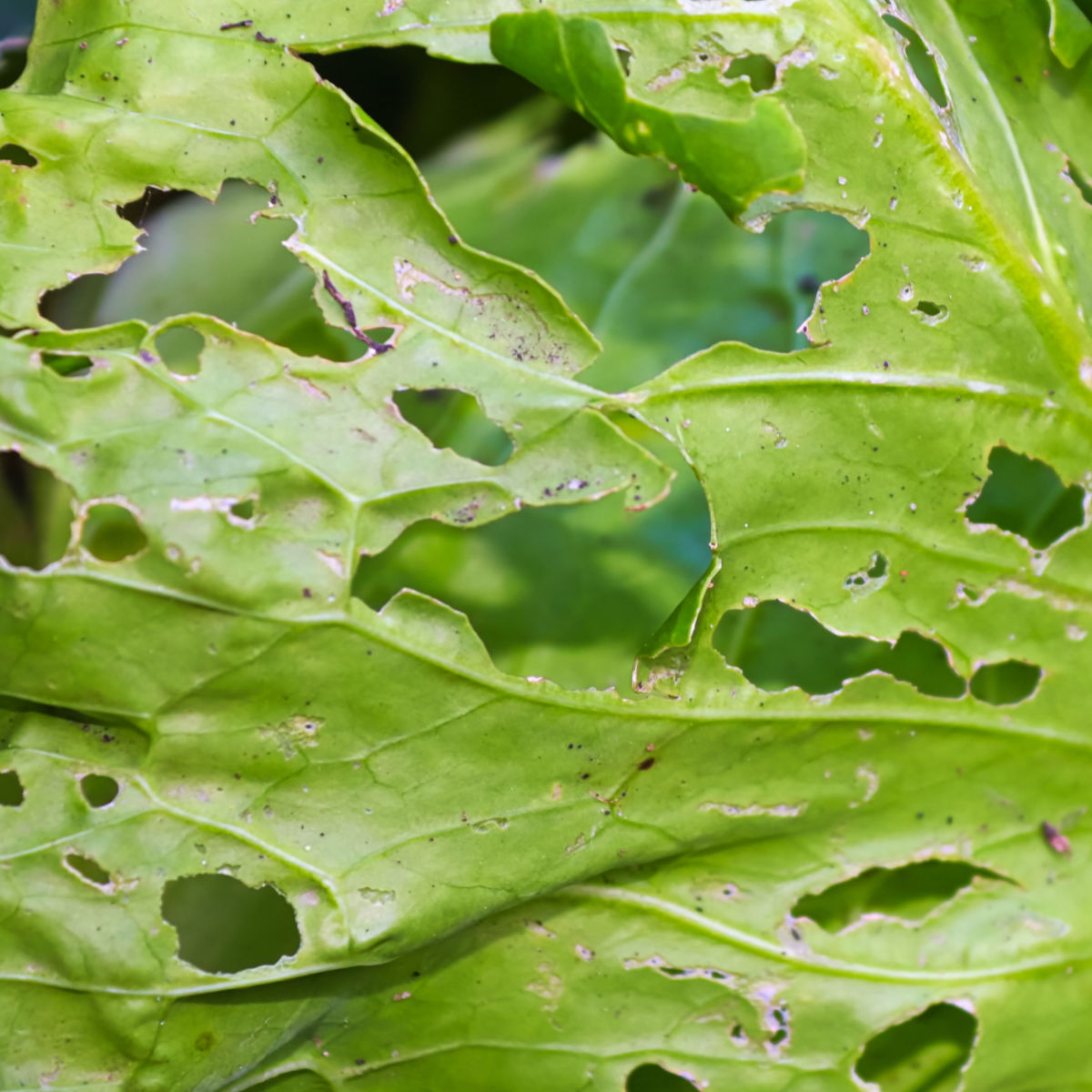
When planted too close together, cabbage can slow down tomato development, leading to smaller plants and fewer fruits.
Cabbage also tends to attract pests like cabbage worms and loopers. While these pests primarily target brassicas, their presence can still disrupt the balance of your garden and create additional stress for nearby plants.
Carrots – Root Competition Below The Surface
Carrots might seem harmless since they grow underground and don’t take up much space above the soil. However, what happens below the surface tells a different story. Carrots and tomatoes both rely on strong root systems to access nutrients and water. When planted too close together, their roots can compete in the same space.
This competition can lead to smaller carrot development and reduced tomato growth. Tomatoes may struggle to get the nutrients they need, while carrots may become misshapen or stunted.
In addition, harvesting carrots can disturb the soil around tomato plants, potentially damaging their roots. While carrots can be grown in the same garden as tomatoes, it’s best to keep a reasonable distance between them to avoid underground competition.
A Few Great Companion Plants For Tomatoes
Now that you know what not to plant near your tomatoes, let’s end on a positive note. There actually are plenty of plants that actually help tomatoes grow better.
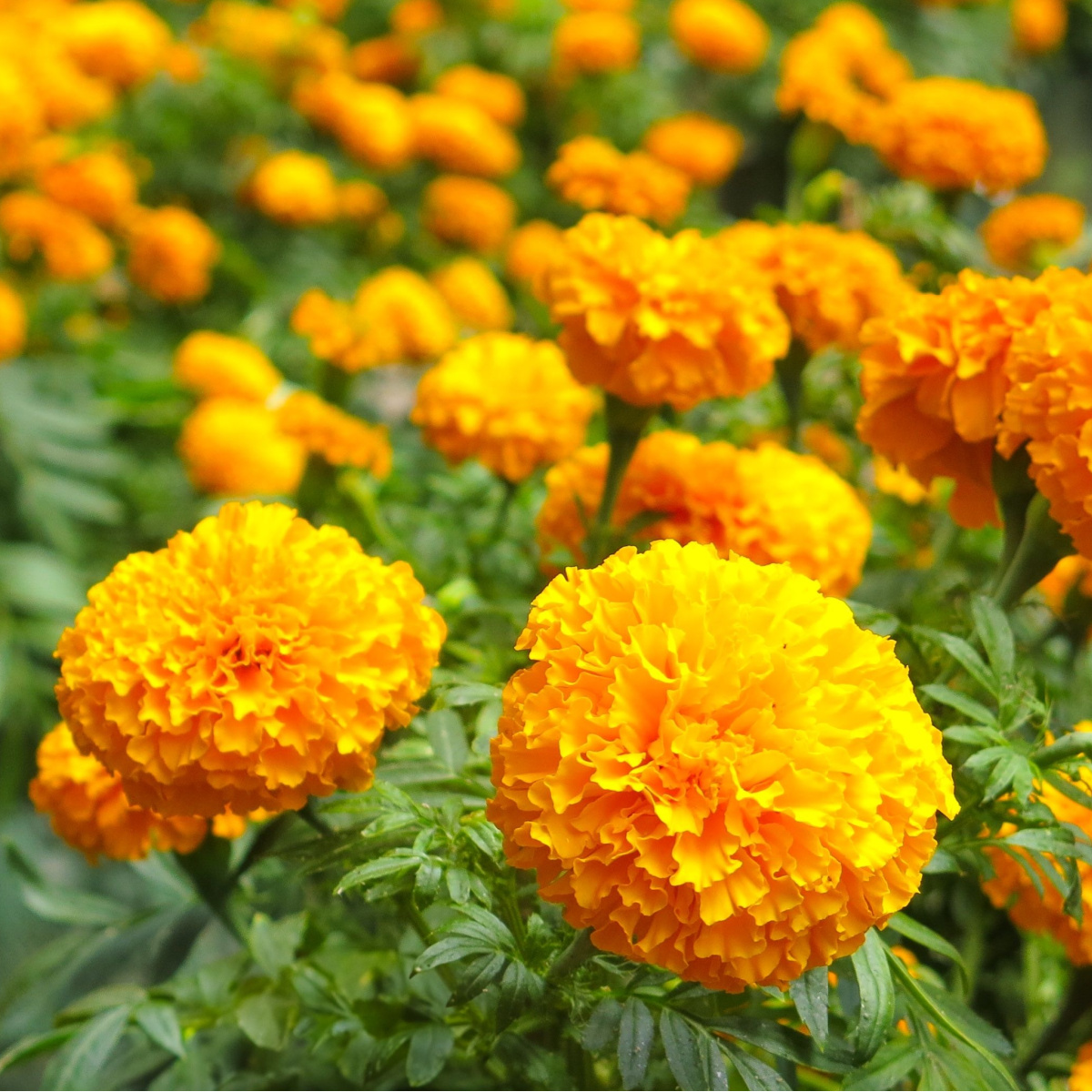
Basil is one of the best companions you can plant near tomatoes. It can help improve flavor and may even repel certain pests. Marigolds are another excellent choice, as they help deter nematodes and harmful insects in the soil. See: Why You Need To Plant French Marigolds In Your Vegetable Garden!
Other great companions include onions, garlic, and chives, which can help keep pests away. Lettuce and spinach also grow well near tomatoes, as they don’t compete heavily for nutrients and can benefit from the shade tomatoes provide.
By pairing your tomato plants with the right companions – and avoiding the wrong ones – you can create a healthier, more productive garden. In the end, that means bigger harvests, stronger plants, and a whole lot more fresh tomatoes to enjoy all season long. Happy Gardening – Jim & Mary
Old World Garden Farms
Jim and Mary Competti have been writing gardening, DIY and recipe articles and books for over 15 years from their 46 acre Ohio farm. The two are frequent speakers on all things gardening and love to travel in their spare time.
As always, feel free to email us at thefarm@owgarden.com with comments, questions, or to simply say hello! You can sign up for our free email list in the subscribe now box in the middle of this article. Follow us on Facebook here : OWG Facebook. This article may contain affiliate links.