How To Ripen The Last Of Your Green Tomatoes Before The First Frost - Save Your Tomatoes!
Wondering how to ripen the last of your green tomatoes still hanging from your plants before the first frost arrives?
As summer begins to fade and the cooler temperatures of fall arrive, tomato plants often remain loaded with green tomatoes. Unfortunately, as the days grow shorter and nighttime temperatures fall, those tomatoes can take what seems like forever to turn red.
The good news is that green tomatoes do not have to be lost when cold weather approaches. Whether the tomatoes remain on the vine or need to be picked before a hard frost, there are several simple ways to help them ripen successfully.

How To Ripen The Last Of Your Green Tomatoes
When Do Tomatoes Stop Ripening On The Vine?
Tomatoes ripen best when daytime temperatures remain between 70° and 75°F. Once temperatures begin consistently dropping below 60°, the ripening process slows considerably. Cooler soil, shorter days and less intense sunlight all signal the plant that the growing season is ending.
Nighttime temperatures are especially important. When they regularly fall into the low 50s, tomato plants struggle to ripen their fruit. If temperatures dip below 50°F for an extended period, the fruit can suffer chilling damage. This can lead to tomatoes that soften poorly, develop uneven color or rot before they ripen.
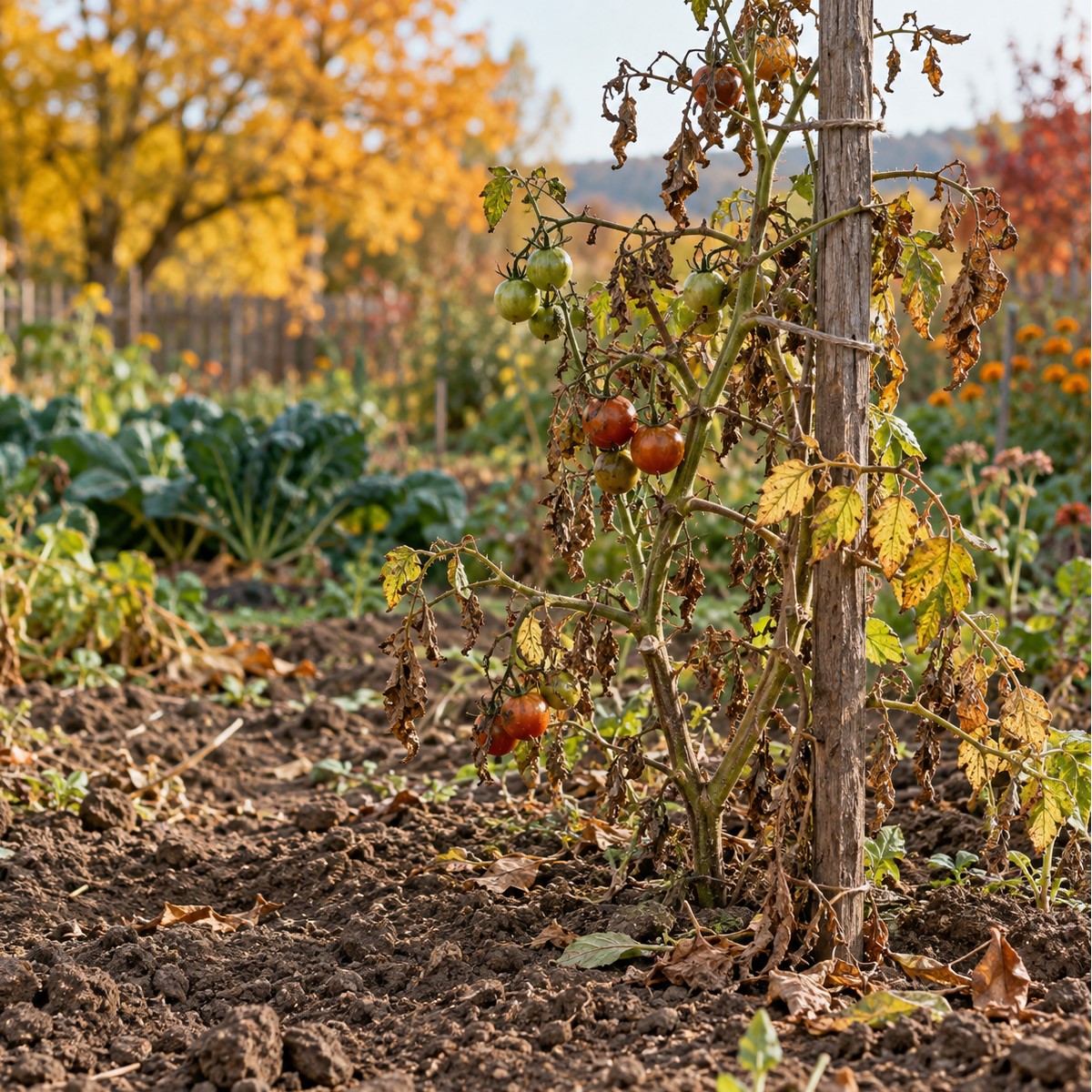
A light frost can damage the leaves and stems, while a hard freeze can ruin both the plant and its fruit. That is why it is important to pay close attention to the forecast and take action before freezing temperatures arrive. If only a cool night or light frost is predicted, you may be able to protect the plants and leave the tomatoes attached. But when a hard freeze is on the way, it is best to harvest every tomato that has a reasonable chance of ripening indoors.
Which Green Tomatoes Will Ripen Indoors?
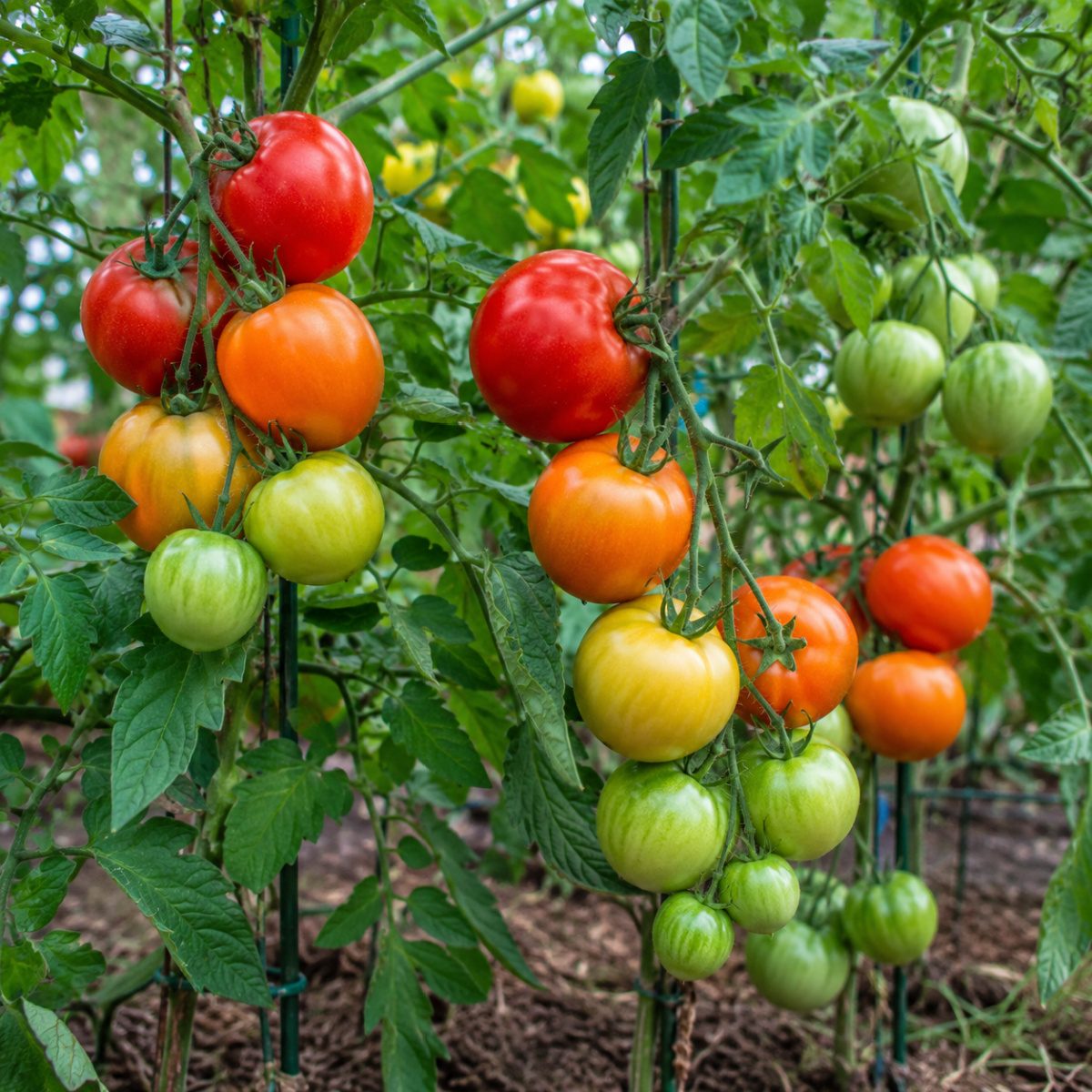
Not every green tomato is developed enough to ripen after it is picked. Small, hard fruit that formed late in the season usually will not mature properly once removed from the vine. However, tomatoes that have reached their full size and entered the mature green stage can ripen quite well indoors.
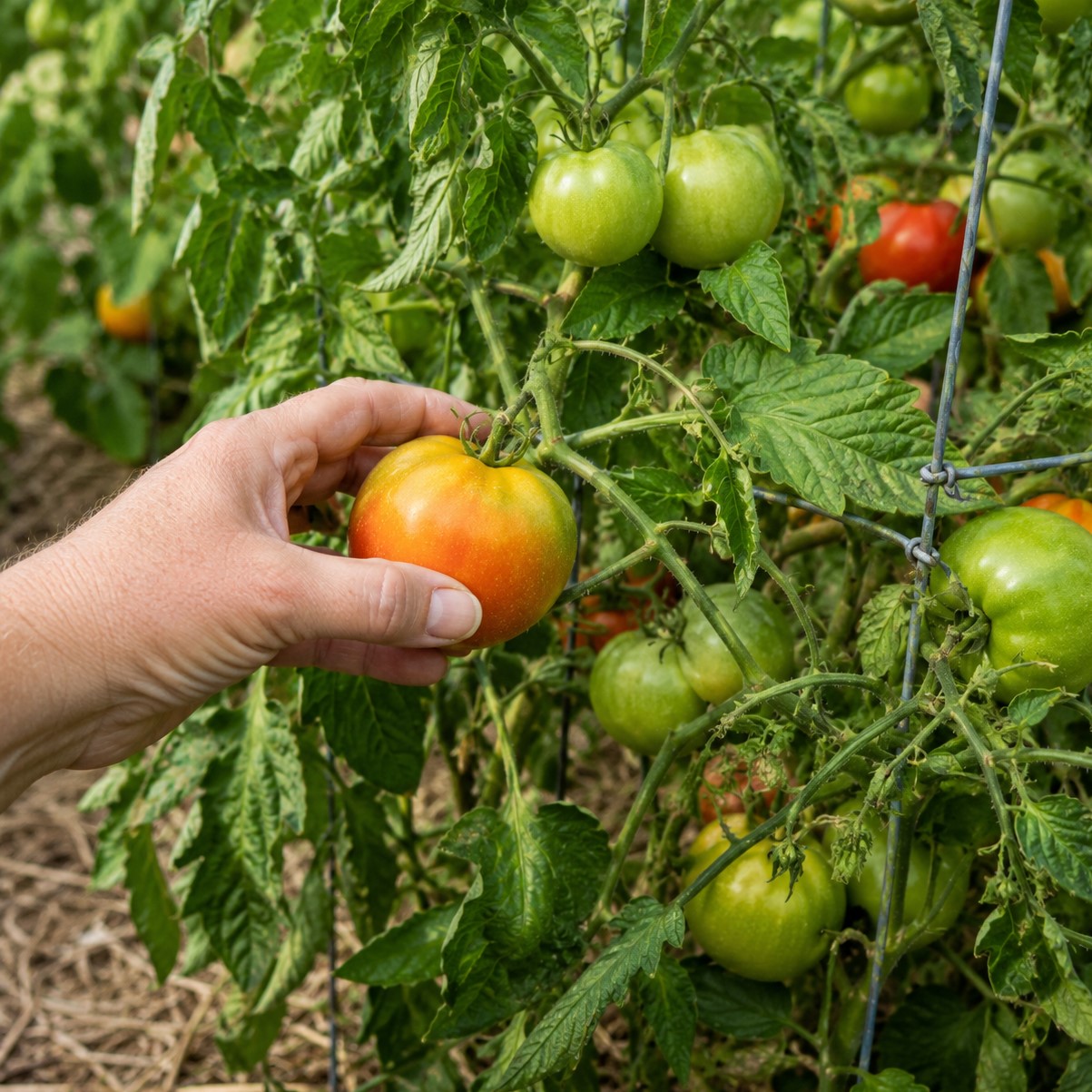
A mature green tomato will have a glossy surface and a lighter green or whitish-green color. It should feel firm but no longer rock hard. Many mature tomatoes will also show faint streaks of their final color near the blossom end.

Always discard tomatoes that are cracked, bruised, diseased or damaged by frost. These fruits are far more likely to rot in storage and can quickly cause nearby tomatoes to spoil as well. Now let's take a look at 4 great ways to save those green tomatoes!
#1 Remove New Blooms And Tiny Tomatoes
If frost is still a few weeks away, one of the best ways to speed up ripening is to help the plant redirect its energy into the fruit it already has. Tomato plants often continue producing flowers and tiny tomatoes late into the growing season – even though there is not enough time for them to mature.
Remove all new blooms along with any tiny, undeveloped tomatoes. These late additions pull valuable energy and nutrients away from the larger tomatoes that have a realistic chance of ripening.
Next, trim away yellowing, damaged or diseased leaves. You can also remove a few excessively thick branches that prevent good airflow around the fruit. Avoid heavily pruning the entire plant, since healthy leaves are still needed to produce energy and protect tomatoes from sunscald.
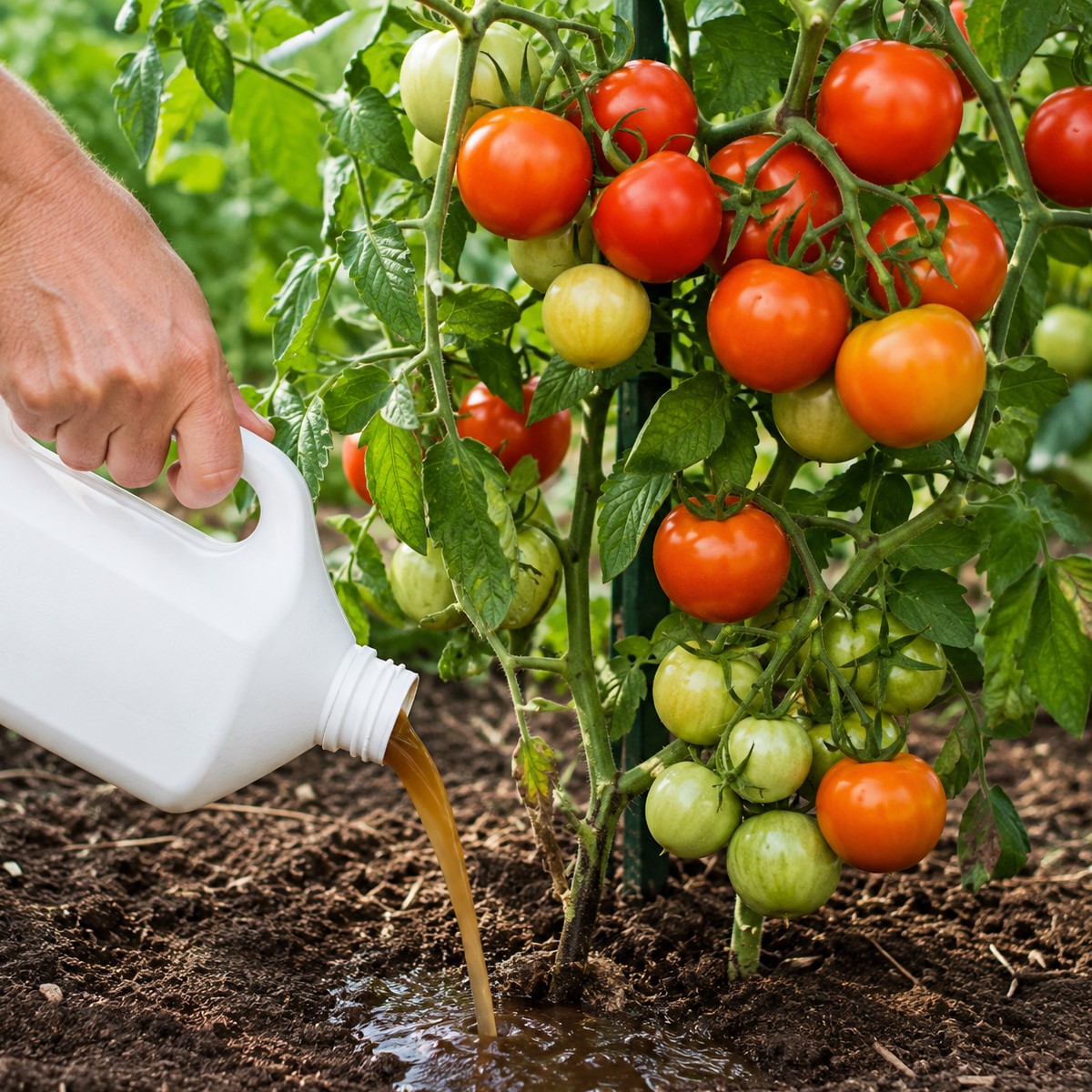
Stop fertilizing the plants as well. Late applications of high-nitrogen fertilizer encourage the plant to produce more stems and leaves instead of concentrating on ripening its existing fruit. At this point in the season, new growth is the last thing a tomato plant needs.

#2 Protect The Plants Light Frosts
When only one or two cold nights are expected, covering tomato plants can buy valuable ripening time. Even an extra week or two on the vine can allow many full-size green tomatoes to begin changing color.
Before sunset, cover the plants with frost cloth or old bed sheets The covering should extend all the way to the ground so it can trap warmth rising from the soil. Use stakes or supports to keep heavy material from resting directly on the foliage.
Avoid using plastic directly against the leaves. Plastic provides little insulation where it touches the plant, and the foliage can still freeze. If plastic is your only option, place it over hoops or stakes so it does not contact the plant. Remove the covering the following morning once temperatures rise above freezing. Leaving plants covered during a sunny day can trap too much heat and moisture.
Covering works well for a brief, light frost, but it will not protect tomatoes from a hard freeze or several consecutive freezing nights. When that weather is forecast, harvest all mature fruit and bring it indoors.
#3 Use A Paper Bag Or Cardboard Box To Ripen The Last Green Tomatoes
One of the easiest ways to ripen picked green tomatoes is to place them inside a paper grocery bag or shallow cardboard box. Unlike plastic containers, paper and cardboard allow a small amount of airflow while trapping some of the ethylene gas the tomatoes naturally release.
Place the tomatoes in a single layer, leaving a little room between each fruit. For faster ripening, add a ripe banana or apple. Both fruits release additional ethylene gas, which helps trigger and accelerate the ripening process. We keep our tomatoes on our drying rack to do this as well. See our article: How To Ripen Or Dry Fresh-Picked Garden Vegetables With A DIY 2×4 Harvest Rack!

Close the bag loosely or cover the box with newspaper. Store it in a dry location where the temperature remains between 65° and 75°F. A pantry, kitchen counter or spare room can work well. Tomatoes do not need direct sunlight to ripen – warmth is far more important.
Inspect the fruit every day or two. Remove tomatoes as they begin to ripen and immediately discard any that develop soft spots, mold or leaking cracks. One damaged tomato can quickly spoil several healthy ones around it.
Do not wash tomatoes before placing them in storage. Excess moisture encourages mold and decay. Instead, gently brush away loose dirt and wash the fruit just before using it.
#4 Hang The Entire Tomato Plant Indoors
If a hard freeze is approaching and your plants are still have loads of green tomatoes, try pulling up the entire plant and hanging it indoors. This old-fashioned method can allow the tomatoes to ripen gradually while they remain attached to the vine.
Choose the healthiest plants and remove any diseased foliage or damaged fruit. Pull or dig up the plant, shake off the loose soil and hang it upside down from a sturdy hook, rafter or nail. A garage, basement, barn or enclosed porch can work as long as the space remains above 50°F. The ideal location should be dry, protected from freezing and have reasonable airflow. It does not need to receive sunlight.

This method is especially useful when you have too many green tomatoes to place in bags or boxes. It also allows the fruit to ripen more gradually, helping prevent dozens of tomatoes from becoming ripe at the same time.
Slowing Down The Ripening Process
Sometimes the biggest challenge is not getting green tomatoes to ripen – but keeping all of them from ripening at once. To slow the process, store mature green tomatoes in a cooler location between 55° and 60°F.
Wrap individual tomatoes loosely in newspaper or place them in a single layer inside shallow boxes. Keep the fruit dry and prevent tomatoes from touching whenever possible. Check them at least twice each week for signs of ripening or spoilage.
When you are ready to ripen a batch, move several tomatoes into a warmer room. Placing them in a paper bag with a ripe apple or banana will speed up the process.
Never store unripe tomatoes in the refrigerator. Temperatures below 50°F can damage their texture and flavor, making it difficult for them to ripen properly afterward. Here is to saving the last of your tomatoes and getting them to ripen before your first killing frost this fall! Happy Gardening - Jim & Mary.
The Farm @ Old World Garden
Jim and Mary Competti have been writing gardening, DIY and recipe articles and books for over 16 years from their 46 acre Ohio farm. The two are frequent speakers on all things gardening and love to travel in their spare time.
As always, feel free to email us at thefarm@owgarden.com with comments, questions, or to simply say hello! You can sign up for our free email list in the subscribe now box in the middle of this article. Follow us on Facebook here : OWG Facebook. This article may contain affiliate links.
More tomato plants
- How To Bring Tired Tomato Soil Back To Life This Fall - Recharge Your Soil Now For Next Year!
- What To Do With Tomato Plants In Late Summer - 3 Secrets To Keep Your Plants Producing Until Fall!
- The Best Way To Fertilize Tomato Plants In Late Summer - Grow More Tomatoes Than Ever!
- How To Know When To Pick A Tomato - The Absolute Best Time To Harvest A Tomato!