What To Do With Hydrangeas After They Bloom In The Summer - And Why It Matters!
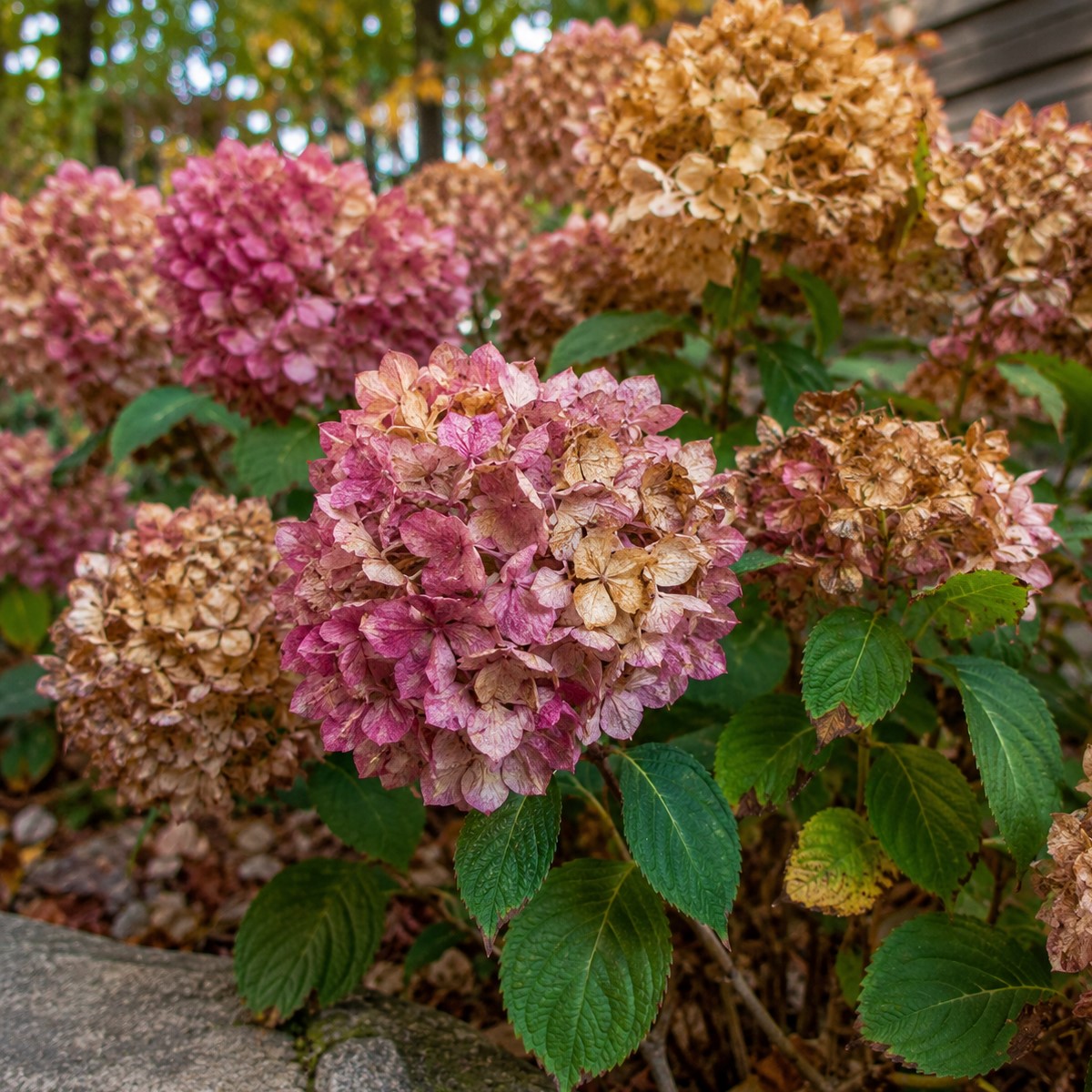
Wondering what to do with your hydrangeas this summer after they finish blooming?
Hydrangeas are one of the most popular plants of all for growing in the landscape, but did you know that how you care for your summer flowering hydrangeas after they bloom can make a huge difference in how they perform next year? And whether they bloom big – or not at all?
No matter what variety you grow, hydrangeas require a bit of care now and then to keep them blooming strong. Especially at two very critical times for the plant: while they are flowering, and even more, right after they complete their blooming cycle.

How To Care For Hydrangeas After They Bloom In The Summer
Deadheading Hydrangeas
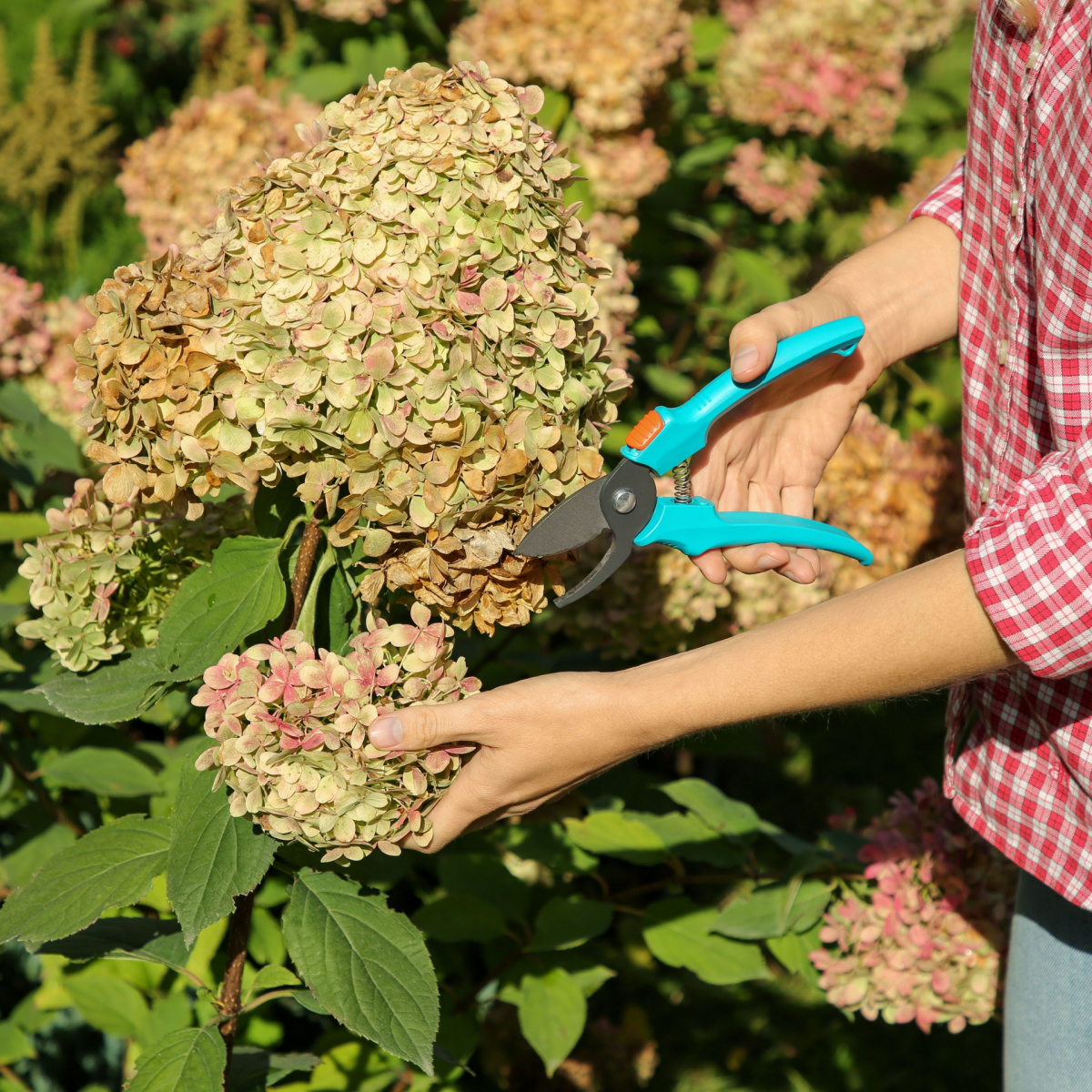
Deadheading is the practice of snipping or cutting off old blooms as they begin to die off. For annual flowers, deadheading helps the plant to generate and produce new blooms. But for perennial hydrangeas, deadheading helps for a whole different purpose.
First and foremost, deadheading your hydrangeas as the blooms fade will help keep your plants looking fresh and alive. But the benefits go far beyond just aesthetics. Removing dying hydrangea blooms also allows the plant to conserve resources for the remaining blooms it still has to open.
The fact is, as long as a hydrangea flower remains intact on the plant, it continues to use energy. It does this in an attempt to heal and rejuvenate the fading flower. Of course, no amount of energy will help it, but as long as the stem and bloom remain, the plant will keep trying to fix it.
How Often To Deadhead
Unfortunately, if the old bloom remains on the plant long enough, the plant then begins to send even more energy and nutrients to it to help the old stem and flower produce seeds. And even more power is lost.

All of that wasted energy can leave the plant weak. And without energy, it can struggle to give the last of the remaining blooms the nutrients they need to flower strong and bright. That weakness can also result in less than ideal foliage.
But as you will see below, even more importantly, all of that energy loss can also hurt how well your hydrangea will bloom next year too! The good news is that as soon as an old flower is removed, the energy is redirected for a better use.
Deadheading is important all through the flowering process. Start early as your first flowers start to fade. It’s best to remove as many as possible right at the beginning of flowering to keep energy flowing where it’s needed most.
To deadhead properly, cut below the head of the flower and right above the first or second set of leaves below the bloom. When cutting blooms from a plant, always be sure to use sharp, clean, and sanitized pruners.
More than anything, a good, sharp pair of pruners will go a long way to make quick and easy work of the chore. Because many hydrangeas can be quite large, a set of long handled and short pruners are ideal to have on hand. Affiliate Link: Centurion 1222 3-Piece Lopper, Hedge Shear & Pruner Combo Set

Pruning Back Hydrangeas After They Bloom
Once your hydrangea completes its blooming cycle, there is still a bit of work to do. But what you need to do will depend on what variety you are growing. The good news is that even if you don’t know exactly what type you are growing, you can usually tell the variety by when it blooms.
In general, you need to prune summer blooming hydrangeas immediately after they finish blooming. These varieties include oakleaf (including mophead tree types), bigleaf, climbing and mountain varieties. All of these varieties produce the following season’s flowers on the new growth that occurs to the plant after it finishes blooming in the summer.
This is referred to as blooming on “old wood” on a hydrangea plant. It simply means that whatever new growth that occurs from mid-summer up until the first hard frost, that wood will contain the blooms for next year’s flowers.
Don't Wait Too Long!
Unfortunately, if you wait until late summer or fall to prune these varieties back, you are also pruning off the wood that holds the following season’s blooms.
It is an all-too common mistake among hydrangea growers. In fact, when most gardeners have trouble getting their hydrangeas to bloom, it’s quite often due to pruning their bushes too late the previous year – and not to poor plant or soil health.

Try to prune back your hydrangeas within a week or two after the end of their blooming cycle. Begin by deadheading any remaining old blooms. Again, if left, they will form seeds. And that process takes power from the plant that should be going to storing up for next year’s blooms.
Once you have removed all of the old blooms, prune the plant’s branches lightly for shape. When pruning old-wood blooming hydrangeas, less is more. Hydrangeas don’t need to have major pruning to continue blooming. Simply prune to control wild branches and to keep the plant’s form in tact.
Late Summer / Fall Booming Hydrangeas
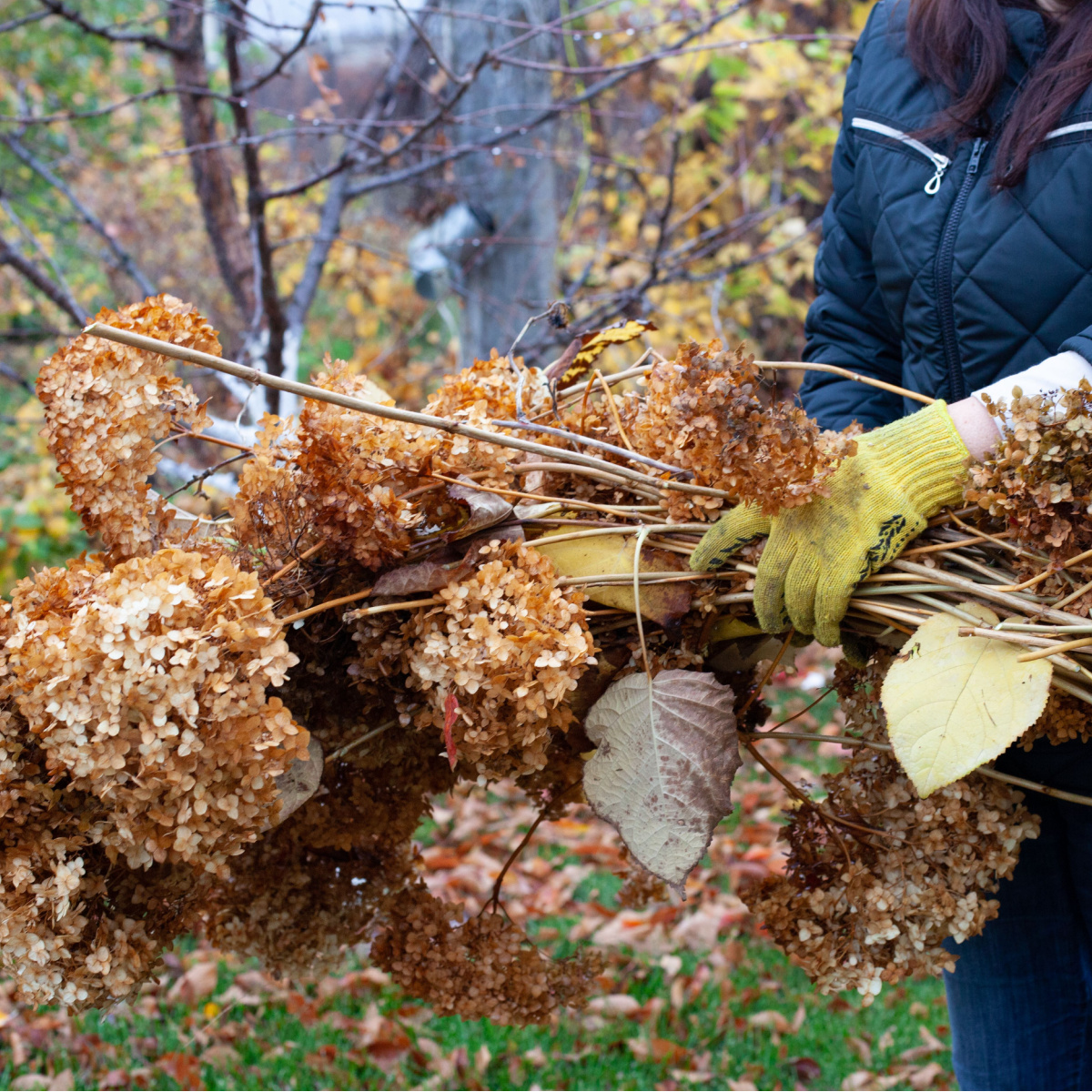
For smooth and panicle varieties, pruning should be done in late winter or very early spring. These varieties produce their blooms on new wood and bloom in late summer to fall. By pruning the plant before new growth occurs, you are in no danger of removing future blooms.
However, pruning these varieties during the growing season will eliminate same year blooms. Again, much as with summer blooming varieties, late summer and fall hydrangeas do not need to be heavily pruned. Simply prune for shape and control.
Avoid Late Fertilizing – How To Care For Hydrangeas In The Summer After They Finish Blooming
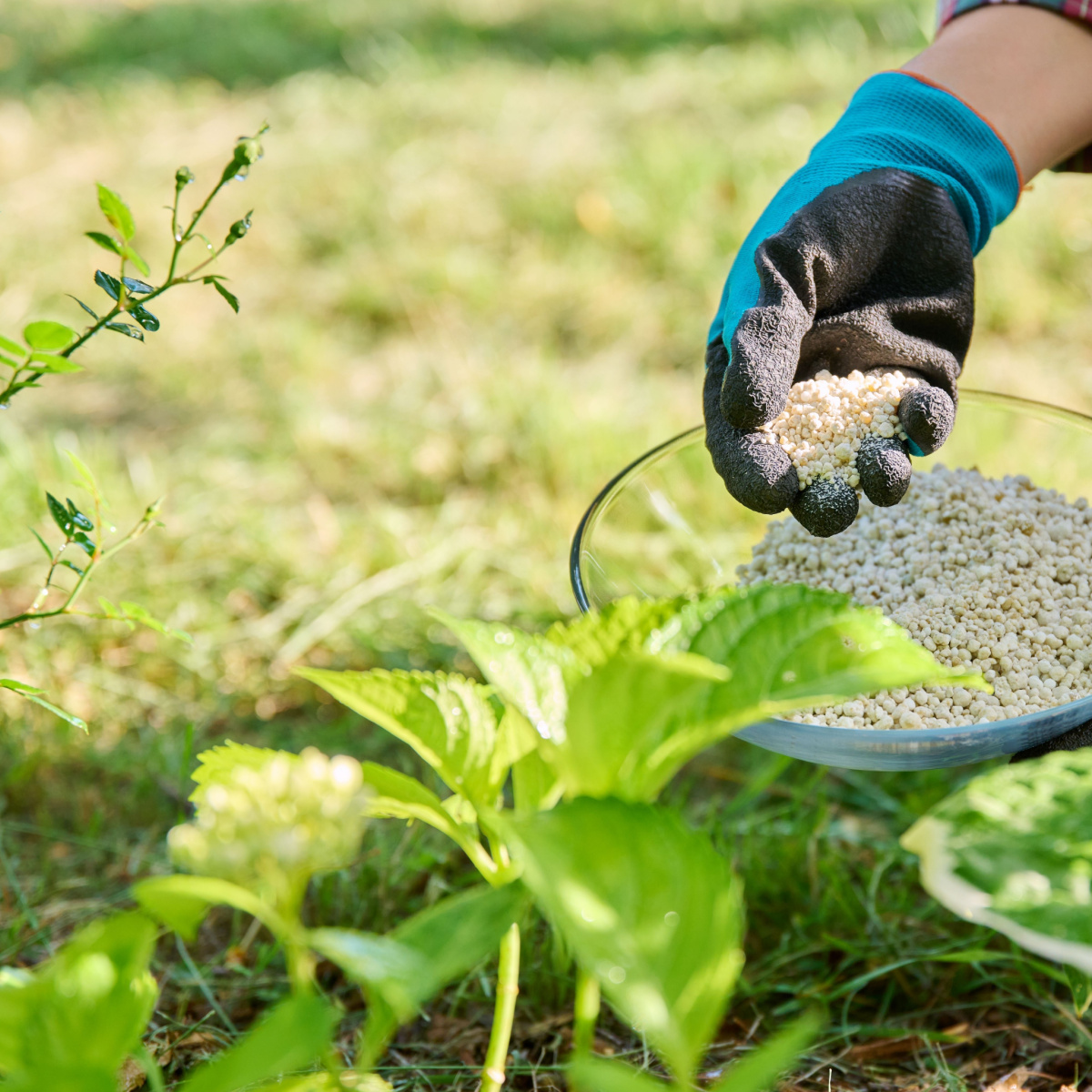
Fertilizing hydrangeas in the early spring before they flower can help create stronger and more vibrant bloom sets. But not in the summer or fall. Avoid fertilizing hydrangeas after they finish blooming as well as late in the growing season.

Fertilizing after they bloom or late in the summer/early fall will cause too much unwanted growth. Growth that is then highly susceptible to winter damage. Not only can it put next year’s bloom set at risk, it can put the overall health of the plant at risk as well.
This “spring only fertilizing” approach applies to all types of hydrangeas, including both summer and late summer/fall flowering varieties. When you do fertilize in the spring, there is no need for special and very expensive formulated mixes for hydrangeas. A simple, well balanced fertilizer is more than enough to do the job.
Here is to knowing what to do with your hydrangeas after they bloom in the summer - and to bigger and better blooms next year! Happy Gardening - Jim & Mary.
Old World Garden Farms
Jim and Mary Competti have been writing gardening, DIY and recipe articles and books for over 16 years from their 46 acre Ohio farm. The two are frequent speakers on all things gardening and love to travel in their spare time.
As always, feel free to email us at thefarm@owgarden.com with comments, questions, or to simply say hello! You can sign up for our free email list in the subscribe now box in the middle of this article. Follow us on Facebook here : OWG Facebook. This article may contain affiliate links.
More Hydrangea
- How To Save Hydrangea Blooms - A Simple Way To Preserve Those Gorgeous Big Blooms This Summer!
- What To Do With Your Hydrangeas As Soon As They Finish Blooming - And Why It's So Important!
- The 2 Most Important Times To Fertilize Hydrangeas - And How To Do It!
- 3 Big Mistakes Gardeners Make With Hydrangeas In The Fall - And How To Avoid Them!