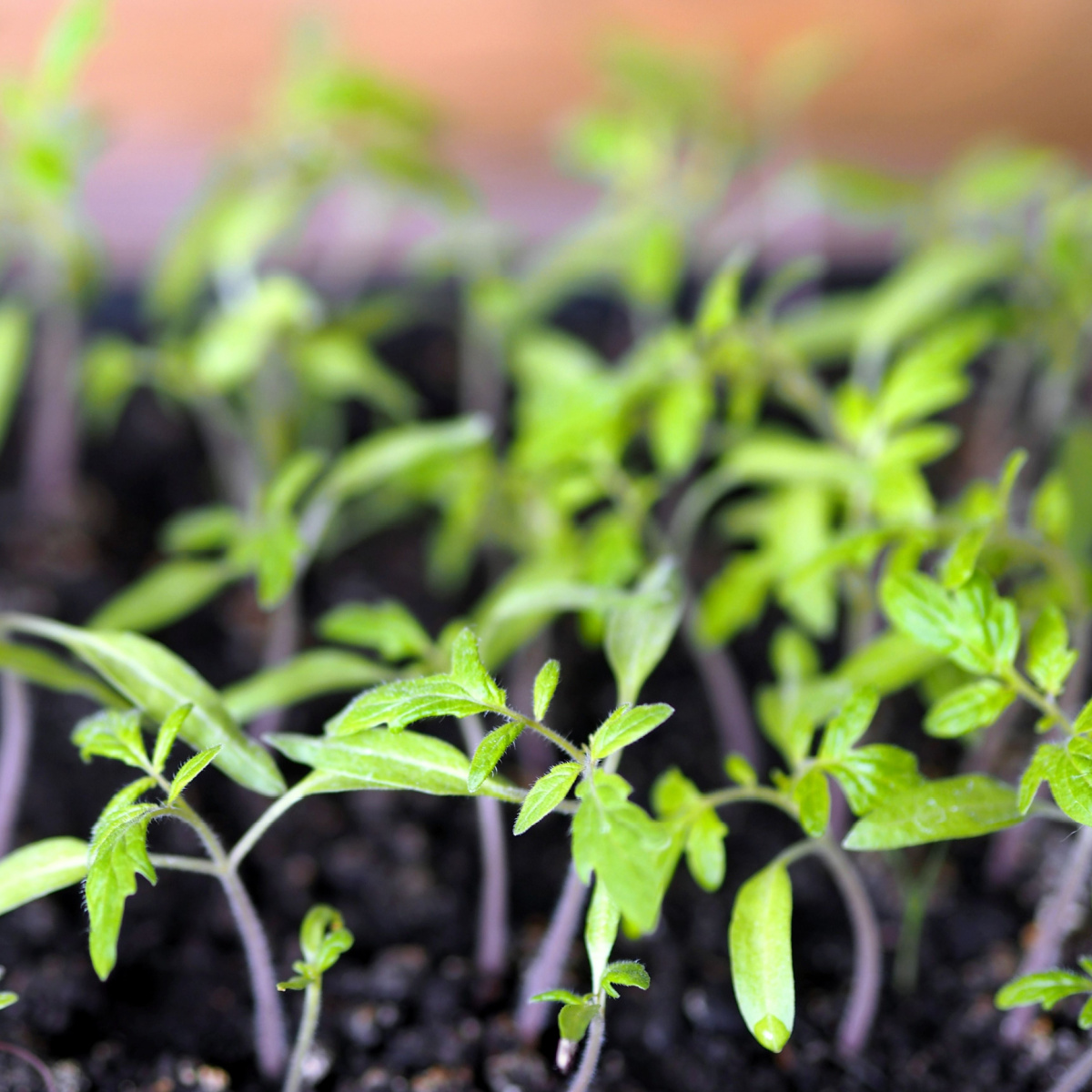
Looking for the easiest and best way to start your own vegetable plants from seed indoors this year?
Starting seeds indoors can be an intimidating process for a lot of gardeners. Especially for those new to gardening. But when it comes right down it, by following just a few simple tried and true tricks of the seed starting trade – anyone can have success starting their own vegetable plants indoors.
The best part of all, there is no need for fancy or expensive equipment. Nor does it require hours and hours of endless and tedious work. In fact, with just the most basic of seed starting supplies, you can grow strong, productive and healthy plants for your garden – all while saving big money in the process!
The Best Way To Start Vegetable Plants From Seed
Start With The Right Soil
One of the biggest mistakes made when starting seeds indoors is not using the proper soil. Seeds germinate and grow better when they have nutrient-filled soil that is both loose and well draining.
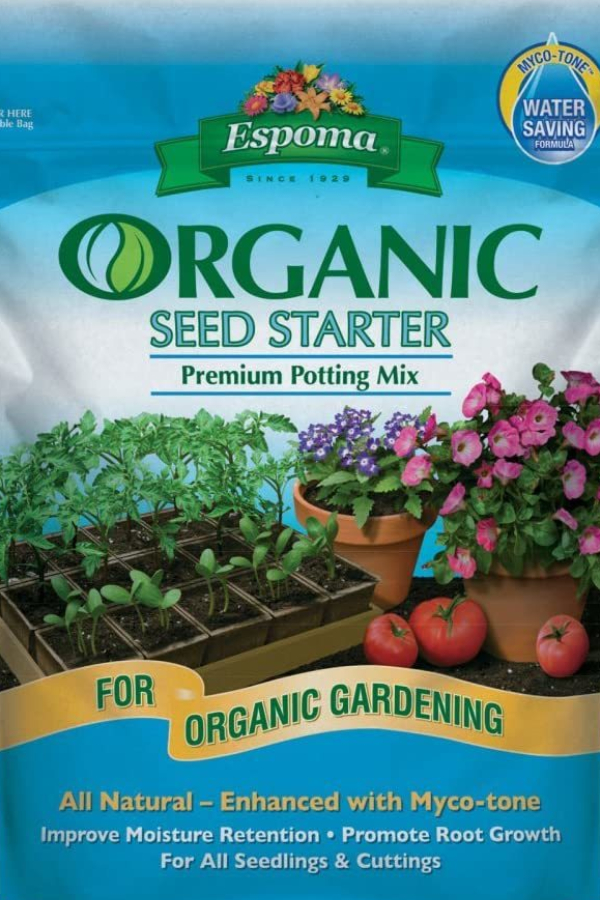
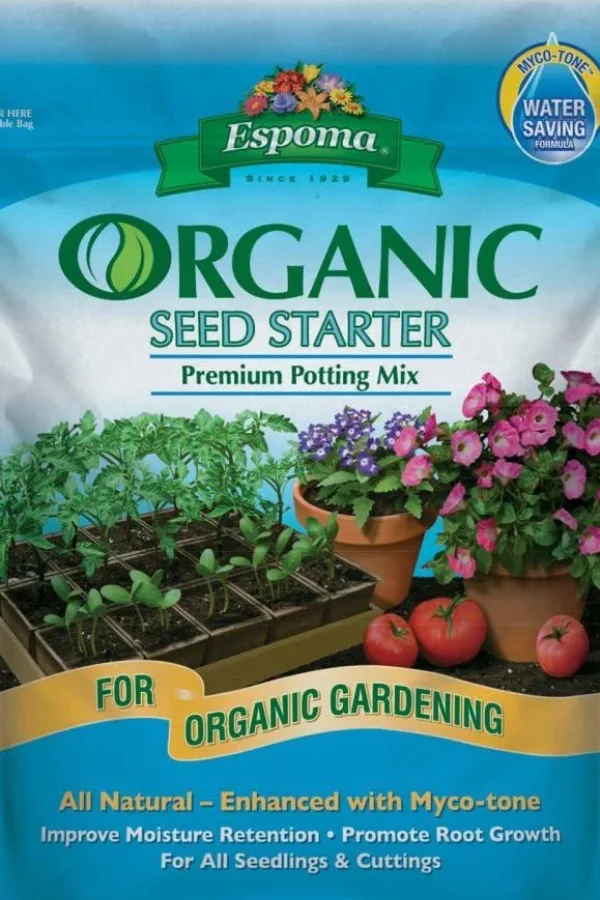
Using garden soil, top soil or old, dried out potting soil are all big no-no’s when trying to start seeds. Instead, use a quality seed starting soil or enhanced potting soil that has plenty of nutrients for powering young seedlings. Affiliate Product Link: Espoma Seed Starting Soil
There are plenty of great options on the market when it comes to seed starting soil. You can also use a few simple ingredients to make your own easily as well. How To Create Perfect Seed Starting Soil – With Just 4 Simple Ingredients.
The most important thing is to make sure whatever you use, your soil is loose, fertile, and has great moisture retaining qualities around the seed!
Always Use Fresh Seeds When Starting Vegetable Plants From Seed
Great transplants start with great seed. If you are not saving your own seeds from year to year, purchase good, fresh seed stock from a reputable source. Be leery of those old dusty seed racks in the back of stores!
Old seeds, or seeds that have been stored improperly can lose their strength and vitality quickly. For starters, it can lead to poor germination. But even more, those that do germinate from older seed can be weak and feeble.
Use seed that is no older than twelve to 18 months. We try to never use seeds that we have had more than one additional season. In other words, if we purchase a new packet of seeds this year, we will keep the unused seeds stored safely in our refrigerator until next year to use one more time.
After that, we discard the seeds and order new. For just a few dollars, it is far better to purchase seeds that are fresh and viable for planting.
Start Your Seeds Indoors At The Right Time
When you start your vegetable plants from seed indoors, getting the timing of planting right is critical to success. Starting too early often leads to tall, weak seedlings, while starting too late can delay harvests and reduce yields. The key to success is not guessing, but following a simple and reliable timing method that works for almost every type of vegetable.
The easiest way to get the timing right is to count backward from your average last frost date. Take that date and then add together two things: the number of weeks listed on the seed packet for indoor starting, plus two extra weeks. Those added weeks give your plants time to adjust, harden off, and be ready to move outdoors once the weather and soil are truly ready.
By using this simple “count back” method, you avoid common seed-starting mistakes and end up with plants that are the perfect size at planting time. Your seedlings will be sturdy, well-rooted, and ready to grow fast once they go into the garden, setting you up for a healthier and more productive vegetable season.
Listen To Our Podcast On Starting Seeds Indoors!
Use The Right Lights – And Not Your Windowsill!
Plain and simple – sunny windows and windowsills are not a good option for growing vegetable plants from seed. Plants will germinate and grow, but the light source is too far away for proper growth.
Plants growing in windowsills end up being extremely weak, thin and leggy. But don’t think just because you can’t grow in a window that you need fancy equipment. The light spectrum required for growing vegetables simply doesn’t require special lighting.
We have been growing our own seeds indoors from ordinary LED shop lights for years. And with great success! Basic LED shop lights work wonders. We like the LED best because they are so inexpensive to operate and last for years without worry! Affiliate Link: Hykolity 4 Pack Linkable LED Shop Light, 4FT – 5000K Daylight
By simply keeping the bulbs about an inch above the plants as they grow, it allows for the seedlings to grow slow and strong. As for heating mats, as long as the room you are growing in is a minimum of 65 degrees, they will grow fine without them.
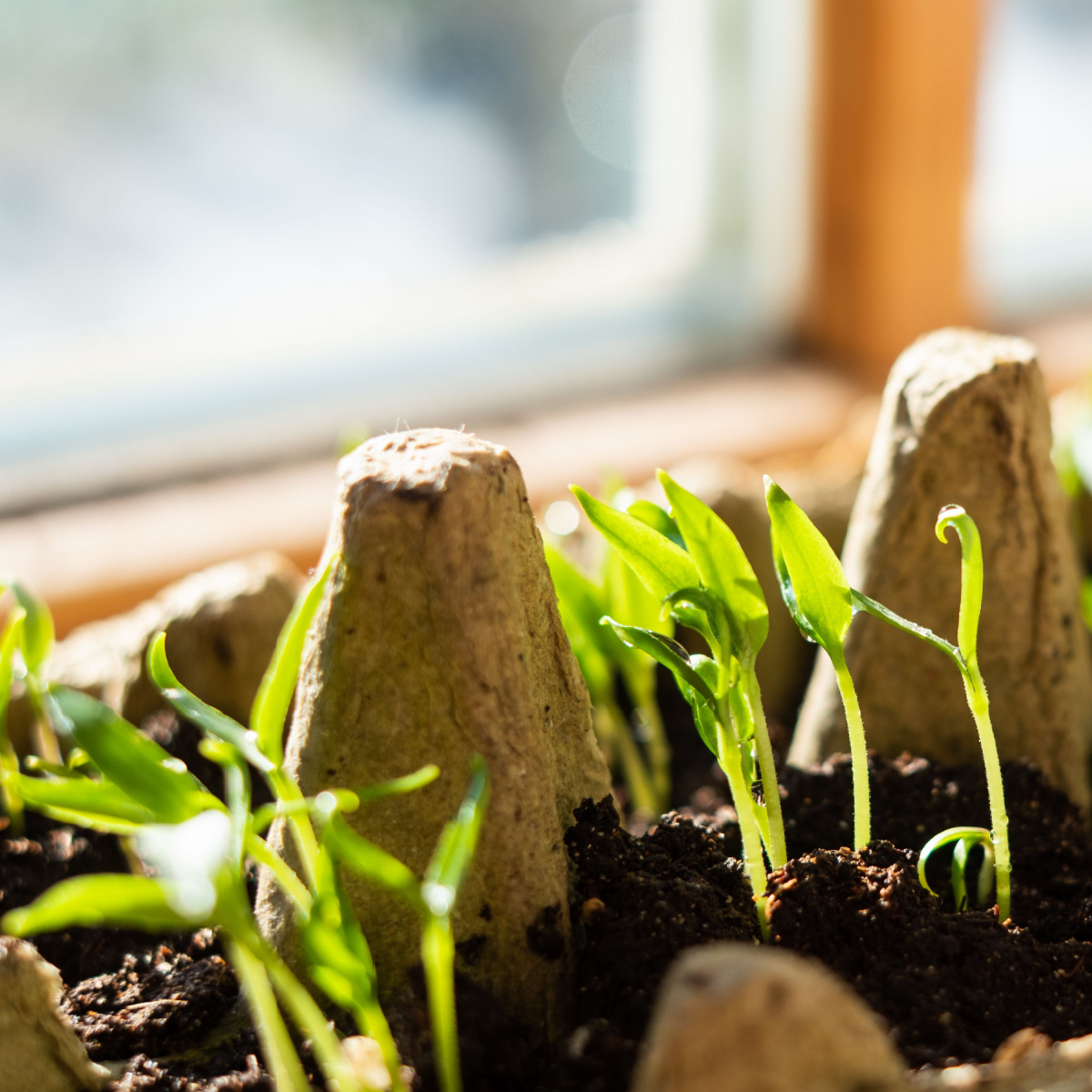
But remember, the warmer the room, the better. Try to place your seedlings in the warmest room of the house. A room that stays near 68 to 70 degrees Fahrenheit is the most ideal for starting seeds.
Giving Seedlings The Proper Water
It can’t be said enough that proper watering is vital for good seedling growth. Water too little, and plants can’t absorb nutrients in the soil. Water too much, and the roots can quickly become water-logged, once again causing them to be unable to absorb nutrients.
To get seeds to germinate, gently water the soil so that it is slightly damp. If the soil is too wet or water-logged, it will rot the seeds and/or drown the frail sprouts. Our favorite way to water newly planted seeds is with a spray bottle.
The mist is perfect for gently moistening the soil without over-saturating the surface. Once you have moistened the soil, cover the trays with a plastic dome or plastic wrap. This will help to keep the soil slightly damp and moist.
Once the first few seeds germinate, take the cover off and put the plants under the lights. After seeds germinate, their water needs will continue to grow weekly. Check the soil with the touch of your fingertip each day. If its dry to the touch, gently water the soil to keep moist. Soil should be on the damp side, but not soggy.
That spray bottle is once again great for watering the first few days after seeds germinate. The mist can’t knock over the tender shoots when they are most vulnerable.
Harden Off Plants Before Planting
Finally, don’t forget to acclimate your plants to the great outdoors by hardening them off before planting day. One of the biggest mistakes made by indoor seed growers is to skip this step before planting, and it can have disastrous results for your plants.
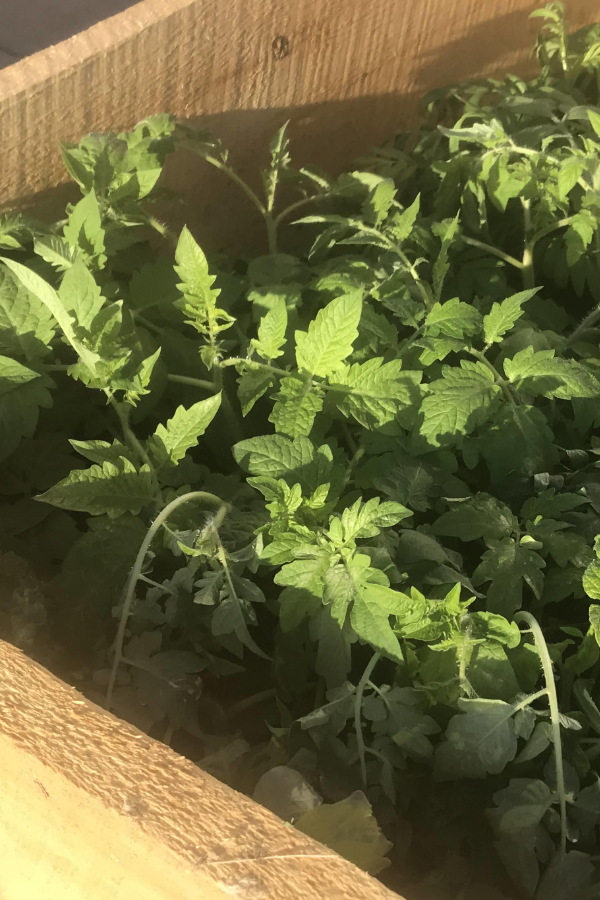
Plants need to get used to the fluctuation of outdoor temperatures. After all, they have been in the comfy confines of the home their whole life up to this point.
A few weeks before planting day, start setting seedlings out on warmer days. Continue to give them more and more outside exposure unless the temperatures are expected to drop to near or below freezing. Hopefully, weather permitting, they can start staying outside around the clock a week or so before planting.
Once planting day comes, your plants are tough and ready to grow. Here is to taking the time to start your vegetable plants from seed indoors this year. Not only will you be rewarded with incredibly tasty vegetables – you can save big money! Happy Gardening – Jim & Mary.
Old World Garden
Jim and Mary Competti have been writing gardening, DIY and recipe articles and books for over 16 years from their 46 acre Ohio farm. The two are frequent speakers on all things gardening and love to travel in their spare time.
As always, feel free to email us at thefarm@owgarden.com with comments, questions, or to simply say hello! You can sign up for our free email list in the subscribe now box in the middle of this article. Follow us on Facebook here : OWG Facebook. This article may contain affiliate links.