How To Fertilize Pepper Plants Right - The #1 Secret To Growing More Peppers This Summer!
Looking for a simple way to fertilize your pepper plants this summer and get them to produce more peppers than ever?
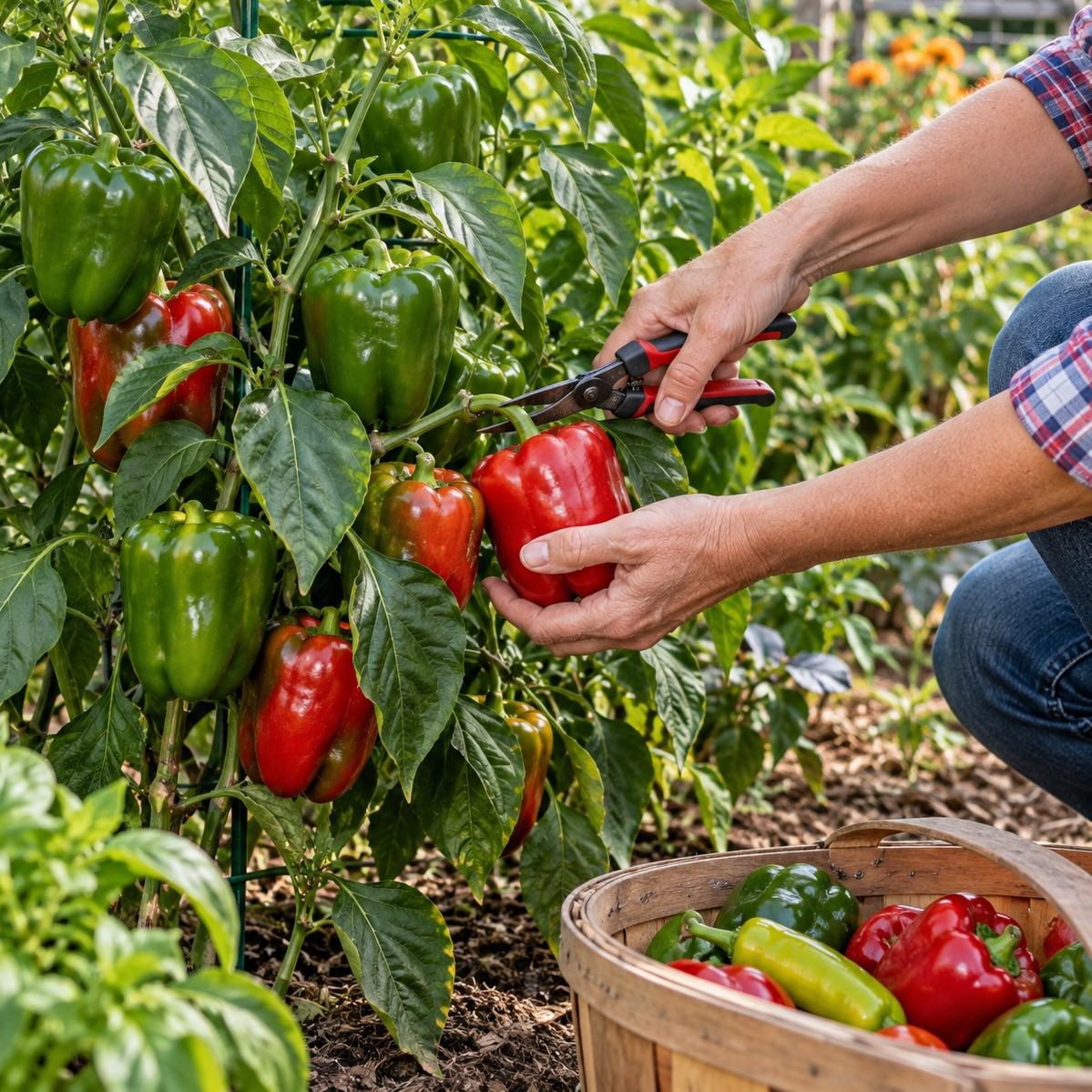
Pepper plants are capable of producing an impressive harvest, often yielding dozens and dozens of peppers from a single plant - if, that is, they have the nutrients to do so. Unfortunately, many gardeners assume that once peppers start forming, the plants no longer need much attention - especially when it comes to fertilizer.
The truth is, pepper plants are heavy feeders that rely on a steady flow of nutrients to keep producing new blossoms and peppers. From bell and banana peppers to jalapeños, sweet varieties, and fiery hot peppers, giving plants the proper fertilizer at the right time is one of the best ways to keep them growing strong and harvesting well into late summer and early fall.

How To Fertilize Pepper Plants In The Summer
Why Mid-Summer Feeding Is So Important
By the middle of summer, pepper plants are working at full capacity. They're producing new blooms, developing peppers, and putting a tremendous amount of energy into keeping that cycle going day after day.
As temperatures rise and plants become covered with blossoms and fruit, it's common for them to begin losing momentum. Even though the leaves may still appear lush and green, flowering often slows down. And with fewer blooms comes fewer peppers to harvest.
This drop in production is usually a sign that the plant has exhausted much of the nutrition available in the soil. While the nutrients added at planting time helped fuel early growth, pepper plants use them up quickly as they mature and begin producing heavily.
When those nutrients become scarce, the plants simply don't have the energy to keep flowering and setting fruit at their highest level. That's why a timely feeding in mid-summer is so important. Giving pepper plants the nutrients they need at the right time can be the difference between a modest harvest and plants that continue producing peppers right into fall.
Giving Pepper Plants What They Need To Produce
To understand why summer fertilizing is so important, it helps to know how a pepper plant's nutritional needs change as it grows. Pepper plants require a steady supply of nutrients throughout the season, especially once they begin flowering and producing fruit.

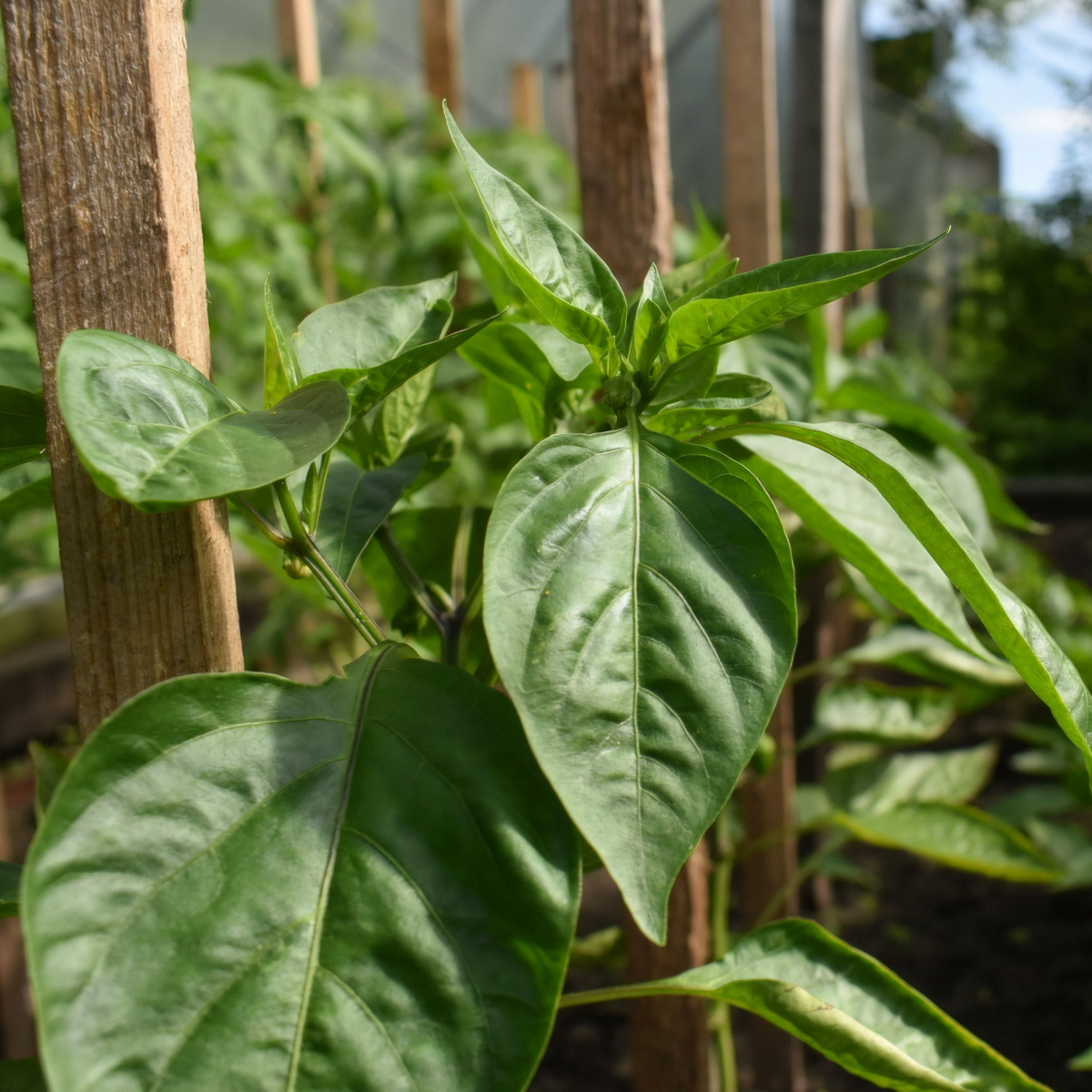
In the early stages of growth, nitrogen is essential. It encourages plants to develop healthy roots and produce the strong stems and leafy growth needed to support future peppers. But once flowering begins, the plant's priorities change.
From that point on, phosphorus and potassium become the nutrients that matter most. Phosphorus plays a critical role in producing blooms, setting fruit, and maintaining a healthy root system. Potassium helps the plant move moisture and nutrients efficiently, which is especially valuable during long stretches of summer heat and dry weather.
When pepper plants receive enough phosphorus and potassium, they are able to produce more blossoms, set more peppers, and continue growing healthy fruit all the way through harvest.
One of the biggest mistakes gardeners make is continuing to use an all-purpose fertilizer once pepper plants begin producing. Most general-purpose fertilizers contain a fairly high amount of nitrogen. While that's great for encouraging early growth, it can work against your plants later in the season.
Too much nitrogen during summer causes pepper plants to put their energy into growing more leaves and stems instead of producing blossoms and fruit. The result is a large, healthy-looking plant with plenty of foliage—but far fewer peppers.
Listen In To Our Latest Podcast Below!

Powering With The Right Liquid Feed
For the best results, switch to a fertilizer that's lower in nitrogen and higher in phosphorus and potassium. Fertilizer labels display three numbers, such as 10-10-10, which represent the percentages of nitrogen (N), phosphorus (P), and potassium (K).
When feeding pepper plants in summer, look for a formula with significantly more phosphorus and potassium than nitrogen. A fertilizer with an analysis close to 10-15-30 is an excellent choice. It supplies the nutrients plants need to keep blooming and setting fruit while limiting excess leafy growth, helping your pepper plants stay productive throughout the season. Affiliate Link: Jack’s Classic 12-15-30 Veggie Feed Water-Soluble Fertilizer
Feeding For Success
Another mistake gardeners often make is continuing to fertilize pepper plants the same way throughout the entire growing season. While feeding every few weeks may be enough early on, that approach isn't as effective once plants are in full production.
During the height of summer, pepper plants benefit from smaller, more frequent feedings instead of occasional heavy applications. Providing nutrients on a regular basis in a lighter concentration helps keep plants energized without stressing or overfeeding them.
This is exactly where liquid fertilizers have the advantage. Because they don't have to break down in the soil like granular fertilizers, the nutrients are available to the plant almost immediately. That quick absorption makes liquid fertilizers ideal during summer, when pepper plants need a consistent supply of nutrients to support continuous blooming and fruit production.

For the best results, always mix liquid fertilizer at half the recommended strength during the summer months. If the directions call for one tablespoon of concentrate per gallon of water, simply use one-half tablespoon instead.
Using a weaker solution protects plants from fertilizer burn during hot weather while allowing you to feed more frequently. Apply the diluted fertilizer every seven to ten days to provide a steady supply of nutrients. This gentle, consistent feeding schedule keeps pepper plants growing strong and producing peppers without overwhelming them.
How To Feed
To feed your plants, mix the diluted liquid fertilizer and pour it around the base of each pepper plant. Focus on soaking the soil where the roots are growing instead of spraying the foliage. This is especially important on hot, sunny days, when wet leaves can be more prone to scorching.
A small watering can works well for applying fertilizer evenly around each plant, although a garden sprayer can also make the job quick and easy. For the greatest benefit, fertilize when the soil is already slightly damp. Moist soil allows the roots to absorb nutrients much more efficiently than soil that has completely dried out.
Just as important as fertilizing is keeping pepper plants consistently watered. Even the best fertilizer won't do much good if roots don't have enough moisture to absorb the nutrients. During the hottest part of summer, make sure your plants receive regular deep watering.
Rather than watering lightly every day, soak the soil whenever the top one to two inches become dry. Deep watering encourages roots to grow farther into the soil, making plants stronger. It also makes them more drought tolerant, and better able to take in nutrients.
Pairing this watering routine with regular half-strength feedings and the right fertilizer formula will keep your pepper plants healthy, productive, and loaded with peppers all the way into late summer and even early fall.
The Farm At Old World Garden
Jim and Mary Competti have been writing gardening, DIY and recipe articles and books for over 16 years from their 46 acre Ohio farm. The two are frequent speakers on all things gardening and love to travel in their spare time.
As always, feel free to email us at thefarm@owgarden.com with comments, questions, or to simply say hello! You can sign up for our free email list in the subscribe now box in the middle of this article. Follow us on Facebook here : OWG Facebook. This article may contain affiliate links.
More Peppers
- How To Get The Most From Your Pepper Plants In September - 3 Simple Tricks For More Peppers!
- How To Preserve Peppers Without Canning - 5 Easy Ways To Save Your Harvest
- Easy Hot Sauce Recipe - The Perfect Use For Your Hot Peppers
- The Best Way To Fertilize Pepper Plants - How To Get Your Peppers Growing Fast!