
Wondering what to do with your coneflowers after they stop blooming this summer? The good news is that a little late season care can go a long way toward keeping your plants healthy, attractive, and full of blooms for years to come.
While coneflowers are incredibly low maintenance, they still benefit from a few simple tasks once blooming comes to an end. Deadheading spent flowers, dividing overcrowded plants, and preparing them properly for winter can all make a huge difference in how well they perform the following year.
The best part? None of these chores take very long, and the rewards are healthier plants, stronger blooms, and flowerbeds that stay neat and under control.
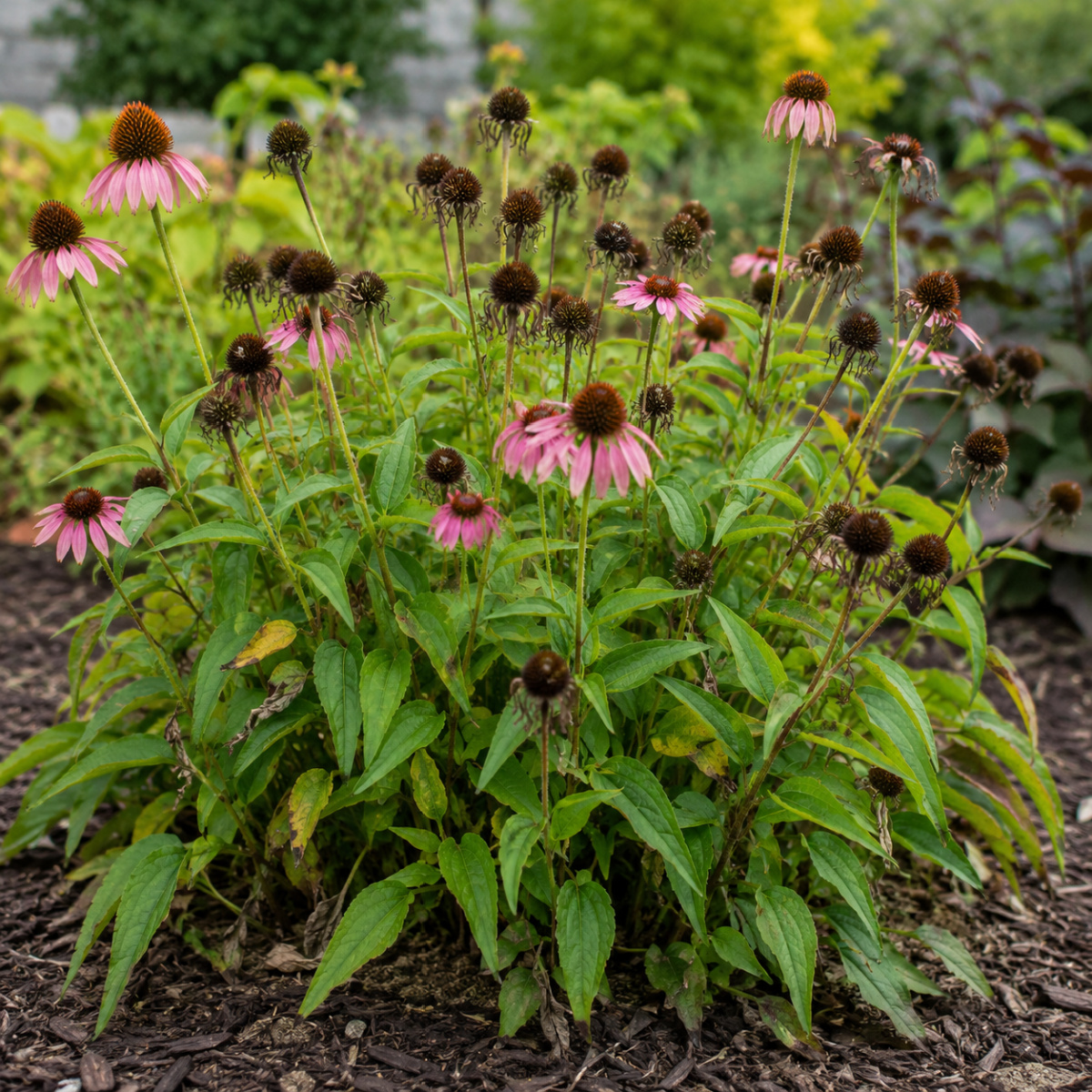
What To Do With Coneflowers After They Bloom
Deadheading Spent Blooms To Keep Plants Strong
The first task to tackle after your coneflowers finish blooming is deadheading. Deadheading simply means removing old, faded flowers before they begin producing seeds.
Although leaving old blooms on the plant won’t kill it, allowing the flowers to mature into seed heads requires a surprising amount of energy. Instead of using its remaining resources to keep foliage healthy and roots growing strong, the plant shifts much of that energy into producing and ripening seeds.
By removing spent blooms early, the plant can redirect those resources toward strengthening its roots and foliage. Healthy foliage is especially important during late summer and early fall because it continues gathering energy that will be stored in the roots for next year’s growth.
Deadheading also keeps plants looking much cleaner. Brown, faded flower heads can quickly make an otherwise beautiful planting appear tired and neglected.
How To Deadhead Coneflowers After They Bloom
Deadheading coneflowers couldn’t be easier. Using a clean pair of hand pruners or garden snips, simply follow the flower stem down to the first set of healthy leaves or the next flower bud. Make your cut just above that point. Many times you can use a pair of hedge shears and simply cut them all back at once.
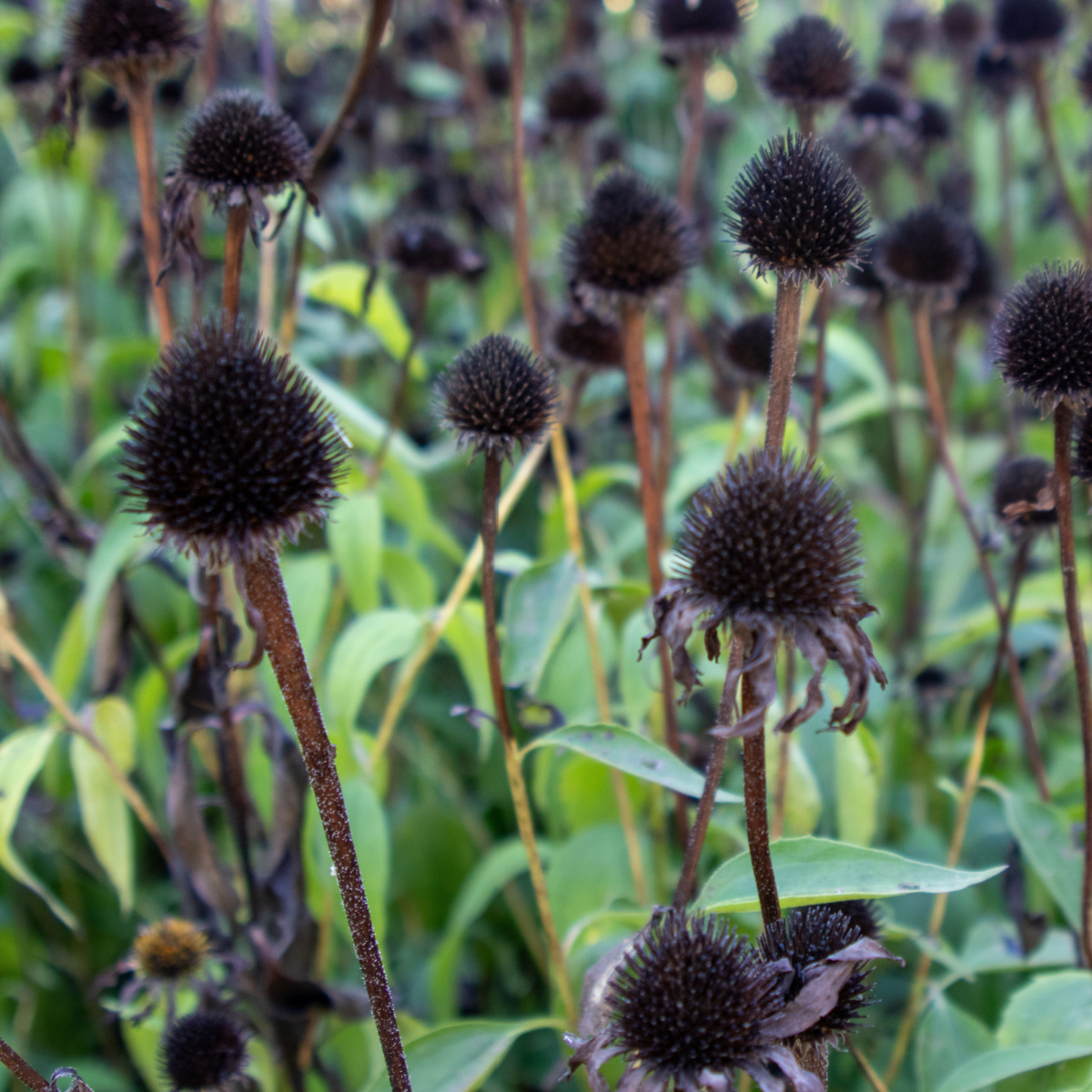
If additional flower buds are still forming lower on the stem, removing the spent bloom encourages those buds to continue developing. As summer begins to wind down and blooming slows, you can remove the entire flower stem back to the main body of the plant if no additional buds remain.
This simple process not only keeps the plant looking tidy but also allows sunlight and air to reach the remaining foliage more easily.
Keeping Coneflowers From Spreading Everywhere
One of the biggest benefits of deadheading is reducing unwanted self-seeding. Coneflowers are excellent self-seeders. If allowed to mature naturally, each seed head can release dozens of seeds into surrounding flowerbeds. Before long, you’ll often find young coneflower seedlings popping up in places where you never intended them to grow.
While a few volunteer plants can certainly be welcome, hundreds of seedlings can quickly overcrowd flowerbeds and compete with neighboring perennials.
By removing spent flowers before seeds fully develop, you dramatically reduce the number of unwanted seedlings the following spring. That said, many gardeners like to leave a handful of seed heads in place near the end of the season.
Why? Goldfinches and many other small birds absolutely love feeding on mature coneflower seeds during late fall and winter. Leaving just a few seed heads gives wildlife an excellent food source while still preventing the plant from spreading excessively.
It’s the perfect compromise between supporting backyard birds and maintaining control over your flowerbeds.
Listen To Our Latest Podcast Below


Dividing Overgrown Coneflowers After They Bloom
Another important late season task is dividing oversized plants. Although coneflowers can grow in the same location for years, eventually large clumps begin to outgrow their space. When this happens, flowering often begins to decline because the crowded roots compete with one another for water and nutrients.
Large clumps can also become thin in the center, with most of the new growth occurring only around the outside edges. Dividing the plant every four to five years helps rejuvenate it and restores vigorous blooming.
Late summer through early fall is the ideal time to divide coneflowers. At this point, the intense heat of summer has usually passed, but the soil remains warm enough for roots to establish themselves before winter arrives.
Giving newly divided plants six to eight weeks before the ground freezes allows plenty of time for fresh root growth.
Avoid waiting until late fall after freezing temperatures arrive. Plants need time to settle into their new location before entering dormancy.
How To Divide Coneflowers
Begin by watering the plant well the day before digging. Using a sharp garden spade, dig several inches outside the root ball and carefully lift the entire clump from the ground.
Shake or wash away enough soil to expose the root system. Using a sharp shovel, garden knife, or even two garden forks, separate the clump into smaller sections. Each division should contain several healthy shoots along with a generous portion of roots.
Trim away any dead or damaged roots before replanting. Place each division into prepared soil at the same depth it was growing originally. Water thoroughly after planting and continue watering regularly whenever rainfall is lacking during the first several weeks.
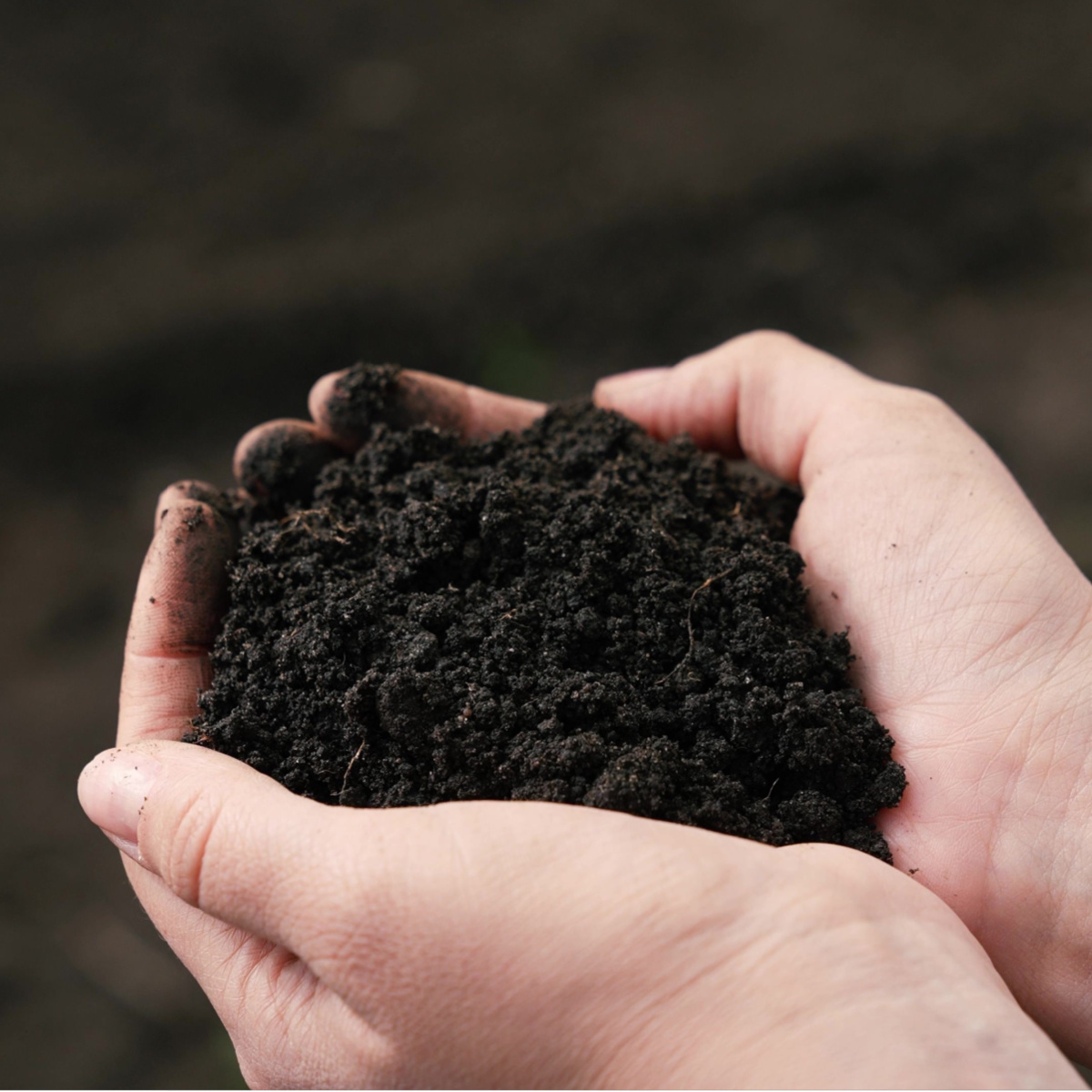
Adding a few inches of compost around each division at planting time also helps improve soil structure while supplying a slow, steady source of nutrients. By the following spring, each new division will begin producing fresh foliage and eventually a full display of blooms. Affiliate Link: Back to the Roots 25.7qt (1 Cubic ft) Organic Premium Compost
Leave Healthy Foliage Alone During Fall
One mistake many gardeners make is cutting back healthy green foliage too early after coneflowers bloom. As long as the leaves remain green, they continue producing food through photosynthesis. That energy moves down into the roots where it is stored for winter and fuels next spring’s growth.
Removing green foliage too early limits the plant’s ability to recharge itself. Instead, allow the foliage to remain untouched until hard frosts naturally kill it back.
Even if the leaves begin looking a little worn by late fall, they are still providing valuable energy until freezing temperatures finally end the growing season.
Cut Back Dead Foliage In Late Fall
Once several hard frosts have turned the foliage brown and completely dormant, it’s time for the final cleanup. Using hand pruners, simply cut all stems back to about two to three inches above the soil surface.
Removing dead foliage helps eliminate places where insects and disease organisms may overwinter. It also leaves flowerbeds looking neat and makes room for fresh spring growth.
After cutting plants back, finish the job by applying mulch around the base of each plant. A two to three inch layer of shredded leaves, straw, bark mulch, or compost helps regulate soil temperature while reducing repeated freezing and thawing during winter.
Here is to giving your coneflowers a little attention after they bloom this summer – and to even better flowering plants next summer! For more after bloom perennial care – check out our article: What To Do With Hostas After They Bloom – How To Revive Hostas In The Summer!
Happy Gardening – Jim & Mary
The Farm @ Old World Garden
Jim and Mary Competti have been writing gardening, DIY and recipe articles and books for over 16 years from their 46 acre Ohio farm. The two are frequent speakers on all things gardening and love to travel in their spare time.
As always, feel free to email us at thefarm@owgarden.com with comments, questions, or to simply say hello! You can sign up for our free email list in the subscribe now box in the middle of this article. Follow us on Facebook here : OWG Facebook. This article may contain affiliate links.