
Looking for the best way to fertilize your tomato plants in late summer to keep them producing a bumper crop of tomatoes?
By late summer, tomato plants have already been through a lot. They have spent months growing roots, stems and foliage. Even more, they have been flowering, setting fruit and ripening tomato after tomato. And all of that work can quickly deplete the nutrients in the soil around their roots.
Unfortunately, this is also the time when many gardeners stop fertilizing their tomato plants altogether. Or, even worse, they continue feeding their plants with the same high-nitrogen fertilizer they used early in the growing season.
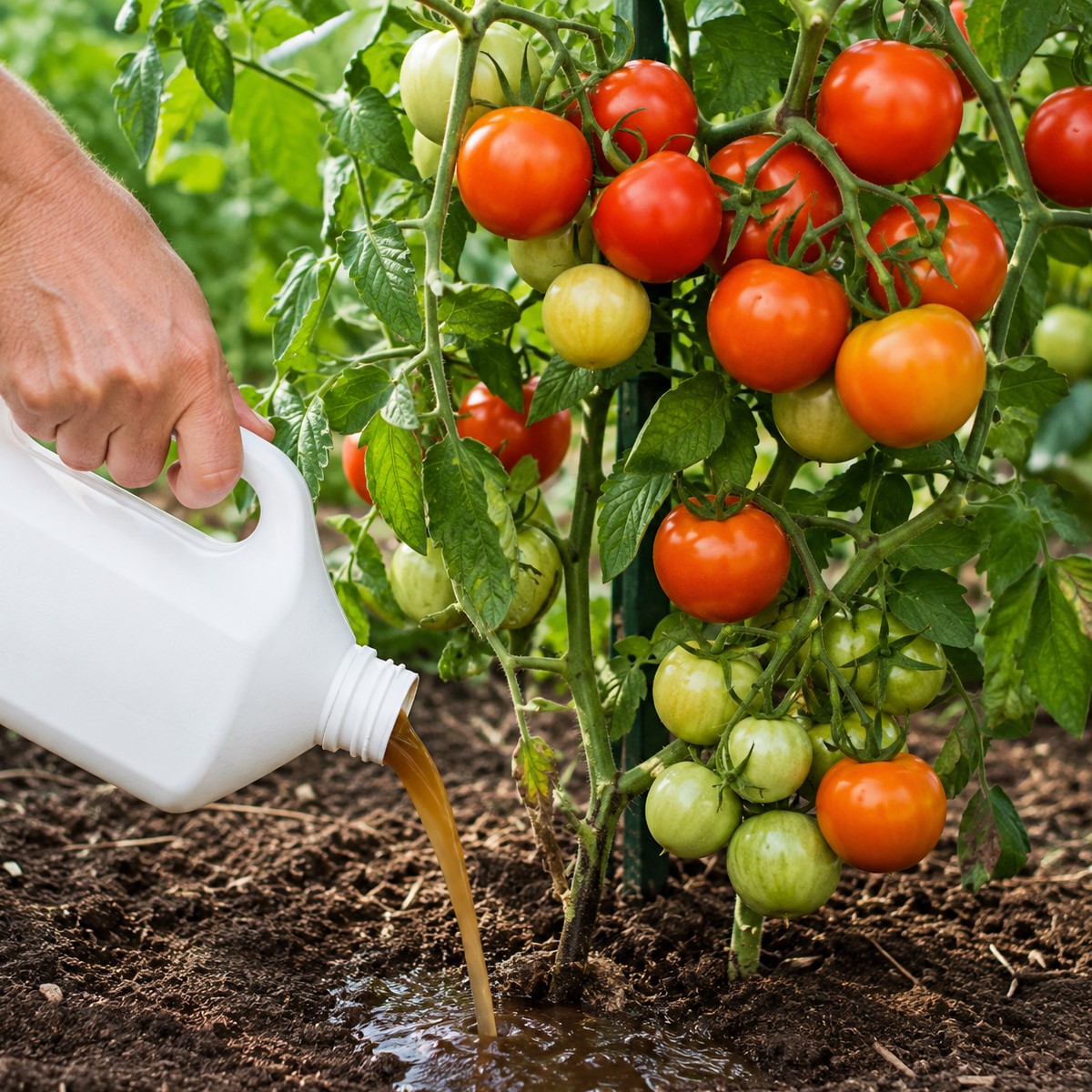
The problem is that what tomato plants need in late summer is very different from what they need when they are young. At this point, you don’t need your plants to grow bigger. Instead, you need them to use their remaining energy to produce more blooms, set more fruit and ripen the tomatoes already hanging on their branches.
And the secret to making that happen is to feed your plants for production – not growth!
How To Fertilize Tomato Plants In Late Summer
Why Tomato Plants Need Different Nutrients In Late Summer
Early in the growing season, tomato plants need a fairly balanced supply of nutrients. Nitrogen is especially helpful during this stage because it encourages strong stem and foliage growth.
That early growth is important. After all, a tomato plant needs a healthy canopy of leaves to absorb sunlight and power photosynthesis. It also needs sturdy stems and branches to support the weight of its future harvest.
But once plants reach maturity and begin producing heavily, their nutritional needs start to change. By late summer, excessive nitrogen can actually work against your tomato harvest. Nitrogen encourages plants to put their energy into growing stems and leaves.
If you continue giving your plants too much of it, they may look incredibly green and healthy but produce fewer flowers and tomatoes. This is why late summer fertilizing should focus more heavily on phosphorus and potassium.
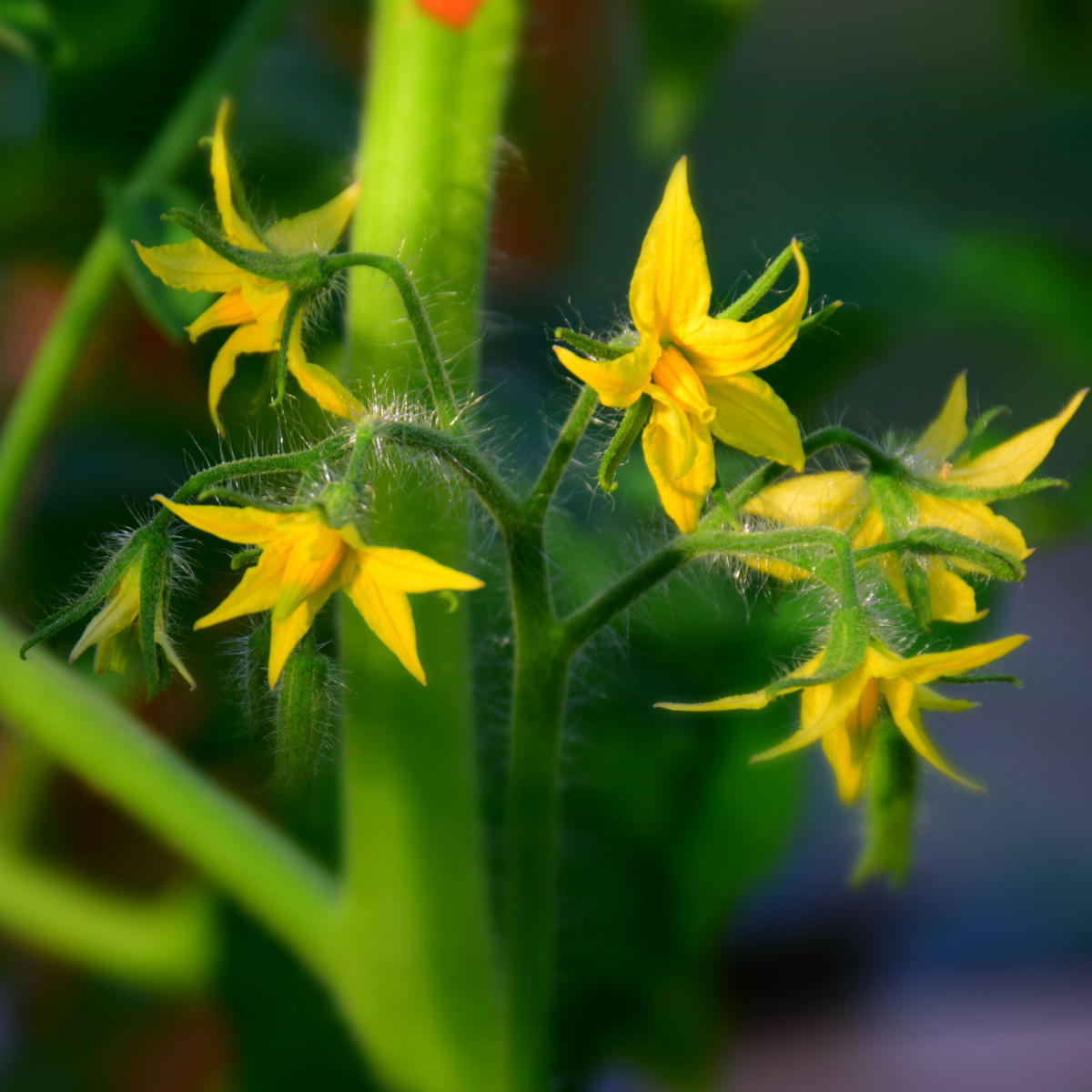
Phosphorus helps support flowering, root development and fruit production. Potassium, meanwhile, plays an important role in overall plant health, flower development and the plant’s ability to develop and ripen fruit.
Simply put – late summer is not the time to grow a bigger tomato plant. It’s time to get the plant you already have to produce!
Choosing The Right Late Summer Tomato Fertilizer
Every fertilizer has three numbers on its label. These numbers represent the percentage of nitrogen, phosphorus and potassium in the fertilizer, commonly referred to as the N-P-K ratio.
The first number is nitrogen, the second is phosphorus and the third is potassium. When feeding tomatoes in late summer, look for a fertilizer where the first number is lower than the second and third numbers. This gives the plant enough nitrogen to maintain healthy foliage without encouraging excessive new leafy growth.
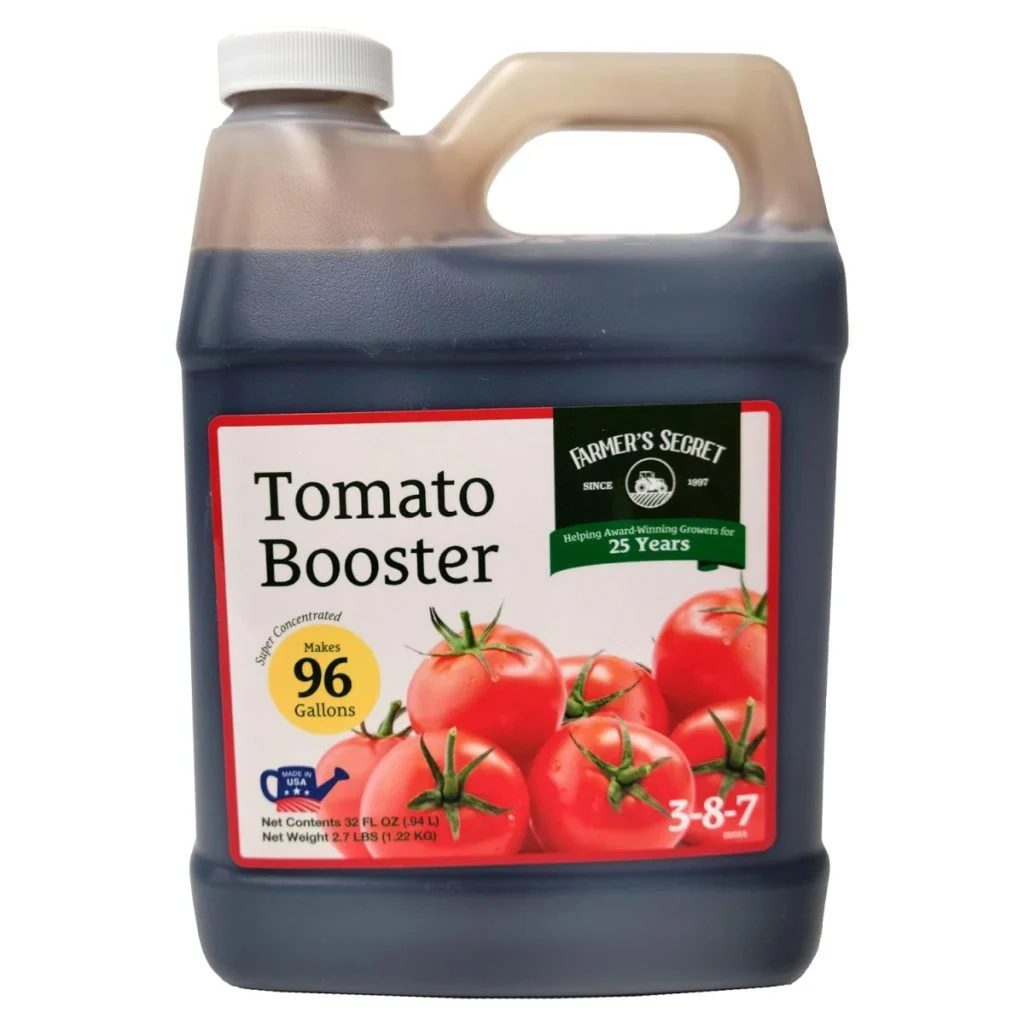
A fertilizer with an N-P-K ratio somewhere around 2-12-12 is a good example of the type of nutrient balance that works well for flowering and fruiting plants. Affiliate Link: Farmer’s Secret Fruit & Bloom Booster Fertilizer – Super Concentrated.
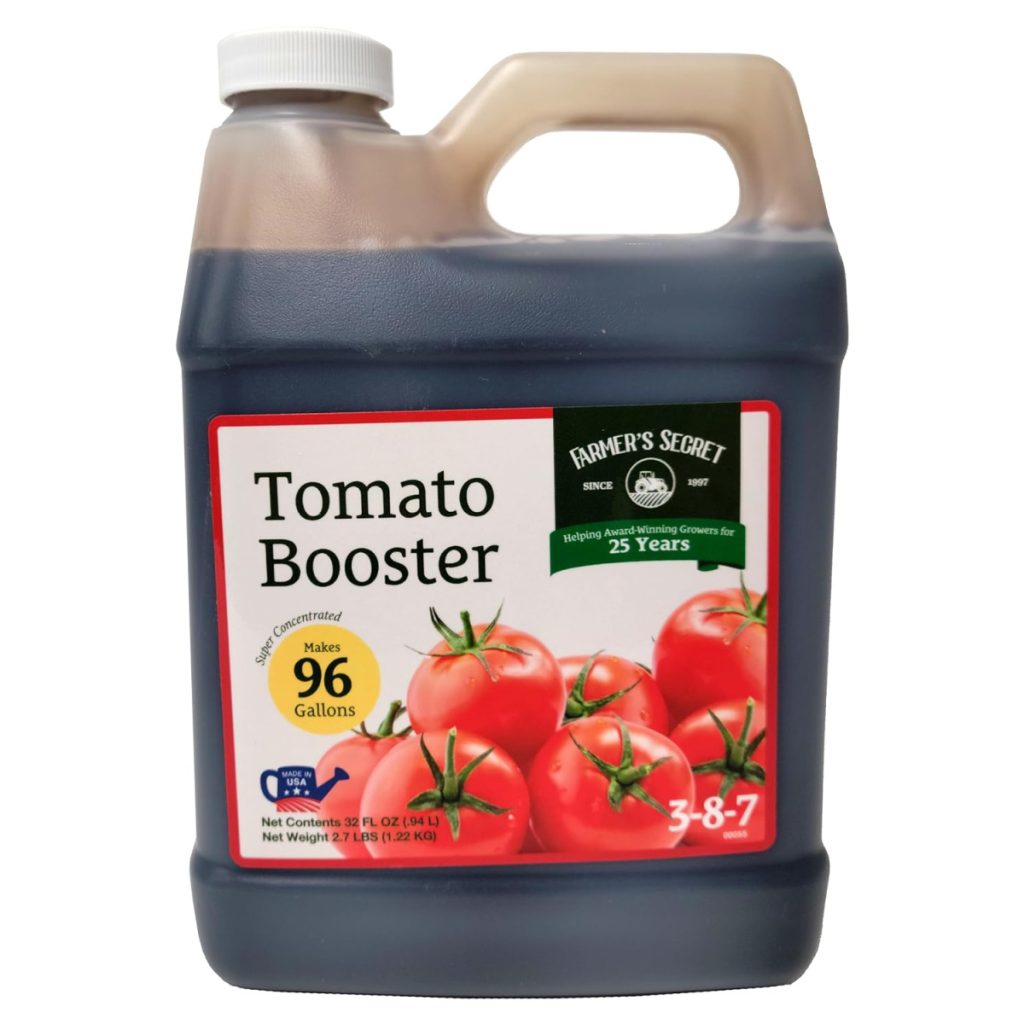
Why Liquid Fertilizer Is The Best Way To Fertilize Tomato Plants In Late Summer
In late summer, liquid fertilizer is one of the best ways to give tomato plants the nutrients they need quickly. Granular fertilizers certainly have their place in the garden, especially early in the growing season. But they take time to break down and release their nutrients into the soil. Liquid fertilizers work much faster.
Because the nutrients are already dissolved in water, they can quickly move down into the root zone where the plant can absorb them. This is especially beneficial for tired tomato plants that need an immediate boost.
But there is another advantage to using liquid fertilizer – you can give plants smaller doses more frequently. Instead of applying one heavy dose of fertilizer, try feeding your plants with a liquid fertilizer at around half of the manufacturer’s recommended strength every 7 to 10 days.
This provides a steady, consistent supply of nutrients without overwhelming the plant. It is much like eating several smaller meals instead of one enormous meal. The plant gets the nutrients it needs when it needs them without being overloaded all at once.
For best results, always apply liquid fertilizer when the soil has some moisture in it. Fertilizing extremely dry plants can stress or even burn their roots. If the soil is dry, water the plants first and then fertilize later.
Listen In To Our Latest Podcast Below


Keep Your Tomato Plants Picked
Fertilizing is important, but there is another simple late summer task that can help keep tomato plants producing – picking tomatoes regularly! One of the biggest mistakes gardeners make is leaving ripe or nearly ripe tomatoes hanging on their plants for too long.
A tomato plant only has so much energy available at any given time. When dozens of tomatoes are hanging from its branches, the plant has to devote resources to all of that fruit. The more fruit it carries, the harder it has to work.
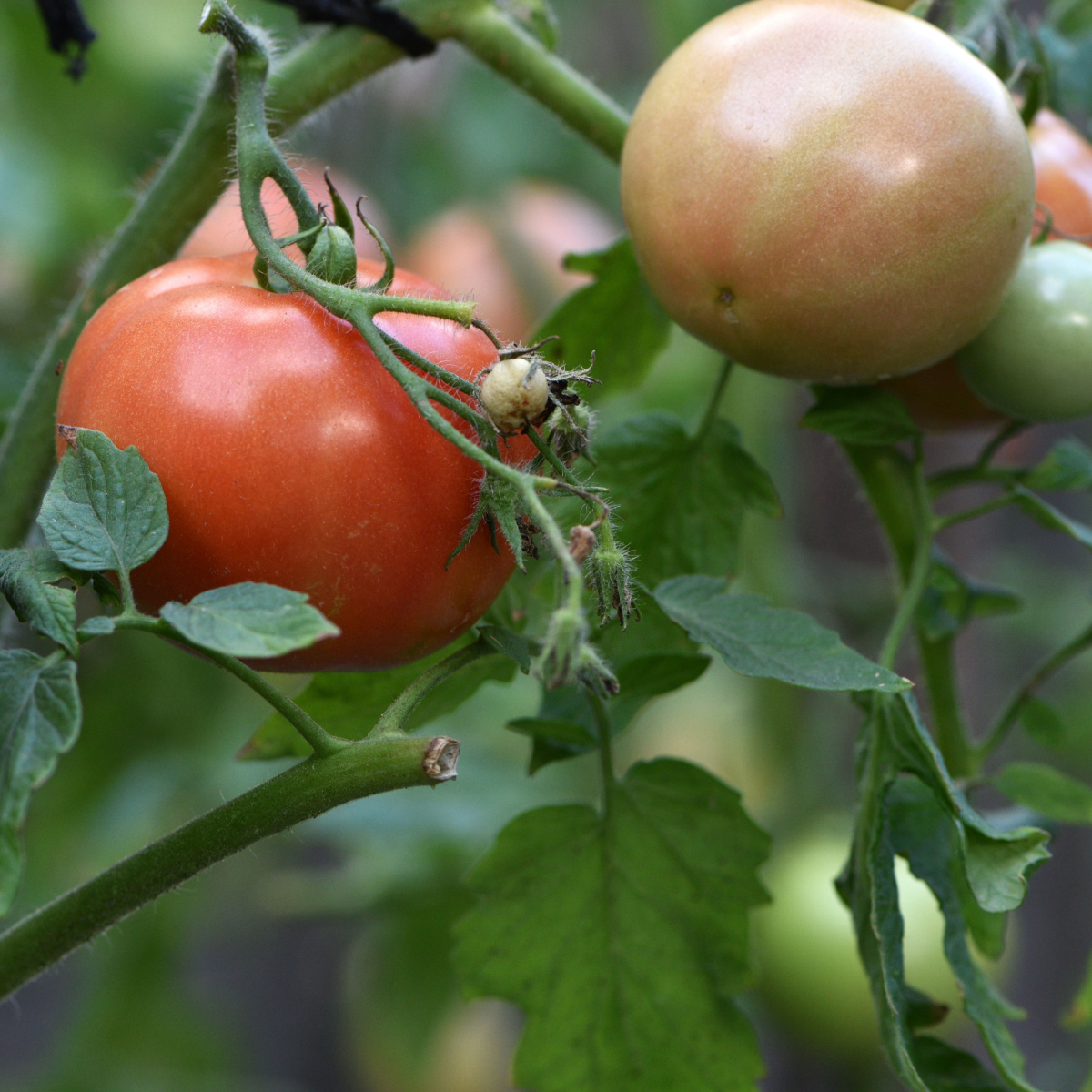
Once a tomato begins to turn from green and starts to blush, it can be picked and allowed to finish ripening off the vine. Tomatoes do not need to remain attached to the plant until they become completely red, orange or yellow.
Picking tomatoes as they begin to ripen reduces the fruit load on the plant. This allows it to redirect more of its resources toward developing smaller tomatoes and producing additional blooms. See: How To Know When To Pick A Tomato – The Best Time & Way To Harvest Your Tomatoes!
As an added benefit, picking tomatoes slightly early can also protect them from cracking, insects, birds and other animals.
Watering Smart
Even with the perfect fertilizer, tomato plants will struggle to flower and produce if their watering habits are inconsistent. Tomatoes prefer steady moisture.
When plants repeatedly become extremely dry and then receive a huge amount of water, it puts them under stress. That stress can cause flowers to drop before they ever develop into tomatoes. Inconsistent watering can also contribute to tomatoes cracking and splitting.
When a tomato plant goes through an extended dry period, its fruit development slows. If the plant suddenly receives a large amount of water from irrigation or heavy rain, the fruit can take up moisture faster than its skin can expand.
The result is a cracked or split tomato. For best results, water deeply and consistently rather than giving plants frequent shallow watering. As a general rule, tomato plants growing in the ground need around 1 to 1.5 inches of water per week, although plants may require more during extremely hot or dry weather.
Here is to taking the time to fertilize your tomato plants in late summer – and getting a bigger harvest than ever this year! Happy Gardening – Jim & Mary Competti
The Farm @ Old World Garden
Jim and Mary Competti have been writing gardening, DIY and recipe articles and books for over 16 years from their 46 acre Ohio farm. The two are frequent speakers on all things gardening and love to travel in their spare time.
As always, feel free to email us at thefarm@owgarden.com with comments, questions, or to simply say hello! You can sign up for our free email list in the subscribe now box in the middle of this article. Follow us on Facebook here : OWG Facebook. This article may contain affiliate links.