
One of the best things you can do for your garden this September is to plant a cover crop – even if your tomatoes, peppers and other vegetables are still growing strong!
Cover crops are one of the easiest and most effective ways to protect and recharge garden soil. And when you plant them early in the fall, they have plenty of time to sprout, grow and form a thick blanket of green before cold weather arrives.
But here is the best part of all – you don’t have to wait until your entire garden is finished to plant one. In fact, we have been sowing cover crop seed around our still-growing vegetable plants for years. As soon as a row or section opens up, we plant. And we even sow seed right underneath and around our tomatoes and peppers while they continue producing.
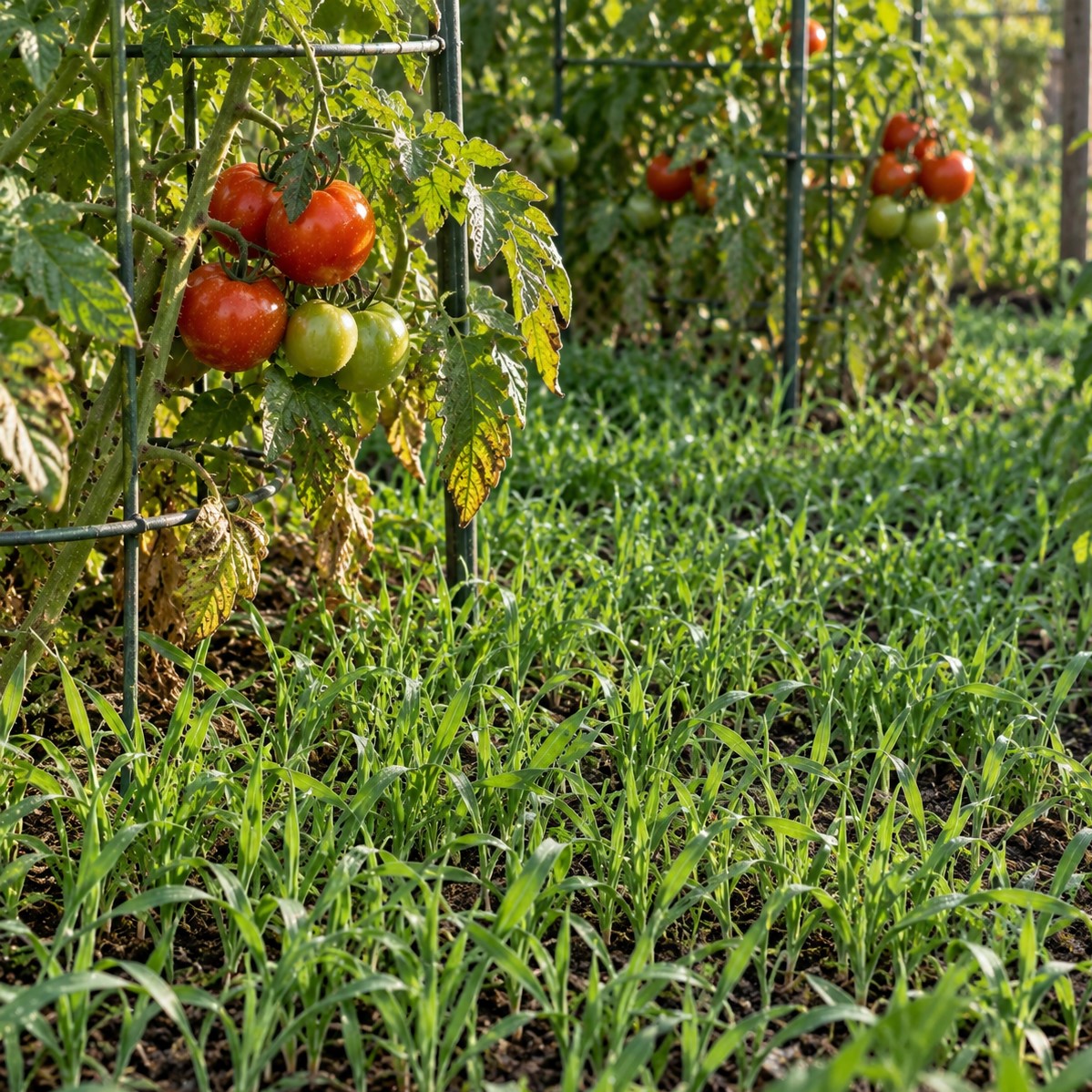
By doing this throughout September, our garden soil is never left bare. And by late fall, instead of looking at an empty garden full of weeds, the entire space is covered in a thick, green cover crop that protects and improves the soil all winter long.
Why September Is A Great Time To Plant A Cover Crop
The Advantages Of Planting Early
September is an ideal time to get a fall cover crop started. The soil is still warm from summer, but the cooler temperatures and more consistent moisture that usually arrive as fall approaches are perfect for germination.
The warmer the soil, the faster cover crop seed can sprout and establish. That is a big advantage compared to waiting until late fall when soil temperatures begin to drop.
The earlier you can get your cover crop growing, the more roots it can put down before winter. Those roots are incredibly important because they help loosen and protect the soil while adding organic matter below the surface. Even better, the foliage growing above ground quickly begins protecting your garden from one of its biggest fall enemies – weeds!
Keeping Your Garden Soil Covered
Bare soil is an open invitation for weeds and weed seeds. When vegetable plants are pulled from the garden and the soil is left exposed, thousands of weed seeds can blow in or be carried into the garden. With nothing covering the soil, those seeds have an easy place to land, germinate and take hold.
A cover crop eliminates much of that opportunity. As annual rye or oats begin to sprout, the plants form a dense living mulch over the soil. That thick growth helps prevent new weed seeds from ever reaching the soil surface. It also shades the soil, making it much more difficult for existing weed seeds to germinate.
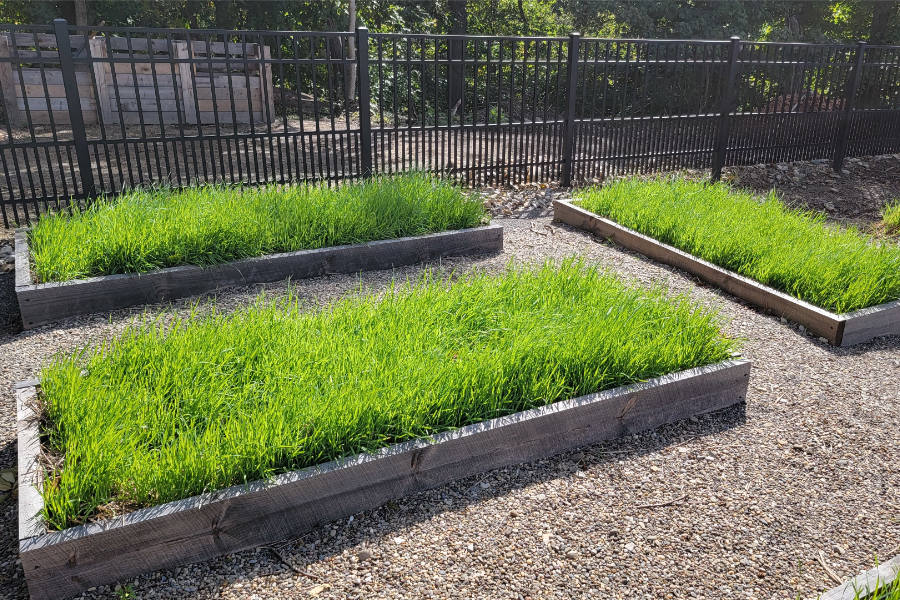
For us, that is one of the biggest reasons we try to keep our garden covered at all times. Instead of battling weeds all fall and again the following spring, we let the cover crop do much of the work for us. And unlike weeds, which steal nutrients and create more problems, cover crops actually improve the soil as they grow.
The Easiest Cover Crops To Plant In September
For a simple, no-till fall cover crop, annual rye and oats are two excellent choices. Annual rye germinates quickly and produces a thick mass of roots below the soil. Those roots help break up compacted soil while also holding it in place through fall, winter and early spring.
Oats are another easy option. They establish quickly in the warm soil of late summer and early fall and create excellent above-ground growth. In colder climates, oats will usually winter-kill after hard freezes, leaving behind a protective layer of organic material. See our article: How To Use Oats As A Garden Cover Crop – The Perfect No Till Way To Protect & Power!
Whichever option you choose, there is no need to till the garden before planting. In fact, we prefer not to till our garden at all.
Tilling can bring dormant weed seeds to the surface where they can germinate. It can also disturb the soil structure and the beneficial organisms living beneath the surface. Instead, planting a cover crop can be as simple as raking, sowing and letting nature take over.
How To Plant A No-Till Cover Crop In September
Planting annual rye or oats doesn’t require a lot of work or special equipment. Once a vegetable crop has finished producing, remove the plant and any large pieces of plant debris from the area. There is no need to dig deeply into the soil or turn it over. Affiliate Link: Thunder Acres Non GMO, Certified Organic, Oat Seed
Instead, simply take a garden rake and lightly scratch the top inch or so of the soil. The goal isn’t to completely work the soil. You simply want to loosen the surface enough to give the seed good contact with the ground. Next, broadcast the cover crop seed evenly over the area.

We like to sow it fairly thick. A dense planting is exactly what you want because it creates a solid mat of foliage that helps crowd out weeds and protect the soil.
Once the seed is down, lightly rake over the area again. You don’t need to bury the seed deeply. In fact, annual rye and oat seed only needs to be lightly covered to germinate. Finish by watering the area if the soil is dry. Keep it slightly moist until germination occurs. With warm September soil, you will often begin seeing green shoots in just a matter of days.
Don’t Wait For The Entire Garden To Finish
This is where planting a cover crop in September can really pay off. One of the biggest mistakes gardeners make is waiting until every last plant in the garden has finished producing before planting their cover crop.
The problem is that tomatoes and peppers can often keep producing well into September and even October. By the time frost finally takes them out, the soil can be much colder and there may not be enough warm weather remaining for a cover crop to establish thick growth.
Our solution has always been simple – plant the cover crop around the vegetables that are still growing! As summer crops begin to finish, we remove them one at a time and immediately sow cover crop seed in the newly opened space.
But we don’t stop there. We also scatter seed underneath and around our tomato plants, pepper plants and other late-producing vegetables. Simply rake any open soil lightly and broadcast the seed around the plants.


What To Do With The Cover Crop In Spring
The best part of planting no-till cover crops is what happens in the spring. Oats will usually die back naturally in areas with cold winters. In the spring, the dead foliage can simply be left on top of the soil as mulch or lightly raked aside for planting.
Annual rye may survive the winter and begin growing again as temperatures warm. If it does, simply mow, trim or cut it down before planting. There is no need to till it under.
In our no-till garden, we simply cut the cover crop down and allow the roots to remain in the soil. As those roots decompose, they add valuable organic matter and create channels for the roots of our vegetable plants.
The good news is that your so has been protected and enriched – all at the same time. All because you took the time to plant a cover cop in September! Happy Gardening – Jim & Mary.
The Farm @ Old World Garden
Jim and Mary Competti have been writing gardening, DIY and recipe articles and books for over 16 years from their 46 acre Ohio farm. The two are frequent speakers on all things gardening and love to travel in their spare time.
As always, feel free to email us at thefarm@owgarden.com with comments, questions, or to simply say hello! You can sign up for our free email list in the subscribe now box in the middle of this article. Follow us on Facebook here : OWG Facebook. This article may contain affiliate links.