The One Thing To Never Do To Ornamental Grass In Late October!
Wondering what you can and can't do to your ornamental grass plants in late October and November?
By late October, ornamental grasses are putting on one of their best shows of the entire year. Their tall stems sway in the breeze, feathery seed heads catch the afternoon sunlight, and their foliage turns beautiful shades of gold, bronze and copper. Even as flowers fade and trees begin dropping their leaves, ornamental grasses can keep a landscape full of life.
But as beautiful as they are, their size can leave gardeners wondering what to do before winter arrives. Should you cut all that foliage down? Leave it standing? And if a clump has grown far too large, wouldn’t fall be a good time to dig it up and divide it?
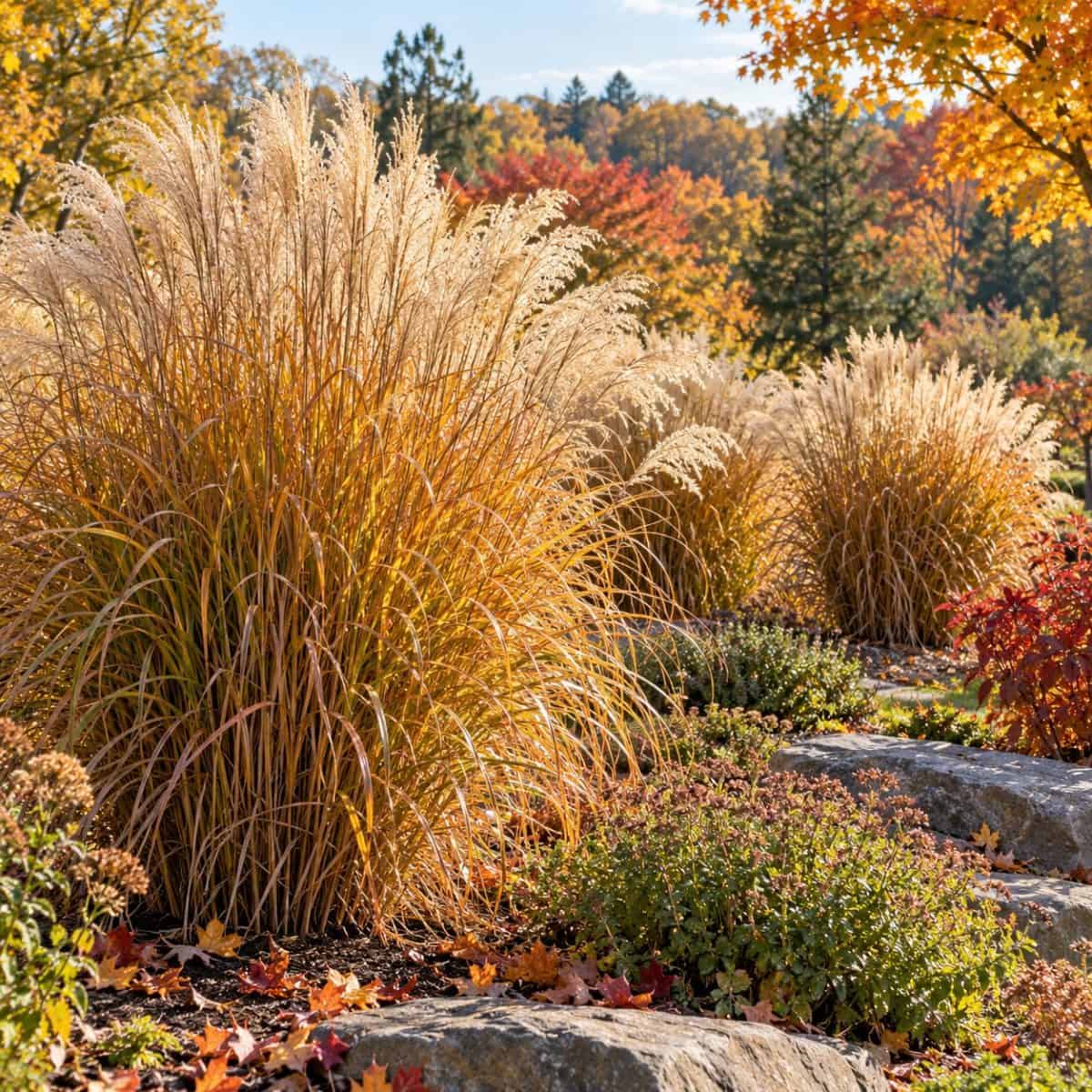
Although cutting back gets most of the attention, dividing is the chore that can cause the biggest problems this late in the season. For established ornamental grasses, particularly the warm-season varieties common in home landscapes, late October is the wrong time to disturb their roots.
In fact, one of the best things you can do for your ornamental grasses right now is leave them in place. Not only can they continue adding beauty through winter, they can also provide shelter and food for wildlife. And by saving division for early spring, you give your plants a much better chance of growing strong next year!
Ornamental Grass Care In Late October
Why Dividing Ornamental Grass In Late October Is A Big Mistake
Dividing an ornamental grass involves much more than separating a few stems. To split an established clump, you have to dig into its root system, lift it from the ground and cut it into smaller sections. In the process, a considerable number of roots are damaged or removed.
During the right season, a healthy grass can recover from that disturbance. It produces fresh roots, anchors itself in the soil and begins supplying its new growth with moisture and nutrients. But in late October, the time available for that recovery is quickly disappearing.
As soil temperatures drop, root growth slows. Warm-season grasses such as maiden grass, switchgrass and little bluestem are also heading into dormancy. Instead of actively rebuilding a damaged root system, they are preparing to rest.

That leaves newly divided plants facing winter before they have properly established themselves. Although fall division does not automatically kill every ornamental grass, dividing these grasses this late can leave their roots unable to establish well enough to survive winter, especially in colder climates.
The risk simply isn’t worth taking when waiting until spring gives the divisions a much better start.
Why Winter Is So Hard On Fresh Divisions
An established ornamental grass has an important advantage heading into winter. Its roots are firmly anchored, and the surrounding soil has settled naturally around them. A freshly planted division has neither of those protections.
Repeated freezing and thawing can push a loose root ball upward in a process called frost heaving. As the plant lifts, roots can become exposed to cold air and drying winds. Smaller divisions are especially vulnerable because they have fewer roots holding them in place.
Moisture can create problems as well. A division with a weakened root system may struggle in soil that stays wet through winter. Poor drainage around the crown adds another challenge at a time when the plant has little ability to recover.
Even a division that survives may emerge weakly the following spring. Instead of producing a full, attractive clump, it can spend much of the next growing season recovering.
If your grass has outgrown its space, make a note of which clumps need attention. You can even mark their locations now. But leave the digging and splitting for a season when the plants can recover.
Listen To Our Garden Podcast Below!

Should You Cut Ornamental Grasses Back Before Winter?
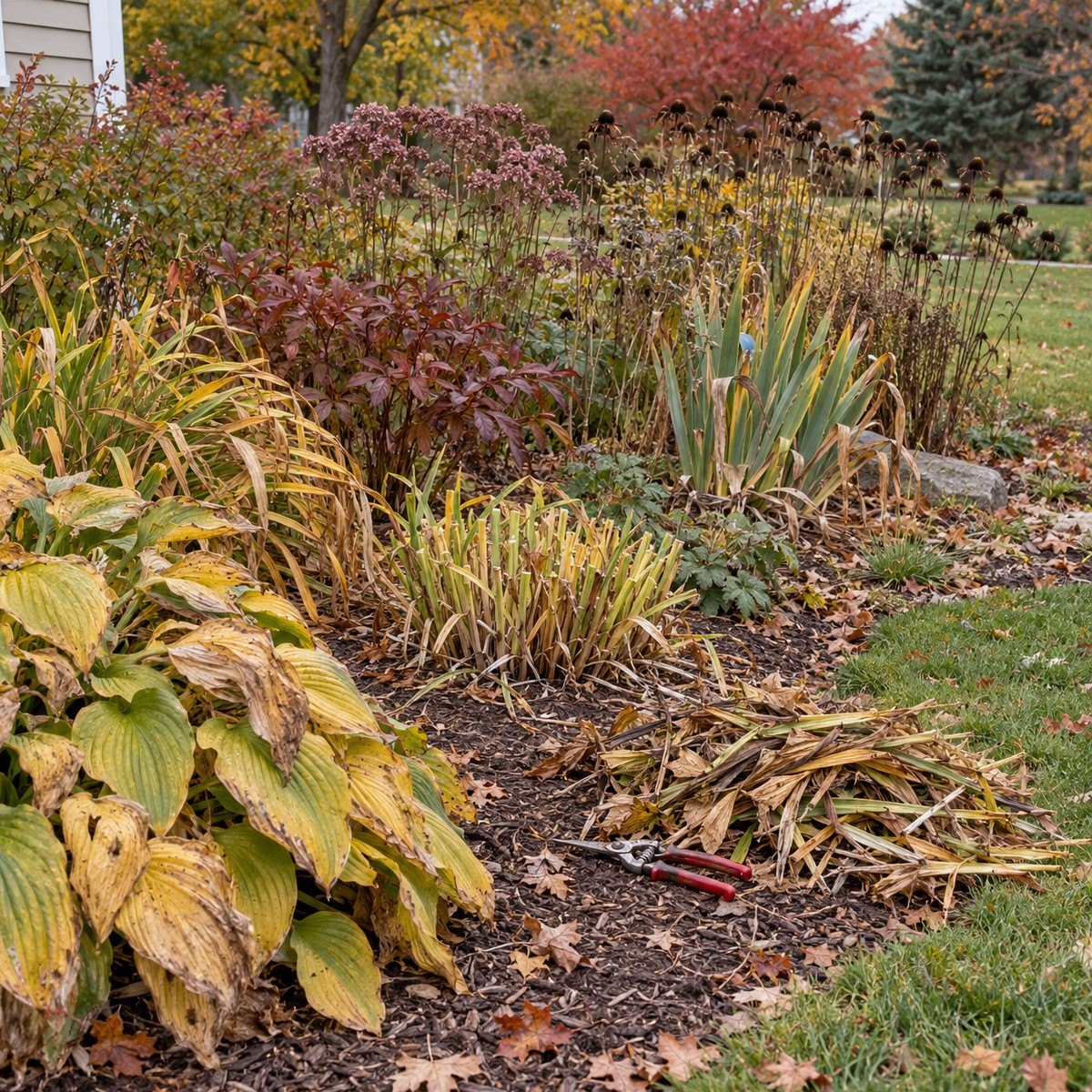
For most healthy ornamental grasses, leaving the foliage standing is the best choice. Once the leaves turn brown, the plant may look finished growing, but its value in the landscape is far from over.
Those dried stems and seed heads provide height, movement and texture long after most perennials have disappeared. A planting that looks ordinary on a cloudy afternoon can become spectacular when frost coats the blades or sunlight shines through the plumes.
Standing foliage can also catch loose leaves and snow around the base of a clump, providing some insulation. It does not make a grass winterproof, but there is usually no need to remove healthy top growth simply because it has turned brown.
There are practical exceptions. Grass that falls across a sidewalk, blocks visibility or creates a fire concern may need trimming. Diseased foliage may also warrant removal.
But when the location allows it, leaving your grasses standing gives you months of additional beauty with very little work. You can handle the annual cleanup near the end of winter or in early spring, before new shoots grow into the old foliage.

Leave Shelter And Seeds For Wildlife
Standing ornamental grasses can also make your landscape more useful to wildlife during fall and winter.
Their dense bases and arching foliage provide cover for small birds and other animals. Depending on the grass and your region, insects may also overwinter among the stems, leaf litter and protected areas around the clump.
Some grasses produce seeds that birds eat during the colder months. Native grasses, including switchgrass and little bluestem, can be particularly valuable additions to a wildlife-friendly planting. Not every ornamental variety produces useful seed, but even seedless plants can provide cover.
Keeping some natural structure in place gives birds a sheltered place to pause between feeding trips. It also helps preserve the small habitats that disappear when every bed is cut down and cleaned bare.
You don’t have to leave the entire landscape untouched. Simply allowing healthy ornamental grasses to stand through winter is an easy way to keep your garden attractive while making room for wildlife. For more on this - see our article: When & How To Cut Back Ornamental Grasses
Early Spring Is The Time To Divide
For most warm-season ornamental grasses, early spring is the ideal time to divide an overgrown clump. The best time is when the soil is workable and the plant is just beginning to show signs of growth.

At that point, rising temperatures and the growing season ahead give the divisions time to develop roots before another winter arrives. Working before the foliage becomes tall also makes the job much easier.
Start by cutting back the old stems so you can see the crown. Dig around the clump, lift it carefully and separate it into manageable sections. Each division should have healthy roots and living buds or shoots.
If the center has died out, discard that portion and use the vigorous outer sections for replanting. Set the divisions at their original growing depth, firm the soil gently around them and water thoroughly.
For the big warm-season grasses that bring so much beauty to the fall landscape, however, the choice is simple. Enjoy them now, leave their roots undisturbed through winter, and save dividing for early spring! Happy Gardening - Jim & Mary.
The Farm @ Old World Garden
Jim and Mary Competti have been writing gardening, DIY and recipe articles and books for over 16 years from their 46 acre Ohio farm. The two are frequent speakers on all things gardening and love to travel in their spare time.
As always, feel free to email us at thefarm@owgarden.com with comments, questions, or to simply say hello! You can sign up for our free email list in the subscribe now box in the middle of this article. Follow us on Facebook here : OWG Facebook. This article may contain affiliate links.