
Wondering how to bring that tired tomato soil back to life this fall so your vegetables can grow great again next year?
Tomatoes put garden soil to work. Months of fast growth and heavy fruit production draw on its nutrients – and once the plants are finished, fall is the perfect time to replenish what they used.
The good news? Improving that soil doesn’t have to be difficult. A few simple steps now can help rebuild it and give next year’s crops a stronger start!
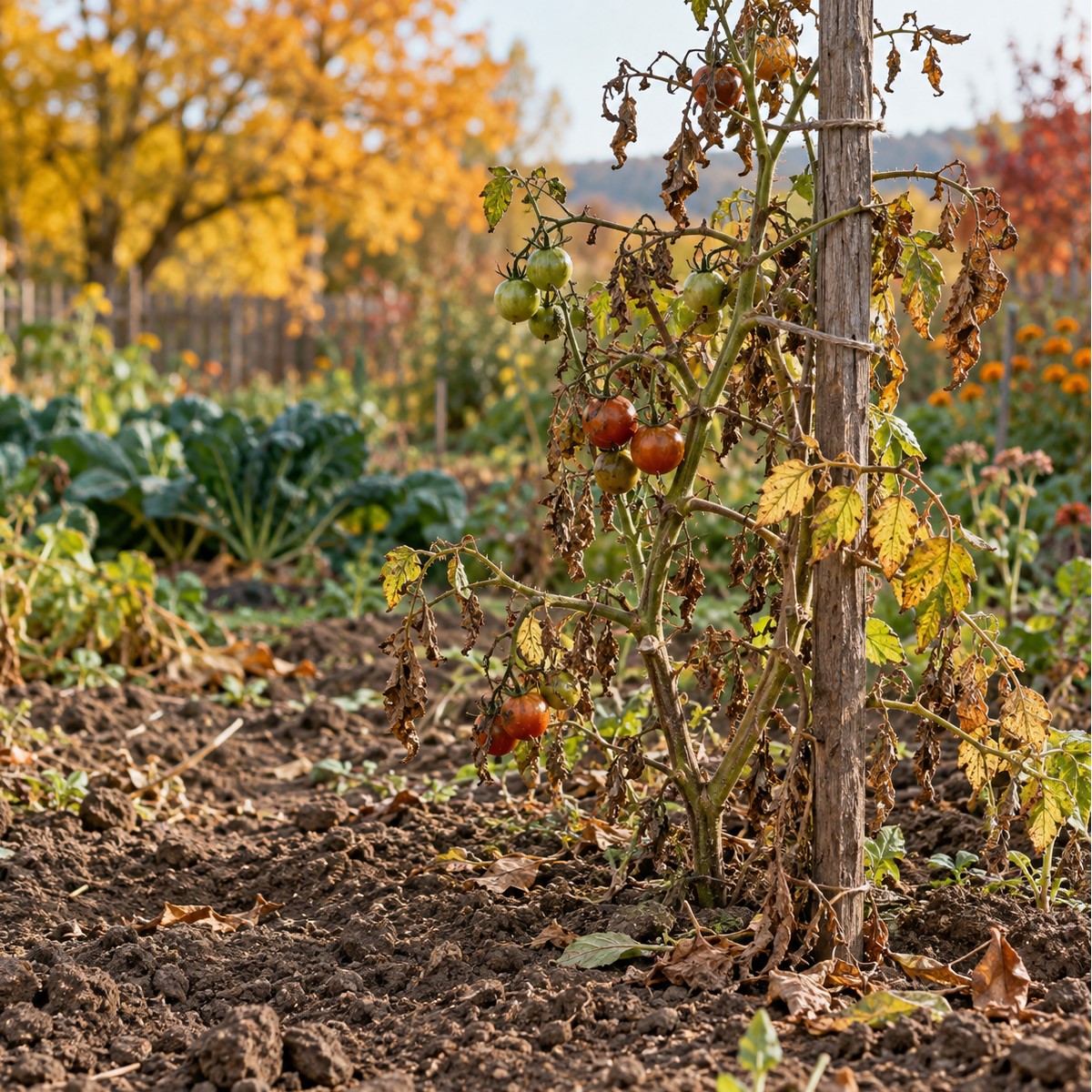
How To Bring Tired Tomato Soil Back To Life
Why Your Tomato Soil Needs Attention
Tomato plants use nutrients to develop roots, grow stems and leaves, and produce fruit. When you carry baskets of tomatoes out of the garden, you also carry away some of the nutrients the plants took from the soil.
That doesn’t mean every tomato bed is completely depleted by fall. But growing productive crops year after year without replacing what they use can eventually affect plant health and harvests. Improving the soil between growing seasons helps keep your garden productive.
Nutrients are only part of the picture. Garden soil also needs organic matter to help it hold moisture, drain properly and support the organisms that break down plant material. Adding organic matter helps improve the conditions in which roots grow.
Start By Clearing The Old Tomato Plants
Before improving the bed, remove the old tomato plants, fallen fruit and large weeds. Leaving a tangle of dying plants in place makes it harder to sow a cover crop or spread amendments evenly.
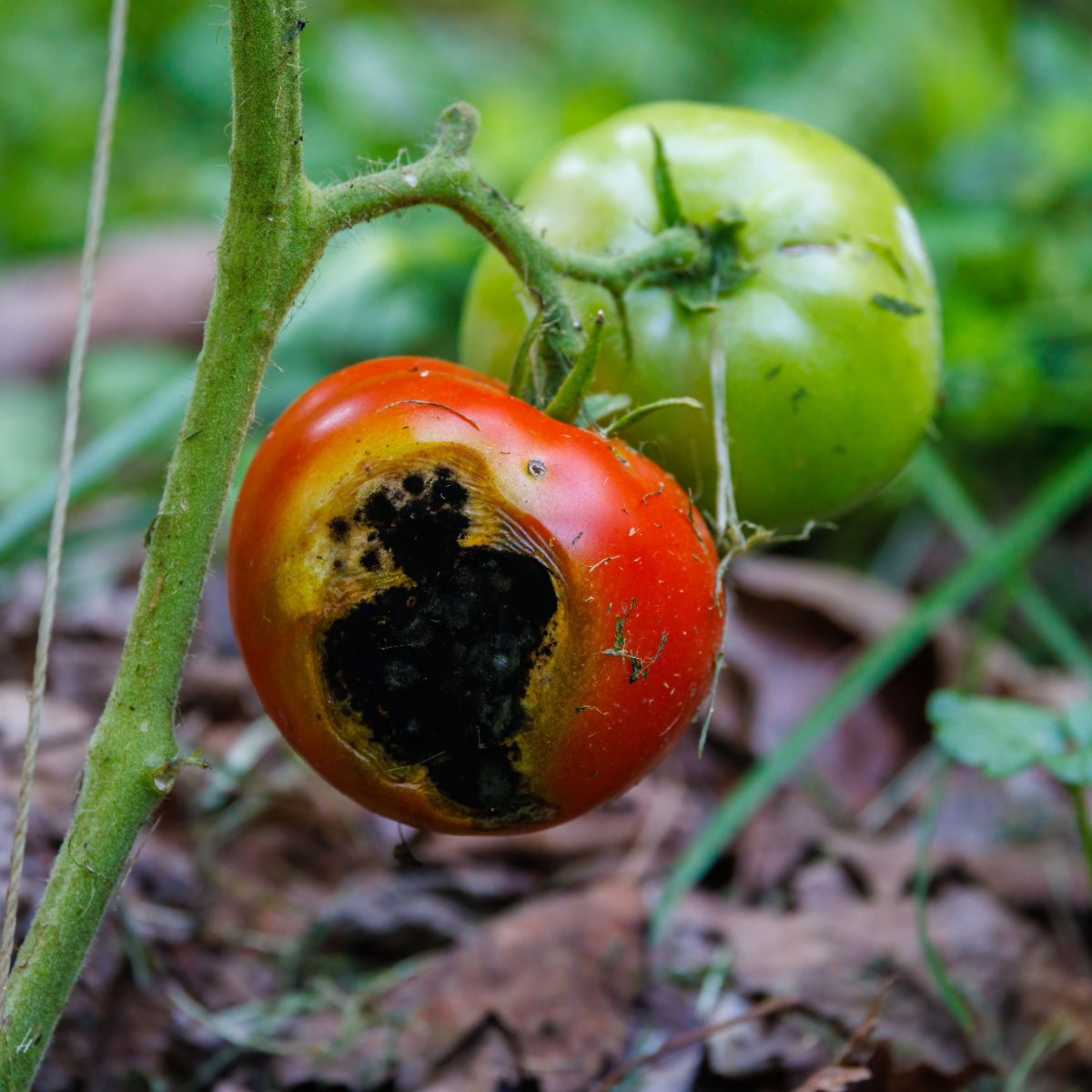
Pay particular attention to plants that had disease problems. Diseased leaves and stems can carry some pathogens into another growing season. It’s best to keep all tomato plants out of a home compost pile. Home piles simply don’t get hot enough to kill the pathogens that can be passed on through the compost.
Once the bed is clear, you don’t need to turn the entire garden upside down. A light raking is usually enough to prepare the surface for compost and cover crop seed. Avoid working wet soil, which can leave it compacted and clumpy.
Also plan where next year’s tomatoes will grow. Moving tomatoes, peppers, potatoes and eggplants to a different bed when possible helps interrupt some pest and disease cycles. Soil amendments improve growing conditions, but they don’t erase every problem caused by repeatedly planting related crops in the same spot.
Adding Compost – The Ultimate Ingredient To Bring Tomato Soil Back To Life!
If there is one amendment that deserves a place in your fall soil plan, it is finished compost. Compost contributes organic matter, supplies some nutrients and helps improve soil structure.
In sandy soil, organic matter helps hold moisture and nutrients. In heavier soil, it can improve the way soil particles fit together, making the ground easier for roots to explore. Those benefits develop over time with sensible, repeated applications.
For an established garden bed, a layer of about one inch of finished compost is a useful starting point. Spread it evenly over the cleared soil. You can gently rake it into the surface or leave it as a topdressing without deep tilling.
Add Eggshell Powder For A Calcium Boost
Eggshells contain calcium carbonate, making them a potential source of calcium for garden soil. But how you prepare them matters. Large shell pieces break down slowly and may remain visible long after you add them.
For the quickest breakdown, rinse the shells, let them dry thoroughly and grind them into a fine powder. You can mix the powder into compost or distribute it lightly through soil that needs calcium. Fall gives eggshell powder more time to react before the next growing season.
Give The Soil A Boost With Worm Castings
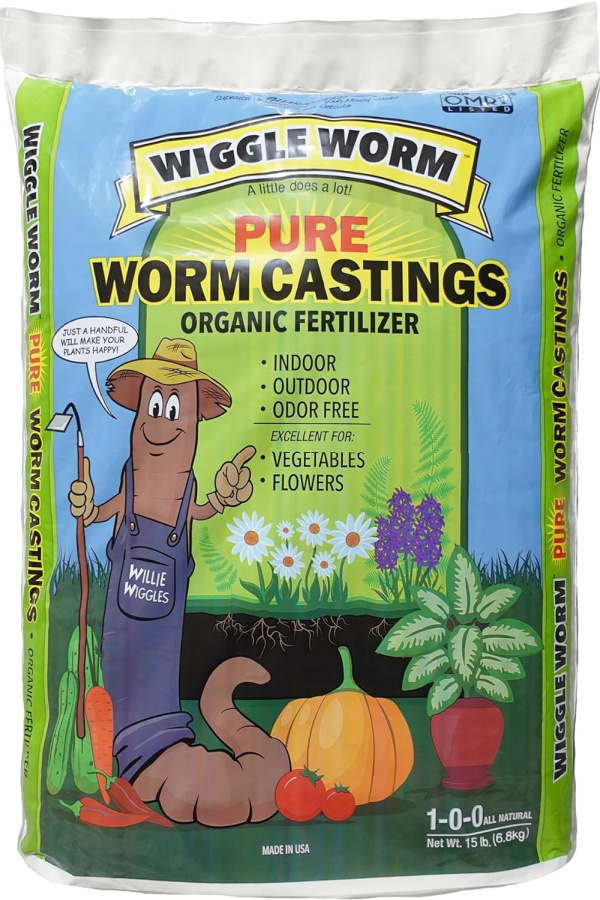
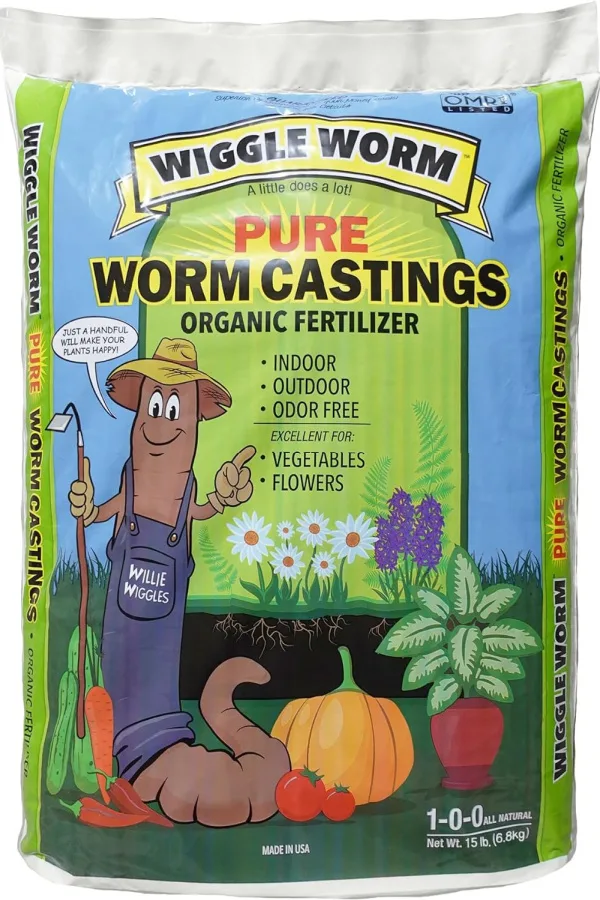
Worm castings are another useful addition to a fall garden bed. They contain organic matter, some nutrients and microorganisms associated with the breakdown of organic material. Affiliate Link: Wiggle Worm 100% Pure Organic Worm Casting Fertilizer, 30lb
Their value comes from adding to the overall health of the soil rather than delivering a huge dose of fertilizer. Like compost, their nutrient content varies depending on what the worms consumed and how the product was produced. Spread castings lightly over the cleared bed and gently rake them into the surface. They can also be blended with finished compost before you spread it.
Because castings can be expensive, you don’t need to cover a large garden with a thick layer. Use them in smaller beds or concentrate them where next year’s crops will grow. Compost can provide the bulk of your organic matter, while castings serve as an additional amendment. Adding them in fall gives you time to prepare the bed without rushing through every soil improvement at spring planting.
Put Used Coffee Grounds To Work To Bring Tomato Soil Back To Life
Used coffee grounds can contribute organic material to your soil-building efforts. The easiest approach is to add sprinkle them on your beds all fall and winter long.
Although they look brown, coffee grounds count as a nitrogen-rich compost ingredient. Sprinkling a light dusting of used coffee grounds over your garden soil in the fall and winter is a simple way to add organic matter as the grounds slowly break down. Soil organisms help work that material into the soil, supporting its structure over time.
The grounds also contain nitrogen and small amounts of other nutrients that become available gradually as they decompose.The key is to scatter the grounds thinly over different areas instead of piling them in one spot. You can even sprinkle on top of a growing cover crop without worry.
Use A Cover Crop To Keep Soil Working
Finally, there is the big help of planting a cover crop to bring your tired tomato soil back to life. And even better, a cover crop also protects the soil after your vegetables are gone. Instead of leaving the bed bare, you grow plants whose main job is to cover the ground and improve its condition.
Oats are an especially simple option when planted early enough in fall. They grow quickly, help crowd out weeds and take up leftover nutrients. Their roots hold soil in place, while their leaves protect its surface from pounding rain. See our article: How To Use Oats As A Garden Cover Crop – The Perfect No Till Way To Protect & Power!
In regions with cold winters, spring oats usually die during sustained freezing weather. The dead growth remains as a protective layer, and the roots gradually decay underground. Next spring, you can pull the residue aside for planting holes or seed rows and leave the rest as mulch.
To plant, lightly rake the surface, scatter the seed at the package rate, cover it as directed and water if conditions are dry. No tilling is necessary. Affiliate Link: 10 lb Oat Seed | Cover Crop, Forage, Food Plots & Soil Improvement
A little work this fall to bring your tired tomato soil back to life can leave you with a bed that is better protected, richer in organic matter and easier to plant next spring – giving your next harvest a stronger place to begin! Happy Gardening – Jim & Mary.
The Farm @ Old World Garden
Jim and Mary Competti have been writing gardening, DIY and recipe articles and books for over 16 years from their 46 acre Ohio farm. The two are frequent speakers on all things gardening and love to travel in their spare time.
As always, feel free to email us at thefarm@owgarden.com with comments, questions, or to simply say hello! You can sign up for our free email list in the subscribe now box in the middle of this article. Follow us on Facebook here : OWG Facebook. This article may contain affiliate links.