7 Things You Should Never Store In Your Garage Over Winter!
The garage can seem like the perfect place to store just about anything over winter. There is usually room for another box, an open shelf for leftover supplies, and a corner where you can tuck things away until spring.
But an unheated garage can be a tough place for many of those belongings!
Freezing temperatures can ruin paint and damage containers of food. Dampness can leave fabric musty and metal parts corroded. And hungry mice can turn bags of birdseed, garden seeds, and stored cushions into a winter food supply and nesting spot.
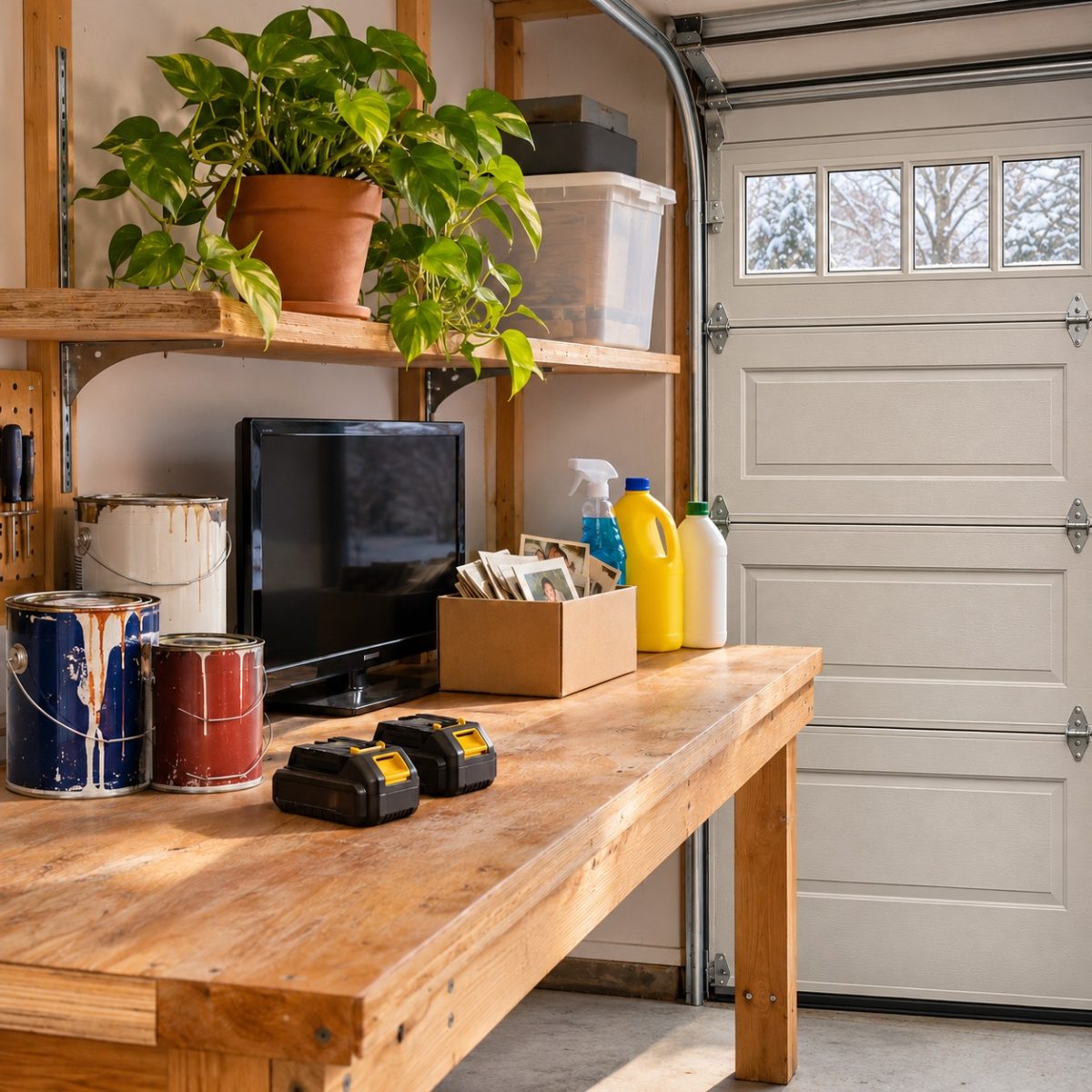
Even an attached garage can get colder than you expect. Sharing a wall with the house does not guarantee that everything inside will stay above freezing.
Before cold weather settles in, it pays to look over what you have stored. Moving a few vulnerable items now can prevent expensive replacements and unpleasant surprises next spring.
7 Things You Should Never Store In Your Garage Over Winter!
1. Leftover Water-Based Paint
That half-full can of paint from your summer project might come in handy for touch-ups next year. But leaving it on a garage shelf through freezing weather can make it unusable.
Water-based paints, including many latex and acrylic products, contain water that can freeze. Freezing can disrupt the mixture, leaving paint grainy, lumpy, or unable to blend properly after thawing.
Not every can is ruined by a single freeze, but repeated freezing and thawing increases the risk. You do not want to discover the problem halfway through a touch-up job.
Move leftover water-based paint to a dry location that stays within the storage temperatures listed on its label. Keep containers tightly sealed, upright, and out of reach of children and pets.
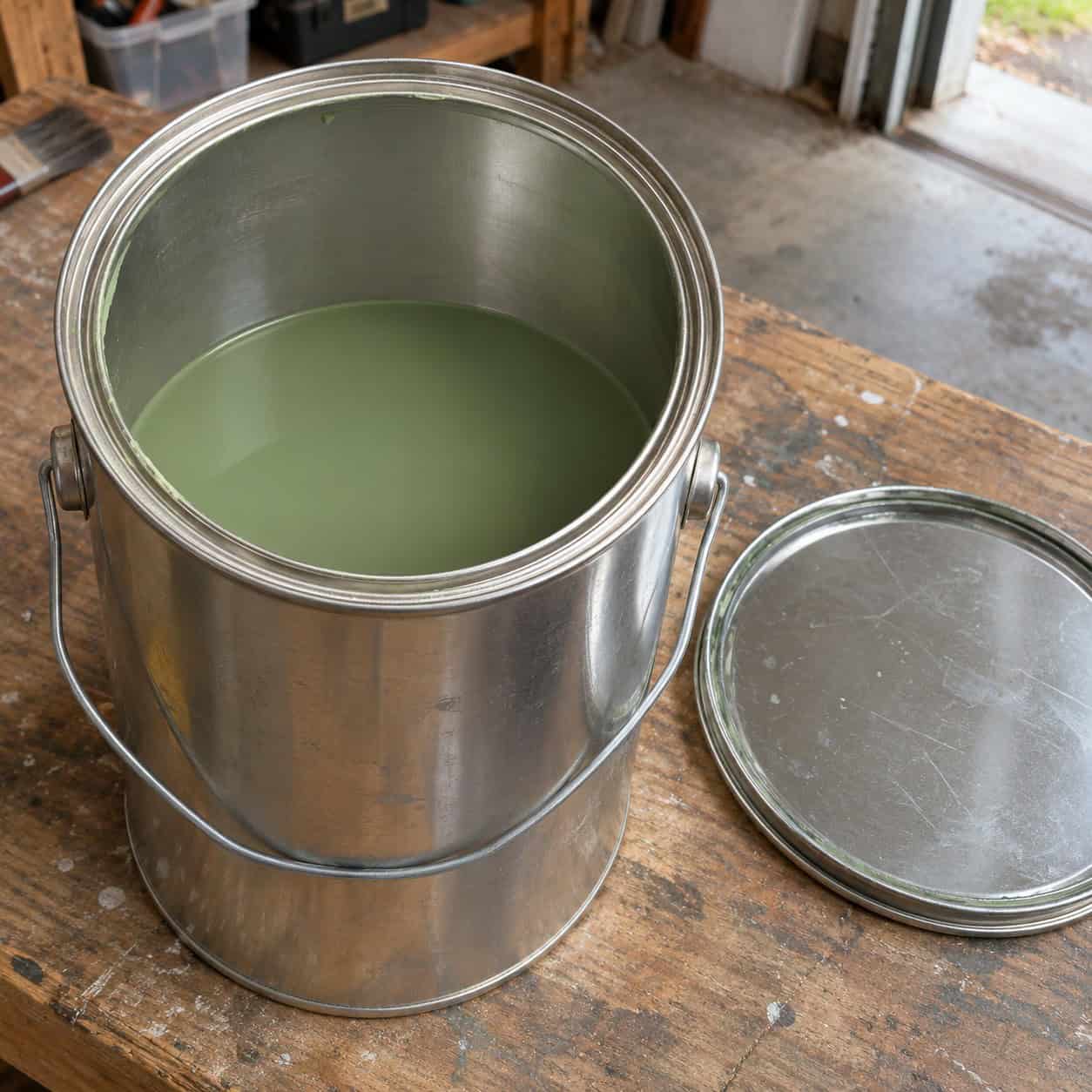
Water-based caulks, wood glues, and other products marked “protect from freezing” deserve the same attention. Check each label rather than assuming every painting or repair product has identical storage requirements.
2. Never Store Home-Canned Food In A Garage Over WInter
Garage shelves can look like an ideal overflow pantry, especially after a busy canning season. But an unheated garage is a poor place for jars of tomatoes, green beans, sauces, and other preserved foods.
As food freezes, it expands. That expansion can crack jars or disturb their seals. Metal cans can also become damaged, and damp conditions encourage rust.
Freezing alone does not automatically make properly canned food unsafe. The concern is damage to the container or seal that allows contamination, along with changes in food quality.
For dependable storage, keep home-canned foods in a clean, cool, dark, dry location. Temperatures between 50 and 70°F are best for maintaining quality. Avoid shelves beside furnaces, hot pipes, or other heat sources. Moving jars out of a freezing garage does not mean putting them in the warmest room in the house.

3. Cordless Tool Batteries
Cordless drills, trimmers, blowers, and other tools make outdoor chores easier. Their rechargeable batteries deserve a little attention before those tools sit unused for months.
Many lithium-ion tool batteries perform best when stored somewhere cool and dry, away from temperature extremes. The exact storage temperature and recommended charge level depend on the manufacturer.
Cold storage and cold charging are also different issues. Some batteries can tolerate storage temperatures well below their permitted charging range. That means a battery being cold does not necessarily mean it is ruined. But trying to charge it while it is too cold can create problems.
Remove battery packs from tools for extended storage when the instructions call for it. Store them in a dry location within their recommended temperature range, with terminals protected from contact with loose metal objects.
4. Garden Seeds In Paper Packets Or Open Containers
What comes as a surprise to some is that you should never store garden seeds in a garage over winter.
A garage workbench is an easy place to leave leftover seed packets after planting season. Unfortunately, it is also an easy place to forget them. Cold by itself is not necessarily the enemy of properly dried seeds. Many seeds store well under controlled cool conditions.
The bigger garage problems are moisture, fluctuating conditions, and rodents. Paper packets offer little protection from damp air or a curious mouse. Once moisture reaches seeds, their storage life can decline. Seeds may mold, deteriorate, or become unsuitable for planting.
Move your vegetable and flower seeds to a consistently cool, dry location. Keep properly dried seeds in labeled packets inside a tightly sealed glass jar or another suitable moisture-resistant container.
Listen To Our Garden Podcast Below!

A small desiccant packet can help manage humidity inside the container. Keep the variety name and year with each seed packet so you know what you have when planning next season.
If seeds have been stored cold, allow the closed container to warm before opening it. This helps prevent moisture from condensing on cold seeds.
5. Birdseed, Pet Food & Animal Feed In Their Original Bags
A bag of sunflower seed may not be damaged by cold weather, but it can turn your garage into a feeding station for mice. The same goes for dog food, cat food, chicken feed, and other grains. Paper and lightweight plastic bags are easy for rodents to chew through.
Once mice find a reliable food supply, they have a reason to keep returning. Nearby cardboard, insulation, and fabric can provide nesting material.
Dampness creates another problem. Food and seed stored where moisture collects can become moldy or spoil. See our article: 3 Simple Secrets To Keep Mice Out Of Garages, Sheds & Barns!
Never leave these supplies in open bags on the garage floor. If the garage is your practical storage location, transfer them to sturdy containers with tight-fitting lids - metal containers offer strong protection against chewing.

6. Blankets, Clothing & Cushions In Cardboard Boxes
Extra blankets, summer cushions, old coats, and fabric decorations often get packed into the garage when closet space runs short.
But a cardboard box offers little protection from garage moisture or rodents. Fabric can absorb dampness and develop musty odors or mildew. Mice may chew through the box and shred the contents for nesting material.
Items you care about are better stored in a dry indoor closet or another location with more stable conditions.
If durable outdoor cushions must stay in a garage, follow their storage instructions and use clean, dry, well-sealed containers.
7. Photographs, Important Papers & Keepsakes
Boxes of family photographs, tax records, children’s artwork, and other keepsakes should not spend winter in a damp garage. Moisture can warp paper, encourage mold, and cause photographs to stick together. Rodents can chew documents and use paper as nesting material.
Even if nothing looks wet, repeated changes in temperature and humidity can make a garage unsuitable for materials you want to preserve for years.
Move irreplaceable items into a dry indoor space with stable conditions. Use appropriate document folders and photo-safe storage materials rather than old grocery boxes.
Make digital copies of important photographs and records when possible, and keep backups separately.
Here is to keeping your things safe this winter! Happy Gardening - Jim & Mary.
The Farm @ Old World Garden
Jim and Mary Competti have been writing gardening, DIY and recipe articles and books for over 16 years from their 46 acre Ohio farm. The two are frequent speakers on all things gardening and love to travel in their spare time.
As always, feel free to email us at thefarm@owgarden.com with comments, questions, or to simply say hello! You can sign up for our free email list in the subscribe now box in the middle of this article. Follow us on Facebook here : OWG Facebook. This article may contain affiliate links.
More DIY
- How To Build A Better Barndominium - Great Looks, Energy Efficient – And Built To Last!
- 3 Big Myths About On Demand Floor Heat — And Why It's The Best Way To Heat a House!
- How To Build Raised Beds That Last - Without Spending A Fortune!
- The Perfect Little Cottage In The Woods - Our Latest Cabin Project At The Farm!