
Looking for a way to plant your pansies in early spring and still keep them blooming all the way into mid-summer? Believe it or not – it’s easier than you might think!
Pansies are one of the most popular flowers for early spring color. When planted at the right time and cared for properly, they will begin blooming while nights are still cold. In fact, their ability to handle cool weather, light frosts, and changing spring conditions makes them a top choice for gardeners who want color as early as possible.
But when it comes to getting your pansies to last – timing, location, and how you care for them all play a big role in just how long they will bloom.
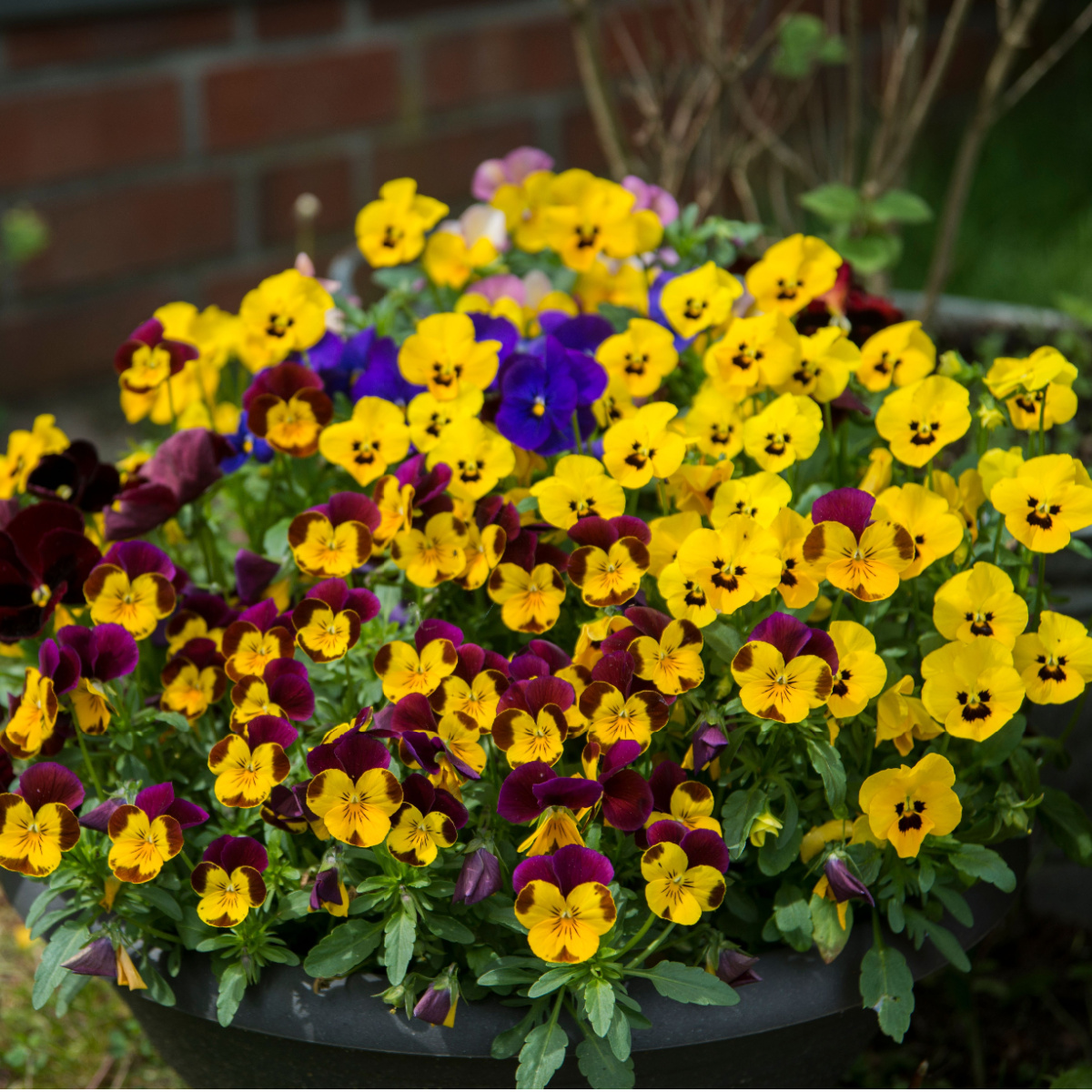
How To Plant Pansies In Early Spring
Why Pansies Thrive In Early Spring
Pansies are cool-season flowers, which means they prefer lower temperatures for growth and blooming. Unlike many annuals that struggle in cool soil, pansies actually grow stronger and produce more blooms when temperatures stay mild.
Daytime temperatures between 45 and 65 degrees Fahrenheit are best. Cool nights help pansies develop sturdy stems and rich flower color. This is why pansies planted early often outperform those planted later in the season.
Another reason pansies do so well in early spring is their cold tolerance. Light frosts rarely harm them. Brief cold snaps usually cause little more than temporary wilting. Once temperatures rise, the plants quickly bounce back.
The Best Time To Plant Pansies
The best time to plant pansies is earlier than most gardeners expect. In many regions, pansies can be planted as soon as the soil can be worked – and daytime temperatures remain consistently above freezing.
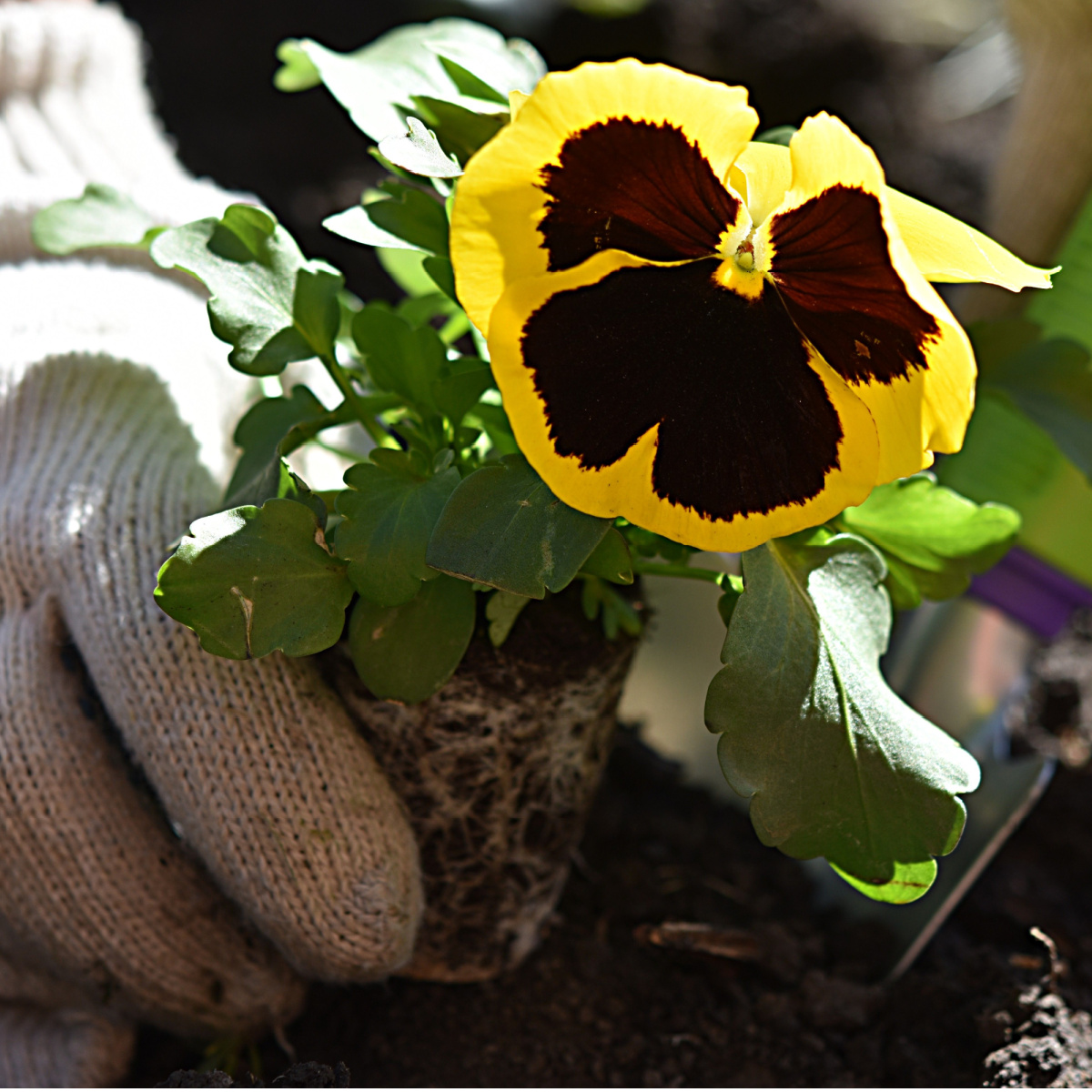
Waiting until late spring shortens the bloom period. Pansies planted early have time to establish roots before heat arrives, which allows them to bloom longer and grow fuller.
In cooler climates, planting often happens in late winter or very early spring. In milder regions, pansies are commonly planted in fall and bloom through winter and spring. Regardless of location, the goal is to give pansies plenty of cool weather to grow and flower.
Choosing The Best Location
Sunlight plays a key role in how long pansies bloom. Early in the season, full sun is ideal. But as temperatures warm, they need a little more protection. When the heat starts to arrive, partial shade will help protect plants from heat stress and keeps flowers from fading.
It also depends on the overall climate where you live. Morning sun with afternoon shade works especially well in warmer regions. In cooler climates, pansies can often handle full sun well into late spring.
Last but not least, when you plant, think about the air your pansies will or will not get. Air circulation is very important to their health and blooming potential. Planting pansies with enough space between them helps reduce the chance of disease.


How To Plant Pansies In The Right Soil – And At The Right Depth
The soil pansies are planted in also determines how long they can last. Loose, well-draining soil is essential for pansies. Heavy or compacted soil can hold too much moisture, leading to root problems. Adding compost or worm castings will improve drainage and provides nutrients. Affiliate Link: Worm Bliss (8 Qts) – Organic Worm Castings for Plants & Gardening
But don’t overdo it with fertilizer. Pansies benefit from fertile soil, but overly rich soil can encourage leafy growth instead of flowers. For containers, a high-quality potting mix designed for flowers works best.
You need to plant pansies at the same depth they were growing in their nursery containers. Planting too deep can cause stems to rot, while planting too shallow can expose roots. Space plants about six to eight inches apart. This allows them to grow into full, rounded plants while maintaining good airflow.
After planting, soil should be gently pressed around the roots and watered thoroughly. This will help remove any air pockets and reduces transplant shock.
Watering For Strong Plants & Longer Blooming
Watering is such a big key for how long pansies will last and bloom. Consistent moisture is important, especially during early growth. Newly planted pansies should be watered regularly until roots are established. Once settled, pansies prefer evenly moist soil but do not tolerate soggy conditions.
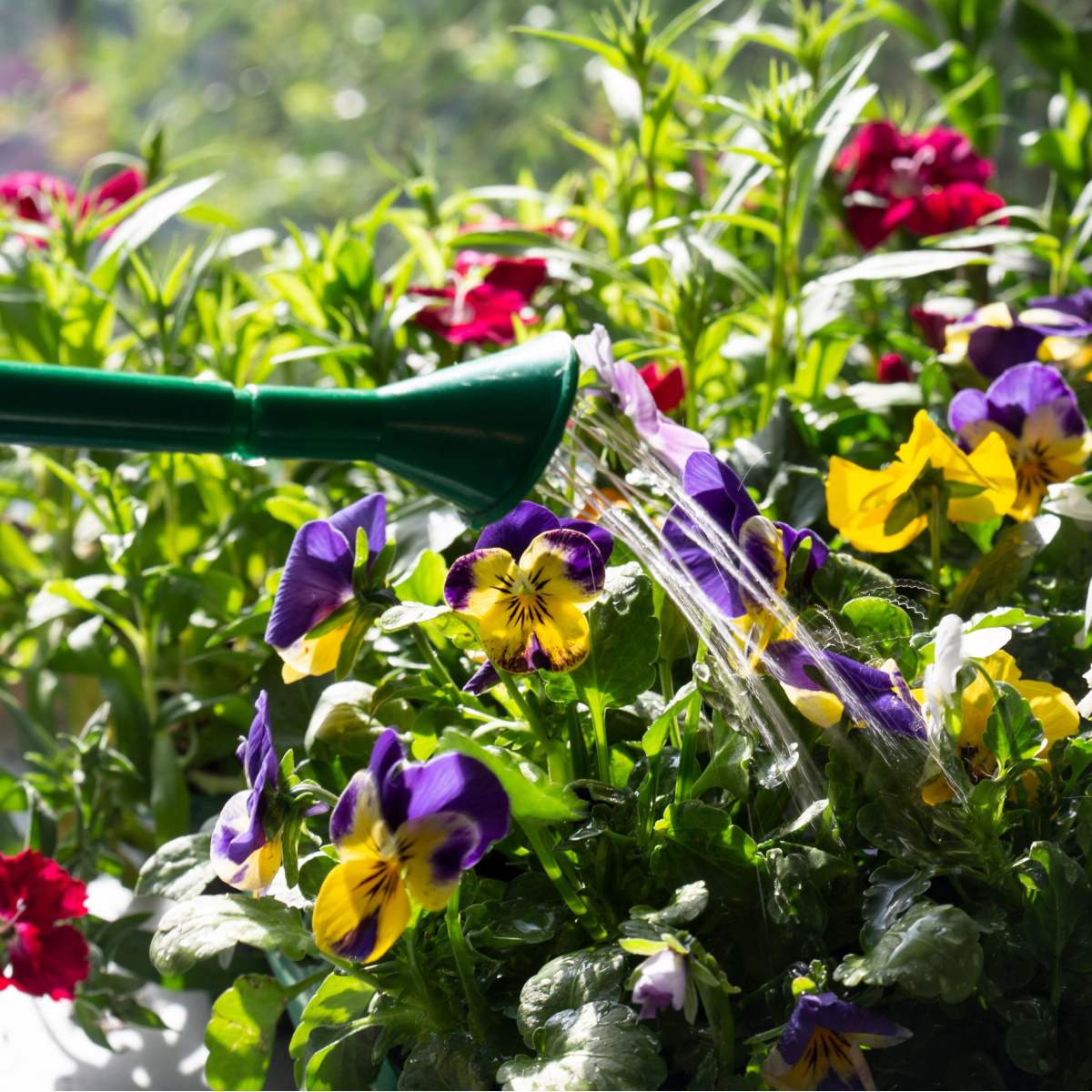
Allowing the top layer of soil to dry slightly between waterings helps prevent root rot. Containers will need more frequent watering than garden beds, especially during sunny or windy weather. Avoid overwatering. Overwatering in cool temperatures is one of the most common problems with pansies.
Feeding Pansies The Right Way
Pansies do not require heavy feeding, but light, consistent nutrition helps keep blooms coming. A balanced, slow-release fertilizer applied at planting time provides steady nutrients without encouraging excessive leaf growth.
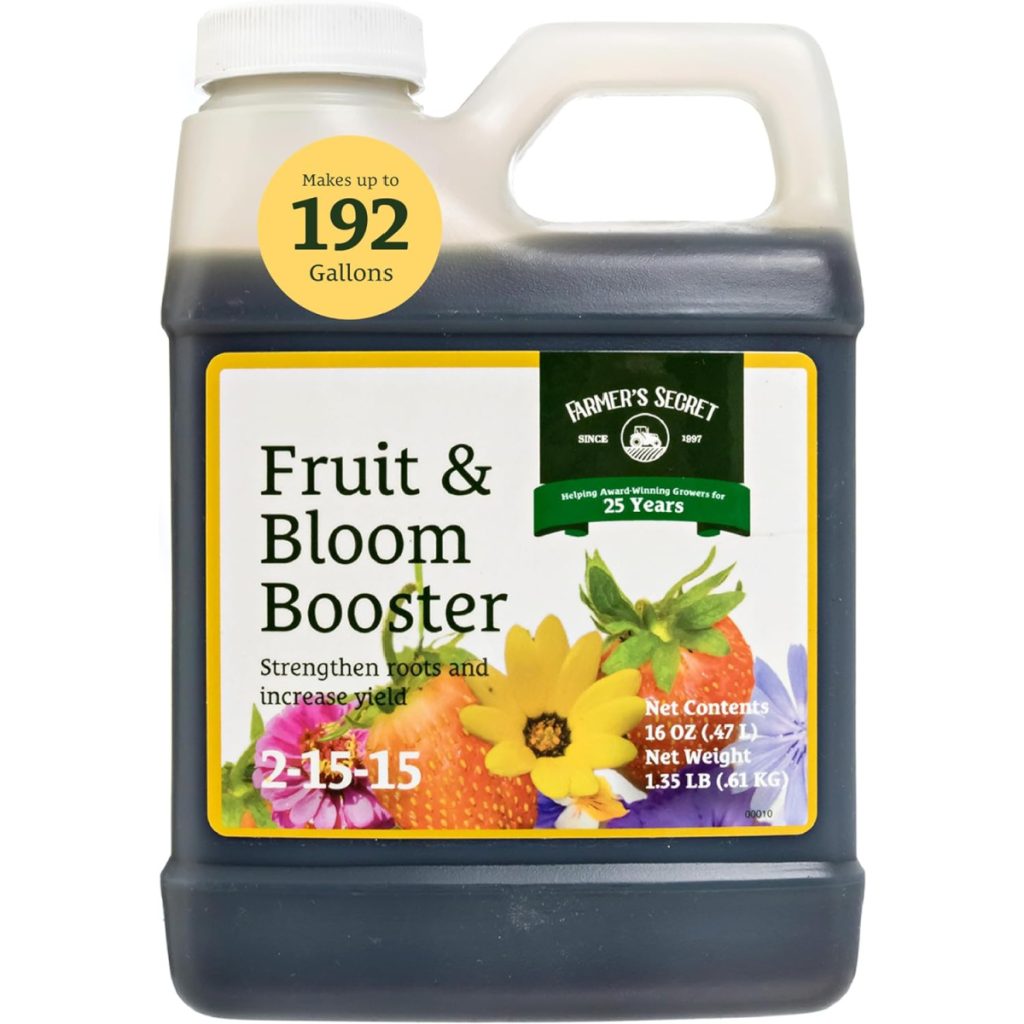
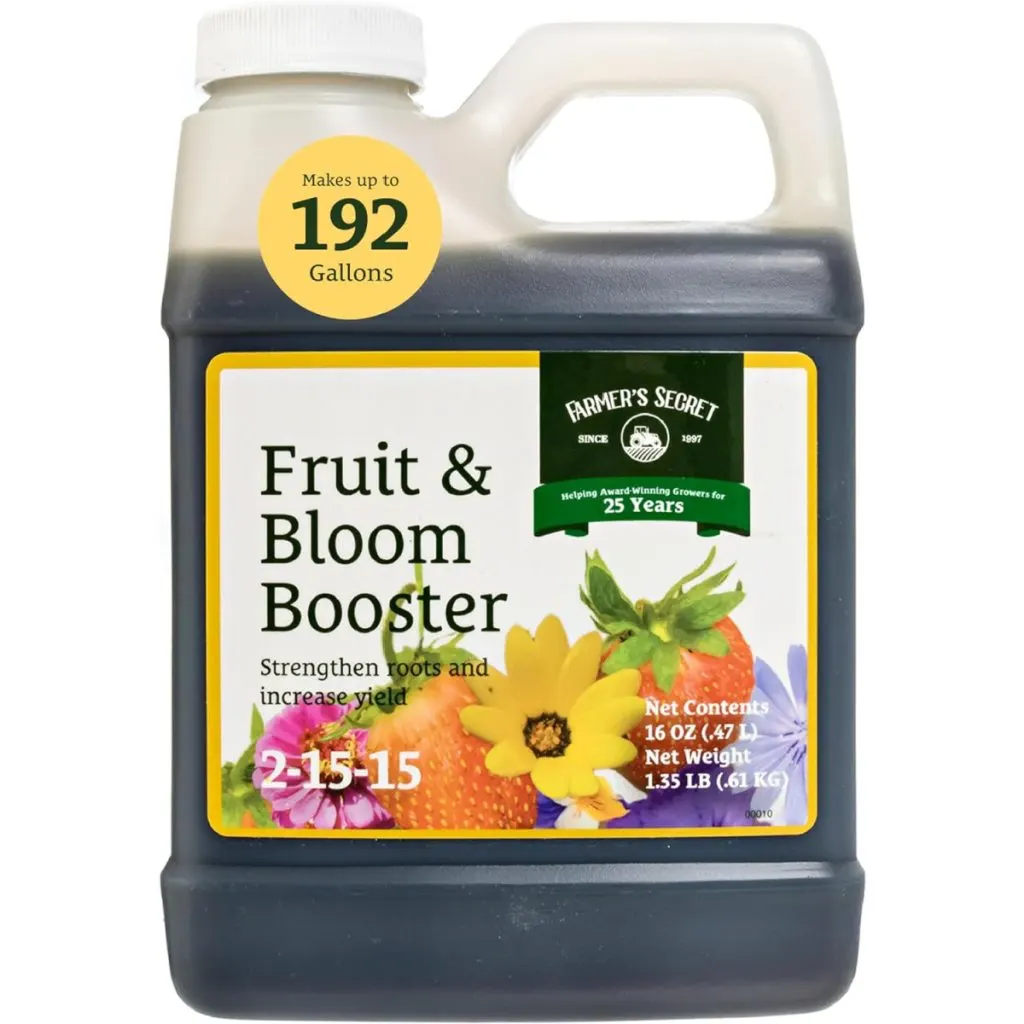
Liquid fertilizer can be used every two to three weeks, especially for container-grown pansies. Fertilizers with slightly higher phosphorus will help with better flower production and help maintain bright color. It’s best to dilute liquid fertilizers by half of the recommended dose. Affiliate Link: Farmer’s Secret Fruit & Bloom Booster Fertilizer (32oz)
As temperatures rise and pansies begin to slow down, fertilizing can be reduced. Too much fertilizer late in the season will stress plants and shorten bloom time.
Deadheading & Pruning For Continuous Blooms
One of the most important steps for keeping pansies blooming is deadheading. Removing faded flowers prevents the plant from putting energy into seed production and encourages new buds to form.
Deadheading should be done regularly, especially during peak bloom periods. Checking plants once or twice a week keeps them looking tidy and productive. Light trimming of leggy stems can also help. Cutting back stretched growth encourages fuller plants and can extend blooming into early summer.
Here is to planting your pansies this year for long lasting blooms!
Old World Garden
Jim and Mary Competti have been writing gardening, DIY and recipe articles and books for over 15 years from their 46 acre Ohio farm. The two are frequent speakers on all things gardening and love to travel in their spare time.
As always, feel free to email us at thefarm@owgarden.com with comments, questions, or to simply say hello! You can sign up for our free email list in the subscribe now box in the middle of this article. Follow us on Facebook here : OWG Facebook. This article may contain affiliate links.