
Did you know that one of the easiest ways to protect your plants and stop the damage Japanese Beetles can do to them is with an all natural homemade spray?
If there is one pest that can quickly turn beautiful flowers, shrubs, and garden plants into a tattered mess, it’s the Japanese beetle. And when the hungry insects arrive in force, it doesn’t take long for them to strip foliage, damage blooms, and leave plants looking stressed and unhealthy.
That is exactly why we rely on a simple homemade Japanese beetle spray every year. Not only is it easy to make and inexpensive, but it also helps protect plants naturally without the use of harsh chemicals!
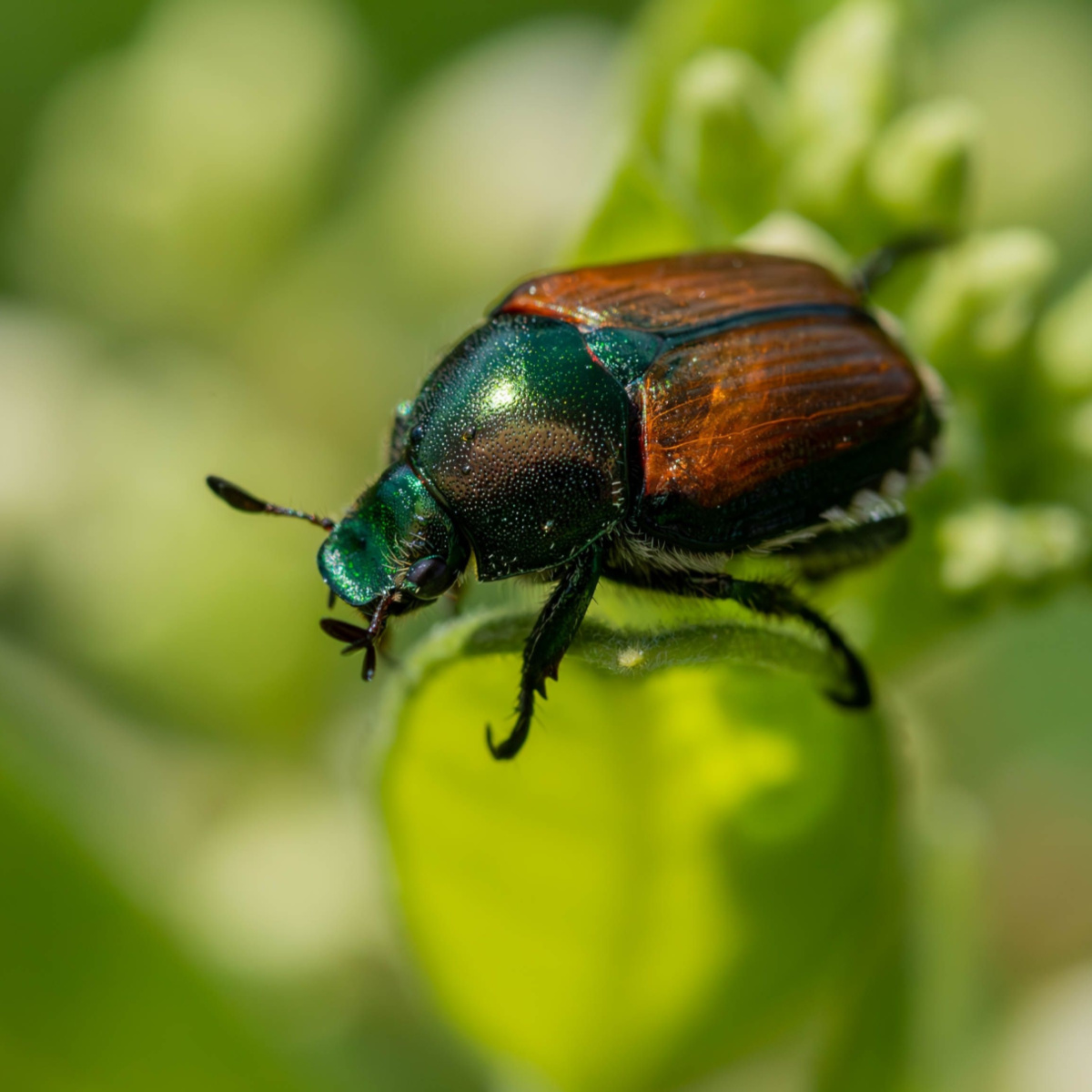
The Best Homemade Spray To Stop Japanese Beetles
Why Controlling Japanese Beetles Is So Important
In Ohio, Japanese beetles typically begin showing up toward the end of June. At first, you may only notice a handful feeding on a few plants. But within days, those numbers can explode as more beetles arrive and begin attacking flowers, shrubs, vines, annuals, and perennials.
Among their favorite targets are roses, grapevines, and many ornamental plants. Left unchecked, they can quickly ruin both foliage and blooms.
Fortunately, there is an effective way to fight back. By using a simple two-step approach, you can protect your plants from damage while also reducing future beetle populations.
The Life Cycle Of A Japanese Beetle
Japanese beetles begin life as grubs living in the soil. They spend the winter underground and emerge as adult beetles in early summer. Once they appear, their primary goal is to feed, mate, and lay eggs.
After mating, female beetles return to the soil and deposit eggs. Those eggs eventually hatch into grubs later in the season. The more beetles that survive and reproduce this year, the more grubs you will have in the soil, leading to even more beetles next year.
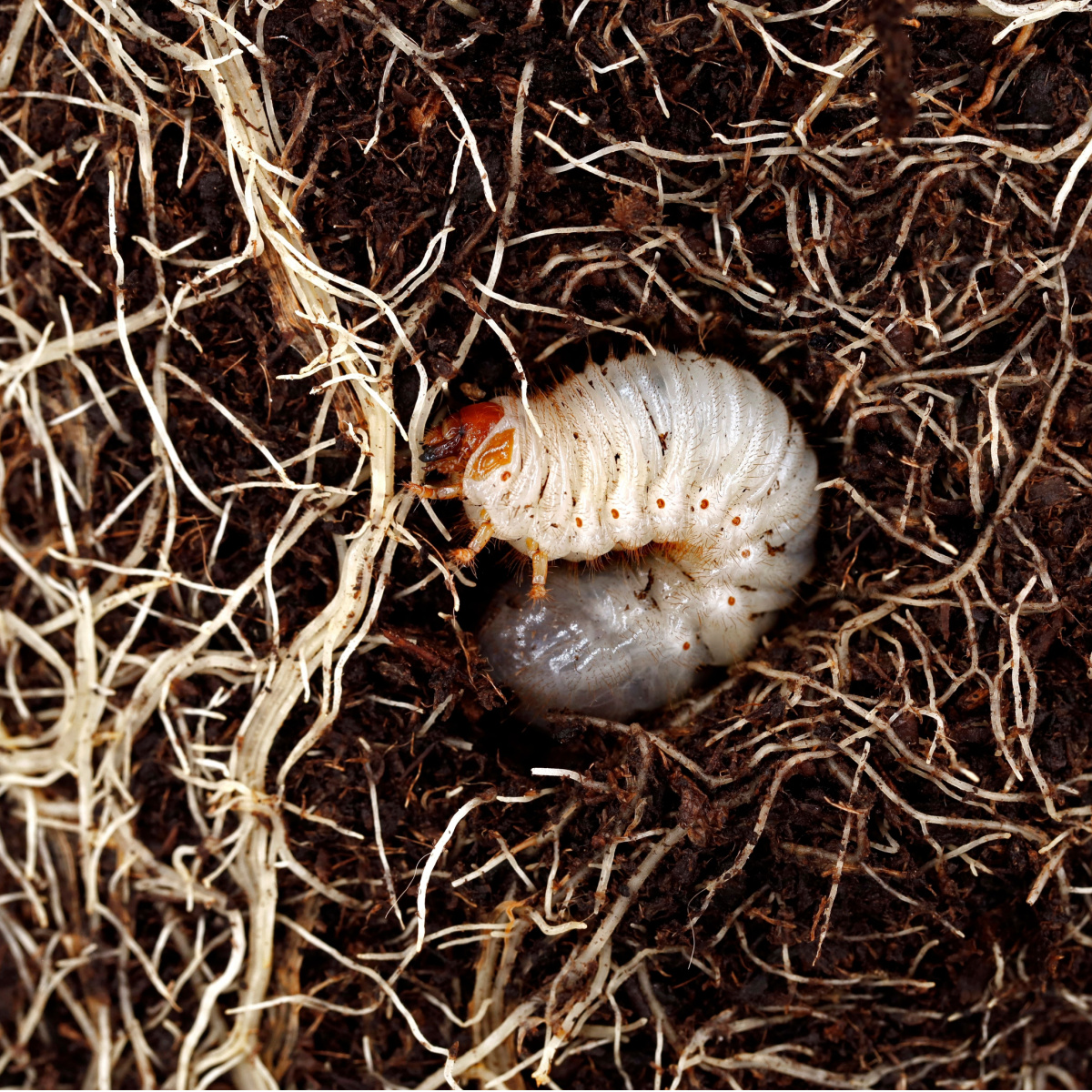
Breaking that cycle is the key to long-term control. For more than a decade, we have relied on the same simple strategy. While we still monitor plants and stay alert when beetle season arrives, our beetle population has remained very low for many years because of consistently managing them before they can reproduce in large numbers.
A Two-Step Approach To Beetle Control
Our method for protecting plants combines two simple practices. The first is hand-picking beetles whenever they appear. The second is using a homemade cedar oil spray to help keep plants protected between inspections.
Hand-picking may seem old-fashioned, but it can make a huge difference. By removing beetles daily and dropping them into a bucket of soapy water, you reduce the number that are able to mate and lay eggs.
Even a few weeks of consistent hand-picking can dramatically reduce beetle numbers.
To further protect vulnerable plants, we also apply a homemade repellent spray made from cedar oil. The combination of these two methods has worked extremely well for us over the years.
Listen In To Our Latest Podcast


Our Homemade Japanese Beetle Spray Recipe
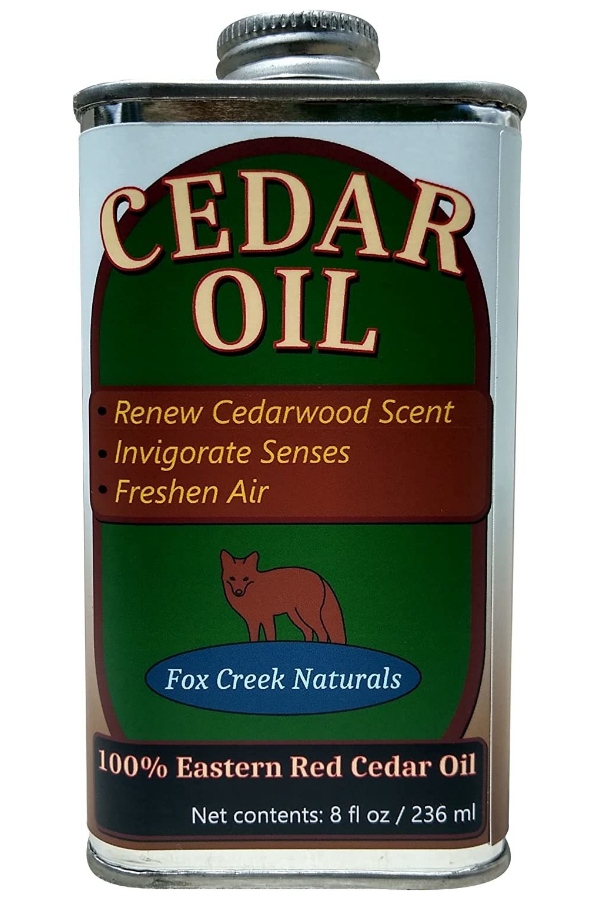
The active ingredient in the spray is cedar oil. Cedar oil works as a repellent, making plants far less attractive to Japanese beetles.
While it does not kill beetles, it does encourage them to leave treated plants. Even better, beetles tend to avoid landing on foliage that has already been sprayed.
There are two ways to create the spray. One uses pure Eastern cedar oil, while the other relies on soaking cedar boards in water to extract the natural oils.
The easiest method is using pure Eastern cedar oil. To make the spray, mix 1½ tablespoons of cedar oil with one gallon of water. Because the oil is already concentrated, there is no need to heat the water. Simply mix thoroughly and the spray is ready to use. Affiliate Link: 8oz Cedar Oil Can – Essential Eastern Red Cedar Wood (Juniperus Virginiana) Oil
How To Apply The Spray
A pump sprayer works best for larger areas, while a standard spray bottle is sufficient for a few plants.
Before spraying, add a few drops of olive oil or mild liquid dish soap to the mixture. This helps the solution cling to leaves and improves overall coverage.
Apply the spray generously to plants that Japanese beetles typically attack. If beetles are already feeding on the foliage, the cedar scent encourages them to move on quickly. As the spray dries, the lingering scent helps discourage additional beetles from landing on the plant.
Because rain and heavy dew can wash away the protective coating, the spray needs to be applied regularly to remain effective. We typically reapply every two to three days during peak beetle season.
Why We Avoid Insecticides
Many gardeners automatically reach for insecticides when Japanese beetles appear. While those products can kill beetles, they can also create additional problems in the landscape.
One of the biggest concerns is that insecticides do not distinguish between harmful insects and beneficial ones. Along with beetles, they can also eliminate pollinators and other helpful insects.
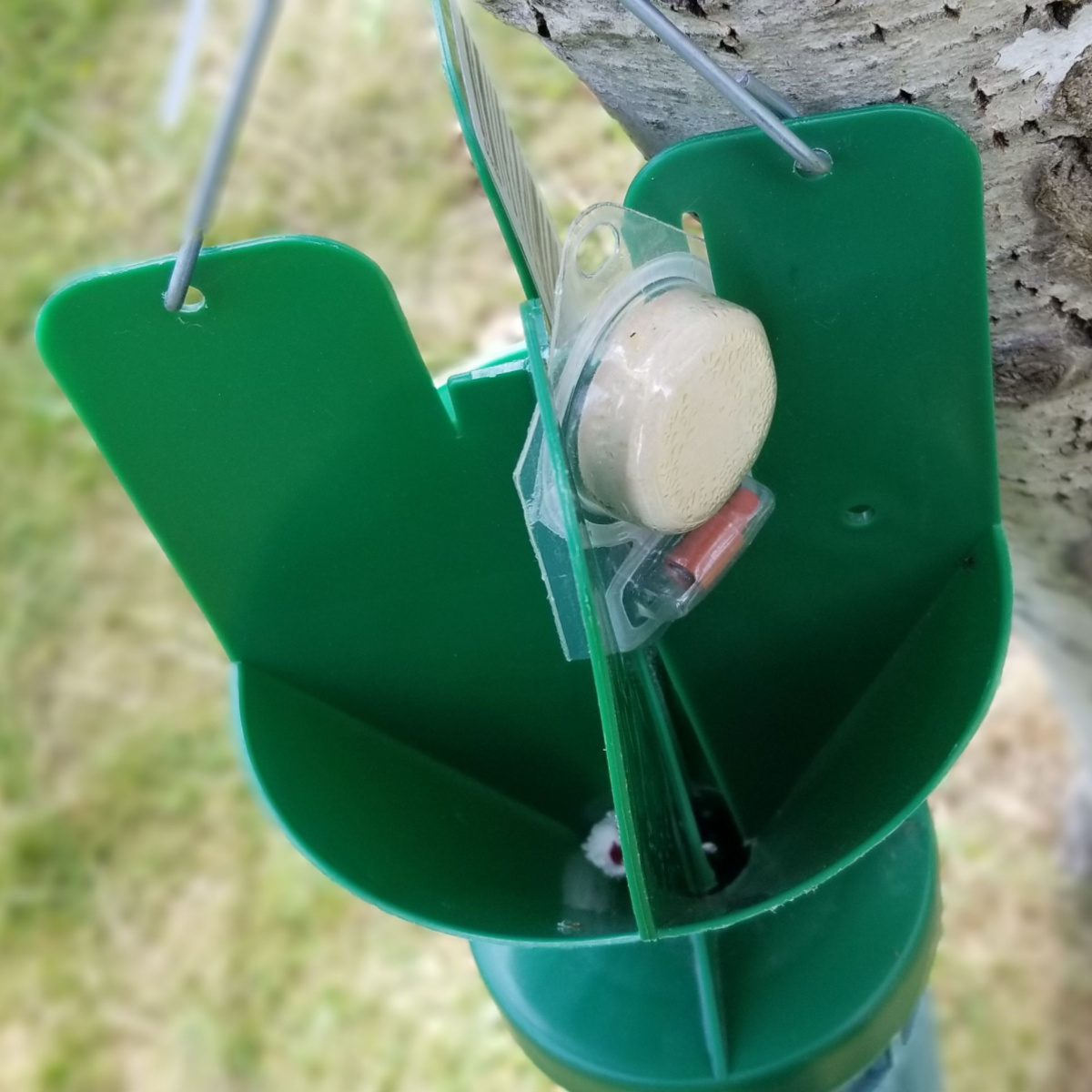
When populations of bees, butterflies, and beneficial insects decline, pollination can suffer. Flowers and vegetable plants depend on those insects to produce their best blooms and harvests.
In addition, removing large numbers of beneficial insects can upset the natural balance in the garden. When that happens, other pest problems often emerge because natural predators are no longer present to keep them under control.
For that reason, we prefer using a combination of hand-picking and cedar oil spray to stop Japanese beetles -all while avoiding unnecessary harm to beneficial insects.
Remember that the more beetles you control today, the fewer grubs and adult beetles you will have to deal with in the seasons ahead. Happy Gardening! Jim & Mary
The Farm @ Old World Garden
Jim and Mary Competti have been writing gardening, DIY and recipe articles and books for over 16 years from their 46 acre Ohio farm. The two are frequent speakers on all things gardening and love to travel in their spare time.
As always, feel free to email us at thefarm@owgarden.com with comments, questions, or to simply say hello! You can sign up for our free email list in the subscribe now box in the middle of this article. Follow us on Facebook here : OWG Facebook. This article may contain affiliate links.