The Best Way To Fertilize Marigolds In The Summer - Revive Your Fading Marigolds Fast!
If you are looking for a fast and easy solution to get your marigolds blooming big and bright once again this summer - it's time to fertilize!
When marigolds decline in the summer, it usually has very little to do with age. More often than not, marigolds simply need a fresh supply of nutrients to regain their strength and start producing flowers once again.
With the right fertilizer and a few simple care tips, you can quickly bring fading marigolds back to life. And even better, keep them blooming beautifully all the way until your first frost!

The Best Way To Fertilize Marigolds
Why Marigolds Fade In Summer
Marigolds are incredibly productive plants. From the time they begin blooming in late spring or early summer, they work almost nonstop to produce new buds and flowers.
That constant blooming requires a tremendous amount of energy. Every new blossom pulls nutrients from both the soil and the plant itself. As weeks go by, the available nutrients around the roots begin to disappear.
At first, the change is subtle. The plants may still look healthy, but you'll notice fewer flower buds beginning to develop. Before long, blooms become smaller, colors aren't quite as vibrant, and the foliage can start looking pale or tired. Summer heat only speeds up the process.
High temperatures cause marigolds to use more water and nutrients than ever before. If those nutrients aren't replaced, the plants simply don't have enough energy to continue producing an abundance of flowers. Fortunately, replacing those nutrients is easy, especially when you use the right type of fertilizer.
The Best Fertilizer For Marigolds
One of the biggest mistakes gardeners make is feeding flowering annuals with a fertilizer that contains too much nitrogen.

Nitrogen is excellent for producing lush green leaves and stems. While every plant needs some nitrogen, too much causes marigolds to spend their energy growing foliage instead of flowers. The result is large, leafy plants with surprisingly few blooms.
Instead, choose a liquid fertilizer that contains higher levels of phosphorus and potassium than nitrogen. Phosphorus is the nutrient responsible for flower and bud production. It encourages plants to create more blooms while helping strengthen their root systems.
Potassium is equally important because it improves overall plant health, strengthens stems, increases drought tolerance, and supports continuous flowering. Together, phosphorus and potassium provide marigolds with exactly what they need during the middle of summer. Look for fertilizers with nutrient ratios similar to:
These types of fertilizers direct the plant's energy toward blooming instead of simply producing more leaves.
Why It's Best To Fertilize Your Marigolds With A Liquid Fertilizer
Although granular fertilizers certainly have their place in the garden, liquid fertilizers are far more effective for reviving struggling marigolds.
Liquid fertilizer is absorbed quickly through the roots and foliage, allowing nutrients to reach the plant almost immediately. Instead of waiting weeks for slow-release granules to begin breaking down, marigolds receive a fast boost of energy. That quick response is exactly what tired summer plants need.

Liquid fertilizers are also much easier to control. You can adjust the strength of the solution and provide nutrients exactly when plants need them most. Affiliate Link: EZ-GRO 10-30-20 Blossom Booster Fertilizer - Liquid Plant Food
Within a week of regular feeding, you'll often notice healthier foliage, stronger stems, and a fresh flush of flower buds beginning to develop.
Feed Every 7 Days At Half Strength
Here's another secret that makes a tremendous difference. Instead of applying a full-strength fertilizer once every two or three weeks, feed your marigolds every seven days using a solution mixed at half the recommended strength.
This steady feeding schedule provides a constant supply of nutrients without overwhelming the plant. Think of it like eating balanced meals throughout the week instead of one huge meal every few weeks.
Plants perform much better when nutrients are consistently available. Half-strength applications also reduce the risk of fertilizer burn. Strong fertilizer solutions can stress roots during periods of intense summer heat, especially when the soil is already dry.
By supplying smaller amounts more often, the roots can absorb nutrients efficiently without becoming overloaded. This weekly feeding routine keeps plants growing at a steady pace while encouraging nonstop flower production.
For container-grown marigolds, this schedule is even more important. Pots lose nutrients quickly because watering constantly flushes minerals out through the drainage holes.
Listen To Our Latest Podcast Below

Watering Before You Fertilize
One simple step can make your fertilizer work even better. Always water marigolds before applying liquid fertilizer if the soil feels dry. Dry roots absorb nutrients poorly and are much more likely to suffer fertilizer burn.
Moist soil allows nutrients to spread evenly through the root zone where plants can absorb them gradually. If you're fertilizing early in the morning after watering, your marigolds will receive the maximum benefit from every feeding.
Morning is also the ideal time because temperatures are cooler and plants have the entire day to use both the water and nutrients. Always try to avoid fertilizing during the hottest part of the afternoon when plants are already dealing with heat stress.
Keep Watering Consistent
Even the best fertilizer can't help marigolds if they're constantly drying out. Marigolds prefer soil that drains well, but they still need consistent moisture during extended periods of hot weather.
Rather than giving plants a light sprinkle every day, water deeply whenever the top inch or two of soil becomes dry. Deep watering encourages roots to grow farther into the soil where moisture remains available longer.
Container-grown marigolds often require watering every day during periods of extreme heat, while flowerbed plants usually need watering only a few times each week depending on rainfall and soil conditions.
Be Sure To Deadhead Regularly For More Flowers
Deadheading is one of the simplest maintenance tasks you can perform, yet it has one of the biggest impacts on flower production.

Once blooms begin fading, the plant naturally shifts energy toward producing seeds. That means less energy is available for creating new flowers.
By removing spent blooms every few days, you redirect that energy back into producing fresh buds instead. Simply pinch or snip off faded flowers just above the next healthy set of leaves. See our article: The Secret To Endless Blooms – The Best Way To Deadhead Annual Flowers!
The process only takes a few minutes but can dramatically increase the number of blooms your plants produce throughout the remainder of summer. It also keeps plants looking neat, tidy, and full of vibrant color.
By taking time to fertilize your marigolds with a higher amount of phosphorus and potassium, feeding every seven days at half strength, watering consistently, and removing faded blooms, you can completely transform struggling plants - fast! Happy Gardening - Jim & Mary.
The Farm @ Old World Garden
Jim and Mary Competti have been writing gardening, DIY and recipe articles and books for over 16 years from their 46 acre Ohio farm. The two are frequent speakers on all things gardening and love to travel in their spare time.
As always, feel free to email us at thefarm@owgarden.com with comments, questions, or to simply say hello! You can sign up for our free email list in the subscribe now box in the middle of this article. Follow us on Facebook here : OWG Facebook. This article may contain affiliate links.
More fertilizing
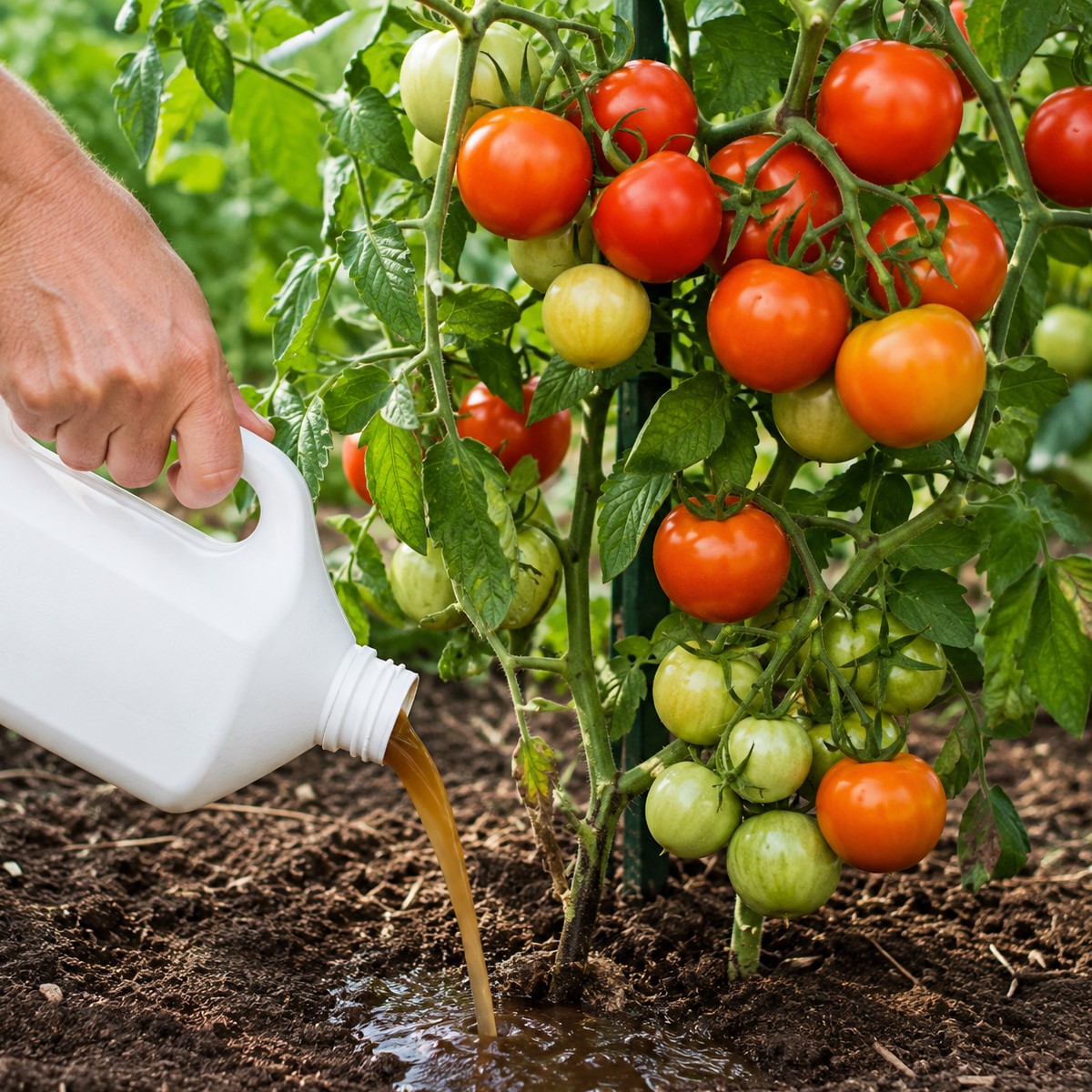
- The Best Way To Fertilize Tomato Plants In Late Summer - Grow More Tomatoes Than Ever!
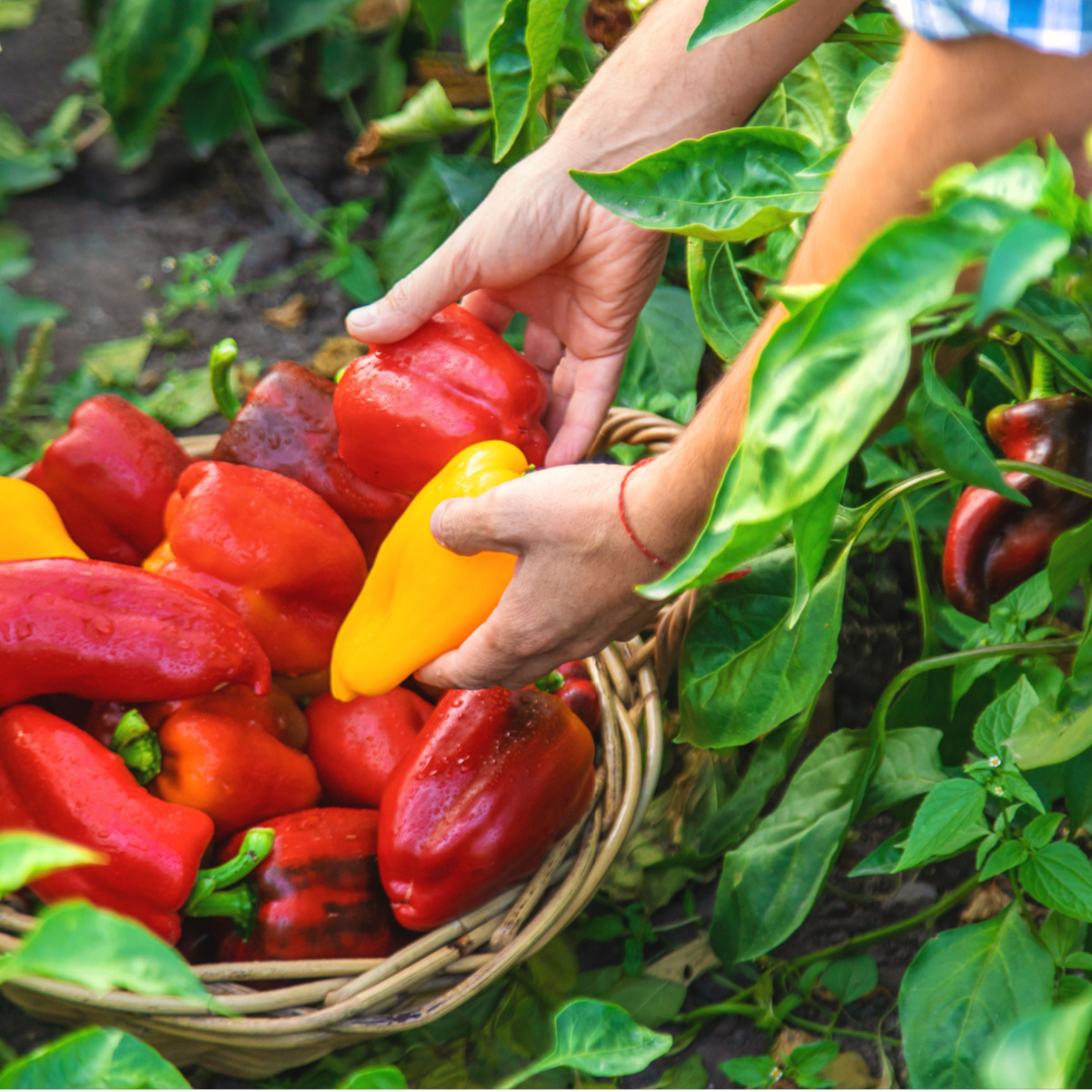
- How To Fertilize Pepper Plants Right - The #1 Secret To Growing More Peppers This Summer!
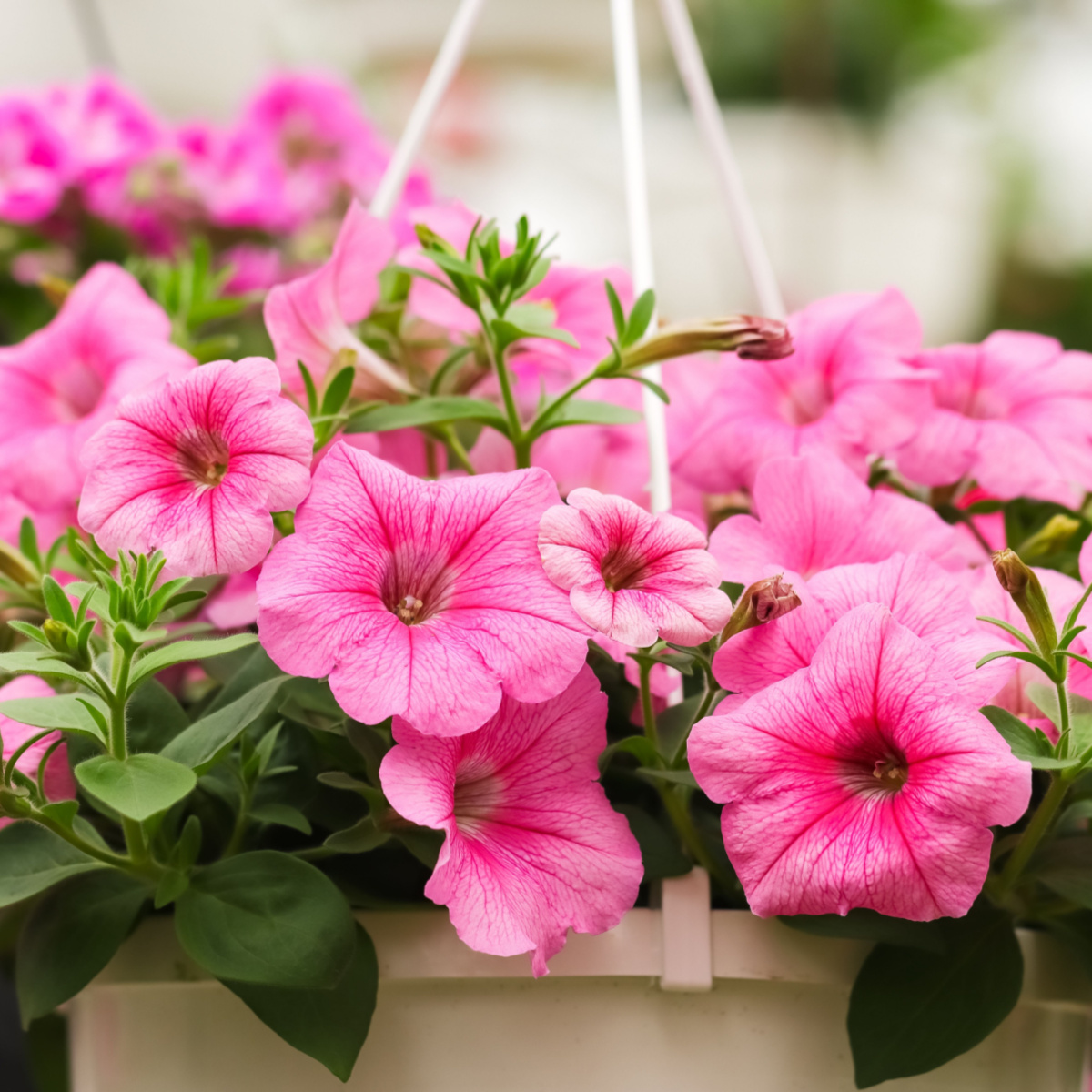
- The Best Way To Fertilize Petunias - How To Keep Your Petunias Blooming Big All Summer!
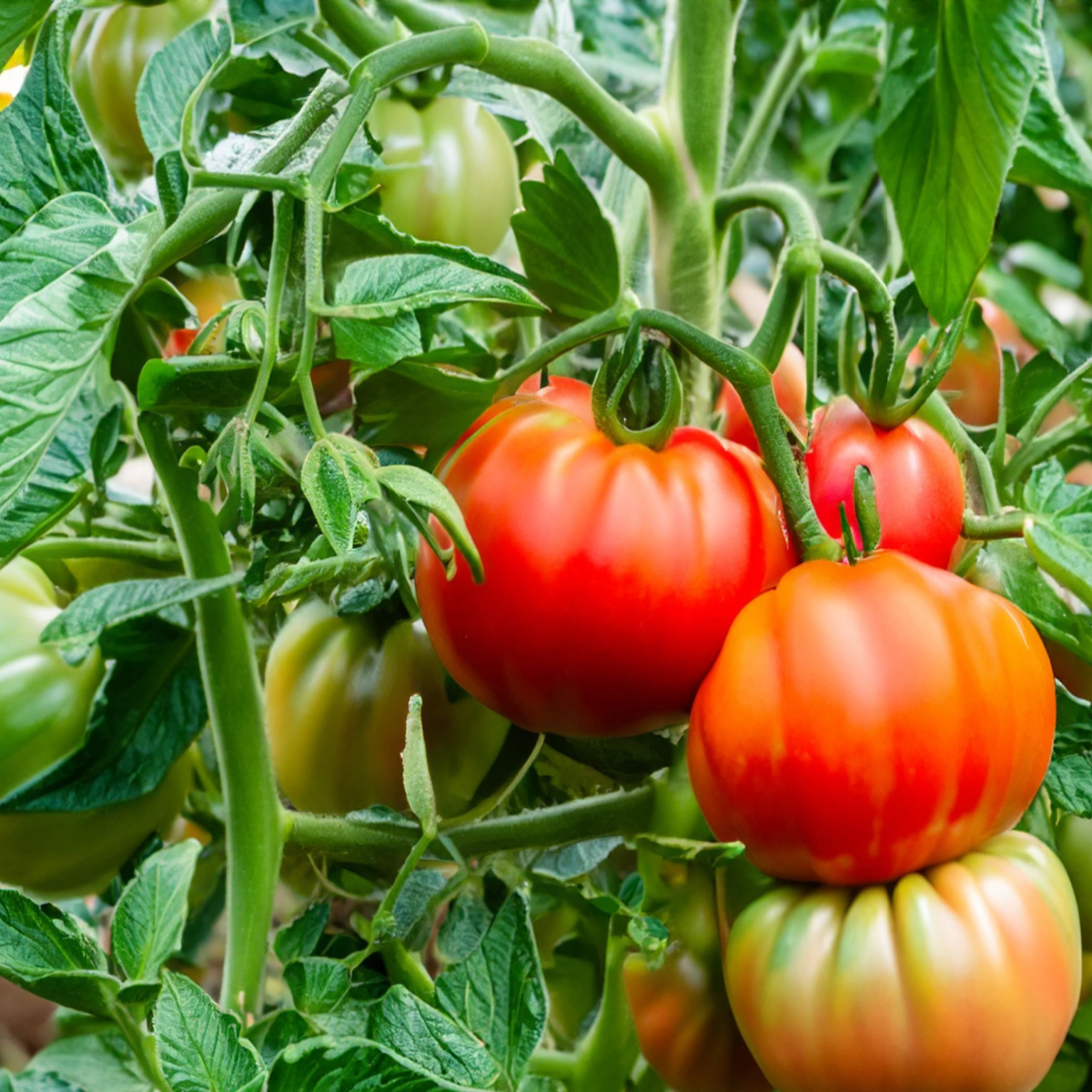
- The Secret To Fertilizing Tomatoes - How To Get More Tomatoes From Your Plants This Summer!