How To Rejuvenate The Soil In Your Flowerbeds & Raised Beds This Fall With Coffee Grounds!
If you need to re-energize and rejuvenate the tired soil in your flowerbeds and raised beds this fall - then coffee grounds are the perfect starting point!
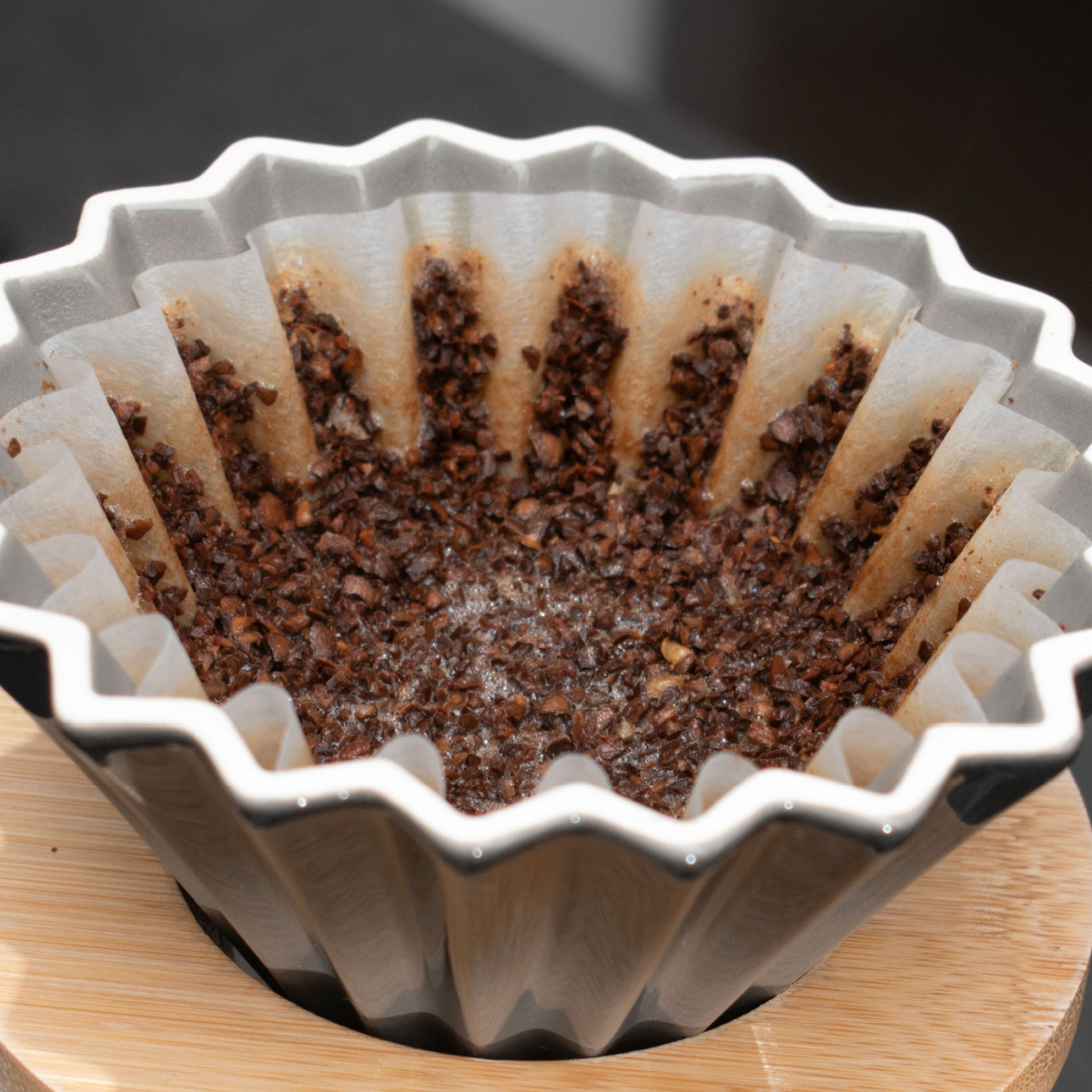
By the end of the growing season, vegetable plants and flowers have spent months drawing nutrients from the soil. Raised beds may have settled, flowerbeds need fresh organic matter, and compost bins are filling up with dry leaves. Used coffee grounds can help with all three – and even the paper filter can go along for the ride.
The secret is to use grounds as one ingredient in building better soil, not as a quick fertilizer. Spread them out, mix them with other organic materials, and give them time to break down. Here is how we like to put them to work in the fall.

How To Rejuvenate Your Flowerbeds & Raised Beds With Coffee Grounds
Using Spent Grounds To Bring Back Energy To Your Soil
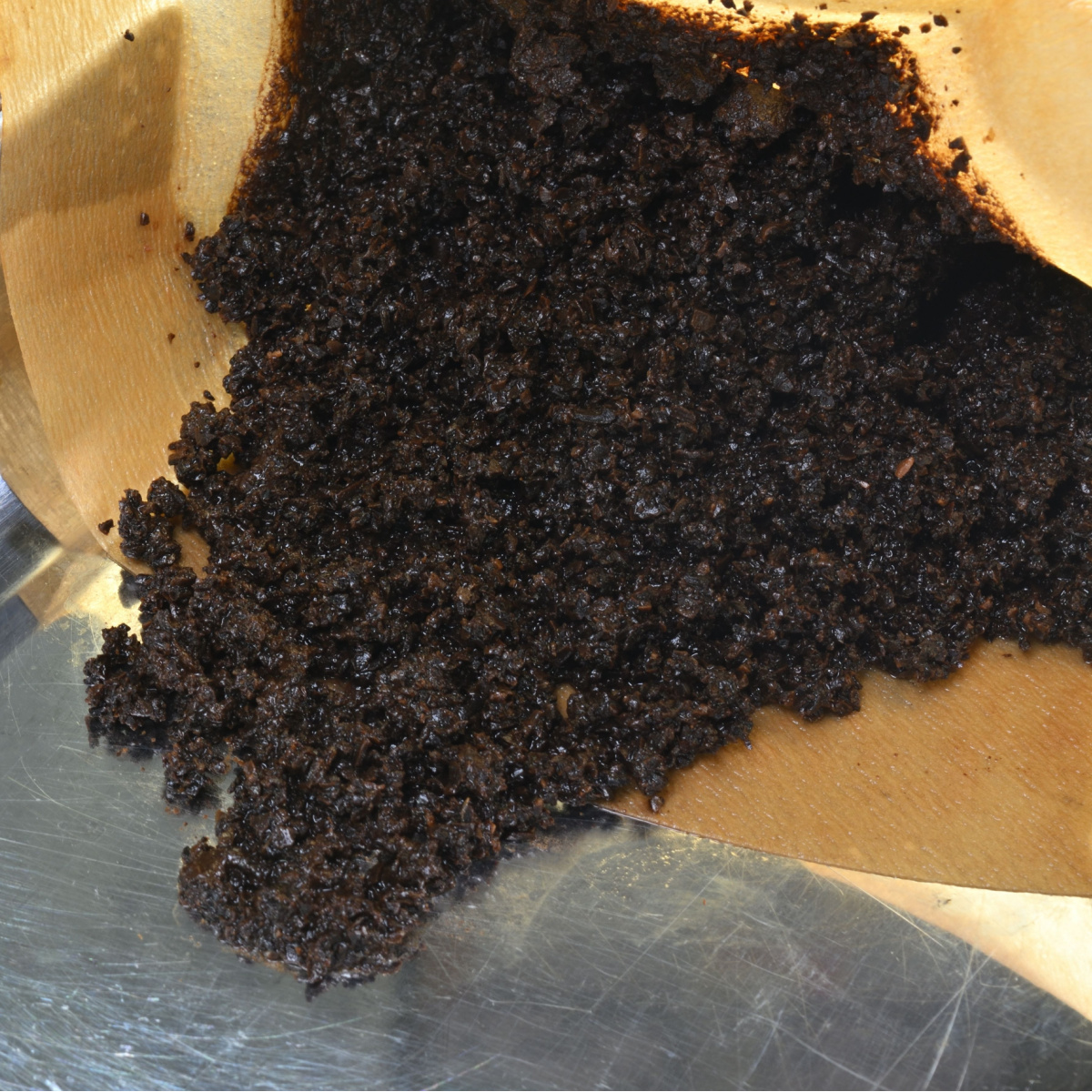
The grounds left after brewing coffee contain organic matter and some nitrogen. As they decompose, they can help improve soil structure. They are especially useful in fall, when you have time to let that process begin before the next growing season.
And what about the paper filter? If you use a plain paper filter, you can compost it right along with the grounds. Not only is it biodegradable, but it adds humus to the soil as it breaks down. It really is a win-win for the soil in your flowerbeds and raised beds!
There is one common claim you can forget: used coffee grounds are not going to make soil more acidic. Brewing removes nearly all of the acidity, so you don't have to worry about them changing your soil’s pH. With that in mind - here are three great ways to use spent coffee grounds this fall!
Use Coffee Grounds To Rebuild & Rejuvenate Raised Bed Soil
Raised beds work hard all summer. Tomatoes, peppers, greens, flowers, and other crops take up nutrients while watering and weather gradually settle the soil. By fall, the soil level may be several inches lower than it was in spring.

That makes autumn a great time to begin rebuilding the bed. Once you have removed spent plants and weeds, scatter a modest amount of used coffee grounds across the surface. Mix them lightly into the top few inches of soil, then add finished compost to help restore the bed’s organic matter. For the rest of the fall and winter - you can continue to do this as you have the grounds. You can also bury coffee filters into the soil as well to break down.
If you have shredded leaves, they can help too. Add them in a thin layer with the grounds and compost, rather than packing the bed with leaves alone. You are giving soil organisms a mix of materials to work on as the season changes.
Coffee grounds are only one part of this process. A raised bed that has lost a lot of soil still needs more compost or soil added to bring its level back up. Grounds alone will not fill it or supply everything next year’s plants need. Used lightly alongside compost and leaves, however, they are an easy addition to your fall soil care. See our article: Re-Energizing Raised Bed Soil – How To Bring Soil Back To Life!
Give Fall Flowerbeds A Little Help Too
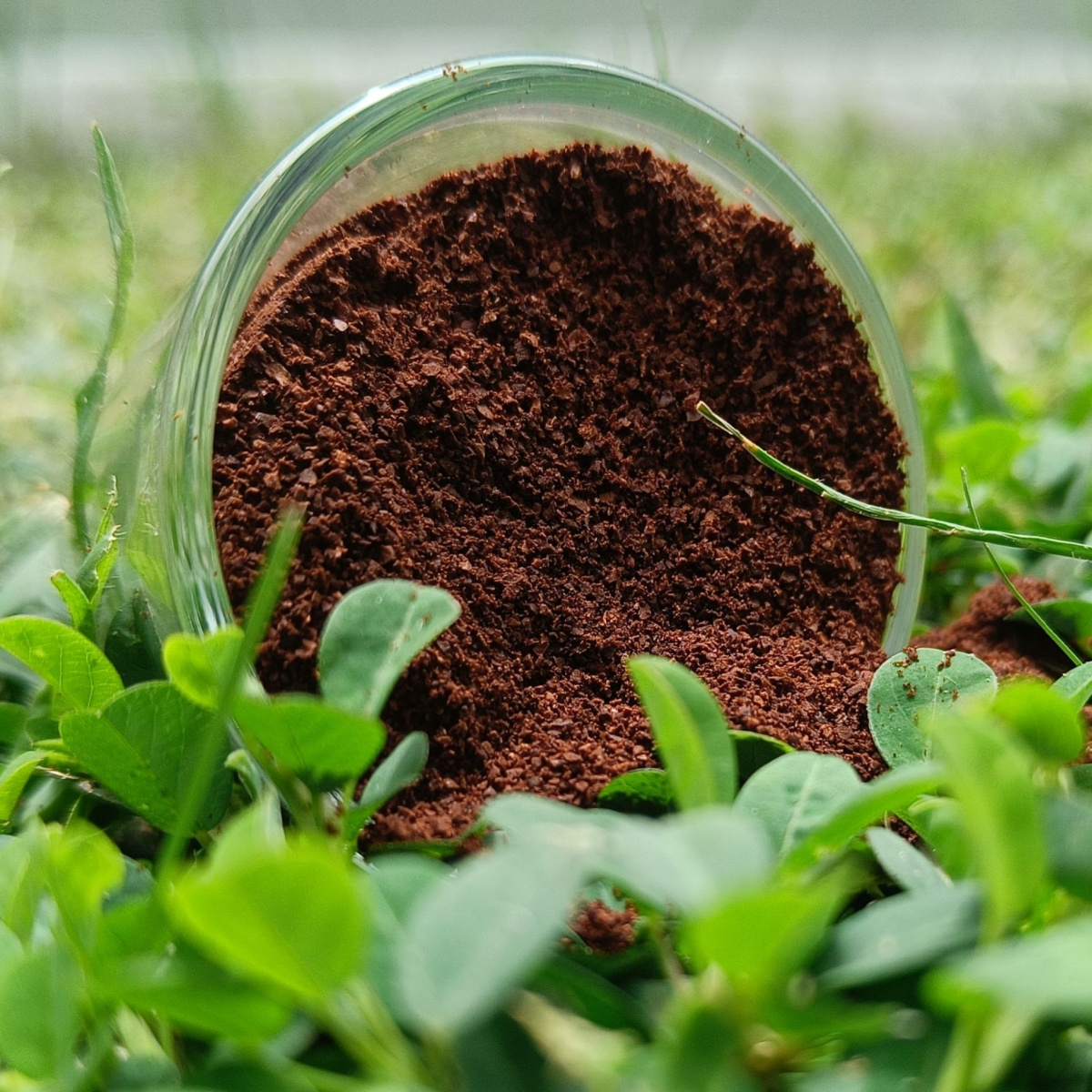
You can rejuvenate flowerbeds with coffee grounds with the same approach, especially around established perennials. As you clean up the bed in fall, sprinkle a small amount of grounds on open soil between plants and gently work them into the surface.
Keep the grounds away from the crowns and stems of perennials. Then cover the area with your usual layer of mulch or shredded leaves. Mixing the grounds into the soil or covering them keeps them from sitting exposed in a dense layer. Again, you can also bury filter and grounds together in between plants and allow them to break down and release nutrients.

There is no need to collect enough coffee grounds to cover an entire flowerbed. A small amount added regularly to different areas is more useful than a heavy pile in one spot. Think of it as another way to return organic material to the soil while you are doing your fall cleanup.
If your flowerbeds already have healthy mulch and plenty of organic matter, the compost bin may be the better destination for your grounds. Once the grounds have become part of finished compost, you can use that compost in the flowerbed when and where it is needed.
Coffee Grounds In A Fall Compost Bin
Fall often brings a mountain of dry leaves – and they are wonderful for compost. But a bin full of leaves alone can be slow to break down. Coffee grounds can help balance those carbon-rich “browns” because they count as a nitrogen-rich “green” material in compost.
Each time you empty your coffee maker, add the grounds and filter to the bin and mix them into the leaves. Tear the filter apart first if you want it to disappear faster, then cover the fresh grounds with more leaves.
The key is to mix everything rather than dumping grounds into one thick layer. Keep the pile about as damp as a wrung-out sponge and turn it when you can to bring in air. A well-balanced pile with enough material may warm up and break down faster after an addition of nitrogen-rich ingredients. Coffee grounds can help, but a few handfuls will not make a small, dry bin heat up overnight.
Keep the grounds as a modest portion of the pile. If you have access to large bags from a coffee shop, add them over time along with plenty of leaves and other compost ingredients. A little variety makes better compost than a bin packed with any single material.

When the compost is finished, it is ready to spread through raised beds, vegetable gardens, and flowerbeds. That is often the simplest way to share the benefit of your coffee grounds throughout the garden.
Bury Small Amounts Of Coffee Grounds In An Empty Vegetable Garden
Have a vegetable garden bed that is finished for the season? You can rejuvenate the soil in it with coffee grounds too just like you can with flowerbeds and raised beds. Simple bury used grounds directly in an empty area so they can begin decomposing in place.
Just make a small trench or hole, drop in the filter and grounds, and cover it thoroughly with soil. Move to a different spot the next time you have more grounds rather than adding everything to one hole.
This is a simple form of in-place composting. The organic material breaks down where it is buried, and you avoid leaving wet grounds exposed on the soil surface.
One thing is for sure - a single pot of coffee will not transform a garden. But saving the grounds each day gives you a steady supply of organic material you already have on hand.
This fall, use small amounts to help rebuild a raised bed, mix them with leaves in your compost bin, or bury them in an empty vegetable garden area. Send the plain paper filters to the compost bin too. Give the grounds room to break down, and by spring, that daily cup of coffee will have done a little extra work for your soil! Happy Gardening - Jim & Mary.
The Farm @ Old World Garden
Jim and Mary Competti have been writing gardening, DIY and recipe articles and books for over 16 years from their 46 acre Ohio farm. The two are frequent speakers on all things gardening and love to travel in their spare time.
As always, feel free to email us at thefarm@owgarden.com with comments, questions, or to simply say hello! You can sign up for our free email list in the subscribe now box in the middle of this article. Follow us on Facebook here : OWG Facebook. This article may contain affiliate links.