The Biggest Mistake Gardeners Make With Raised Beds In Late October
Want to know the biggest and most common mistake gardeners make in late October with their raised beds? And how it can hurt next year's crops and flowers?
Believe it or not, one of the biggest mistakes you can make is to pull everything out - and then leave the soil bare all winter long!
After months of planting, watering and harvesting, it’s easy to think an empty raised bed is ready for a well-deserved rest. Once the last of the vegetable plants or flowers come out, many gardeners simply smooth the soil and walk away until spring.
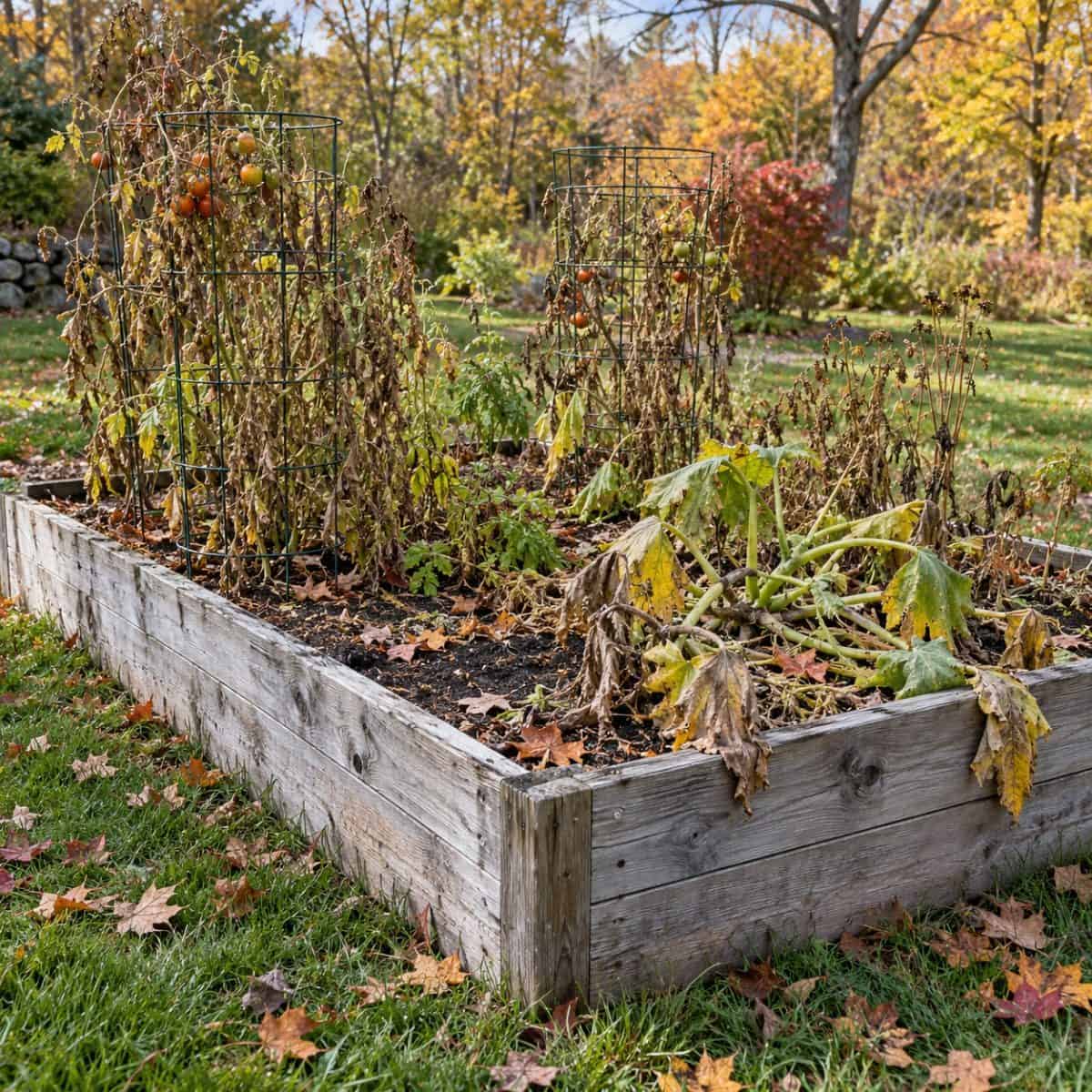
But although your vegetable and flowers may be finished, your soil still needs protection. Without anything covering the surface, it is exposed to pounding rain, drying winds and winter weather. Even worse, that open soil gives weeds a place to settle in before your next growing season begins.
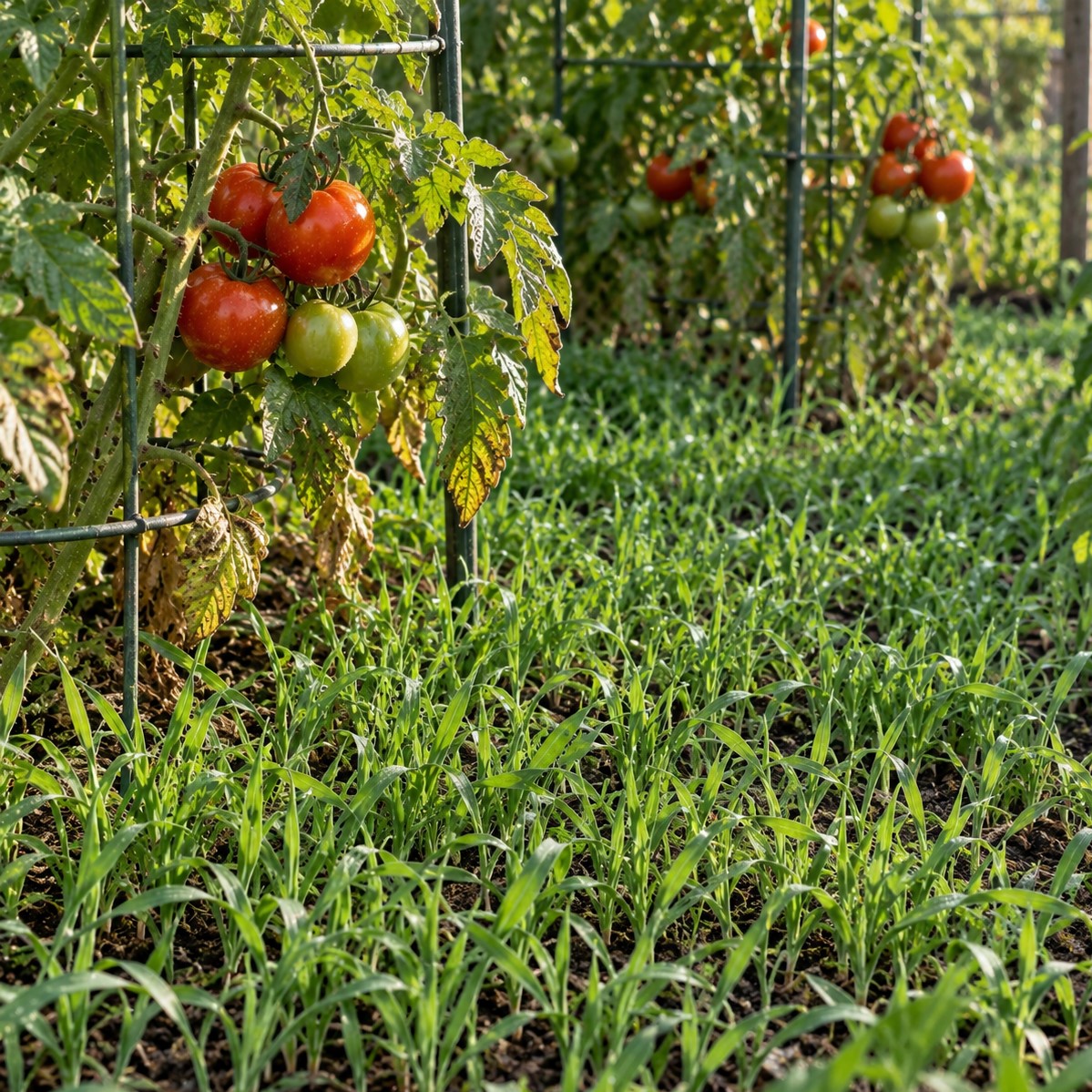
The good news? With a little fall cleanup, compost and a cover crop of annual cereal rye, you can protect your raised beds while helping improve the soil for next year. And if planting season has already passed in your area, there is still an easy way to keep those beds covered!
Helping Your Raised Beds In Late October
Why Bare Soil Is A Problem In Raised Beds
One of the best parts of growing in raised beds is having loose, workable soil. Instead of struggling with hard ground, your plants can spread their roots through a growing space you have carefully built and maintained.
But leaving that surface uncovered makes it more vulnerable to weather. Heavy rain can break apart exposed soil aggregates and create a crust. Wind and runoff can also carry away fine particles, especially when beds are filled right to the top.
Bare soil also provides room for weeds. During mild fall weather, cool-season weeds can germinate and establish roots. By spring, they may already be growing strong while you are just getting ready to plant.
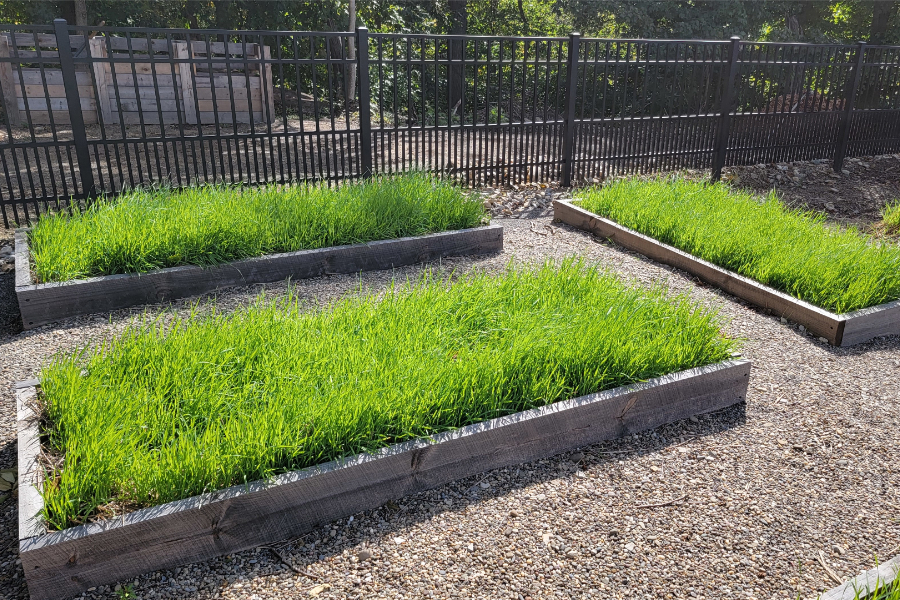
Covering the soil helps cushion the surface and reduce erosion. But you also need to replenish the soil. And when you use a living cover crop, its roots also help hold soil in place. It also helps regenerate and power up the soil!
Clean Out Your Finished Plants First
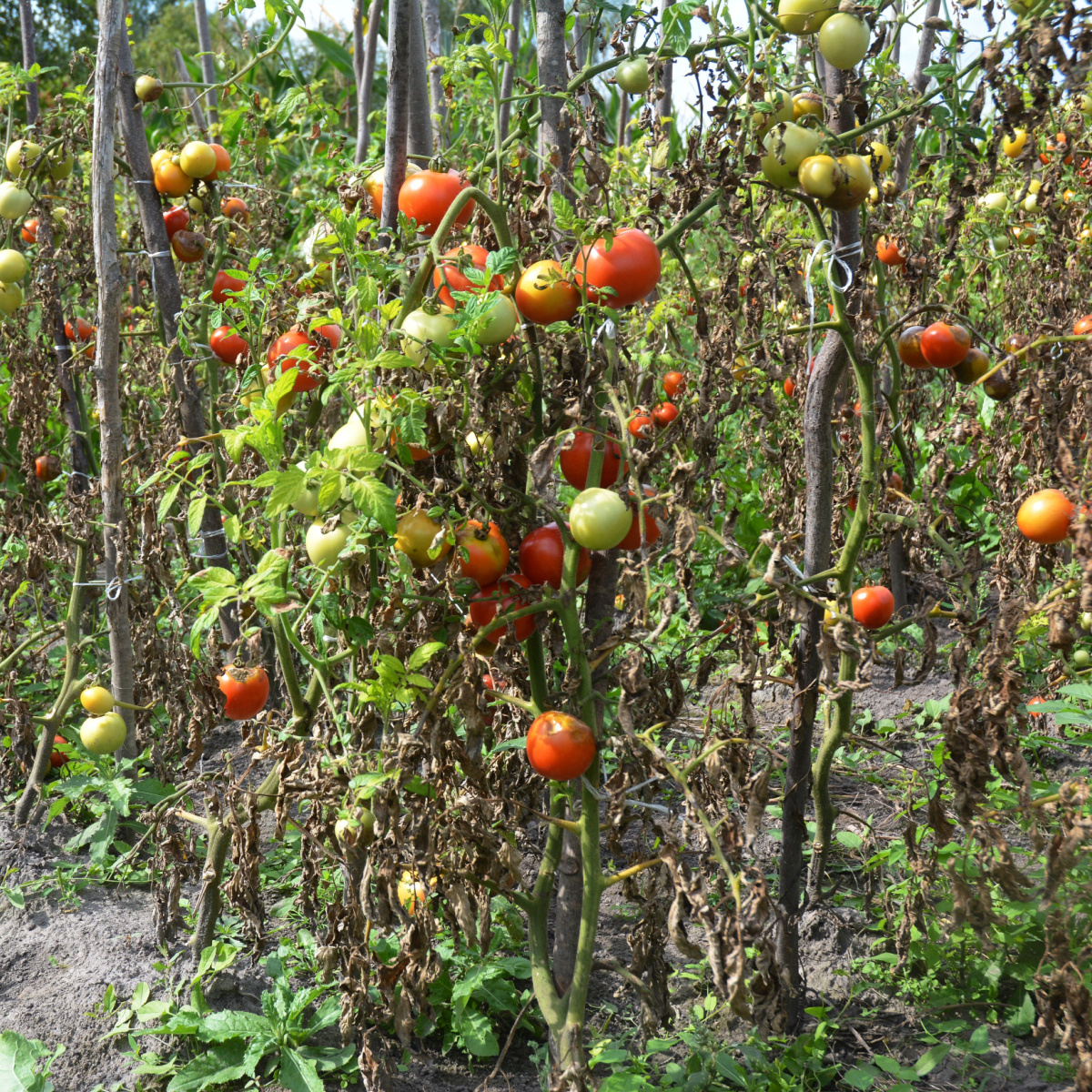
Before planting a cover crop in your raised beds in October, always remove spent vegetables, leftover produce and weeds. Leaving old plants standing through winter can make spring cleanup more difficult, especially when vines become tangled around cages and supports.
Pay particular attention to diseased foliage and fruit. Plant material affected by certain diseases can carry problems into another growing season, so it deserves more attention than healthy garden debris.
Healthy stems and leaves can go into your compost pile. Keep diseased material out unless you know your composting process can manage the particular problem.
Remove weeds before they scatter seeds. A few minutes spent carefully pulling seed-bearing weeds now can prevent a much bigger job later. There is no reason to dig deeply through the entire bed. In fact, the more you dig, the more weed seeds you will "re-plant" for next year!
Listen To Our Gardening Podcast Below!

Give Your Raised Beds Compost In October
Once the bed is clean, fall is a good opportunity to add finished compost. Raised bed soil often settles during the growing season as organic materials decompose. Compost will help replenish organic matter and improve the soil’s ability to hold moisture while maintaining good structure.
For many beds, a layer around an inch deep is a reasonable starting point. Use mature compost rather than fresh manure or unfinished material. Finished compost should have an earthy smell and a crumbly texture.
Lightly rake it into the surface before sowing your cover crop. There is no need to turn the entire bed upside down.
Plant Annual Cereal Rye To Cover The Bed
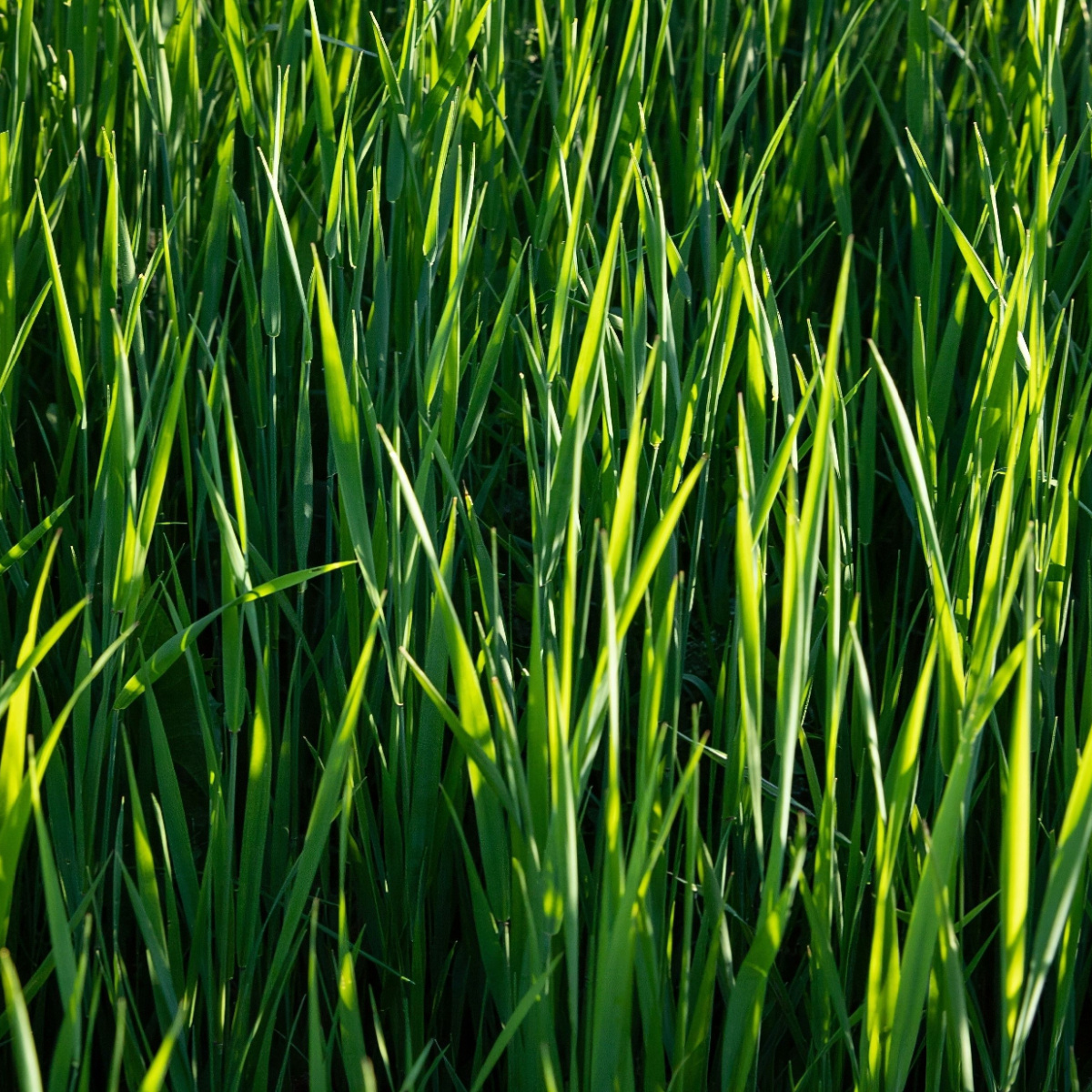
For late-fall planting, cereal rye is one of the most useful cover crop choices. Also called winter rye, it is an annual grain grown in this case to protect and improve soil rather than produce a harvest.
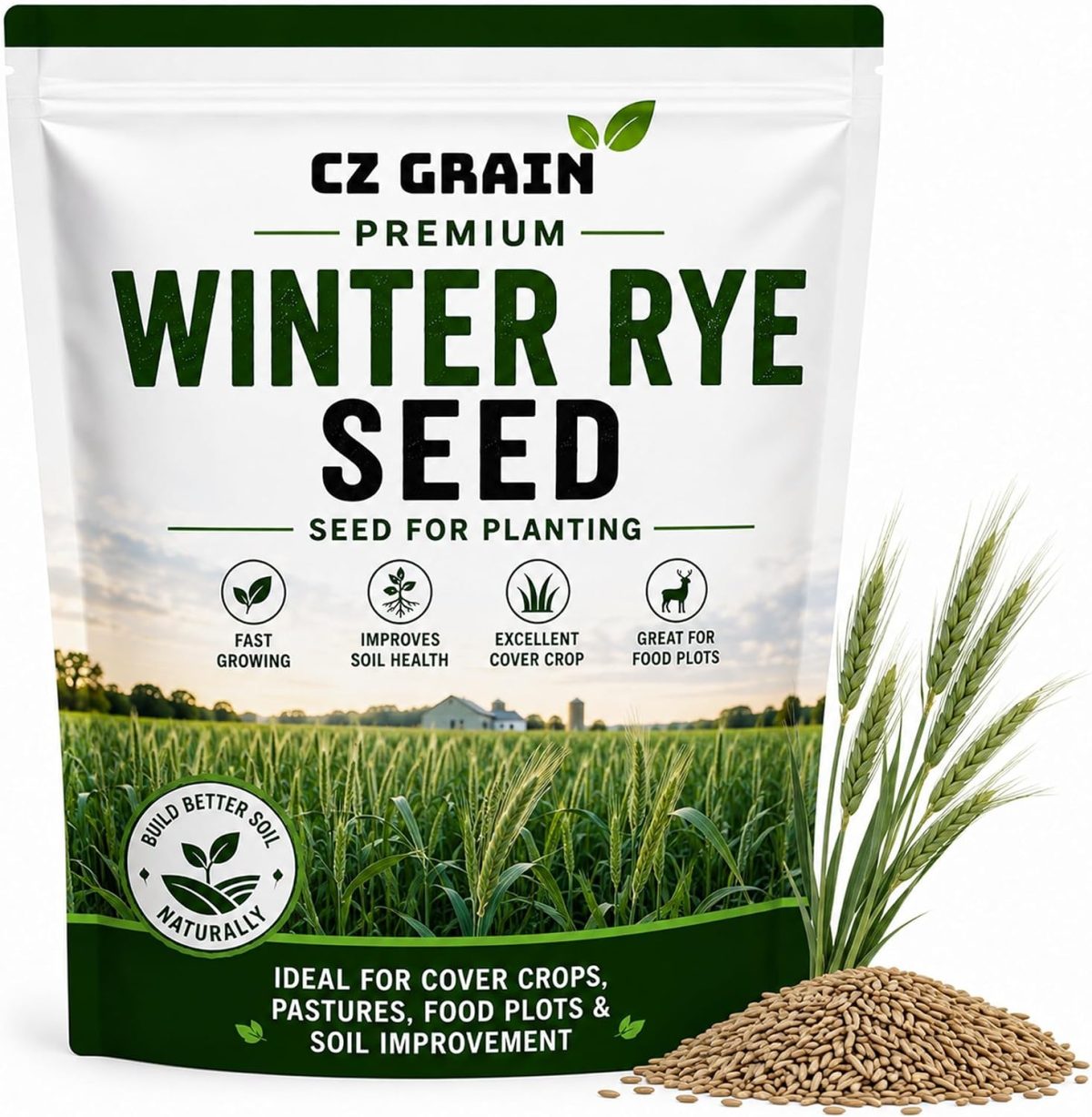
Check the seed label carefully. Cereal rye and annual ryegrass are different plants. For this raised bed cover crop, look for cereal rye or winter rye, with the botanical name Secale cereale. Affiliate Link: 5 lb Winter Rye Seed | Cover Crop, Food Plot & Soil Improvement
Cereal rye tolerates colder conditions than many other cover crops, giving gardeners a later planting opportunity. Its fibrous roots help anchor soil, while its foliage provides a living covering over the surface.
As it grows, rye takes up available nutrients that might otherwise be lost from the root zone. Those nutrients become part of the plant material and can cycle back as it decomposes.
Rye doesn’t fix nitrogen from the air like a legume. Its benefits come from protecting soil, capturing existing nutrients and contributing roots and leafy growth.
How Late Can You Plant Rye?
Cereal rye can establish later than oats and many other fall cover crops, but it still needs suitable conditions to germinate and grow. Mid to late October planting will still work for raised beds in most areas. Soil temperature, moisture and the arrival of persistent winter weather all matter.
Plant as soon as a bed becomes available. Even a week or two can make a difference when days are shortening and temperatures are falling.
Don’t expect a late planting to produce a thick green carpet immediately. Rye may make only modest growth before winter, then resume growing as conditions improve in spring.
If the ground is frozen or conditions won’t allow establishment, use mulch instead. Scattering seed over an unsuitable bed doesn’t provide the immediate protection that an actual covering can. Next year, you can get a head start by planting individual beds as their crops finish instead of waiting for the entire garden to be empty.

How To Plant Rye In Raised Beds
When you plant a cover crop in your raised beds in October, you don’t need a perfectly prepared seedbed, but seeds need contact with soil to germinate reliably.
Purchase untreated cereal rye seed intended for planting. Scatter half the seed while moving in one direction, then distribute the remainder across the bed in the other direction. This helps prevent thick patches and bare strips. We use one cup of seed for each of our 3 x 6 foot beds.
Rake the seed into the soil and water carefully so you moisten the seedbed without washing seeds into piles.
Keep the surface adequately moist during establishment, especially if fall weather turns dry. Once rooted, the plants generally need much less attention. Avoid burying newly planted rye under a thick blanket of leaves or straw. The seedlings need room and light to emerge.
Have A Plan For Spring Growth
Unlike oats, cereal rye commonly survives winter and grows again in spring. That makes it useful for continued soil protection, but it also means you need to stop its growth before planting vegetables.
For a small raised bed, mowing off or string trimming the beds every few days will kill it off. Handle the rye while it is still manageable rather than allowing it to become a tall, tough stand. Never let it produce mature seed in the bed.
Allow several weeks between termination and sowing vegetable seeds, particularly small seeds. Fresh rye residue can temporarily interfere with germination, and decomposing material needs time to break down.
For beds you need very early in spring, fall mulch may be a more convenient choice than an overwintering cover crop. You can also continue to add kitchen scraps to them all winter to power them back up. See: 5 Kitchen Scraps You Should Be Adding To Your Raised Beds All Winter Long!
Whatever you do - avoid leaving your raised beds bare through winter. A little protection now can help preserve soil, reduce weeds and give next year’s garden a better start! Happy Gardening - Jim & Mary.
The Farm At Old World Garden
Jim and Mary Competti have been writing gardening, DIY and recipe articles and books for over 16 years from their 46 acre Ohio farm. The two are frequent speakers on all things gardening and love to travel in their spare time.
As always, feel free to email us at thefarm@owgarden.com with comments, questions, or to simply say hello! You can sign up for our free email list in the subscribe now box in the middle of this article. Follow us on Facebook here : OWG Facebook. This article may contain affiliate links.
More Cover Crops
- How To Plant A Cover Crop In September – Even With Your Garden Still Growing!
- How To Use Oats As A Garden Cover Crop - The Perfect No Till Way To Protect & Power!
- The 3 Biggest Mistakes Gardeners Make With Their Vegetable Garden In September
- How To Grow Your Own Garden Mulch This Year - And Avoid Costly Straw!