3 Flowers & Plants You Need To Bring Indoors In October To Save!
For most areas with cold winters, October is the time to take action and bring a few prized plants indoors to save them for next year!
Some of the plants we treat as annuals are actually tender perennials - and with a little indoor care, you can keep them alive to enjoy again next spring. And in the process - save big on your gardening budget next year!
Tender perennials can live for years in warm climates. But unlike hardy perennials that survive winter outdoors, they cannot handle freezing temperatures. Once a hard freeze arrives, their foliage, stems and roots can suffer damage that ends their growing season for good.
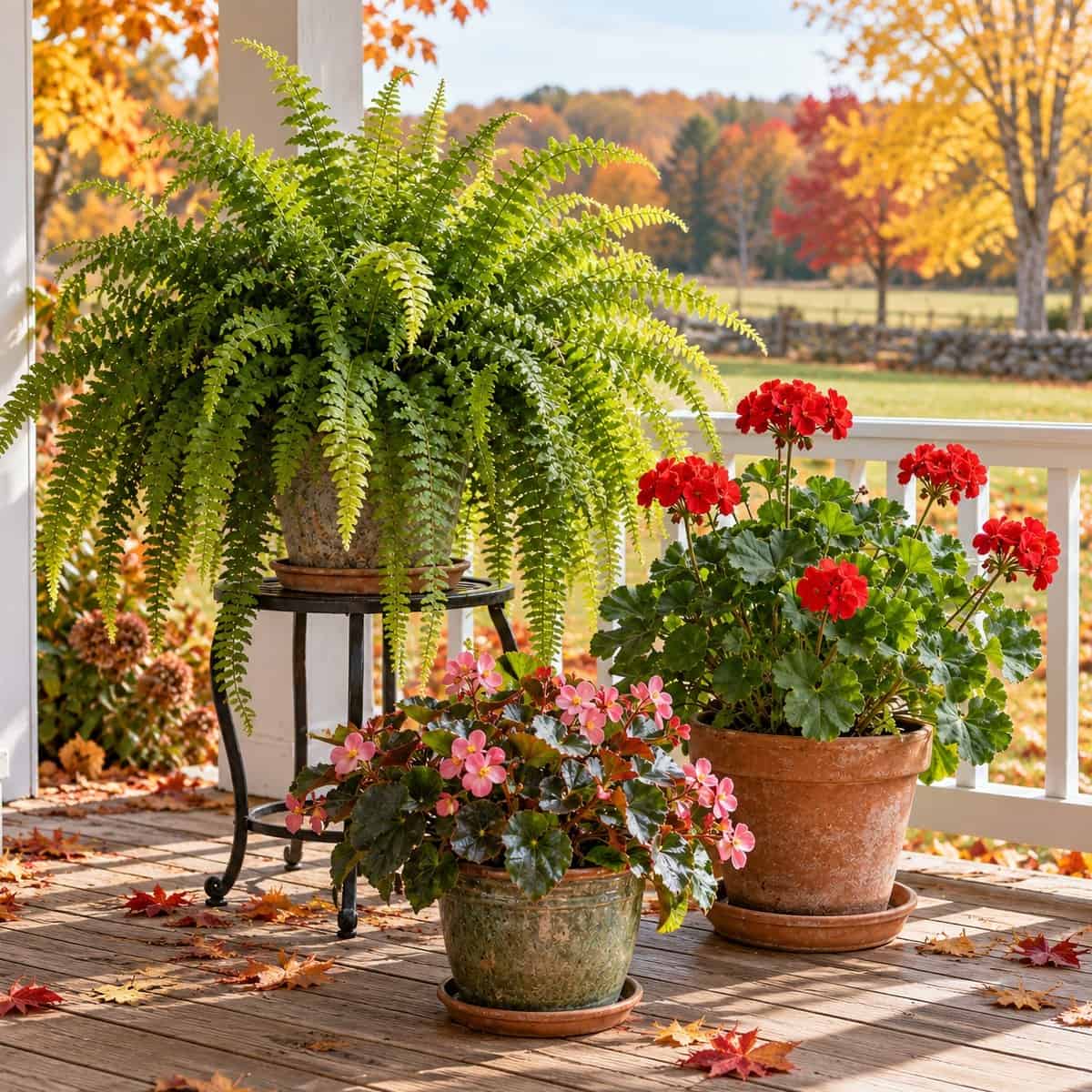
That is exactly why bringing a few favorites indoors before cold weather settles in can make so much sense. Instead of starting over with small plants next spring, you can head into the growing season with established plants that already have a strong root system.
3 Plants You Need To Bring Indoors In October
Bringing Plants Indoors Before Cold Weather Damages Them
Three excellent choices for saving are ferns, geraniums and begonias. Although ferns do not produce flowers, their lush greenery makes them just as valuable for filling hanging baskets, porch pots and shady spaces. And all three can spend winter indoors as living houseplants when you give them the conditions they need.
For these plants, a good approach is to begin the move when overnight temperatures regularly drop toward 50 degrees. Do not wait for a frost warning to start figuring out where they will go. Chilly nights can stress tender plants even before temperatures reach freezing.
If possible, move plants from sunny outdoor locations into a sheltered, shadier spot for several days before bringing them inside. This helps ease the change to the lower light levels found in most homes.
Choose a spot indoors before moving day arrives. A bright room with suitable window light is far better than a dark corner where a plant will struggle all winter. Keep plants away from furnace vents, fireplaces and cold drafts, which can quickly damage foliage or dry out the soil.
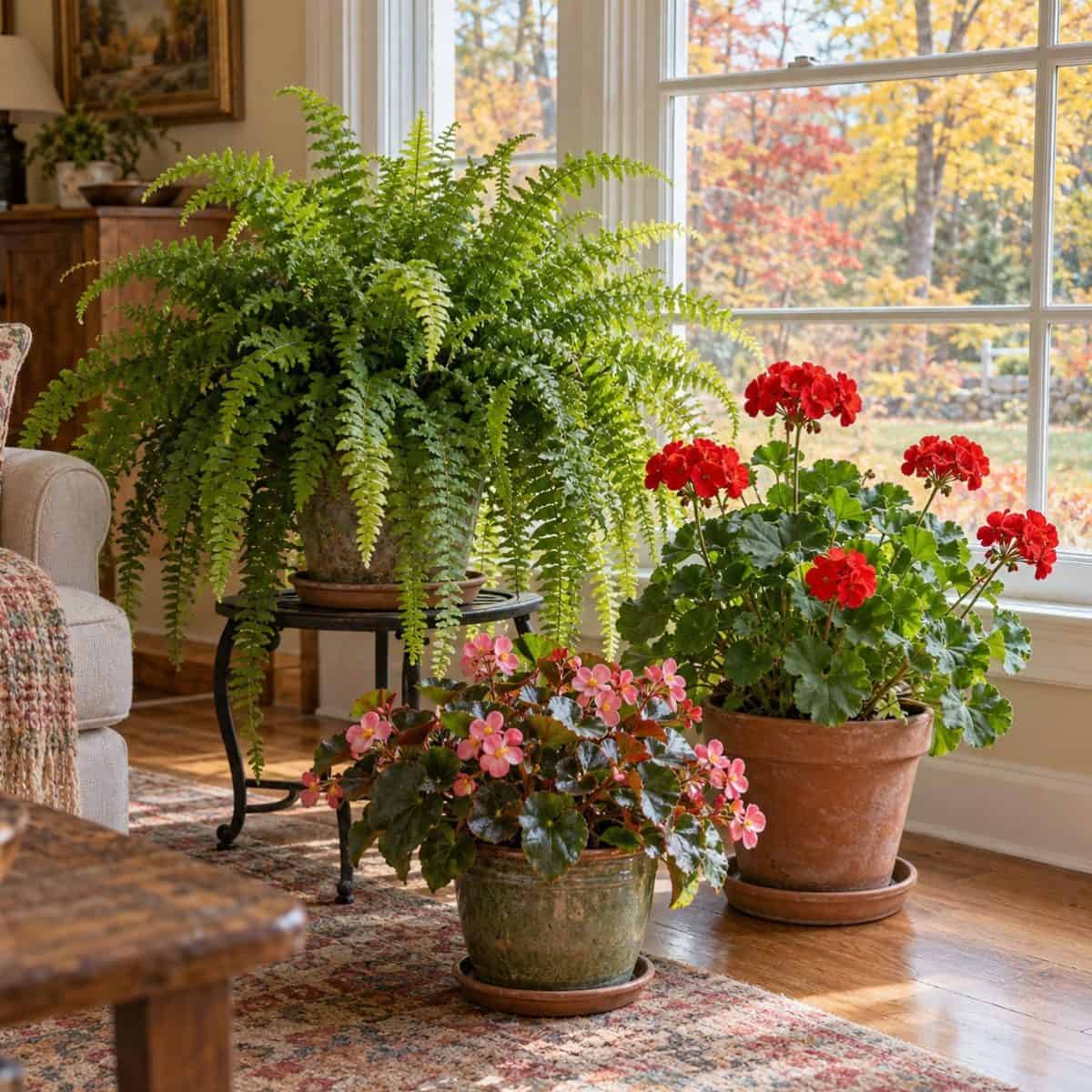
1. Ferns - Save Those Big Hanging Baskets
Large Boston ferns and similar tender basket ferns can be expensive to replace each spring. Fortunately, you can bring these plants indoors to survive and return outside when warm weather arrives.
The key is giving them bright, indirect light. An east-facing window is often a good option, as is a bright room where the fern sits back from stronger afternoon sunshine. A dark basement or windowless garage will not provide enough light to keep a fern growing as a houseplant.
Before moving it inside, trim away brown or damaged fronds. You can also shorten overly long growth to make the plant easier to manage. Avoid removing all of the healthy greenery simply to make the basket smaller.
Keep the potting mix lightly moist, watering thoroughly when the surface begins to feel slightly dry. Allow excess water to drain, and never leave the container sitting in a full saucer. Ferns dislike drying out completely, but soggy roots can cause just as much trouble.
Dry indoor air is often their biggest winter challenge. A humidifier can help, especially in a heated home. Keep the fern away from heating vents, and expect a little shedding as it adjusts. Pick up fallen leaflets and watch for healthy new growth instead of worrying over every dropped leaf.
Listen To Our Latest Podcast Below!

2. Geraniums - Keep The Color Going Indoors
The common geraniums grown in patio pots and hanging baskets are tender perennials. They are far different from hardy perennial geraniums that can remain planted outdoors through winter.
To bring these plants indoors as houseplants, start by removing spent flowers, yellowing leaves and weak stems. If the plant has become large and leggy, trim it back by about one-third to create a more manageable shape.
Geraniums need more direct light indoors than ferns. Place them in your sunniest suitable window, ideally where they receive several hours of sunshine each day. A grow light can help when natural light is limited.
Water thoroughly, then allow the upper inch or two of potting mix to dry before watering again. Their water needs usually drop indoors, especially during the shortest days of winter. Keeping the soil constantly wet is one of the easiest ways to lose a saved geranium.
With enough light, plants may continue producing occasional flowers. But do not worry if blooming slows or stops.
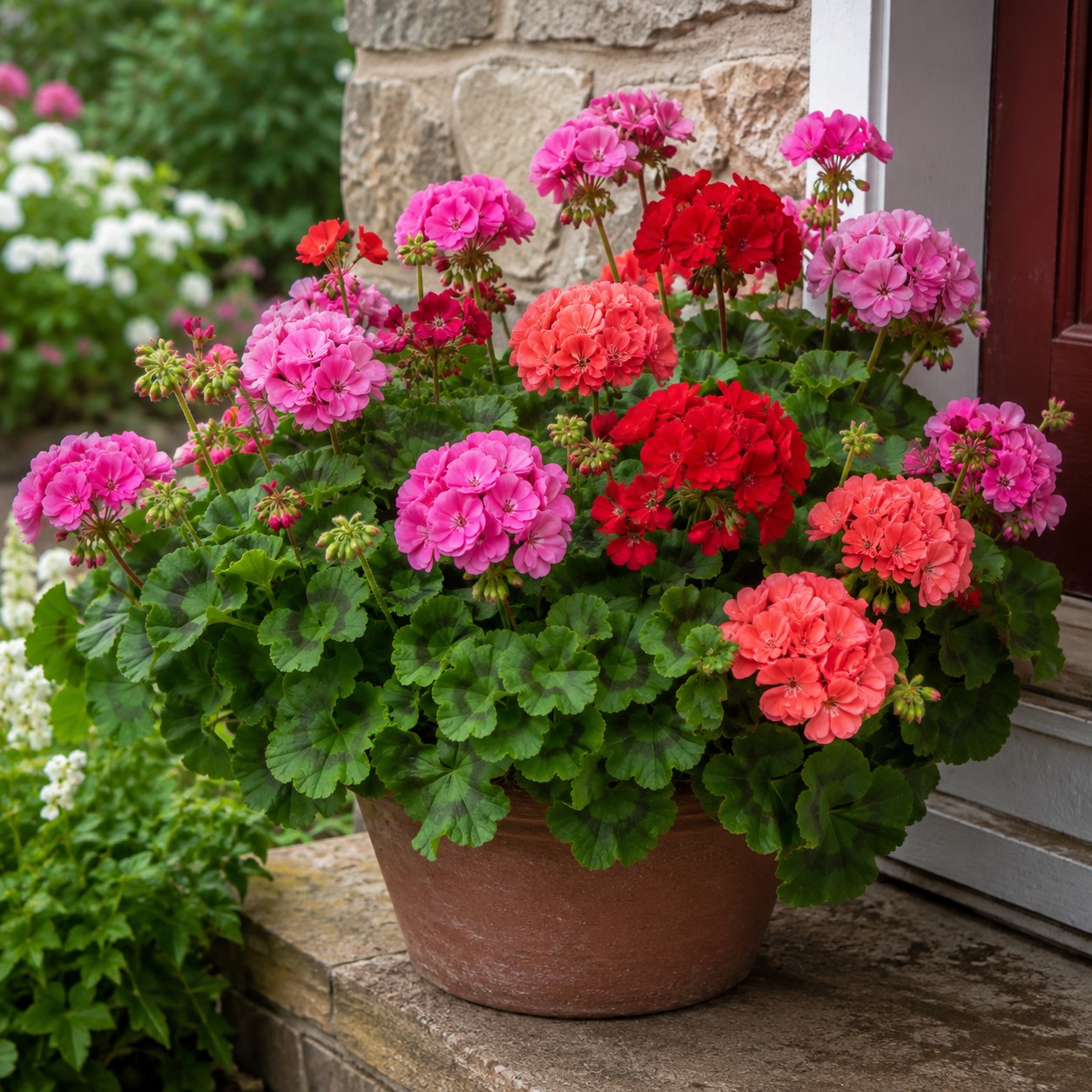
The main goal is maintaining a healthy plant until spring. Pinch back soft, stretched growth as needed, and avoid pushing plants with heavy fertilizer while light levels are low. For more on saving geraniums, check out our article: How To Save Your Geraniums - 3 Simple Ways To Keep Geraniums Alive Over The Winter!
3. Begonias - The Perfect Winter House plant
Begonias are another excellent choice for bringing indoors, particularly wax begonias and many fibrous-rooted varieties. Their compact growth, colorful leaves and cheerful flowers make them attractive winter houseplants.
The important detail is knowing which kind you have. Tuberous begonias, including many varieties grown for large, rose-like blooms, generally need a winter rest. They should not be expected to stay leafy and blooming like wax begonias.
For a wax begonia, remove faded blooms and damaged foliage before bringing it inside. Trim overly long stems lightly to help maintain a fuller shape. If it is growing in the ground, lift it carefully and pot it in a container with drainage holes and fresh potting mix.
Place the plant in bright, indirect light. Gentle morning sunshine can work well, but avoid pressing the leaves against cold window glass.
Allow the surface of the soil to dry slightly between waterings. Water the soil directly and empty the saucer afterward. Begonias can struggle when their roots stay wet, particularly in a cool room.
Some leaf drop during the move is normal. Keep conditions consistent and give the plant time to adjust. With sufficient light, wax begonias may even reward you with flowers during winter.
Check For Pests Before Bringing Plants Indoors
One of the most important parts of saving outdoor plants is making sure you are not bringing unwanted visitors inside with them.
Check the undersides of leaves, the joints where leaves meet stems, the soil surface and the bottom of each container. Aphids, whiteflies, spider mites and mealybugs can be easy to overlook outside. Indoors, their populations can grow quickly.
Remove dead leaves, fallen debris and damaged stems. Give the foliage a gentle rinse with water, allowing the plant to drain before bringing it inside. For a large fern, take extra time to rinse between the fronds where insects can hide.
Once your plants are settled indoors, resist the urge to care for them exactly as you did outside. Less light and slower growth usually mean less water and little need for fertilizer during the darkest part of winter.
That small amount of effort can pay off in a big way. Instead of buying all new ferns, geraniums and begonias, you will have healthy plants ready for another season of filling your porch, patio and landscape with color! Happy Gardening - Jim & Mary.
The Farm @ Old World Garden
Jim and Mary Competti have been writing gardening, DIY and recipe articles and books for over 16 years from their 46 acre Ohio farm. The two are frequent speakers on all things gardening and love to travel in their spare time.
As always, feel free to email us at thefarm@owgarden.com with comments, questions, or to simply say hello! You can sign up for our free email list in the subscribe now box in the middle of this article. Follow us on Facebook here : OWG Facebook. This article may contain affiliate links.
More Perennial Plants
- 7 Perennials You Should Cut Back In October – And How It Helps Your Plants Stay Healthy & Strong!
- 5 Bushes You Should Never Prune In Late Summer Or Fall – And Why!
- The Best Perennials To Divide In The Fall - And How To Do It To Get Free Plants!
- What To Do With Black-Eyed Susans After They Bloom - And Why It Matters For Next Year!