Use Pallets To Build Your Own Double Compost Bin for under $15!

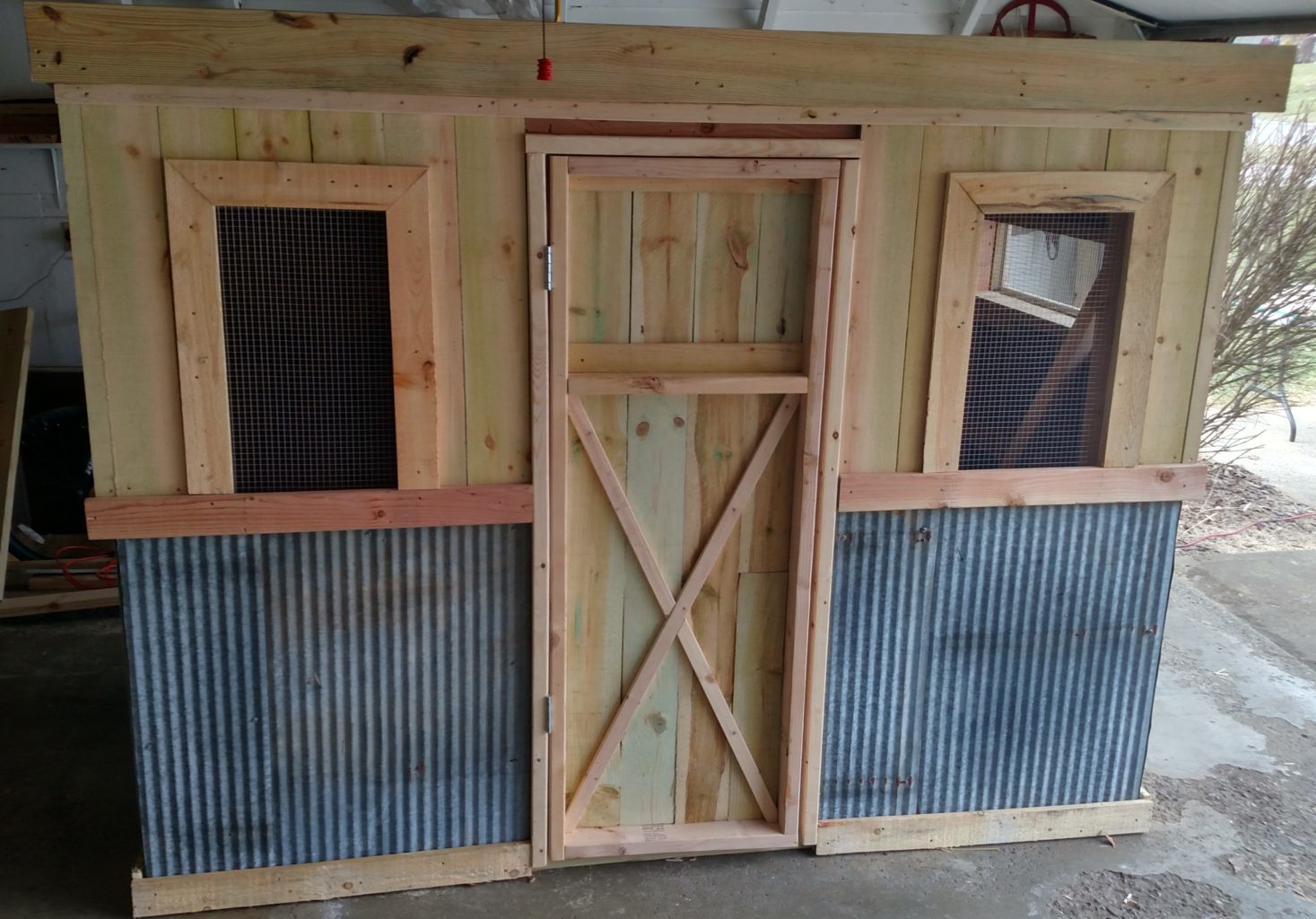
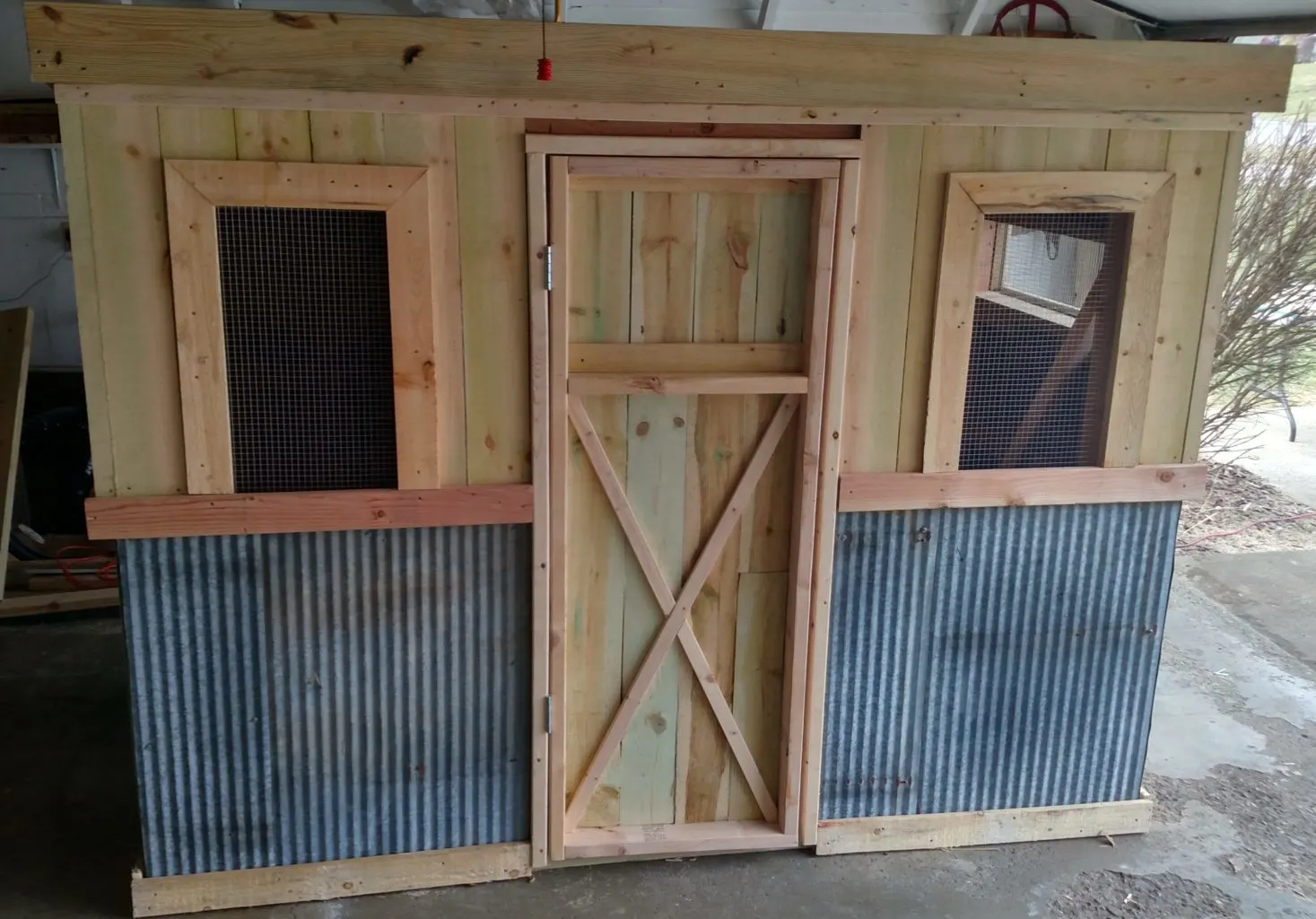
Our 2 compartment compost bin made from pallets for under $15

Our 2 compartment compost bin made from pallets for under $15

Compost Bin before staining to match the barn.  We only stained the exterior - leaving the interior free of all paints and stain

Compost Bin before staining to match the barn. We only stained the exterior – leaving the interior free of all paints and stain

There are few things that can make your garden more successful than compost. Compost, or “Black Gold” as it is so often called, improves soil vitality and structure – and significantly bolsters your plants health and yields. The best part of all – you can use your own coffee grounds, kitchen scraps, grass clippings, and leaves to make great compost right in your own backyard.

The market place is flooded with all kinds and type of compost making systems – from wood and plastic bins, to compost tumblers, barrels and buckets. Although they all work – they also can be expensive to buy.  So here’s a way to use a few a pallets and 2 x 4′s to make a great looking double bin system for under $15.

The double-bin pallet composter is a simple structure that looks and works great! We built our 2 bin system from 3 free pallets and (5) 2 x 4 x 10’ boards in just a couple of hours.

Here’s how we did it:

Materials Needed:
3 or 4 pallets
5 ea. 2 x 4 x 10’ lumber – cut into the following lengths : 2 ea. @ 72″ long, 9 ea. @ 27″ long, 6  ea. @ 30″
2 ½” screws or nails – approx. 40
1.5″ screws or nails – approx. 50
Tools Needed : Reciprocating saw, screw gun, tape measure and hand saw or circular saw.

Building The Frame:

If you can, find 3 similar pallets to help make the project go smooth

If you can, find 3 or 4  similar pallets to help make the finished project look great!

Once you have disassembled the pallet - you will end up with nice slats to cover your compost bin with

Once you have disassembled the pallet – you will end up with nice slats to cover your compost bin

blah blah blah

The front frame of the compost bin

blajh balh ablah

One of the (3) three square frames

You can attach the 3 squares to the back with screws to the front panel - then cover with the pallet boards to finish

You can attach the 3 squares to the back with screws to the front panel – then cover with the pallet boards to finish

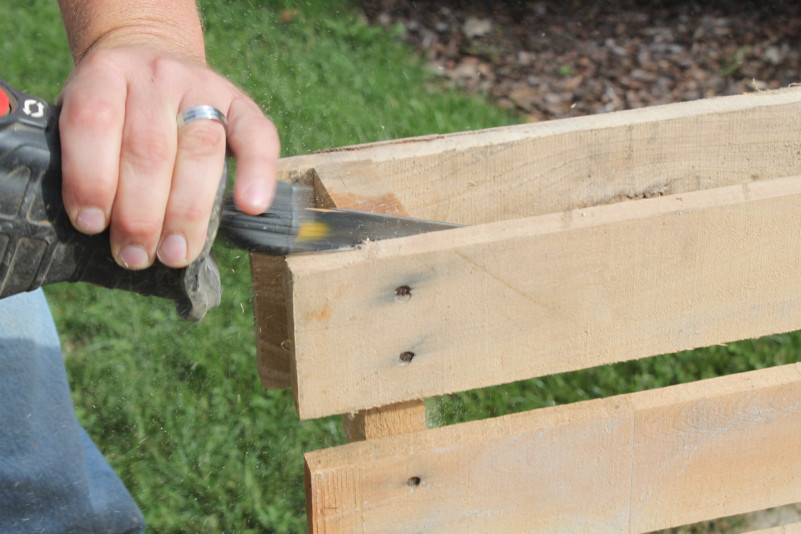
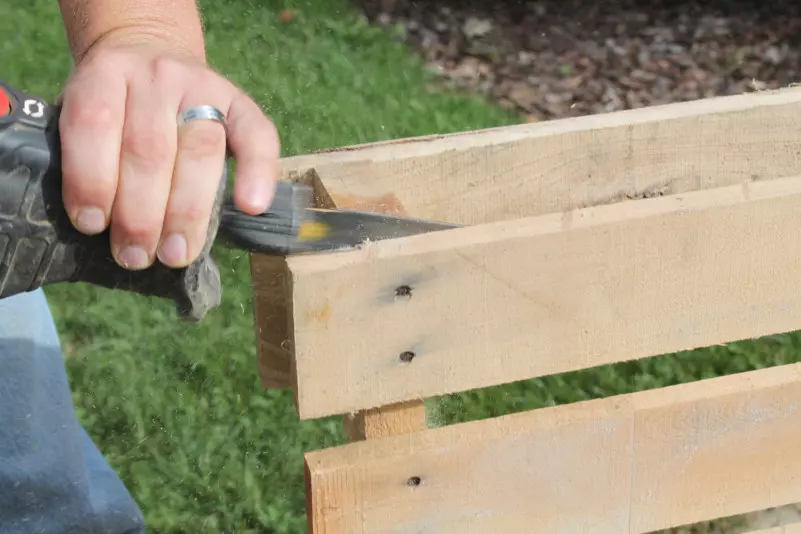
You will want to try to find 3 pallets that are in decent shape and similar length and size. First – disassemble the pallets to end up with about 30 or so slat boards. It’s an easy process and can be accomplished in minutes with a reciprocating saw.

(Click Here to view our post : How to Easily Disassemble A Pallet In Minutes)

The frame is a simple assembly of 2 x 4 rectangles and squares. A 6′ front rectangular frame, and 3 smaller square frames attached to it to make up the 2 bins. You will want to use regular framing 2 x 4’s and not treated lumber. We get a lot of questions about using treated lumber – but we use standard everyday framing lumber. I don’t like to use treated because we are making compost to put on our garden plants –  and I don’t like the thought of any chemical byproducts leaching into the soil and compost.

The front frame is made from 2 pieces of 2 x 4 that are each 72″ long. They will lay flat and make up the top and bottom of the frame. In between we add three sandwich boards that are each 28” long. Simply screw the top board into the three sandwich boards on the top and bottom. When all assembled – your front frame will be 6’ wide x 30” high.

Next – we need to make the three square frames for the two ends and the middle section. Once again – it is simple assembly. Using two (2) 30″ boards for the top and bottom and two more 27” boards on each end. Assemble all 3 squares,  and your ready to put your quick 2 bin compost bin together.

Simply assemble each of the 3 squares to the front frame with a few screws.  One on the end of each side, and one directly in the middle attached to the middle support of the front frame.   The flat 2 x 4′s should be centered right on the middle of the vertical front board.

Now you have your compost bin carcass. The rest is easy. Starting on the front side – lay out your pallet boards all along the front – leaving about ¼” to a ½” space between boards. I lay all of mine out first so that I can get it to work out perfectly even on the ends.  You want the spacing so that your compost can get air flow.
Once that is done – I lay out the boards for each side using the same method – and finish by putting up a double set of board in the middle section to separate the two bins.  With a two bin system – you can make twice as much compost.  Or, even better, you can have one side to store finished compost – and the other to keep “cooking” the next batch!

When finished – you can leave the compost bin completely natural and unstained and it will weather to an “old barn wood” grey.

Finished compost ready to use!

Finished compost ready to use!

To make it even more pleasing to the eye – you can paint or stain the outside of your pallet boards. We never stain anything inside – once again to not allow any paint or chemicals near the pile.
There you have it – an inexpensive yet beautiful 2 bin compost system that you can use for years and years – all for under $15!

If you would like to follow along through the coming year and receive our weekly DIY and Gardening Posts – be sure to sign up to follow our blog via email, Twitter or Facebook in the right column.  -  Jim and Mary

Shared On Gnowfglins, Shabby Creek Cottage

6 Must Have Tools for The DIY Re-Purposer

With the right tools – you can build anything you can imagine. We made this wine rack from a piece of old barn wood and a simple stainless wine rack that was headed for the trash pile.

With the ever-increasing popularity of turning old into new again, re-purposing and upcycling have become great ways to redecorate and furnish on a budget – all while keeping our landfills and junkyards from filling up.

Traditional carpentry methods and tools are not always the solution when working with old materials such as barn wood, pallets and metal roofing. Although a table saw and a circular saw are great in traditional workshops –  it can be a bit more more difficult to use them to cut a nail infused piece of  barn wood.  So for this week’s DIY post – we thought we would highlight 6 tools we utilize that have really made our life easier while working on our re-purposing projects at the farm. I think it’s important to understand that you don’t have to have a $50,000 work shop like Norm from This Old House to make quality re-purposed items. In fact, the six items listed below could all be purchased together for less than $500.

So here you go… If you don’t  have these in your tool arsenal already – you will want them soon enough!

Swanson Speed Square

The Swanson Speed Square

The Speed Square makes a breeze out of squaring boards and cuts

It’s such a simple tool.  It’s rugged and tough, and best of all, it’s under $10.00 at your hardware store.

Although called a square – the Swanson speed square is a triangular-shaped measuring tool.  Originally designed for carpenters and framers to help figure out angles for rafters and steps – we’ve found 1,000 other uses for it.  Other than maybe the tape measure – it’s one of the most used tools in the tool box.

It makes quick work of creating mark lines for cutting lumber or to square off old pieces of jagged barn boards in seconds. It also makes an amazing cutting guide for my circular or jig saw when placed beside the cutting surface.  We also use it to check for squareness on tables and furniture that we make – and its the perfect squaring guide when we mark off our pergola ends.  Oh, and yes – it does work great for the rafter angles – we used it to make all of our rafters for the barn :)

Pressure Washer

A good power washing was all it took to clean up the floor board that we made into these barn doors.  It- saved hours of sanding to clean off the dirt and grime.

This one may throw you – but yes, a pressure washer makes our top 6 list when working with old wood.  We would be lost without it.   It makes quick work when you are trying to take layer upon layer of grime and paint off of old lumber and salvaged pieces.   Instead of taking hours to sand off years of  wear –  a quick power washing with plain old water can clean up wood beautifully.   The trick is to get a nice even spray tip and work gently down the piece  - it leaves old wood looking great without damaging the surface.  It’s a relatively inexpensive way to get great results.  A lot better than spending a fortune in sandpaper and hour upon hour sanding – or trying to run through expensive wood planers that seem to struggle handling old, dense surfaces.

Sawzall

A sawzall is invaluable to a DIY repurposer to cut all kinds of hard to get at materials

We have talked about this tool in other posts before –  but I can’t begin to tell you how valuable a sawzall is to a DIY’er who works with reclaimed materials.  We use them to disassemble pallets – cut nails, screws and bolts from almost anything, and to easily cut thorough old barn beams and metal pipes.   It gets in tight spaces and fits through slim openings.  There isn’t much a sawzall can’t cut through – and when you combine it with a 12″ construction demolition blade – you can tear apart just about anything.

Jigsaw – (Orbital)

A good jigsaw is a must for making curves and cuts in all sorts of materials

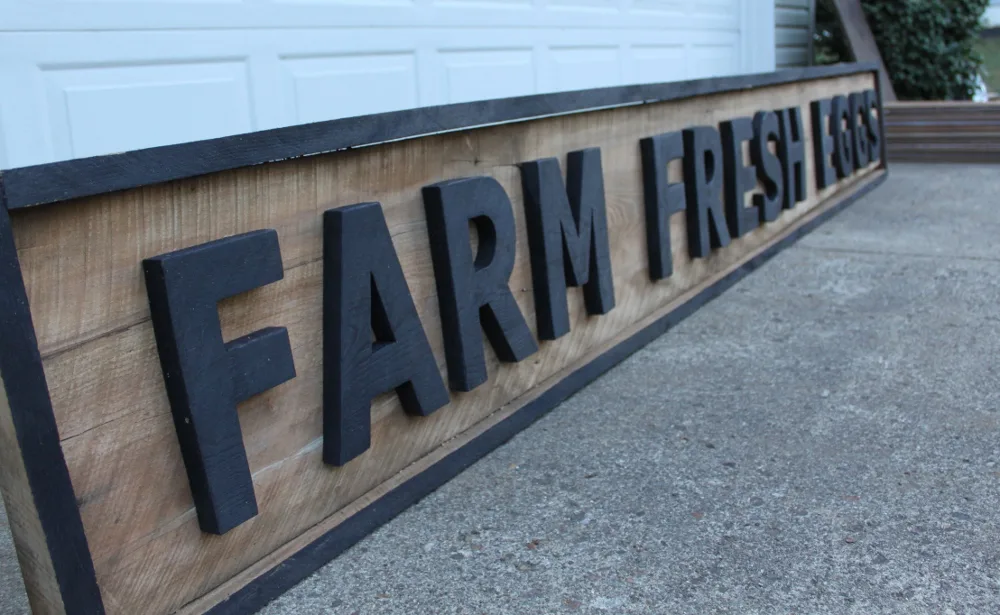
If you want to be able to cut curves in metal, wood or almost any material you can think of  - then the Orbital Jigsaw is a must.   We use our jigsaw non-stop. For all of the cuts, notches and curves in our pergolas we build, the jigsaw handles the job.  We’ve used it on hundreds of re-purposing projects – including cutting the metal roofing for our barn and cutting out the barn wood letters for our fresh egg sign.

Impact Driver / Drill

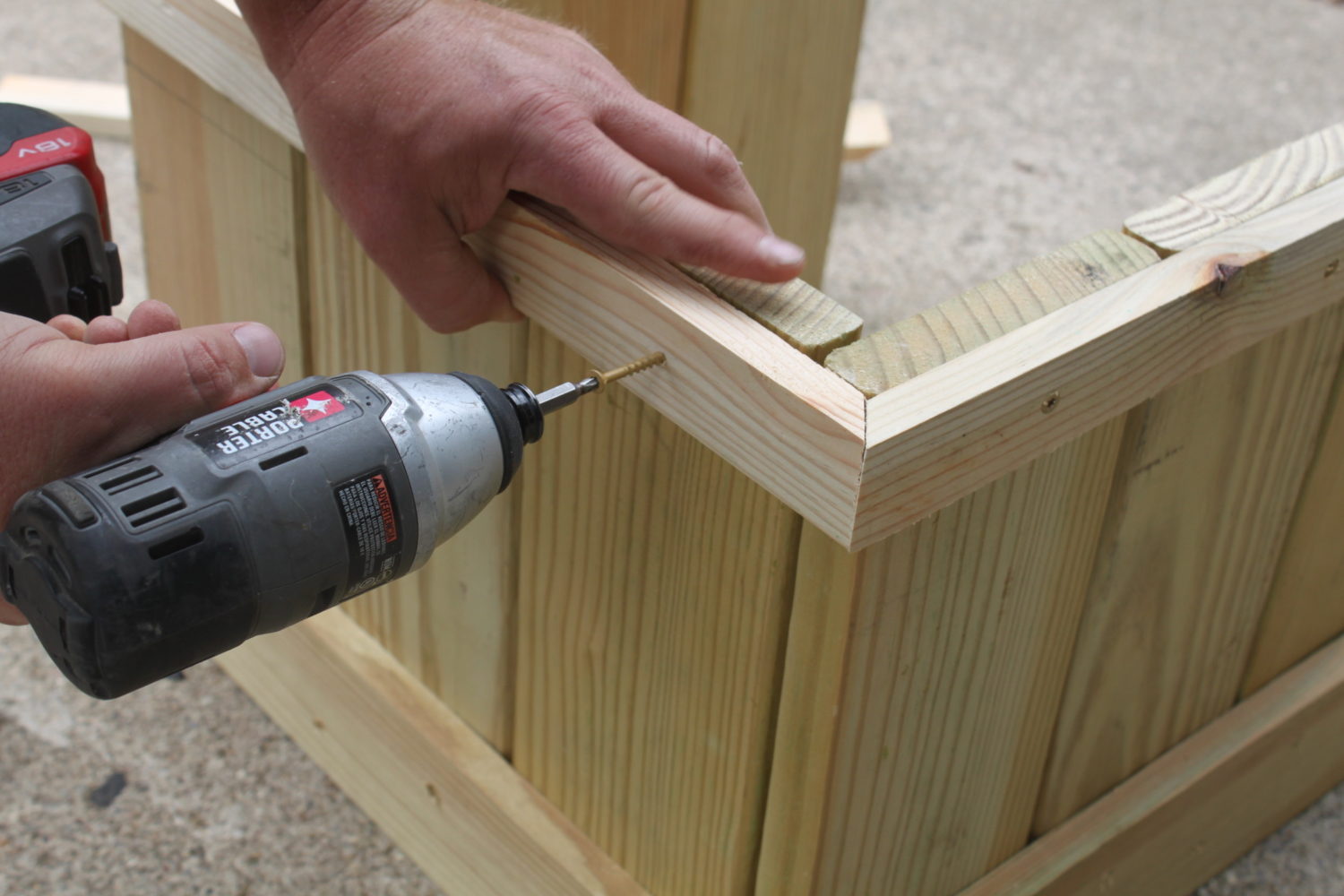
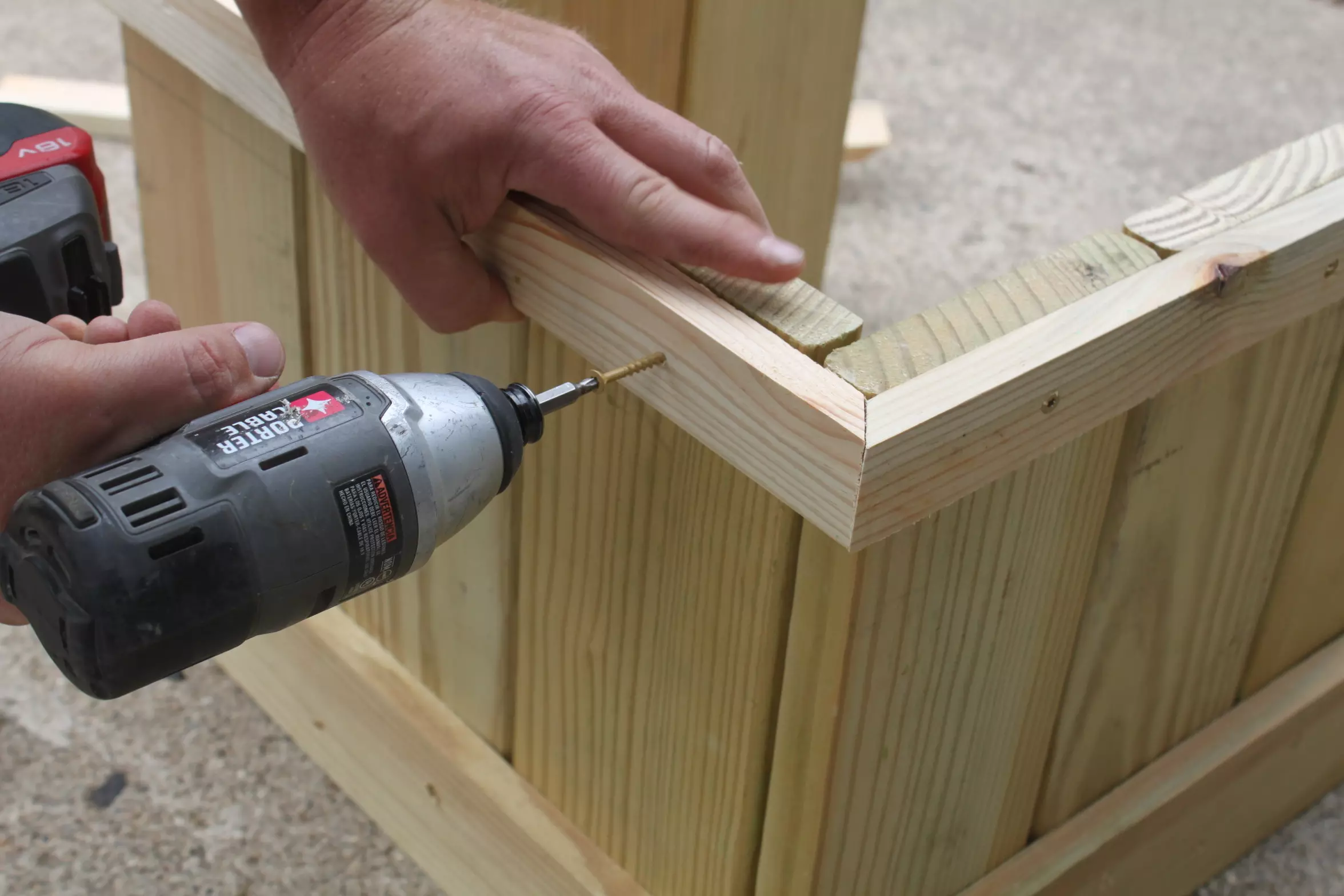
Once you use an impact driver/drill to set a screw – you won’t want to ever use your regular drill to put in a screw again.

Tired of bending and stripping out screws?  Get an impact driver/drill.  After using my first impact driver – I knew I would never use another drill again to drive a screw.  It has power – it handles all of the tough old barn wood with ease, and makes self tapping screws  go through metal quickly.  In short – it is perfection when it comes to attaching screws into anything.  We used to break and bend a lot of screws before getting one –  not so anymore.  It also requires far less strain on the user when applying pressure to drive the fasteners into the wood.   It is a must have as far as I am concerned.

I can power through any type of wood and recess any screw I am driving.  One of the Trestle Tables we just finished was  a breeze to assemble because of  the impact drill – driving through the hard old wood like butter.  It’s a little louder than your standard drill – but so worth it!    On the topic of “worth it”  - if you look around – you can pick up a cordless impact driver, sawzall and jigsaw together in some of the combo tool kits the big stores offer.  They can be a huge savings when purchased as a bundle.   One extra note of advice - spend the extra money to invest in the new lithium battery technology – and get at least an 18 volt kit.  They last longer – have more power – and life for the DIY’er without a cord is good!

Star Bits and Star Screws

Star Bit and Star Screws

So although not technically a “tool” – these need to go in your tool box.

Have you ever been frustrated by those #2 Phillips screws and bits that seem to strip out in seconds?

About 6 months ago – I purchased a big 20 pack of standard Phillips # 2 screwdriver bits for my drill.  Within a week…yes – a week – I had destroyed almost every one of them.  They seem to strip out under the slightest pressure – sometimes just completely breaking off in my drill.   So one day, in the hardware store, I bought a package of star screws on a whim.   After using them, I literally have no idea why Phillips screwdriver bits and screws even exist anymore.

Use star bits and screws and trust  -  you’ll never again use a Phillips head screw.  The screws don’t strip out – and they don’t slip or bend –  and best of all – the bits last forever.  When you combine the impact drill with star bits, your building projects get completed faster and stronger than ever.

There you have it…our six must have tools.  Here are a couple of the projects we have completed below using them:

Shared on The Barn Hop, Frugally Sustainable, Shabby Creek Cottage, Gnowfglins, Little House In The Suburbs Funky Junky Six Sisters 

DIY – Building A Floating Ledge Shelf From Pallets

The floating ledge shelf made from pallet wood.

The pallet shelf up beside the canning cabinet.

We wanted a small display shelf for between our canning cabinet and buffet hutch in our dining room.  So – staying with the pallet theme used to build those two pieces - we used pallets once again to build a floating ledge shelf.

Floating ledge shelves are great because they allow you to change pictures, candles and decorations without the need to remove nails, screws or hangers each time.  Big pictures, small pictures and everything in between will fit on them without ever worrying about more holes going into your walls.  The best part – this shelf can be made in less than an hour with just 3 ordinary pallet boards,  8 screws and a little wood glue.

A few weeks back – we had a short tutorial on how to quickly disassemble a pallet to get a nice stash of ready-to-use boards.  (http://oldworldgardenfarms.com/2012/09/18/building-with-pallets-how-to-disassemble-a-pallet-with-ease-for-great-wood/)  With that wood close at hand – we were ready to get building.

3 pieces of pallet wood, 8 screws and a little wood glue are all you need.

This is actually a very simple piece, consisting  of just 3 pieces of wood.  A main center shelf (3 1/2″ wide by 36″ long), a front ledge (1 1/2″ wide x 34″ long), and a back ledge (2 1/2″ long x 36″ long)

We used about 1/4 of the wood from one pallet – so depending on the size of the shelf you wanted – you can make several from a single pallet.  You could also just as easily use old barn wood or pine boards to build.

The How To:

*    At the end of this post, you will find a quick pictorial to take you through our building process step by step.

Main Shelf Board:
Using one of the three wider boards taken from the back of the pallet – we cut the board down to 3 1/2″ wide with a quick run through the table saw.  The boards were already 36″ long, so the length was good to go.    To add a little dimension to the piece – we tapered the front edge of the board 1″ on each side and cut off with a jigsaw.

Front Ledge Board:

Taking one of the smaller slat boards from the top portion of the pallet – we once again ran it through the table saw to get the desired width of 1 1/2 inches.  I then used the jig saw to trim off 2″ to make this piece 34″ long (allowing for the angled front taper).  Next – I used a drill to pre-drill 4 small pilot holes in the lower half of the slat board – one at each end, and 2 more spaced evenly towards the middle.

Back Ledge Board:

Taking another one of the smaller slat boards – we make the back ledger board.  We trim it down to 2 1/2 wide with a quick run through the table saw  - and kept it at the existing 36″ length.  I repeat the same pilot hole process at the bottom of the board that we did with the front ledge board.  With that – it’s ready to assemble!

Assembly:

Starting with the front ledge board and the main shelf board – apply a small bead of wood glue or construction adhesive to the front edge of the  main shelf board.   Line up your front slat board until it’s even, and using the pre-drilled holes – assemble by drilling the screws in from the front side.  You can use any wood screw you like – but I find it  easy to use basic 1-3/4″ coarse black drywall screws.  They go in easy, are inexpensive and hold great.

With your front shelf ledge board attached – now its time to assemble the back board. Repeat the same steps as before.  Apply a thin bead of glue or construction adhesive to the back edge, and screw the back slat into the back edge of the main shelf board- screwing from the rear side towards the front.

At this point  you can either leave your shelf rustic, or apply a coat or two of stain or paint to the wood.  (One quick tip – if you want to leave rustic – it is amazing what a little pressure washing can do to old wood to make it look great again – no sanding needed!

After it’s all dry  - your ready to hang.

Hanging is a snap.  I use a stud finder to locate a couple of studs in the wall – and then drill out two holes in the front top portion of the back ledger board.  Place the shelf up against the wall and using the 2 pre-drilled holes,  attach with 3″ coarse black drywall screws or wood screws into the studs.

That’s it!  In less than an hour – we have our shelf cut, assembled and hung!

Shared on Savvy Southern Style, Frugally Sustainable, The Chicken Chick, Gnowfglins Simple Lives, Shabby Creek Transformation Thursday, Six Sisters, Funky Junk SNS, Little House In The Suburbs

PICTORIAL

We used the table saw to rip down the large board to a width of 3 1/2″.

Next – we taper in the corners of the main shelf board 1″ towards the front end and make a mark to cut

The angled cut line for the main shelf board

We then cut the tapered lines on each side of the main shelf board

Then pre-drill four small holes along the lower portion of the front ledger board. Space the holes out evenly – one on each end and the other two in between.

Place a thin strip of wood glue or construction adhesive on the side of the main shelf board.

Next – screw in the back ledger board flush with the edge of the main shelf board.

Repeat the same step for the front ledger piece – glueing and then securing with screws flush to the bottom of the main shelf  edge.

Pallet wood shelves we made and painted black

Building With Pallets – How to Disassemble A Pallet With Ease For Great Building Projects

Here is a great pallet to use – nice thick wood and untreated

As most of you know – we love to build with pallet wood.  If you spend some time looking  - it is usually pretty easy to find a source to get them for free – and if you find the right kind – the building potential is limitless.  I thought for today’s DIY post I would show how we go about taking a pallet from its current state to great usable wood in just a few minutes

Working with pallets – the first thing we realized early on is it is nearly impossible and too time consuming to worry yourselves with pulling out the nails.  It is too easy to damage the wood with the claw and hammer or pry bar.

You can get a corded or cordless sawzall – but they are the king of dismantling pallets.

Instead, we opt for our sawzall method – which can disassemble a pallet in less than two minutes into 10 or more pieces of great usable wood.  Besides – the left over embedded nail fragments actually add a ton of character to pieces when either stained or painted.

So – 1st Tip – Invest in a sawzall.  They are the key to quickly destructing a pallet – and without damaging or splintering the wood.  Yes, it’s an expense – but the inexpensive ones will work just fine with pallets.

Throw out the little 5″ min blade and Invest in a 12″ Demo/Construction Blade. They last forever and can rip apart a pallet in a few minutes.

2nd Tip – forget about the little 5″ blade that comes with your sawzall.  That will only frustrate you.  Buy a couple of 12″ construction blades (trust me – the few bucks are worth it – and they last forever).

3rd Tip - How to disassemble. You can follow below with the pictorial below on how we do it – but in a nutshell – set it on its side and simply slice through the nails on each end. Then – head down the middle row doing the same thing and in no time you have a lot of pallet wood great for all of your crafts!  You can also click here to see some of the items we have made from re-using pallets : http://oldworldgardenfarms.com/category/recycling/

If you would like to follow along through the year and receive our weekly DIY and Gardening Posts – be sure to sign up to follow our blog via email in the right hand column of this blog, or click the link and follow us on our Facebook or Twitter pages.

First Step – take your sawzall and cut down through one side of the smaller boards all the way to the bottom

Next cut down the opposite side – followed by the middle if there is one – the boards simply fall off

Once you have the front side finished – repeat for the back side – which are usually the largest of the boards

This is what you are left with – great boards to get building with!

This hutch was made from pallet and shipping crate boards