How To Save Hydrangea Blooms - A Simple Way To Preserve Those Gorgeous Big Blooms This Summer!
Want to save some of those gorgeous big hydrangea blooms on your bushes this summer?
If your hydrangeas are loaded with big, beautiful blooms as summer begins to wind down, don't let those gorgeous flowers go to waste! As it turns out, late summer and early fall are the perfect time to cut and preserve hydrangea blooms for incredible dried flower arrangements that can last for months - and sometimes even years.
Right now - our hydrangea blooms at the farm are in full bloom - and are they ever beautiful! And saving a few of them is top priority to enjoy all year around. But when it comes to preserving hydrangea blooms successfully, there is one big secret - you have to cut them at the right time! Cut them too early and the flowers can quickly wilt and shrivel. But wait until the blooms begin to naturally dry on the plant and they can be incredibly easy to preserve.

With that in mind, here's a look at how to know when your hydrangeas are ready to cut - and how to dry and preserve their blooms for beautiful arrangements throughout fall, winter and beyond!
How To Save Hydrangea Blooms With Ease
One of the biggest mistakes gardeners make when trying to dry hydrangeas is cutting the flowers when they are at their peak. Although those fresh, colorful summer blooms are perfect for putting into a vase of water, they aren't usually the best choice for drying.
Fresh hydrangea blooms contain a tremendous amount of moisture. When cut and dried too early, the petals often become soft and limp. Instead of retaining their full shape, the flower heads can shrivel. For dried arrangements, patience pays off.
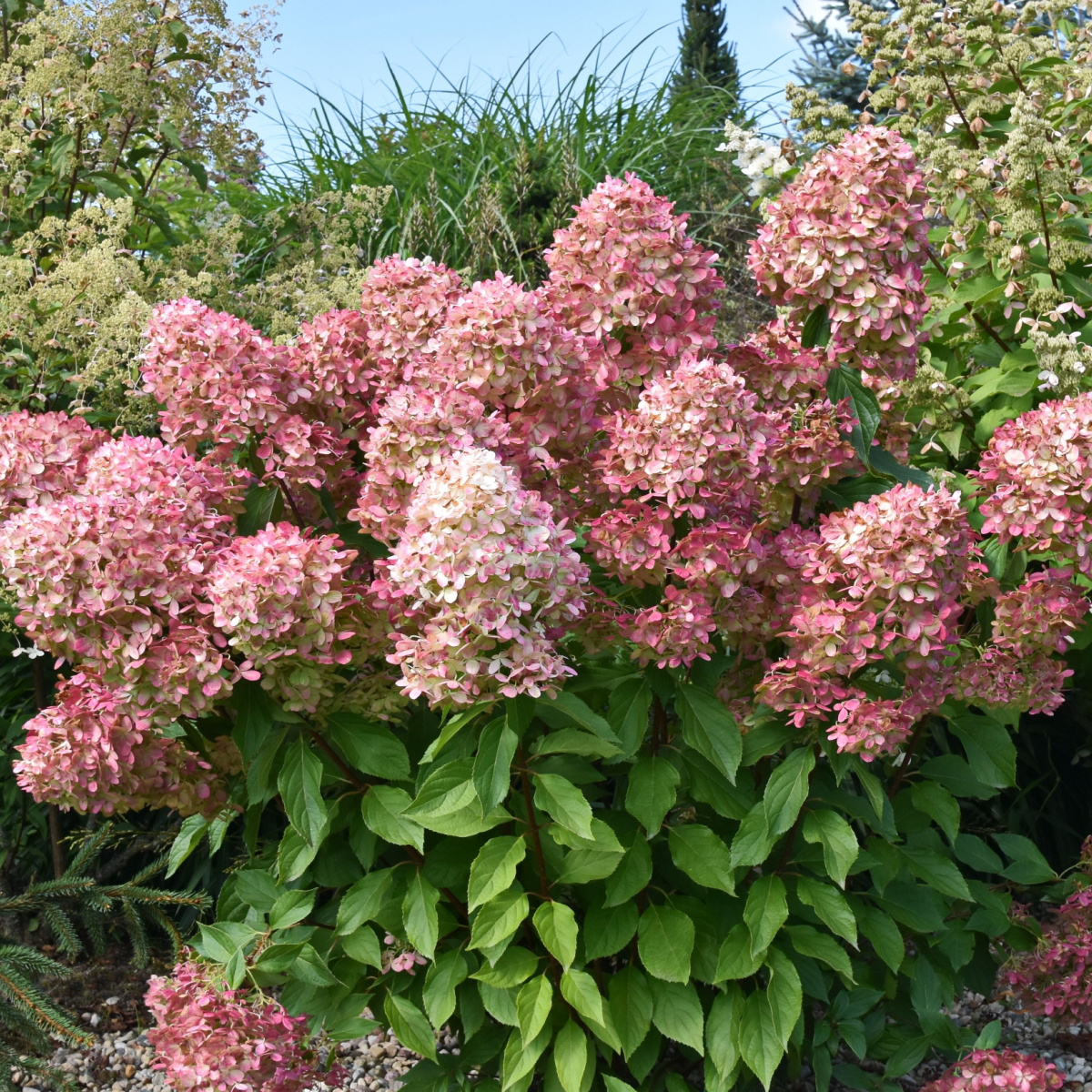
Allow the flowers to remain on the shrub well past their peak blooming period. By late summer and early fall, you will notice the blooms beginning to change. Their bright summer colors start fading into softer, antique-looking shades. The petals, which are technically mostly sepals, begin feeling thicker, drier and almost papery to the touch. That is exactly what you want!
How To Know When Hydrangea Blooms Are Ready To Cut
Color alone isn't always the best indicator that a hydrangea bloom is ready for preserving. Instead, use both its appearance and texture. Run your fingers gently over the flower head. A mature bloom that is ready for drying should feel somewhat dry and papery rather than soft and delicate.
You may also notice that the individual florets hold their shape when touched instead of easily bending or wilting. Depending on your climate and hydrangea variety, this can happen anywhere from late summer through early fall.

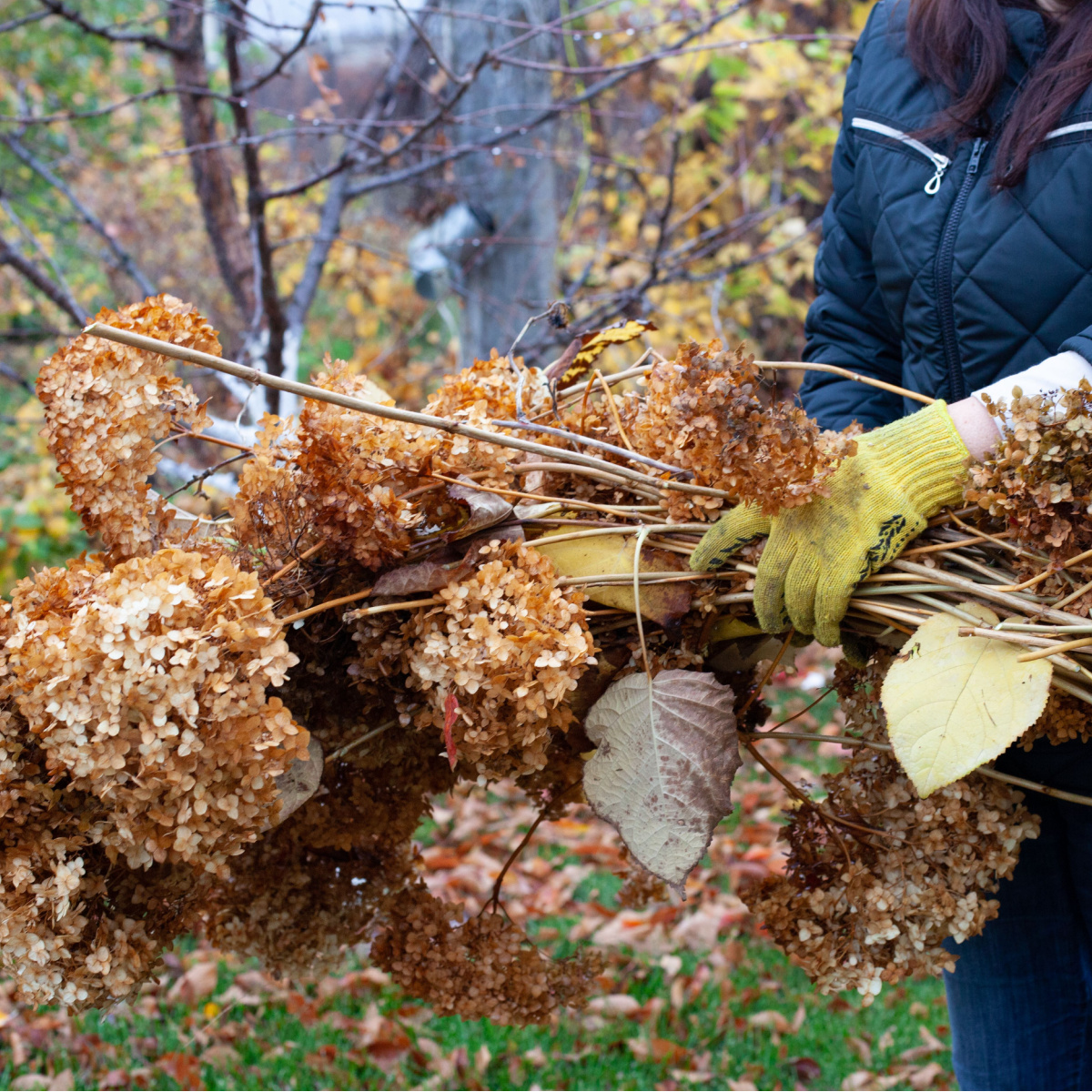
Don't wait too long, however. Once flowers turn completely brown and become brittle, they are past their prime for creating colorful dried arrangements. The sweet spot is when the blooms have started drying naturally but still retain plenty of their beautiful late-season color.
It's also important not to wait to long because you can risk cutting off next year's blooms. See our article: What To Do With Your Hydrangeas As Soon As They Finish Blooming – And Why It’s So Important!
The Best Time Of Day To Cut & Save Hydrangea Blooms
Once your blooms are ready, choosing the right time of day to cut them can help with preserving them successfully. Avoid cutting flowers in the heat of the afternoon. Instead, cut them in the morning after the dew has dried from the flowers.
You want the blooms to be completely dry when cutting. Moisture trapped within the dense flower heads can encourage mold and mildew while they dry. For this reason, avoid harvesting immediately after rain as well. Give the blooms enough time to dry thoroughly before bringing them indoors.
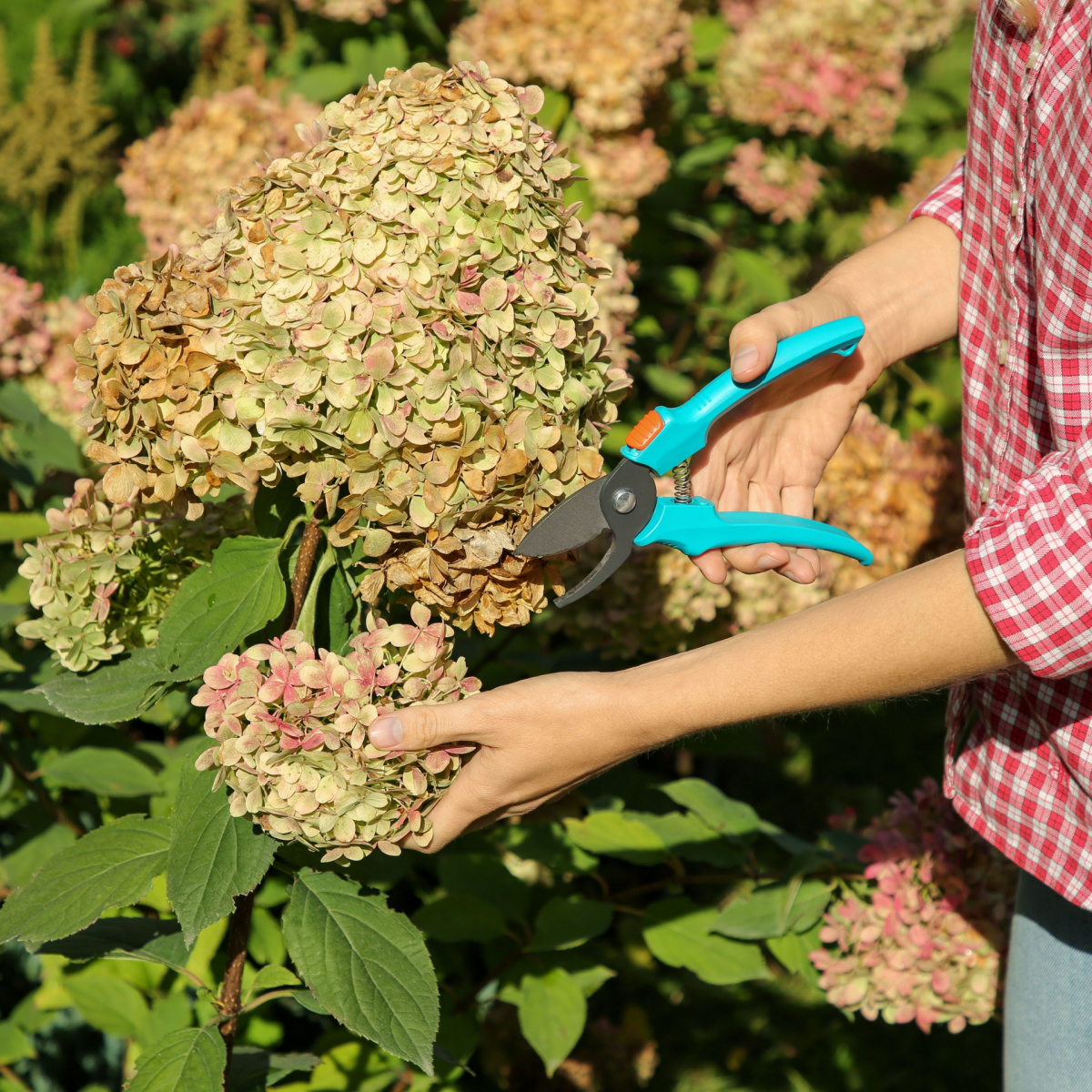
Use a clean, sharp pair of hand pruners to make each cut. Depending on the type of arrangement you want to create, cut stems anywhere from 12 to 24 inches long. It's usually better to leave stems a little longer initially because you can always shorten them later.
Remove The Leaves Before Drying
Once you bring your hydrangea blooms inside, remove all of the leaves from the stems. Although the flowers dry beautifully, hydrangea leaves usually don't. They tend to curl, wilt and become unattractive as they lose moisture.
Removing the leaves also allows the stems and flowers to dry more efficiently. Simply snip or carefully pull the leaves away, being cautious not to damage the stem.
Listen In To Our Latest Podcast Below!

At this point, inspect each flower head as well. Remove any damaged, brown or unattractive portions of the bloom. It is much easier to clean up the flowers before they dry completely and become brittle. Now you're ready to begin preserving them!
How To Dry Hydrangeas Using The Water Method
It might sound strange, but one of the easiest ways to dry hydrangeas is actually to put them in water!
The water method allows the flowers to dry gradually instead of losing all of their moisture at once. This slow drying process can help the blooms retain their shape and color. Place the freshly cut stems into a vase or container containing just a few inches of water.
Do not keep refilling the vase. Instead, place the container in a cool, dry location out of direct sunlight and allow the flowers to slowly use up the water. As the water evaporates and disappears, the blooms will gradually dry.
Depending on the flowers and conditions in your home, the process can take a week or two - and sometimes a bit longer. Once the water is gone, check the blooms. If they feel dry and papery, they are ready to use.
Air Drying Hydrangea Blooms
You can also preserve hydrangeas without water. For blooms that have already dried considerably on the shrub, simply placing them in an empty vase may be enough to finish the process.

Another option is to save your hydrangea blooms is to hang them upside down. Tie a few stems loosely together and hang them in a cool, dry, dark location with good airflow. Keeping them away from direct sunlight helps prevent their colors from fading too quickly.
Don't create large bundles. Hydrangea flower heads are dense, and packing too many together can restrict airflow and increase the chance of mold. In many cases, however, hydrangeas don't need to be hung upside down at all. Their sturdy stems and naturally firm flower heads make vase drying one of the easiest methods.
Keep Hydrangeas Out Of Direct Sunlight
Whether you use the water method or simply allow your hydrangeas to air dry, where you place them makes a big difference. Direct sunlight can quickly bleach the beautiful colors from aging hydrangea blooms.
Instead, choose a room with good airflow and indirect light. A spare bedroom, dining room or another cool area of the house can work well.
Humidity is another concern. Avoid drying hydrangeas in damp basements, bathrooms or other humid locations. The less moisture in the air, the easier it will be for those dense flower heads to dry without developing mold.
How To Make Dried Hydrangeas Last Longer
Once hydrangeas have completely dried, they require very little care. The biggest enemy at this point is moisture. Keep arrangements away from humid areas and avoid getting the flowers wet.

Sunlight can also continue fading their colors over time, so keep finished arrangements away from bright windows whenever possible. Dried hydrangeas will naturally become more fragile as they age. When cleaning around them, avoid touching or moving the flower heads unnecessarily.
Dust can be removed with a very gentle stream of cool air from a hair dryer set on its lowest setting and held well away from the blooms.
Some people spray dried hydrangeas lightly with clear floral preservative spray or unscented hairspray to help reduce shedding. This is optional, and if you use any spray, always test it on a single bloom first to make sure you like the finished appearance.
Best of all, with a little care, those beautiful blooms can decorate your home throughout fall and winter - and serve as a wonderful reminder of your flower garden long after the growing season has come to an end. Here is to taking time to save a few of your hydrangea blooms late this summer! Happy Gardening - Jim & Mary
The Farm @ Old World Garden
Jim and Mary Competti have been writing gardening, DIY and recipe articles and books for over 16 years from their 46 acre Ohio farm. The two are frequent speakers on all things gardening and love to travel in their spare time.
As always, feel free to email us at thefarm@owgarden.com with comments, questions, or to simply say hello! You can sign up for our free email list in the subscribe now box in the middle of this article. Follow us on Facebook here : OWG Facebook. This article may contain affiliate links.
More Hydrangea
- What To Do With Your Hydrangeas As Soon As They Finish Blooming - And Why It's So Important!
- The 2 Most Important Times To Fertilize Hydrangeas - And How To Do It!
- 3 Big Mistakes Gardeners Make With Hydrangeas In The Fall - And How To Avoid Them!
- What To Do With Hydrangeas After They Bloom In The Summer - And Why It Matters!