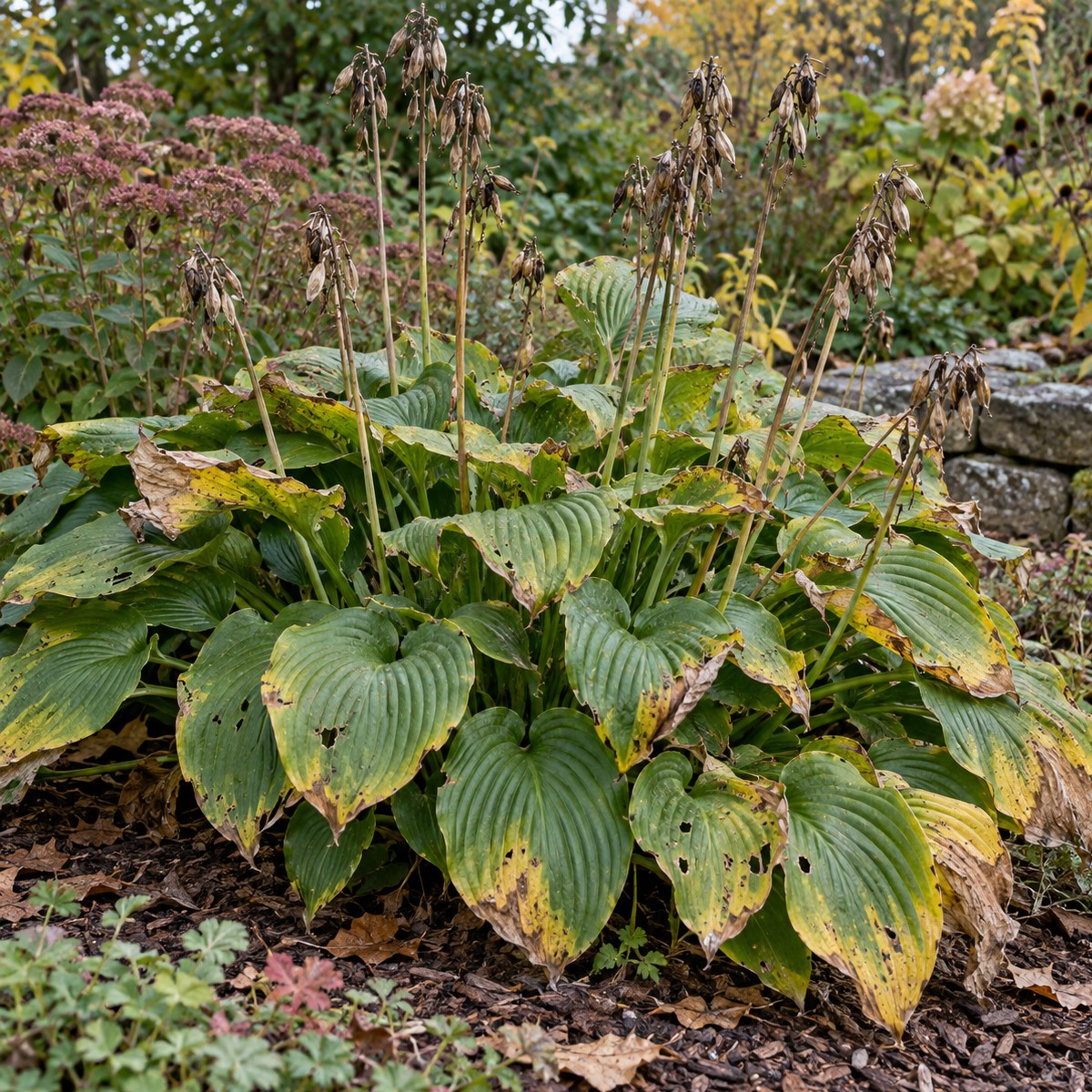
Save Your Potting Soil! The Best Way To Clean Out Flower Pots This Fall
Want to save all of that expensive potting soil that is sitting lifeless in your old planters and hanging baskets this fall?
Before you tip your flowerpots into the trash, take a second look at what’s inside. Those faded flowers, tangled roots and pots full of old soil can still have plenty to offer - including a chance to save big on next spring’s planting!
That’s what makes cleaning out your containers such a rewarding fall chore. You can turn healthy spent plants into compost, save and recharge the soil, and clean and store your pots before freezing weather takes its toll.
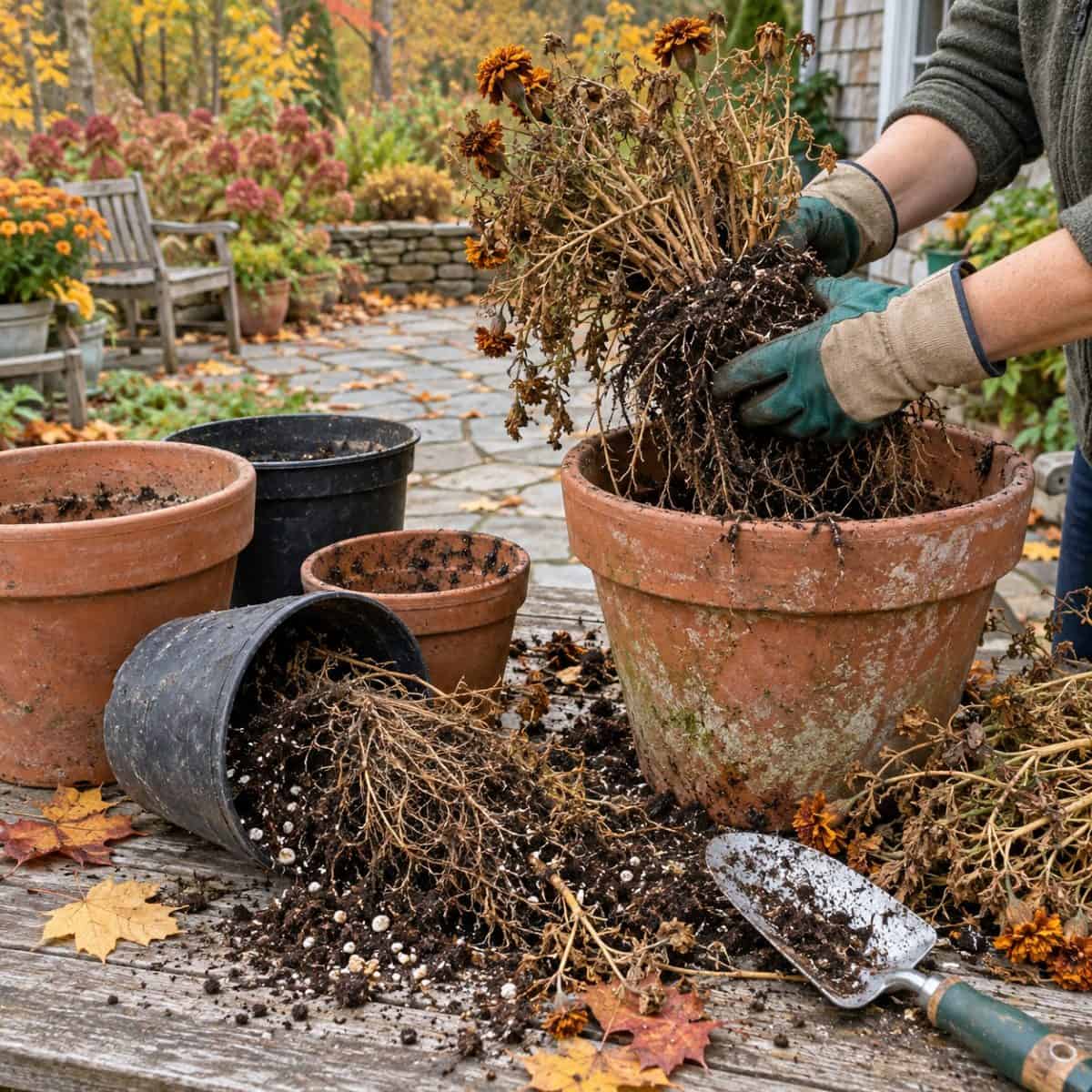
The Best Way To Clean Out Flower Pots This Fall & Save Your Potting Soil!
Recycling Old Plants & Old Potting Soil
Fall is the ideal time to clean out dying potted plants for several reasons beyond just appearance. By taking care of old plants and pots now, you can compost the old plant material to help have better soil next year.
At the same time, you can also recharge your potting soil to use again. And let's face it - saving on having to buy all new potting soil next year can be a huge plus for the garden budget!
But even more, cleaning out old pots now also also can save wear and tear on your pots - and give you a chance to clean and sanitize them to have them ready for next year. With that in mind - here is a look at what to do with your dying potted plants, pots and the soil inside of them this fall!
Composting Old Plants
Although they may be lifeless and lethargic - believe it or not, the dying plants in your containers still have value. And a lot of it! The roots, stem and foliage are all excellent material for your fall compost pile. Not only will they break down quickly, they add excellent humus to the compost as it breaks down.
There are, however, a few things you will want to do before adding them to your pile. Before pulling plants from their container, clip off all of the blooms on your plants. Flowers, especially old flowers, contain a lot of seeds. And when added to a compost pile, they can come up everywhere as volunteer weeds next year.
Once the old blooms have been cut off, pull the plant from its container. If the plant shows any sign of disease or pest issues, keep it out of your compost pile. It's just not worth the risk.
Both disease and pests can overwinter in compost piles that don't get hot enough to kill them off. Unfortunately, most home compost piles simply don't heat up enough to kill pathogens. Nor do they warm enough to eliminate many pest eggs and larva either.
For plants that are simply old and dying off, however, this material is a great addition. To help speed decomposition in your pile, chop up the roots, stems and leaves and place them into your pile. Now it's time to save that soil in the pot!
How TO SAVE & RECHARGE Old Potting Soil
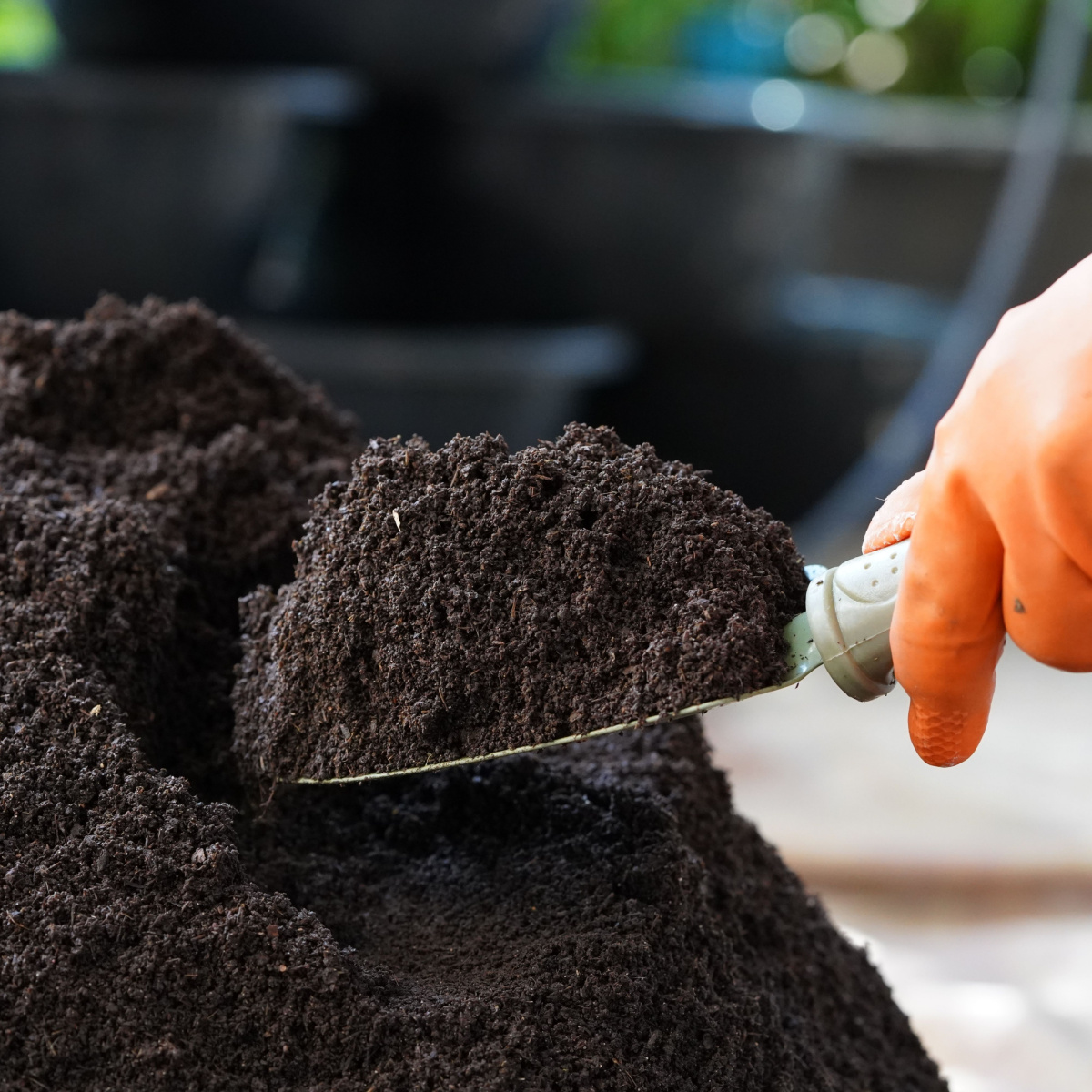
When it comes to old potting soil, whatever you do - don't throw it out! It may be missing a lot of nutrients, but it still has a lot of value. All it needs is a little recharging.
You can recharge your potting soil in a couple of different ways. For those that only grow a few potted plants, the best option is to usually place the old soil right into your main compost pile. Here, it can mix in with decaying plant materials and absorb nutrients to create great compost.
Listen To Our Garden Podcast Below!

Old potting soil is actually a great addition to compost piles as it adds light soil to help bulk up the pile. Next spring, after all of the materials have decomposed, you can then mix the compost in with potting soil to create incredible soil for your potted plants.
However, if you happen to have a lot of potted plants and hanging baskets like we do, it's time to make a separate potting soil compost pile. This can be a great way to recharge and save all of the potting soil for using again next spring!
Making A Potting Soil Compost Pile To Recharge Old Soil
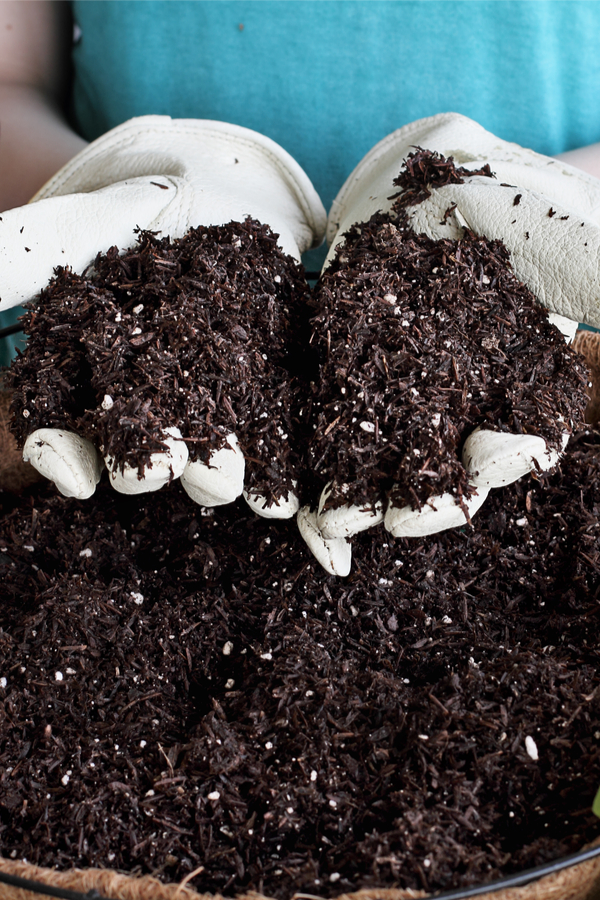
Start by emptying your pots into one spot, breaking apart the root balls and chopping up and thick roots, stems and other large plant debris. All of this will break down and add power back to the soil.
You can build the pile right on the ground or inside a simple compost bin, keeping it loose so moisture and air can move through it. In the fall, add in used coffee grounds, fresh grass clippings and vegetable peels and scraps from your kitchen.
All supply nitrogen and other nutrients that helps feed the organisms breaking down leftover roots and other organic material. See our article: 4 Great Ways To Recycle Coffee Grounds During The Winter Months
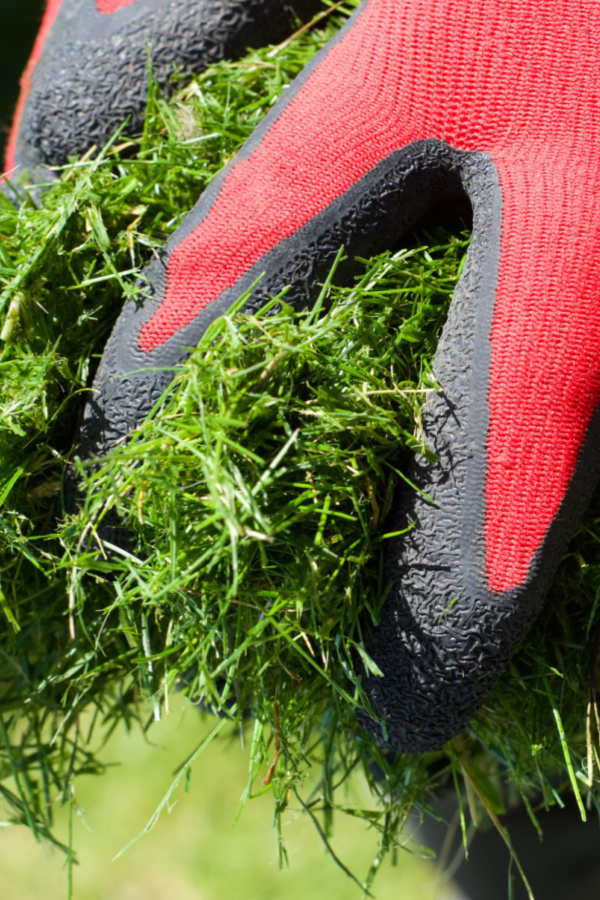
The key is with anything you add to shred it finely so it can break down fast. Sprinkle coffee grounds throughout instead of leaving them in thick layers, and mix grass clippings in by the handful so they don’t mat together.
Finely ground eggshell powder can go into the mix as well. Let the shells dry, grind them into a fine powder and sprinkle them lightly throughout the pile. Eggshells supply calcium slowly as they break down, so think of them as a long-term addition rather than an instant fertilizer.
Taking Care Of Your Potting Soil Compost Pile
Keep the entire mixture about as damp as a wrung-out sponge, and turn it every few weeks when it isn’t frozen to redistribute moisture and introduce fresh air. You can continue to add coffee grounds and egg shell powder all winter.
Unlike a traditional compost pile, a pile made mostly from old potting soil may never get hot - and that’s perfectly fine. Over time, the added materials will break down and improve the worn soil, although cold winter weather will slow the process.
Before planting, make sure the grass clippings and other additions have decomposed. Mix the recharged soil with finished compost and worm castings - and you are ready for another planting season with energized potting soil!
Cleaning & Sanitizing Pots & Containers - What To Do With Dying Potted Plants
Last but not least, cleaning out and sanitizing flower pots is one of the most important things you can do to protect your pots - and next year's plants that grow in them.
Leaving pots out all winter long is asking for them to be ruined. Not only does the weather fade and age containers, it can also break them. Freezing water and soil expands. And when it is in a pot, it can easily break plastic, clay and even foam containers.
Take time this fall to scrub down your pots and safely store them out of the weather. Once the soil has been removed and the container is clean, spray the inside with a simple solution of bleach water to sanitize them.
Disease can easily spread from year to year. But by spraying them down, you eliminate any chance of cross contamination. One teaspoon of bleach mixed with one half gallon of water will do the trick. As always, wear gloves and protection to keep yourself safe from the bleach water as you scrub the containers.
Here is to taking action now and taking time to clean and save your pots - and save your potting soil! Happy Gardening - Jim & Mary.
The Farm @ Old World Garden
Jim and Mary Competti have been writing gardening, DIY and recipe articles and books for over 16 years from their 46 acre Ohio farm. The two are frequent speakers on all things gardening and love to travel in their spare time.
As always, feel free to email us at thefarm@owgarden.com with comments, questions, or to simply say hello! You can sign up for our free email list in the subscribe now box in the middle of this article. Follow us on Facebook here : OWG Facebook. This article may contain affiliate links.