Are Your Daylilies Finished Blooming? Here's What To Do Next To Get Them To Bloom Again!
Wondering what to do once your daylilies finish blooming this summer - and whether or not you can help them to bloom again?
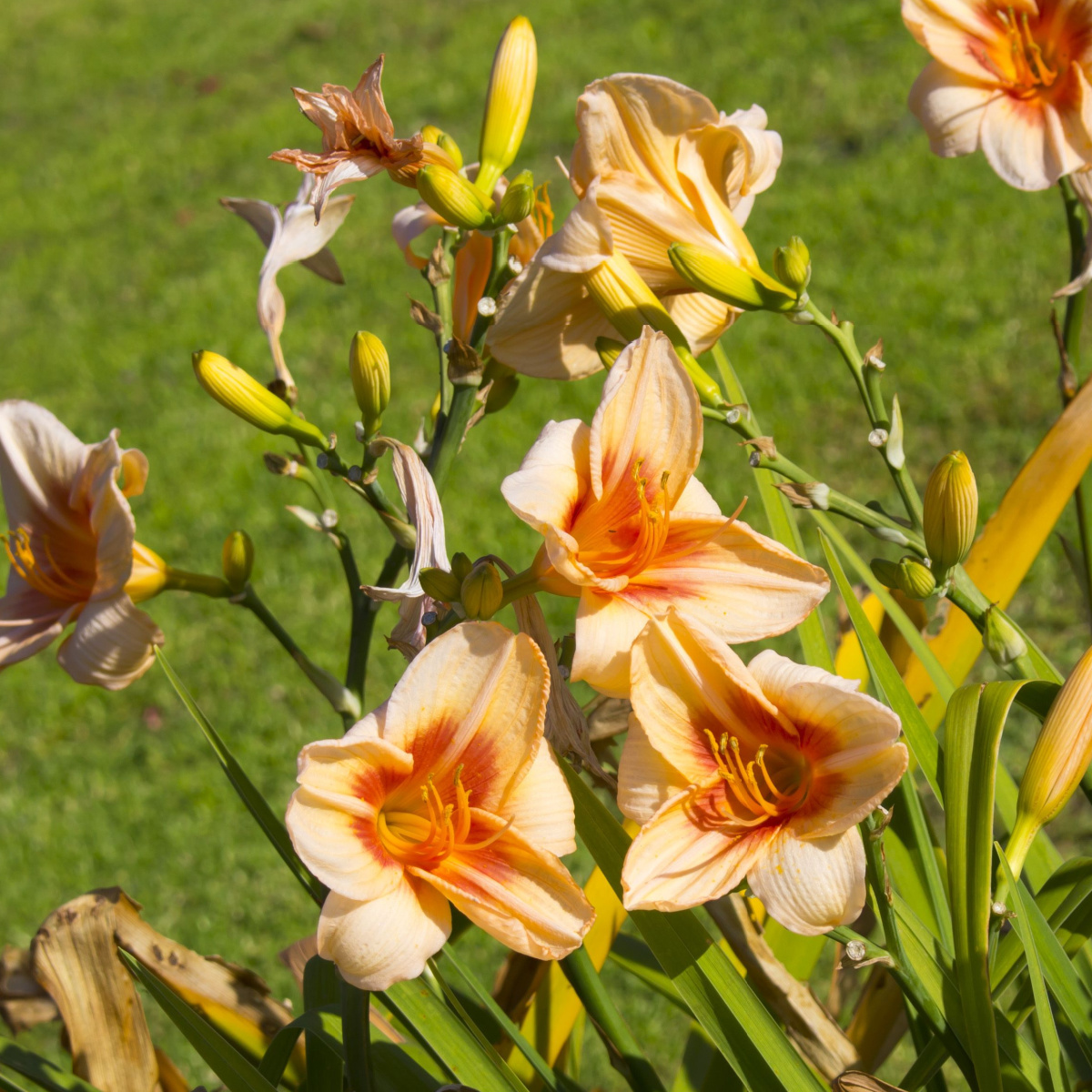
Daylilies are prized for being hardy, drought tolerant, low-maintenance, and easy to divide. But once their colorful blooms begin to fade, many gardeners aren't sure how to care for them. As the flower stalks turn brown and the foliage starts to look worn and ragged, the plants can appear as though they're finished for the season. Even though they still have plenty of life left in them.
The good news is that with just a little bit of mid summer care after they bloom - you can not only keep your daylilies healthy and strong - but even to help them flower once more later this summer and fall!

What To Do When Your Daylilies Finish Blooming
Dealing With Fading Blooms
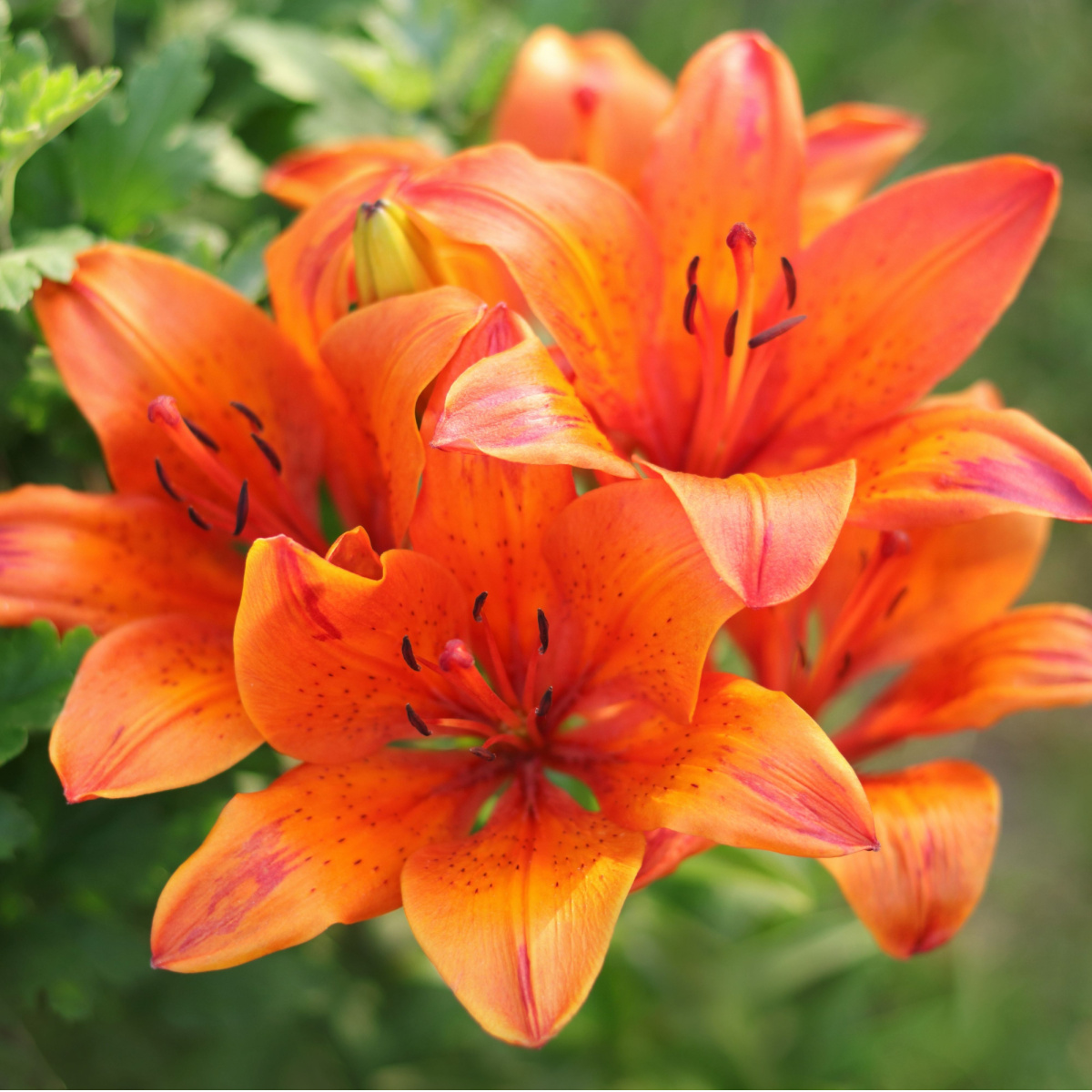
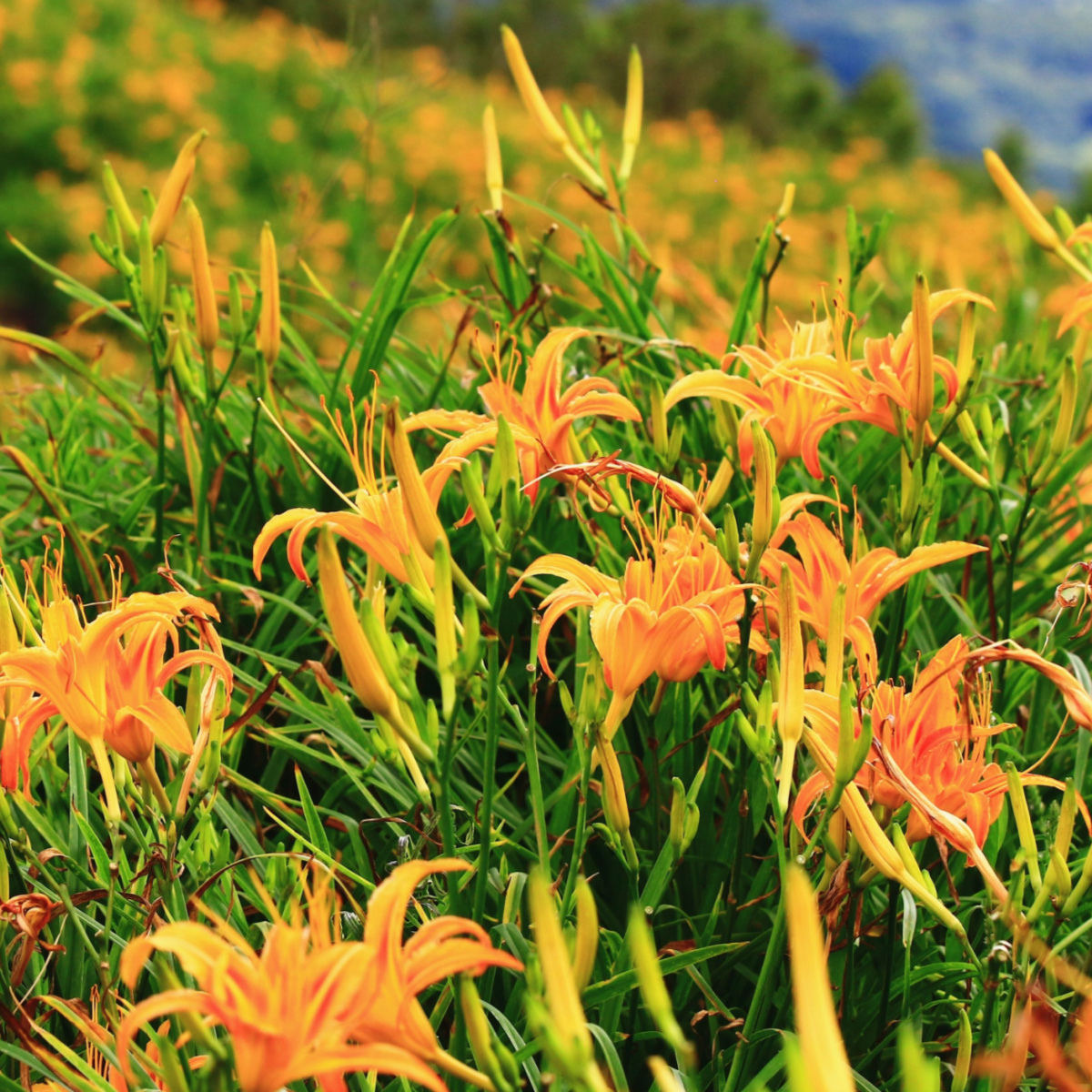
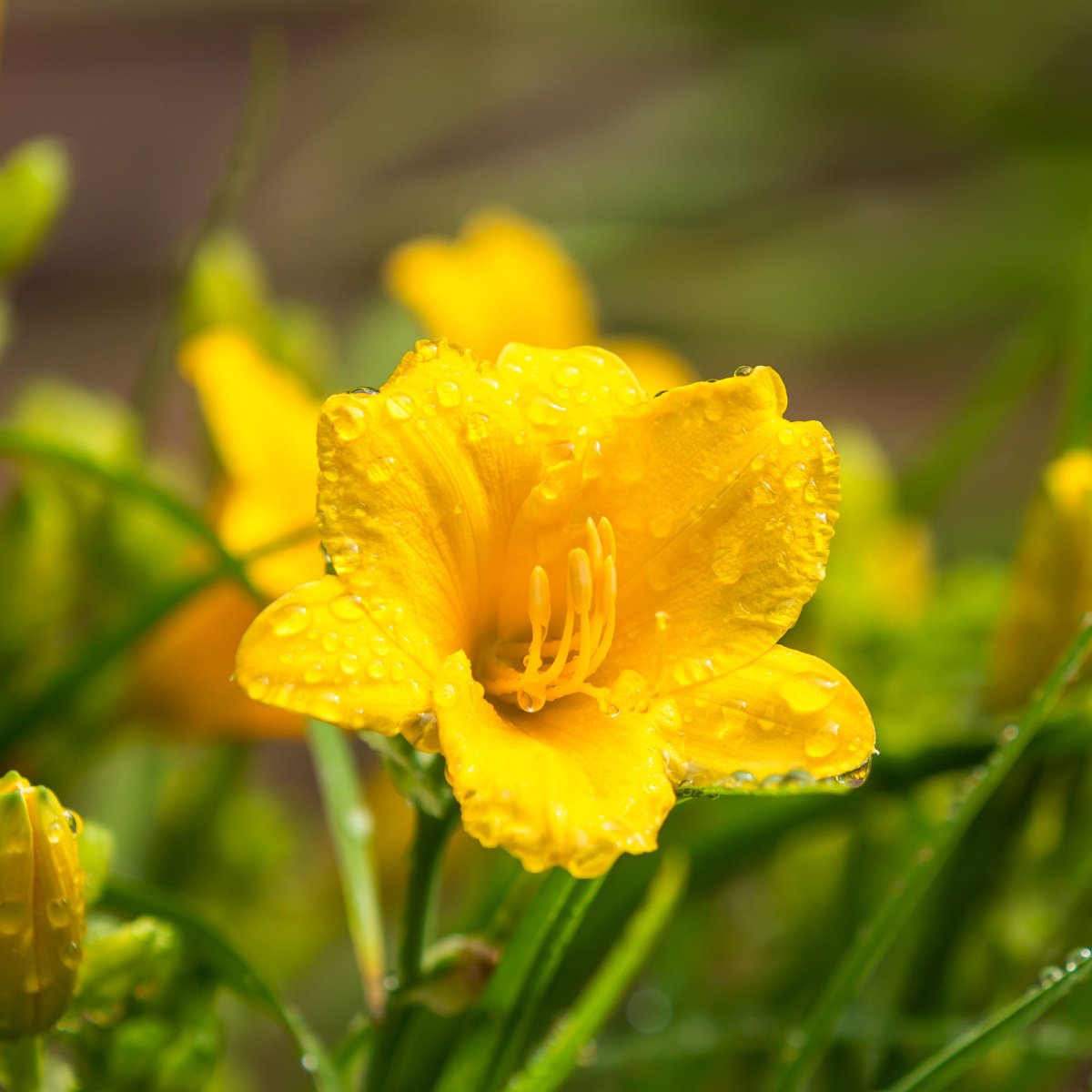
From the common Orange daylily to the ever popular Stella D’oro and the hundreds of more varieties in between, daylilies can be found all kinds of colors, shapes and sizes.
Some varieties bloom for a single session. But many, like the Stella, can re-bloom several times through the summer. Especially if they are given a bit of extra care after they bloom.
But no matter which variety you have, summer care is important to their long-term health and vibrancy. Not only can it help foliage stay strong and beautiful through the long summer months, it also helps the plants to a better, more vigorous bloom cycle the following year.
What To Do As Your Blooms Start To Fade
After the first initial onset of blooms, it is important to remove any flowers that begin to fade past their prime. By doing this, you keep the plant’s energy focused on producing new blooms.
An entire blooming period can extend anywhere from a few weeks to as long as 45 days. It all really depends on the variety of daylily. But removing old blooms helps extend that time to the longer side – no matter which type you are growing.

Unfortunately, when old blooms stay on the plant, they continue to use resources from the plant. Resources that should and could be going to create more blooms and brighter foliage.
Removing old bloom stems can with a sharp pair of scissors, or a handy set of hand-held pruners. And those pruners can really come in handy when you start to remove daylily scapes and seed heads, which as you will see next, is very important for their long term health and blooming potential! Affiliate Product Link: Fiskars Bypass Pruning Shears ⅝” Garden Clippers
What To Do With Daylily Scapes & Seed Heads
Now on to the seed heads or daylily scapes that daylilies shoot up after they finish blooming. This topic can be especially important for varieties of daylilies that are able to bloom again.
Once daylilies stop their initial bloom set, they begin to form seed heads. These seed heads, or lily scapes as they are sometimes called, are not necessary for the plant's health or growth. But they do use a tremendous amount of the plant’s resources to form and grow.
Because of this, they should be cut back to the base of the plant as soon as they appear. This, like removing spent blooms, forces the plant to use its energy on new blooms and plant strength. And, if you have re-blooming varieties like the Stella D’oro, this practice also helps create a second bloom cycle much more rapidly.
Listen In To Our Latest Podcast Below!

For any variety of daylily, this is also the perfect time to boost them with a dose of granular fertilizer. This allows them to build up strong roots and energy for the next year or the next bloom cycle. It also helps them recover quickly from the energy lost blooming.
For every daylily clump - apply a ⅛th to a ¼ cup of an all purpose granular fertilizer. Look for fertilizers that are around or near a 5-5-5 make-up for Nitrogen, Phosphorous and Potassium. Affiliate Product Link: Happy Frog All Purpose 6-4-5 Flower Fertilizer
Dividing Overgrown Daylilies In The Summer
Are your daylilies becoming too large? Believe it or not, unlike many perennials, you can split and divide them right in the middle of summer!
If plants have become too large, this is a great way to keep them in shape and create a few new starts. When daylilies become too large and overcrowded, bloom sets begin to suffer. But splitting and dividing allows for plenty of new room, and new plants.
How To Divide Daylilies When They Finish Blooming
Dividing daylilies couldn’t be easier. Simply dig up the plant, and divide through the roots with a sharp shovel. When dividing in the summer months, we use a sharp pair of scissors or hedge clippers to remove all of the foliage down to the base of the plant.

For starters, this foliage almost always dies off after transplanting. So cutting it off right as you dig them up keeps your transplants from looking sad in your beds while the new growth comes on from below.
Even more importantly, cutting back that growth spurs on a faster rate of growth for the new transplant, and encourages the plant to re-leaf much quicker.
Dividing can be done at any time, but we always wait until our lilies finish their first main bloom. Once the plants are back in the ground, it will take about 3 to 5 weeks to start seeing some good growth come up through the crown.
In many seasons, we have had many of our mid-summer divisions and transplants flower again by fall. It’s not only a great way to keep plants manageable, but also to add new plants to your landscape. And all for free.
Here is to taking care of your daylilies as they finish blooming this summer - and even more, to getting a second round of beautiful blooms from them this year! Happy Gardening! Jim & Mary.
The Farm at Old World Garden
Jim and Mary Competti have been writing gardening, DIY and recipe articles and books for over 16 years from their 46 acre Ohio farm. The two are frequent speakers on all things gardening and love to travel in their spare time.
As always, feel free to email us at thefarm@owgarden.com with comments, questions, or to simply say hello! You can sign up for our free email list in the subscribe now box in the middle of this article. Follow us on Facebook here : OWG Facebook. This article may contain affiliate links.
More Daylilies
- Why Now Is The Time To Fertilize Daylilies - How Early Spring Power Boosts Daylily Blooms!
- What To Do With Daylilies In The Middle Of Summer - After They Bloom!
- How To Cut Back, Divide & Fertilize Daylilies In Spring - Get Your Daylilies Ready For Big Blooms!
- What To Do With Your Daylilies In The Fall - Fall Daylily Care 101!