
If you have a lot of cayenne peppers ripening in your garden, one of the best and easiest ways to use them is to make your own homemade hot sauce. And with just a handful of simple ingredients, you can turn those bright red peppers into a smooth and tangy sauce that tastes amazingly similar to Frank’s RedHot!
Cayenne pepper plants can certainly be prolific. In fact, once they start producing in mid to late summer, it can be hard to keep up with the harvest. One healthy plant can be loaded with dozens of peppers at a time, and they seem to turn from green to bright red almost overnight.
Although you can dry cayenne peppers and grind them into cayenne powder or red pepper flakes, we love turning a portion of our harvest into homemade hot sauce. Not only is it incredibly easy to make, it is also a great way to enjoy the flavor of your garden peppers long after they are picked.
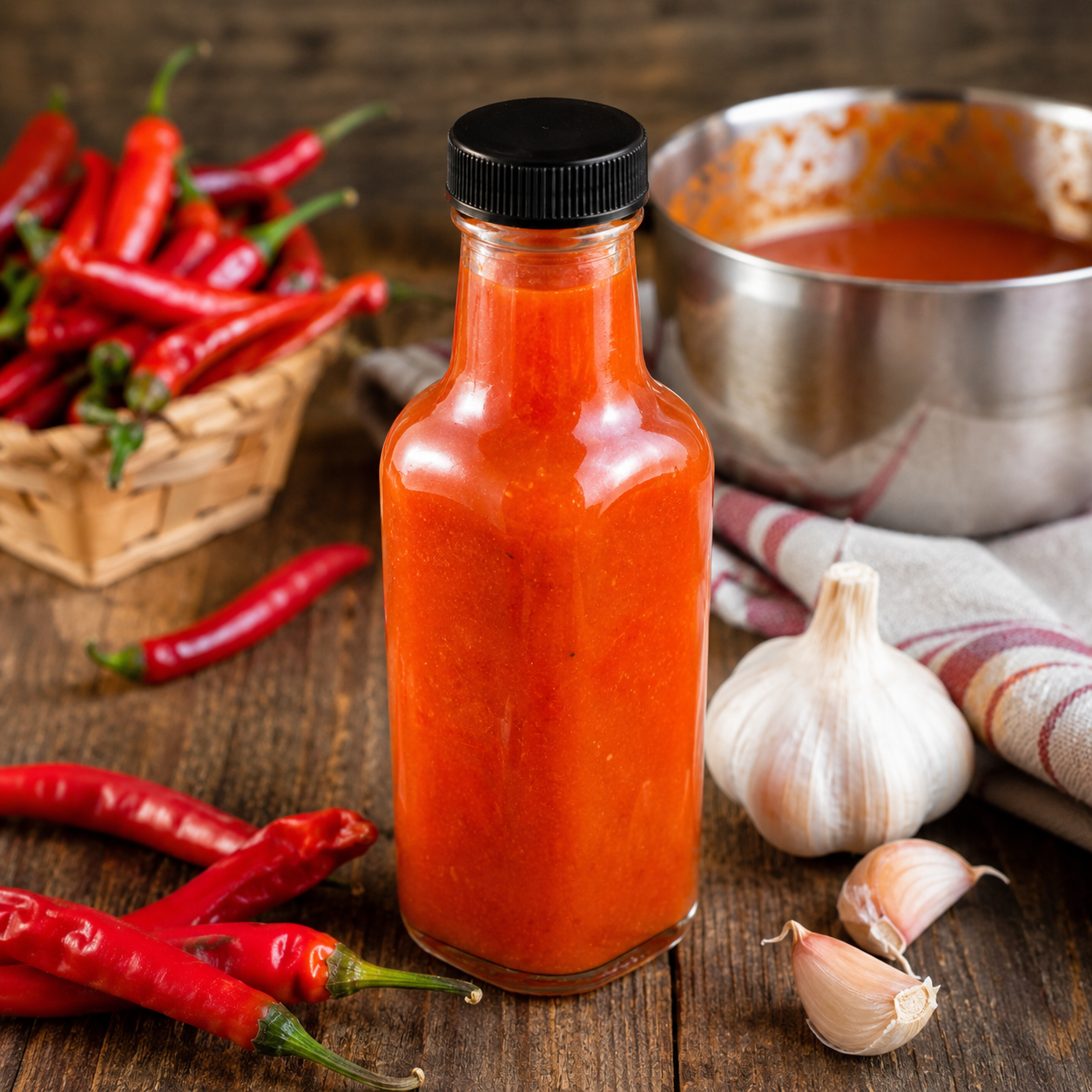
Best of all, you only need 20 fresh cayenne peppers to make a batch. Add in vinegar, garlic, salt and a little water, and you have everything you need to make a classic, all-purpose hot sauce that you can use on everything from chicken wings and eggs to tacos, chili and more!
Why Cayenne Peppers Make The Perfect Hot Sauce
There is a reason cayenne peppers are so often used to make traditional hot sauces. They have plenty of heat, but they aren’t so fiery that the heat completely overwhelms their flavor.
Most cayenne peppers fall somewhere around 30,000 to 50,000 Scoville Heat Units. That gives them considerably more heat than a jalapeño, but far less than super-hot peppers such as habaneros and ghost peppers.
Once you combine cayenne peppers with vinegar and the other ingredients in this recipe, the heat becomes much more manageable. You still get that nice kick that you expect from hot sauce, but it doesn’t overpower whatever food you put it on.
The vinegar is also what gives this sauce its familiar tangy flavor. In fact, the combination of cayenne peppers, white vinegar, garlic and salt creates a sauce that is very similar in taste and consistency to Frank’s RedHot.
If you love classic buffalo-style hot sauce, this is the homemade hot sauce recipe for you!
When To Pick Cayenne Peppers For Hot Sauce
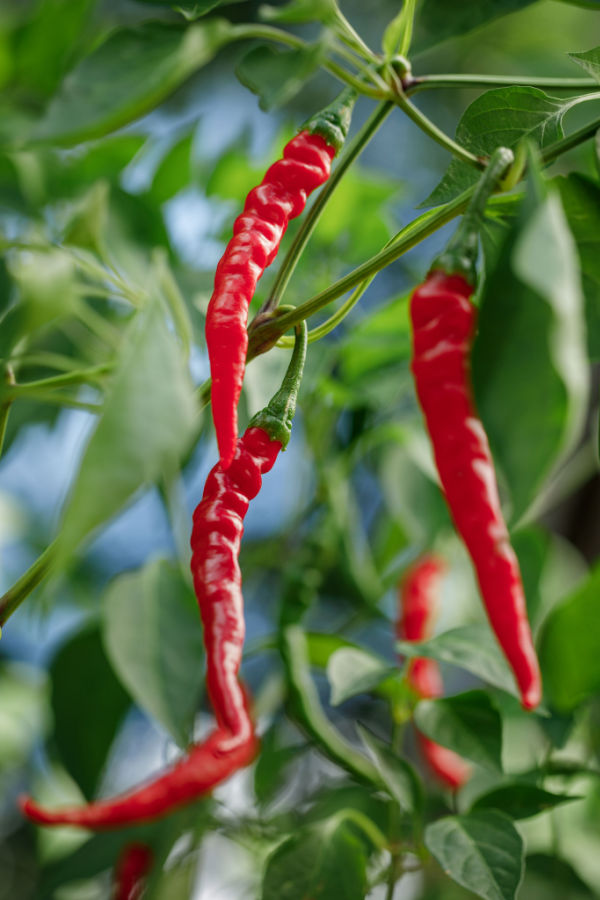
For the best flavor and color, allow your cayenne peppers to fully ripen on the plant before harvesting them. Although cayenne peppers can be picked and eaten while they are still green, they become sweeter and develop a deeper flavor as they turn red.
Fully ripe cayenne peppers will also give your finished hot sauce that beautiful red-orange color.
Look for peppers that are firm, bright red and free of soft spots or blemishes. Don’t worry if they aren’t all perfectly shaped. Garden-grown cayenne peppers often twist and curl as they mature, and they will work perfectly for making hot sauce.
If you don’t have enough ripe peppers at one time, simply store the harvested peppers in the refrigerator for a few days while you wait for the others to turn red.
A Word About Handling Hot Peppers
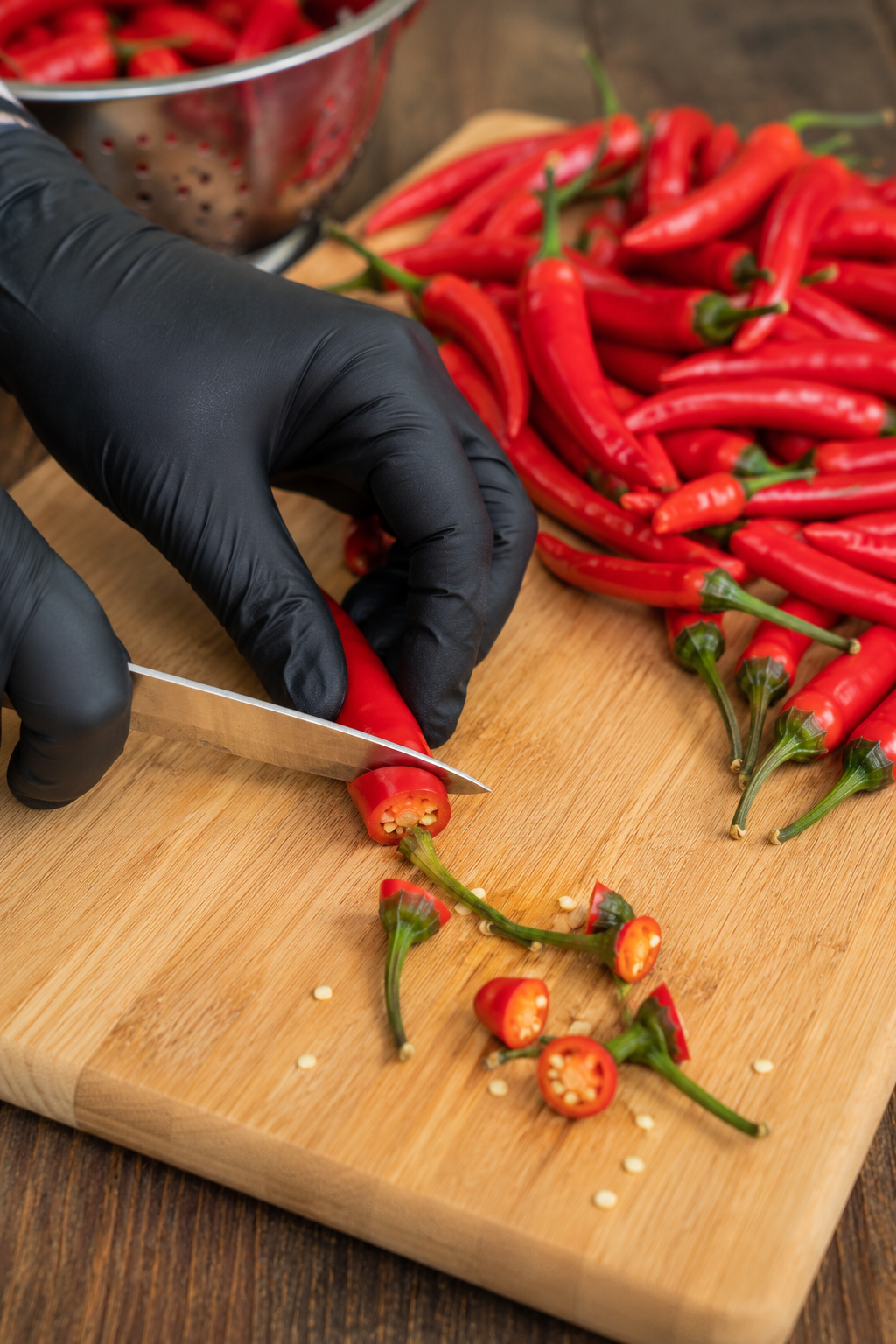
Before you begin, trust me when I say to put on a pair of food-safe gloves!
Cayenne peppers contain capsaicin, the compound responsible for making peppers hot. Unfortunately, those oils can remain on your skin long after you finish handling the peppers.
Touch your eyes, nose or face afterward and you will quickly understand why wearing gloves is so important!
It is also a good idea to avoid leaning directly over the saucepan while the peppers are simmering. As hot peppers cook, some of their spicy compounds can become airborne and irritate your eyes and nose.
Homemade Cayenne Pepper Hot Sauce
*Complete recipe instructions including specific measurements, cook temperatures and times are located in a printable recipe card at the bottom of this article. However, be sure to keep reading for helpful tips and tricks when making this recipe.
INGREDIENTS
Cayenne Peppers
You will need 20 fresh cayenne peppers for this recipe. For the best color and flavor, use peppers that have completely ripened and turned red.
There is no need to remove the seeds before cooking. Leaving them in makes preparation much faster because the sauce will be strained after it is pureed.
White Vinegar
White vinegar gives the hot sauce its classic sharp and tangy flavor. It also helps thin the peppers into the pourable consistency you expect from traditional hot sauce.
Garlic
This recipe uses both fresh minced garlic and garlic powder. The combination adds a subtle garlic flavor without overpowering the cayenne peppers.
Salt
A small amount of salt helps bring out the flavor of both the peppers and garlic.
Water
A little water helps give this refrigerator hot sauce the proper consistency and mellows the strong vinegar flavor.
How To Make Homemade Hot Sauce From Cayenne Peppers
Start by putting on gloves and washing the peppers thoroughly.
Cut the stem end off each cayenne pepper. Then slice each pepper lengthwise down the center. There is no need to scrape out the seeds.
Place the peppers in a small saucepan and add the white vinegar, minced garlic, garlic powder, salt and water.
Place the saucepan over medium heat and bring the mixture to a boil. Once it begins boiling, reduce the heat to maintain a gentle simmer.
Allow the peppers to simmer for 25 minutes. During this time, the peppers will soften and release their flavor and heat into the liquid.
Remove the saucepan from the heat.
Blending The Hot Sauce
This next step requires a little caution because you will be working with a very hot mixture.
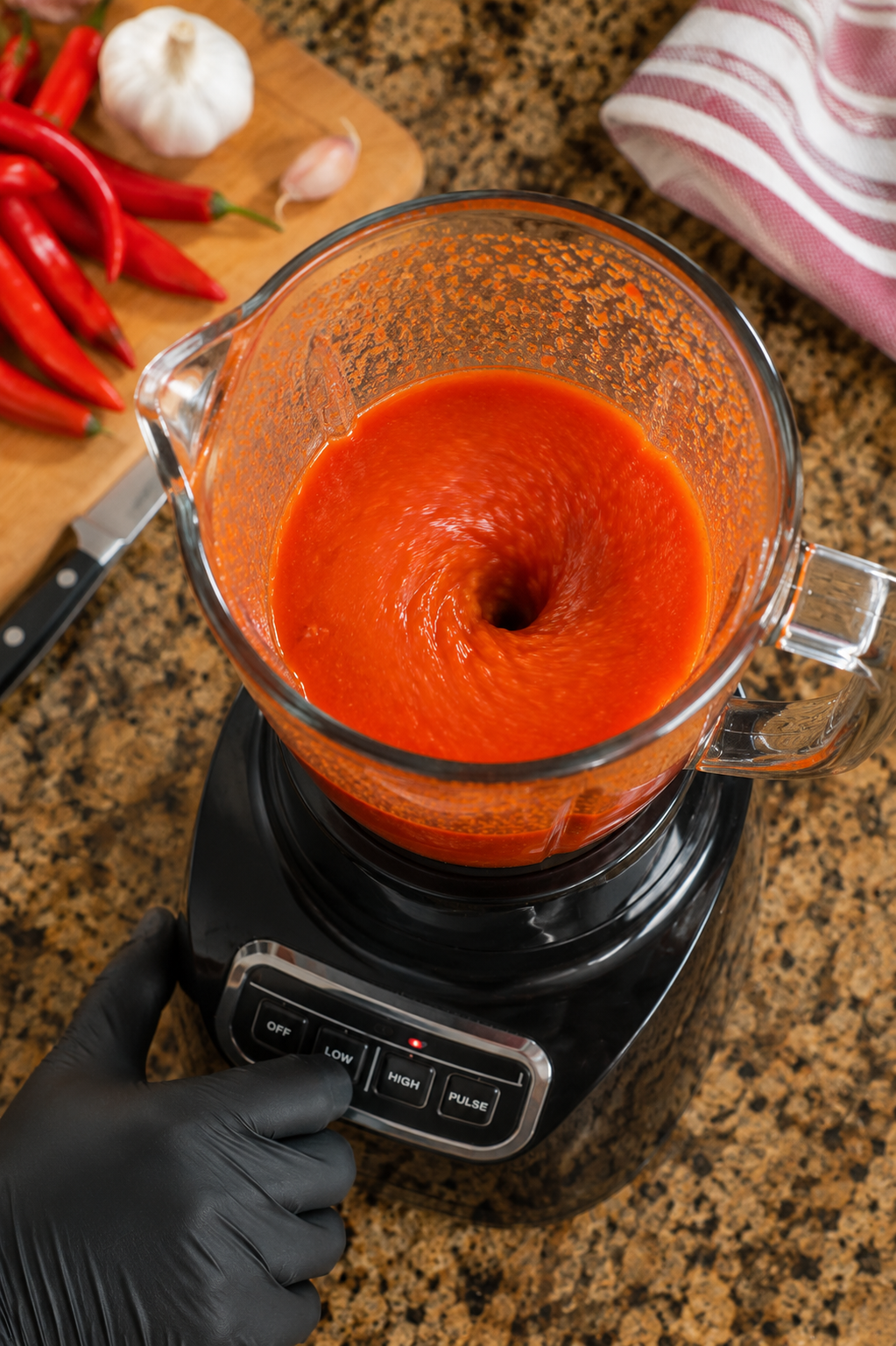
Carefully transfer the cooked pepper mixture to a blender. If your blender has specific instructions regarding hot liquids, be sure to follow them. Do not tightly seal hot liquid in a blender if the manufacturer warns against doing so, as steam pressure can build.
Puree the mixture until the peppers are completely broken down and the sauce looks smooth.
At this point, it will already look like hot sauce, but there is one more important step.
Straining For Smooth Homemade Hot Sauce
Place a fine mesh strainer over a bowl and carefully pour the pureed pepper mixture into it.
Use the back of a spoon or a small spatula to push the liquid through the strainer. The seeds and larger pieces of pepper skin will remain behind.
You may need to move the seeds around occasionally as you strain the sauce. They tend to collect against the mesh and can prevent the liquid from passing through.
Continue until you have extracted as much sauce as possible.
This extra step is what gives the finished hot sauce a smooth, pourable texture instead of a thick, salsa-like consistency.
Let The Hot Sauce Cool
Allow the hot sauce to cool before transferring it into a clean glass bottle or jar.
Don’t be surprised if the flavor seems especially sharp immediately after making it. Once the sauce sits in the refrigerator, the vinegar, garlic and cayenne flavors begin to blend together.
We actually think the flavor gets even better after it has had a little time to rest!
Always keep this version refrigerated in a covered container.
How To Use Homemade Cayenne Hot Sauce
One of the reasons we call this our all-purpose hot sauce is because there really isn’t much that it doesn’t go well with.
Of course, it is perfect for making Buffalo chicken wings. Simply combine it with melted butter to make a quick Buffalo-style wing sauce.
It is also delicious drizzled over scrambled eggs, breakfast potatoes, tacos, burritos and nachos. Add a splash to chili, soups or stews whenever you want to give them a little extra heat.
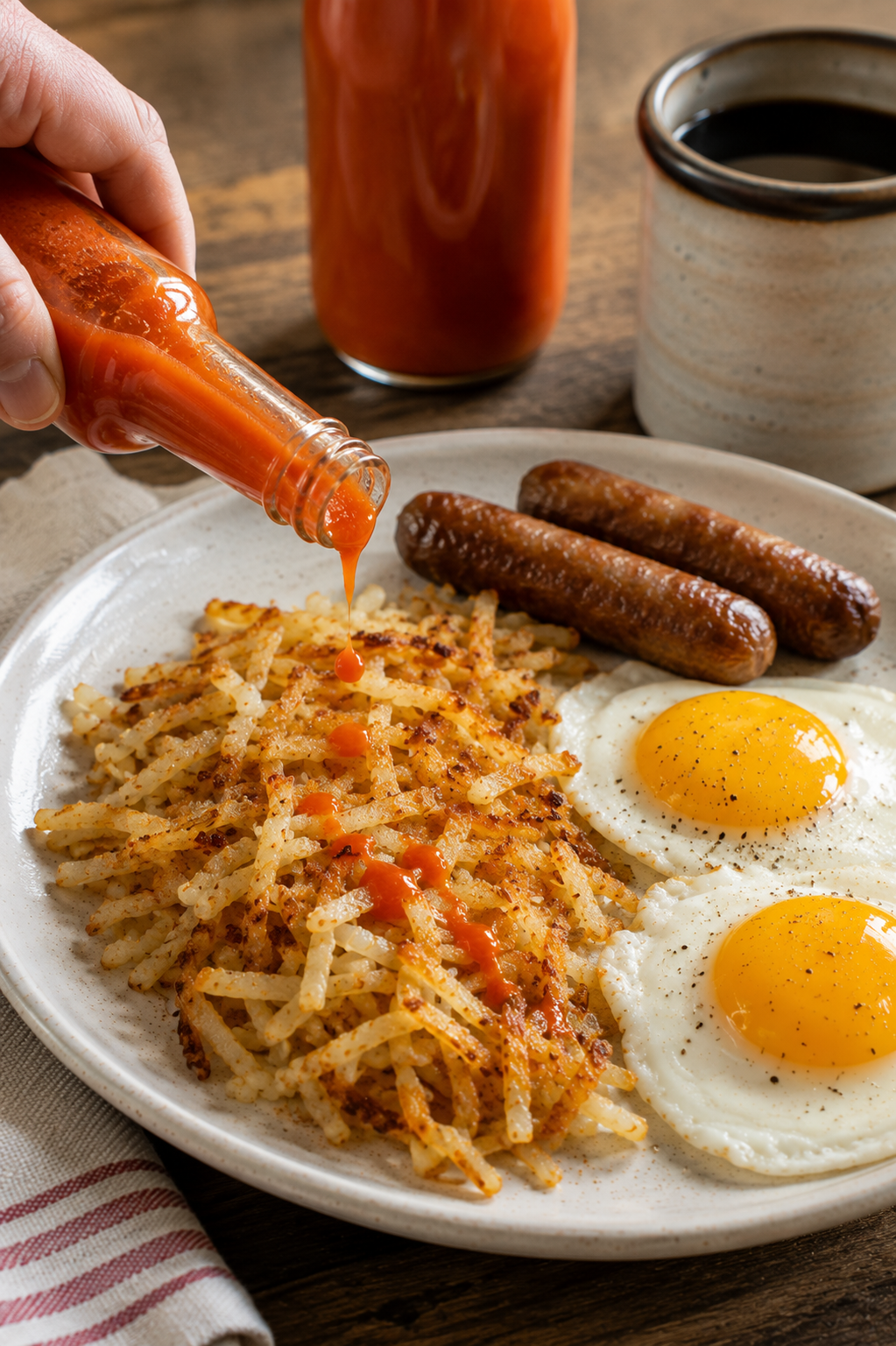
We also like to add a few drops to Bloody Marys, barbecue sauce, homemade dips and marinades.
And because the flavor is very similar to Frank’s hot sauce, you can use it in many recipes that call for a classic cayenne-based hot sauce.
Can You Make It Hotter Or Milder?
The heat level of cayenne peppers can vary considerably from plant to plant and even pepper to pepper. That means every batch of homemade hot sauce can be slightly different.
If you want a milder sauce, removing some of the seeds and inner membranes before cooking can help somewhat, although much of a pepper’s capsaicin is concentrated in the pale inner tissue rather than the seeds themselves.
For a hotter refrigerator sauce, you can experiment with a hotter variety of pepper. Just remember that changing the type of pepper can dramatically increase the heat level.
A Note About Canning Homemade Hot Sauce
Although hot sauce is often preserved for long-term storage, shelf-stable canning requires more than simply putting the finished sauce into jars and processing them in boiling water.
The acidity of the finished product, ingredient proportions, jar size and processing time all matter for safe home canning. Adding water or changing the amount or type of peppers can alter the acidity of a recipe.
For that reason, use a current, laboratory-tested hot sauce or pepper-sauce canning recipe from a trusted home-canning authority whenever you want a shelf-stable product. Do not assume that a refrigerator hot sauce recipe can automatically be safely water-bath canned.
For this particular recipe, we simply allow the sauce to cool, place it in a clean bottle or jar and store it in the refrigerator.
It is an incredibly easy way to turn those extra cayenne peppers from the garden into something you can use on all kinds of meals.
Enjoy!
Mary and Jim


Jim and Mary Competti have been writing gardening, DIY and recipe articles and books for over 16 years from their 46 acre Ohio farm. The two are frequent speakers on all things gardening and love to travel in their spare time.
As always, feel free to email us at thefarm@owgarden.com with comments, questions, or to simply say hello! You can sign up for our free email list in the subscribe now box in the middle of this article. Follow us on Facebook here : OWG Facebook. This article may contain affiliate links.
Hot Pepper Sauce Recipe
How to make homemade hot sauce with fresh cayenne peppers. An easy recipe with the classic flavor of Frank’s hot sauce!
Ingredients
- 20 fresh cayenne peppers
- 1 1 ⁄2 cups white vinegar
- 2 teaspoons garlic, minced
- 1 teaspoon garlic powder
- ½ teaspoon salt
- 1/3 cup water
Instructions
- Put on food-safe gloves. Wash the cayenne peppers and remove the stem end of each pepper.
- Slice each pepper lengthwise down the center to expose the seeds. Place the peppers in a small saucepan.
- Add the white vinegar, minced garlic, garlic powder, salt and water to the saucepan.
- Heat the mixture over medium heat until it comes to a boil.
- Reduce the heat and simmer for 25 minutes.
- Remove the saucepan from the heat. Carefully transfer the mixture to a blender and puree until smooth, following your blender manufacturer's precautions for hot liquids.
- Place a fine mesh strainer over a bowl. Pour the pureed mixture into the strainer and push the liquid through with the back of a spoon or spatula. Move the seeds and solids aside as needed to allow the liquid to pass through.
- Allow the hot sauce to cool completely.
- Pour into a clean glass bottle or jar, cover and refrigerate.
Notes
- Wear gloves when handling and cutting cayenne peppers. The capsaicin oils can remain on your hands and cause irritation if you touch your eyes or face.
- For the best flavor and color, use fully ripened red cayenne peppers.
- There is no need to remove the seeds before cooking. The sauce is strained after blending to remove the seeds and larger pieces of pepper skin.
- Use caution when blending the hot pepper mixture. Follow your blender manufacturer's directions for processing hot liquids.
- For a thinner hot sauce, you can press more of the liquid through the fine mesh strainer. For a slightly thicker sauce, leave more of the pepper pulp in the mixture.
- The flavor will improve after the hot sauce has had time to chill and the vinegar, garlic and cayenne flavors meld together.
- Storage: Transfer the cooled sauce to a clean, airtight bottle or jar and keep refrigerated.
- This recipe produces a tangy cayenne pepper sauce with a flavor and heat level similar to Frank's RedHot-style sauce.
- For shelf-stable canning, use a tested hot sauce canning recipe from a reliable home-preservation source rather than altering this refrigerator recipe.
- Recipe courtesy of Old World Garden Farms
Nutrition Information:
Yield:
24Serving Size:
1 gramsAmount Per Serving: Calories: 6Total Fat: 0gSaturated Fat: 0gUnsaturated Fat: 0gSodium: 46mgCarbohydrates: 1gFiber: 1gSugar: 0gProtein: 0g
Nutritional Information is to be used as a general guideline only . Nutritional calculations will vary from the types and brands of the products used.