What To Do With Tomato Plants In Late Summer - 3 Secrets To Keep Your Plants Producing Until Fall!
Wondering what to do with your tomato plants in late summer to keep them producing all the way to late fall?
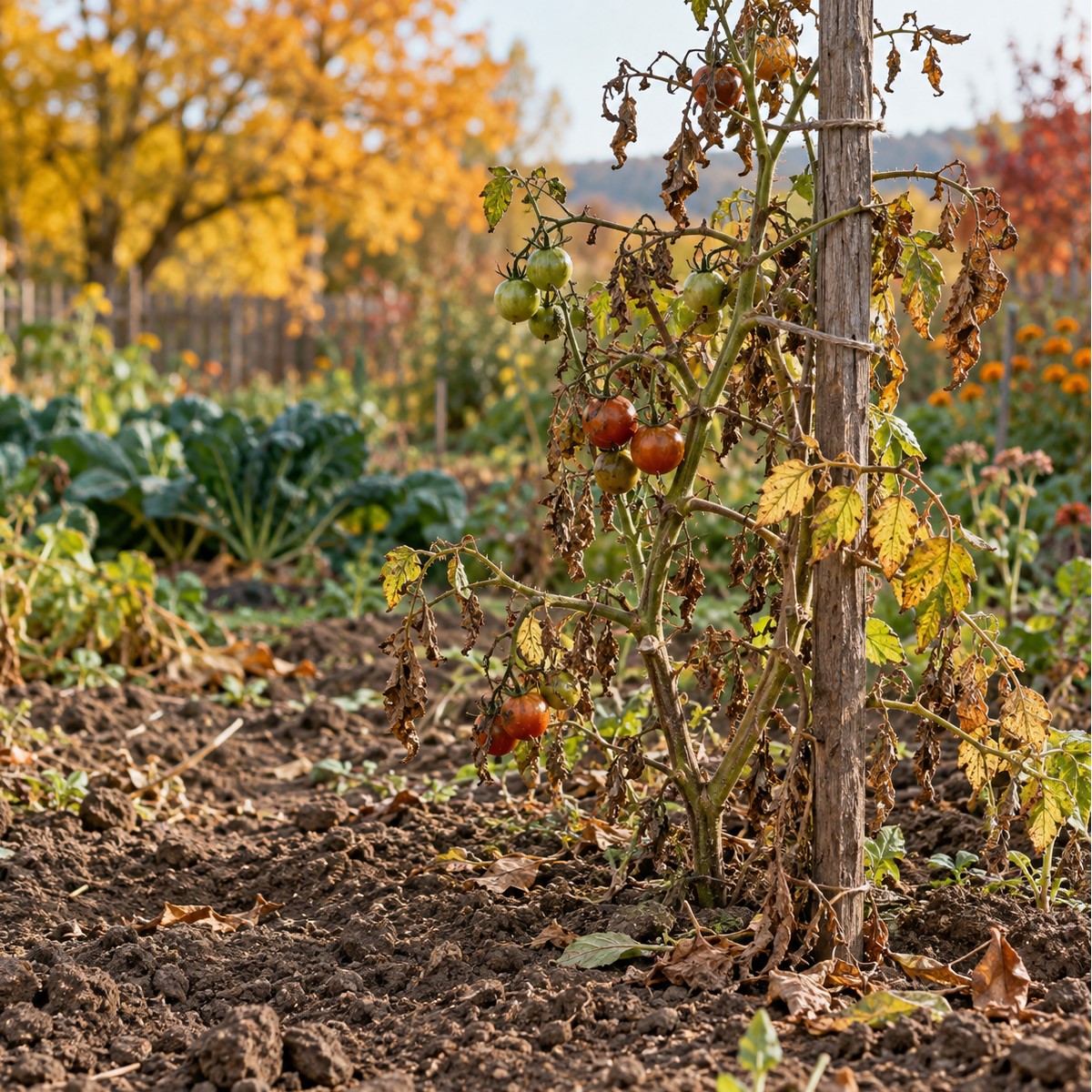
By the time late summer arrives, tomato plants can begin to look a little tired and worn out. After spending months growing, flowering and producing fruit, even the healthiest plants can suddenly start to slow down. But that doesn't mean your tomato harvest has to end! In fact, with just a little extra care, tomato plants can continue producing and ripening fruit right up until the first frost.
The key is to help your plants conserve their energy and use it where it matters most - producing and ripening tomatoes. And with three simple late-summer tasks, you can keep your plants healthy, productive and loaded with tomatoes well into fall.

3 Secrets To Keep Tomato Plants Producing In Late Summer
Pick Tomatoes Early & Often
One of the easiest ways to keep tomato plants producing is also one of the most overlooked - harvest your tomatoes often!
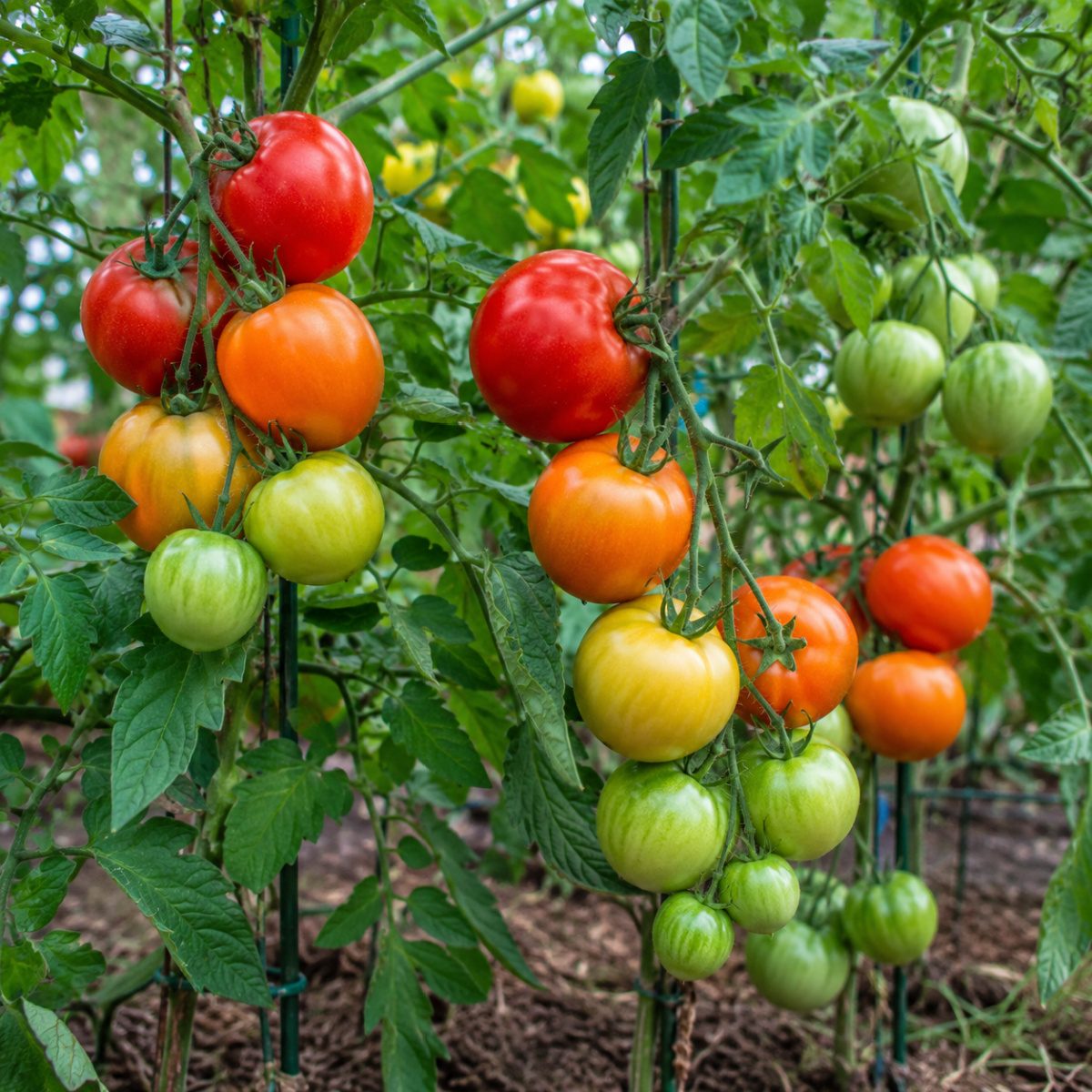
Allowing too many tomatoes to remain on a plant at the same time can put a tremendous amount of stress on it. Not only does the plant have to support the weight of all that fruit, it also continues sending energy and nutrients to every tomato as it ripens. And the more fruit that stays on the plant, the more resources it takes to maintain it all.
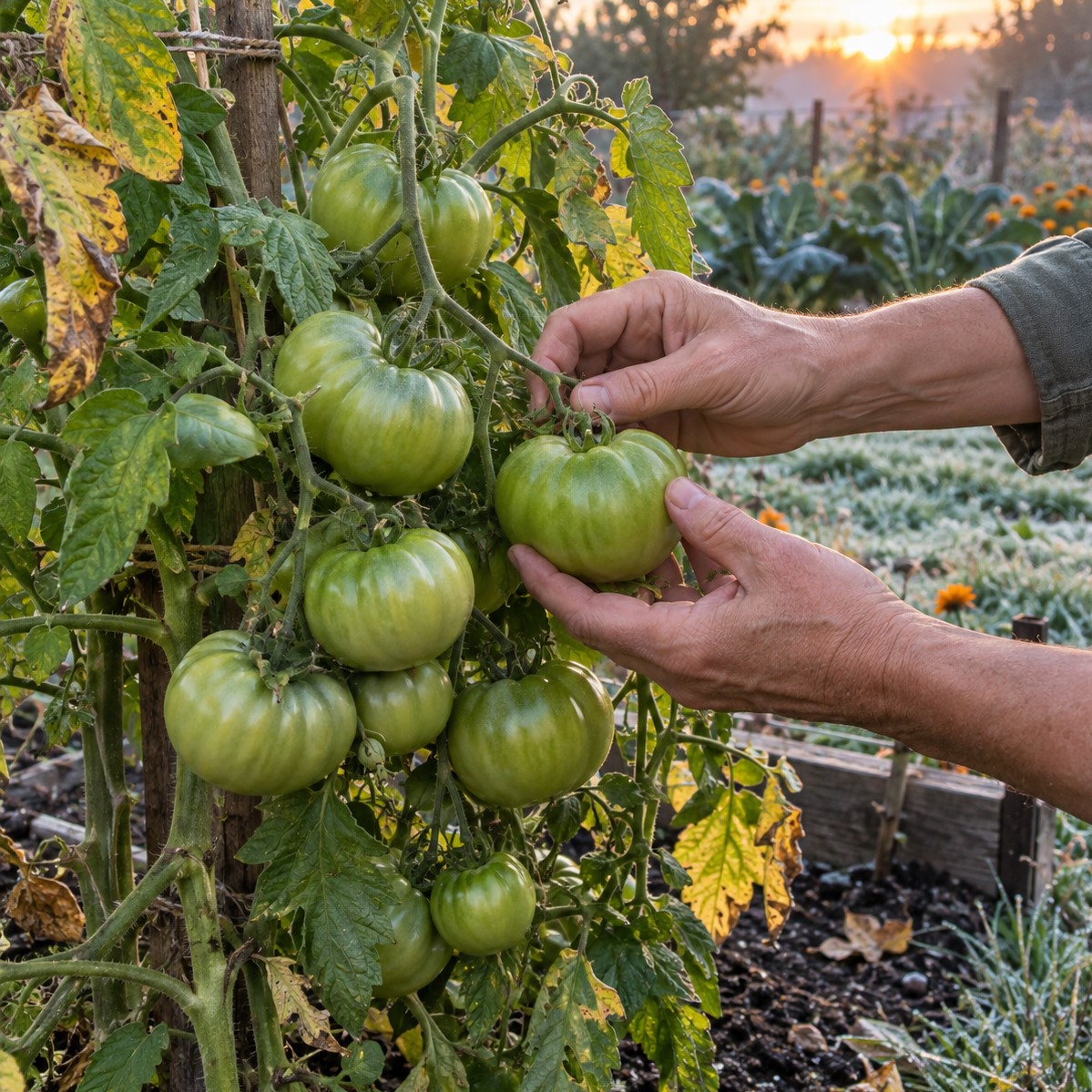
The good news is that you don't have to wait until a tomato is completely ripe to harvest it. Once a tomato begins to change from its mature green color to its final color, the ripening process is already well underway. This is commonly known as the breaker stage.
At this point, the tomato no longer needs to remain attached to the plant to finish ripening. It can be picked and allowed to ripen indoors with excellent results.
Why Picking Early Helps Your Tomato Plants In Late Summer
Picking tomatoes as soon as they begin to turn color takes an enormous load off the plant. Instead of continuing to send resources to fruit that can now ripen on its own, the plant can direct more energy toward developing younger tomatoes and producing additional blooms.
It also physically reduces the weight on branches. By late summer, tomato plants are often top-heavy and overloaded. Removing fruit regularly helps prevent stems and branches from bending, cracking or breaking.

There are other advantages as well. Harvesting tomatoes early can help protect them from birds, squirrels, insects and other garden pests. It also reduces the chance of ripe tomatoes splitting after a heavy late-summer rain.
Check your plants every day or two and pick any tomato that has started to show its mature color. Place the tomatoes indoors on a counter or table out of direct sunlight. There is no need to put them on a sunny windowsill. They will continue to ripen just fine at room temperature. See Ou Article: The Best Way To Ripen Tomatoes – And It’s Not On The Vine!
Fertilize Lightly Every 10 Days
Tomato plants use a tremendous amount of nutrients throughout the growing season. By late summer, much of the nutrition that was available in the soil in spring has either been used by the plants or washed away through months of watering and rainfall.
Unfortunately, this is also when gardeners often stop fertilizing. If you want plants to continue flowering and developing fruit, a small but steady supply of nutrients can make a big difference. The key, however, is to fertilize lightly.
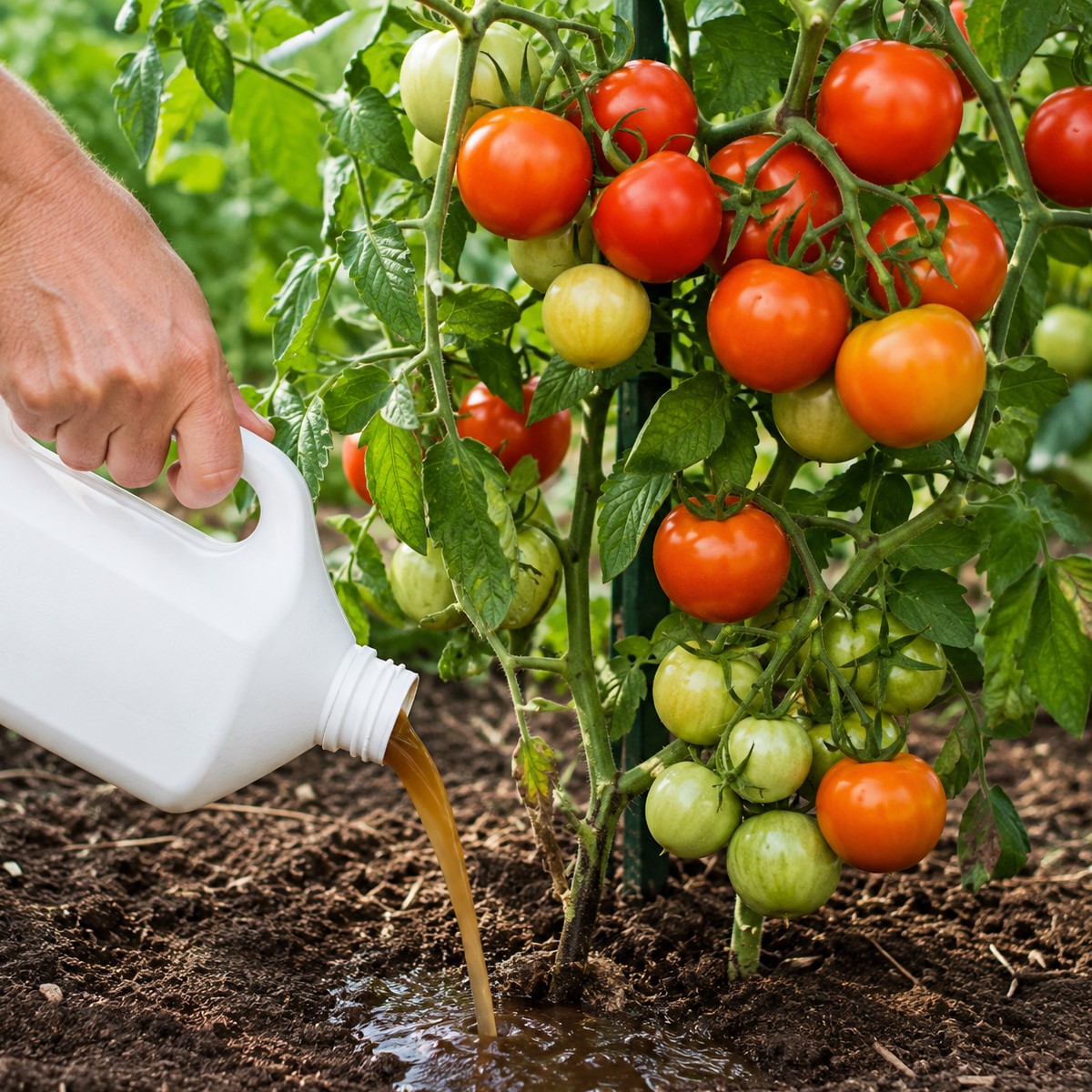
Giving tired plants a huge dose of fertilizer can cause more harm than good. Instead, apply a diluted dose of liquid fertilizer about every 10 days. Liquid fertilizers work especially well at this point in the season because nutrients are absorbed quickly through the plant's roots. But to really get the most of your plants - you need to feed your tomatoes the right nutrient mix!

The Best Late Summer Fertilizer For Tomato Plants
When selecting a fertilizer for late-summer tomatoes, pay close attention to the N-P-K ratio listed on the package. The three numbers represent nitrogen, phosphorus and potassium.
Nitrogen is important for plant growth, but too much of it late in the season can cause tomato plants to spend their energy growing stems and leaves instead of flowers and fruit. That is exactly what you don't want!
Instead, look for a fertilizer with lower nitrogen and higher levels of phosphorus and potassium. Phosphorus helps support flowering and fruit development, while potassium is important for overall plant health and fruit production.
A fertilizer formulated specifically for tomatoes is usually a good choice. Whatever product you use, apply it at a lighter strength than you might earlier in the growing season. Affiliate Link: Farmers Secret Tomato Fertilizer
At this stage, you aren't trying to create massive new growth. You simply want to give the plant enough nutrients to continue producing and ripening its existing crop. Small, consistent feedings every 10 days are far better than one or two heavy applications.
Keep Your Watering Consistent
Proper watering is always important for tomato plants, but it becomes especially critical in late summer. Hot August days can quickly dry out the soil. Unfortunately, allowing tomato plants to become extremely dry and then soaking them with water can create a host of problems.
Listen To Our Latest Garden Podcast Below!

One of the biggest is cracked and split tomatoes. When dry tomato plants suddenly take in a large amount of water, the fruit can expand faster than its skin can handle. The result is tomatoes that crack open on the vine. Inconsistent watering can also stress plants, causing blossoms to drop and fruit development to slow. The answer isn't necessarily to water more often - it is to water more consistently.
Water Deeply At The Roots
Instead of giving plants small amounts of water every day, water deeply when the soil begins to dry. Deep watering encourages roots to grow farther down into the soil. These deeper roots are better protected from hot temperatures and rapid moisture loss.
Always water around the base of the plant rather than spraying water over the foliage. Wet leaves can increase the chances of fungal disease, especially as late-summer nights become cooler and moisture remains on plants longer.
A good layer of mulch can also make a huge difference. Straw, shredded leaves or grass clippings help insulate the soil and slow moisture loss. Mulch also keeps soil temperatures more consistent and helps prevent soil-borne disease spores from splashing onto lower leaves.
Consistent moisture keeps plants from becoming stressed and gives them the steady supply of water they need to continue developing fruit.
When To Stop Allowing New Blooms To Form
There eventually comes a point when continuing to allow your tomato plants to flower actually works against your harvest. Tomatoes require time to go from a newly pollinated blossom to mature fruit. As fall approaches, new flowers simply won't have enough time to develop into usable tomatoes before frost arrives.
But the plant doesn't know that! It will continue using valuable energy to produce flowers and tiny new tomatoes for as long as conditions allow. That is why it can be beneficial to begin pinching off new blooms as you get closer to the end of your growing season.
As a general rule, start removing new flowers about four to six weeks before your area's average first frost date. At this point, the goal changes from creating more tomatoes to finishing the tomatoes already on the plant.
Simply pinch or snip off new flower clusters as they appear. You can also remove extremely small fruit that clearly won't have enough time to mature. This allows the plant to redirect its remaining energy toward growing and ripening the larger tomatoes already hanging on its branches.
For indeterminate tomatoes, you can also begin removing new growth at the top of the plant at this time. Again, there is little reason for the plant to spend valuable resources growing another foot or two when frost is only a few weeks away.
With those simple tasks, you can help your tomato plants stay productive, healthy and strong - and keep fresh tomatoes coming out of your garden right up until fall finally brings the growing season to a close! Happy Gardening - Jim & Mary
The Farm @ Old World Garden
Jim and Mary Competti have been writing gardening, DIY and recipe articles and books for over 16 years from their 46 acre Ohio farm. The two are frequent speakers on all things gardening and love to travel in their spare time.
As always, feel free to email us at thefarm@owgarden.com with comments, questions, or to simply say hello! You can sign up for our free email list in the subscribe now box in the middle of this article. Follow us on Facebook here : OWG Facebook. This article may contain affiliate links.
More tomato plants
- How To Bring Tired Tomato Soil Back To Life This Fall - Recharge Your Soil Now For Next Year!
- How To Ripen The Last Of Your Green Tomatoes Before The First Frost - Save Your Tomatoes!
- The Best Way To Fertilize Tomato Plants In Late Summer - Grow More Tomatoes Than Ever!
- How To Know When To Pick A Tomato - The Absolute Best Time To Harvest A Tomato!